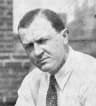
උපන්
December 31, 1880
Uniontown, United States
මිය ගිය
October 16, 1959
Washington, D.C., United States
ප්රසිද්ධ වන්නේ
American army officer and statesman
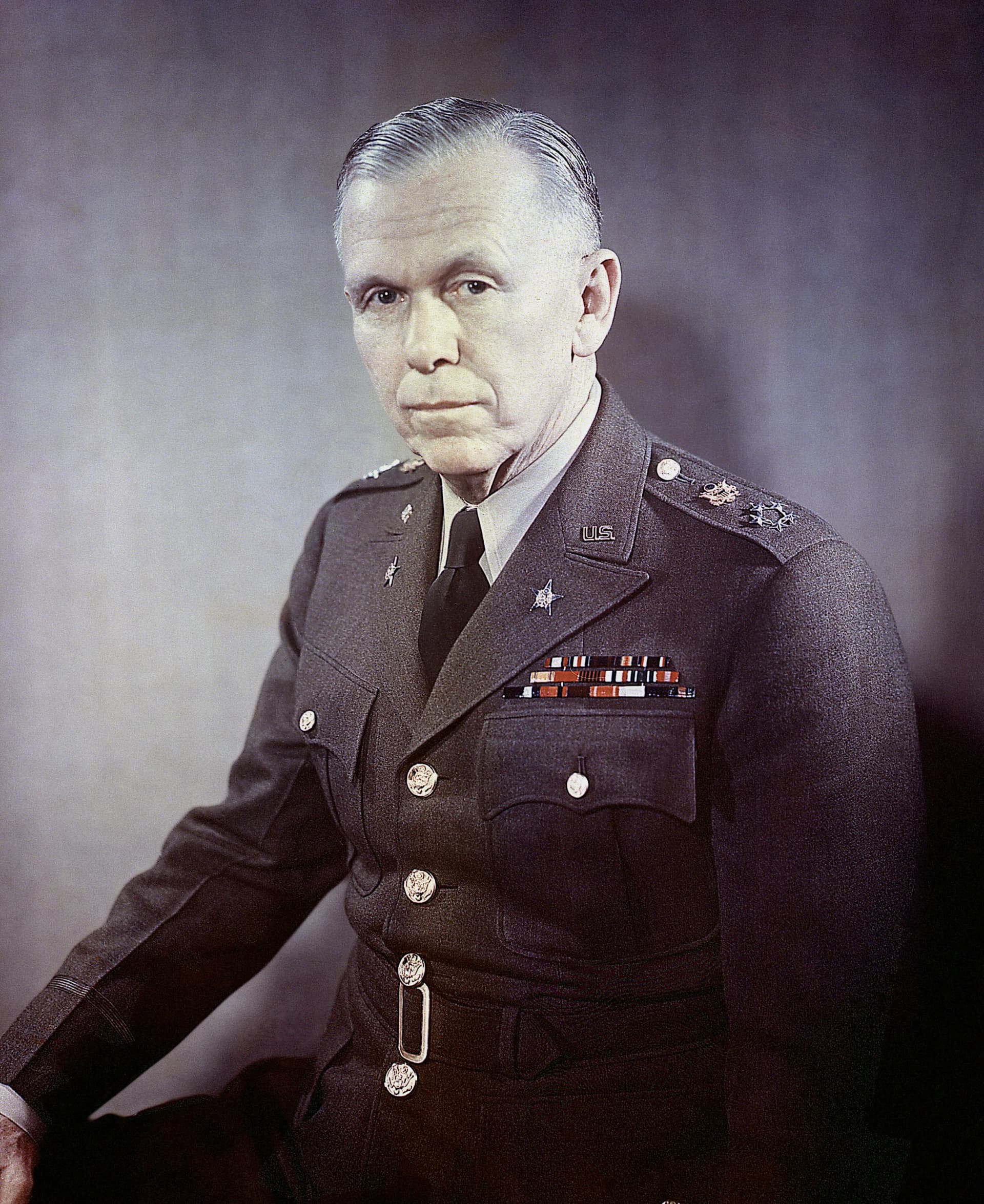
George Marshall (1880–1959) was United States best known for American army officer and statesman.
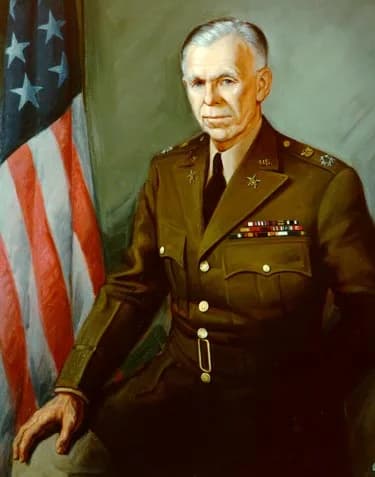
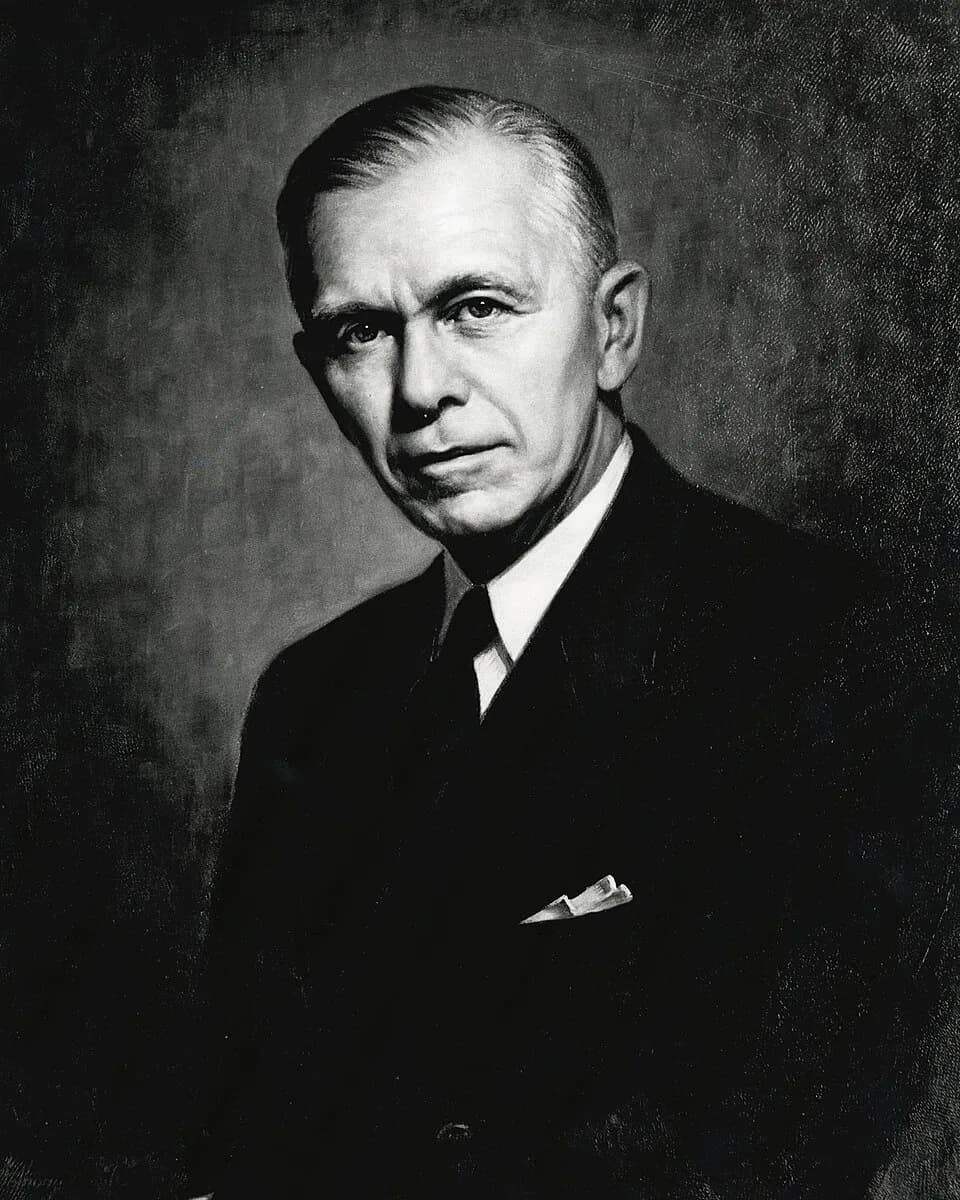
George Marshall (December 31, 1880 – October 16, 1959) was an American army officer and statesman. He was lauded as the "organizer of victory" in WWII and later initiated the Marshall Plan for European recovery. He received the Nobel Peace Prize in 1953 for his work towards global stability.
පරිච්ඡේදය
ජීවන පරිච්ඡේද
පරිච්ඡේදය 1 · 1880· පරිච්ඡේදය 1 of 7
Early Life and Origins
George Marshall was born on December 31, 1880, in Uniontown, United States. His early life in Pennsylvania laid the foundation for a future dedicated to public service. Although specific details of his upbringing are not extensively documented, his later diverse professional roles suggest a broad range of interests and skills from a young age.
Notably, among his early professions was an American football player, indicating an early engagement with team dynamics and strategic thinking. This background likely contributed to the discipline and leadership qualities he would demonstrate throughout his distinguished military and political career.
පරිච්ඡේදය 2· පරිච්ඡේදය 2 of 7
Career Beginnings
Marshall began his dedicated career as an army officer, steadily ascending through the ranks of the United States Army. His commitment and capabilities were recognized early on within the military structure. These formative years within the service honed his strategic acumen and leadership abilities.
පරිච්ඡේදය 3· පරිච්ඡේදය 3 of 7
Major Achievements and Career Highlights
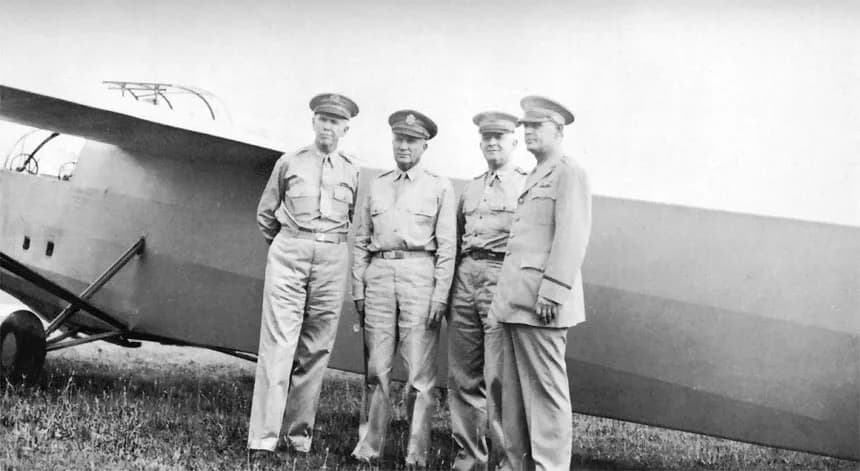
George Marshall served as Chief of Staff of the U.S. Army under two presidents, Franklin D. Roosevelt and Harry S. Truman, during a period of immense global conflict. His strategic leadership was instrumental during World War II, guiding the Allied forces to victory. Winston Churchill famously honored Marshall as the "organizer of victory" for his crucial contributions to the war effort.
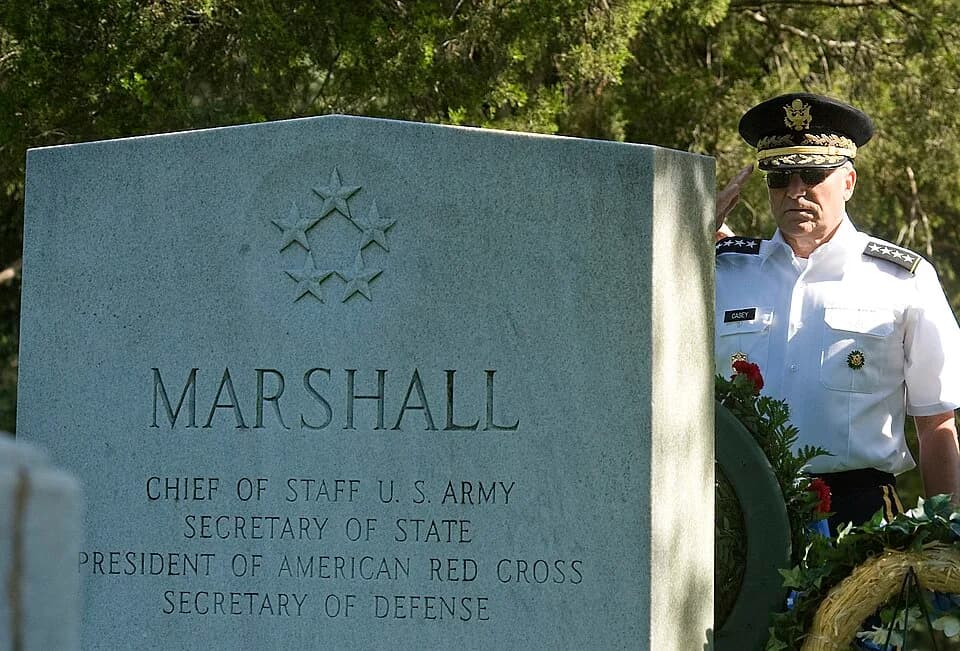
Following his military service, Marshall transitioned into high-level diplomatic and political roles. He held the esteemed positions of Secretary of State and Secretary of Defense under President Truman. In these capacities, he shaped American foreign policy during the immediate post-war era.
As Secretary of State, Marshall spearheaded a significant initiative for the economic and political revitalization of post-war Europe. This initiative, which became widely known as the Marshall Plan, bore his name and demonstrated a profound commitment to global stability. The plan was a landmark effort to rebuild war-torn nations and foster international cooperation.
In recognition of his enduring work for peace and European recovery, George Marshall was awarded the Nobel Peace Prize in 1953. He stands as the only Army general ever to receive this prestigious honor. His dedication to preventing future conflicts through economic stability left a lasting mark on international relations.
පරිච්ඡේදය 4· පරිච්ඡේදය 4 of 7
Personal Life
While details of George Marshall's personal and family life are not extensively provided in public records, his demanding public career as an army officer, diplomat, and statesman would have required immense dedication. His focus remained consistently on his duties to his country and the global community. The available information highlights his professional achievements and the impact of his public service.
පරිච්ඡේදය 5· පරිච්ඡේදය 5 of 7
Notable Works or Contributions
The most widely recognized contribution of George Marshall is the post-World War II European Recovery Program, famously known as the Marshall Plan. This bold initiative provided substantial aid to rebuild devastated European economies. It successfully promoted peace and stability on the continent, preventing widespread unrest and economic collapse.
Beyond the Marshall Plan, his strategic direction as Chief of Staff of the U.S. Army during World War II was a monumental undertaking. His organizational prowess was critical to coordinating the vast Allied war machine. He also engaged in diplomatic efforts, such as his attempt to prevent the continuation of the Chinese Civil War in the year following WWII.
පරිච්ඡේදය 6 · 1953· පරිච්ඡේදය 6 of 7
Later Years
In his later years, George Marshall continued to be recognized for his lifelong commitment to service and peace. His receipt of the Nobel Peace Prize in 1953 underscored the global appreciation for his efforts in stabilizing a post-war world. He passed away on October 16, 1959, in Washington, D.C., United States.
පරිච්ඡේදය 7· පරිච්ඡේදය 7 of 7
Legacy and Impact
George Marshall's legacy is defined by his exceptional leadership, both on the battlefield and in the halls of diplomacy. He reshaped the trajectory of post-World War II global politics through his visionary Marshall Plan, which exemplified a new approach to international aid and cooperation. His career demonstrated a unique ability to transition from military command to effective statesmanship.
He remains an enduring figure in American history, remembered as an "organizer of victory" and an architect of peace. His dedication to service as an army officer, diplomat, and politician continues to inspire. The principles he championed for international recovery and stability resonate today, securing his place as a pivotal figure of the 20th century.
මොහොතවල ජීවිතයක්
ජීවිතයක් හැඩගස්වූ මොහොත
නිතර අසන පැන
නිතර අසන
George Marshall මිය ගියේ කවදාද?
George Marshall 1959 වප් 16 දින Washington, D.C., United States හිදී වයස අවුරුදු 78දී මිය ගියේය.
George Marshall උපන්නේ කොහේද?
George Marshall Uniontown, United States හි 1880 උඳුවප් 31 දින උපන්නේය.
George Marshall වඩාත් ප්රසිද්ධ වන්නේ කුමක්ට ද?
George Marshall වඩාත් ප්රසිද්ධ වන්නේ American army officer and statesman සඳහාය.
මිය යන විට George Marshallගේ වයස කොපමණද?
මිය යන විට George Marshallගේ වයස අවුරුදු 78 විය.
George Marshallගේ ජාතිකත්වය කුමක්ද?
George Marshall United States වෙතින් පැමිණියේය.
කාලරේඛාව
ජීවිතය එක බැල්මකින්
ඡායාරූප ගැලරිය
චිත්රවල ජීවිතයක්
විස්තාරණය කිරීමට ඕනෑම පොලරොයිඩ් එකක් ක්ලික් කරන්න · ඡායාරූප 24
QR කේතය
මෙම චරිතාපදානය බෙදාගන්න
මුද්රණය හා බෙදාගැනීම
මෙම චරිතාපදාන පිටුව නැරඹීමට ස්කෑන් කරන්න. උත්සව, ප්රදර්ශන, හෝ අධ්යාපන ද්රව්ය සඳහා මුද්රණය කරන්න.