උපන්
September 26, 1886
Bristol, United Kingdom
මිය ගිය
June 3, 1977
Cambridge, United Kingdom
ප්රසිද්ධ වන්නේ
English physiologist and biophysicist
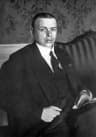
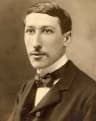
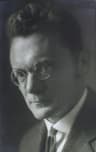
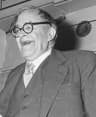
Archibald Hill (1886–1977) was United Kingdom best known for English physiologist and biophysicist.
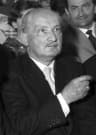
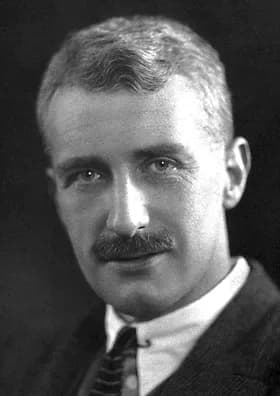
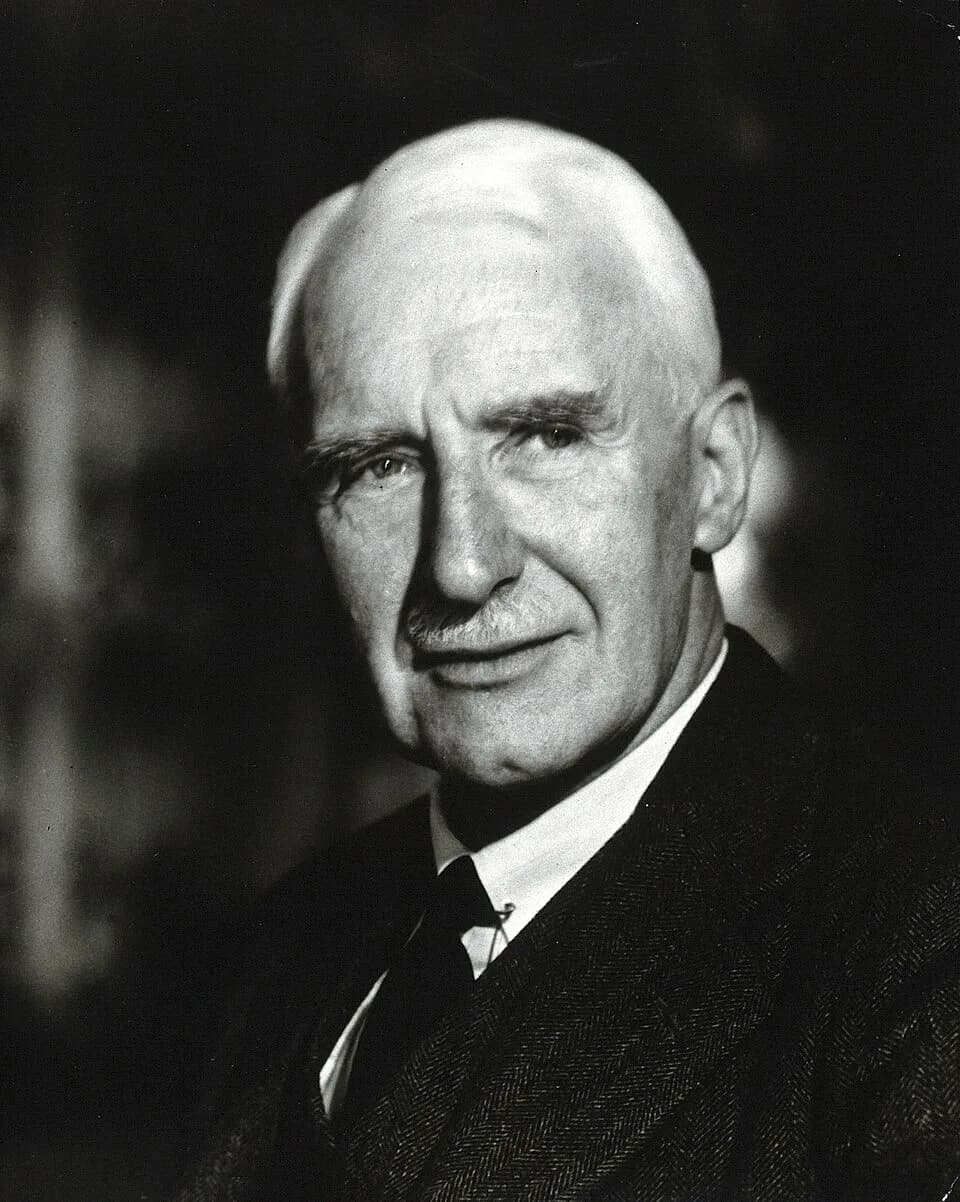
Archibald Hill (September 26, 1886 – June 3, 1977) was an English physiologist and biophysicist. He shared the 1922 Nobel Prize for his groundbreaking work on muscle function, also co-founding biophysics and operations research. His interdisciplinary approach continues to influence scientific thought.
පරිච්ඡේදය
ජීවන පරිච්ඡේද
පරිච්ඡේදය 1 · 1886· පරිච්ඡේදය 1 of 7
Early Life and Origins
Archibald Vivian Hill entered the world in Bristol, United Kingdom, on September 26, 1886. His early years in this historic English city undoubtedly laid the foundation for a life dedicated to scientific inquiry and public service. While specific details of his early education are not provided, his later achievements strongly suggest a formative period characterized by rigorous intellectual development and a burgeoning interest in the natural world.
Growing up in the late 19th century, Hill was exposed to a rapidly advancing scientific landscape, where traditional disciplines were beginning to intersect in novel ways. This environment likely fostered his unique ability to integrate knowledge from mathematics, physics, and biology. The academic institutions of the United Kingdom during this era were nurturing grounds for brilliant minds, and Hill's eventual trajectory attests to a robust early academic grounding.
පරිච්ඡේදය 2· පරිච්ඡේදය 2 of 7
Career Beginnings
Hill’s early career was marked by a clear inclination towards understanding the fundamental mechanisms of life. His training as a physician provided a crucial foundation in human biology and health, equipping him with practical insights into physiological functions. This clinical background complemented his theoretical prowess, allowing him to approach scientific questions with both experimental rigor and a deep appreciation for their biological relevance.
His innate mathematical talent soon found expression in biological problems, setting him on a path to merge quantitative analysis with living systems. This fusion was not common at the time, but it was precisely this innovative approach that would distinguish his research. He recognized that the precision of mathematical and physical principles could unlock secrets that purely descriptive biological studies could not.
පරිච්ඡේදය 3 · 1922· පරිච්ඡේදය 3 of 7
Major Achievements and Career Highlights
The pinnacle of Archibald Hill’s scientific career was undoubtedly the shared 1922 Nobel Prize in Physiology or Medicine. This prestigious award acknowledged his profound work on muscle physiology, specifically his elucidation of how heat and mechanical work are generated within muscles. This research provided critical insights into the energetic processes underlying muscle contraction, a fundamental biological activity.
Hill's contributions extended beyond singular discoveries; he was instrumental in establishing entirely new fields of study. He is recognized as one of the principal founders of biophysics, a discipline that applies the methods and theories of physics to biological problems. His quantitative approach to muscle function epitomized this new scientific frontier, demonstrating how physical laws govern biological processes.
Furthermore, Hill is also credited with co-founding the diverse discipline of operations research. This field, which utilizes analytical methods to improve decision-making, highlights his capacity to apply scientific thinking to practical, organizational challenges. His ability to bridge such disparate scientific domains underscores the extraordinary breadth of his intellect and his lasting impact on scientific methodology.
පරිච්ඡේදය 4· පරිච්ඡේදය 4 of 7
Personal Life
While specific details concerning Archibald Hill's personal life, family, and leisure interests are not extensively documented in the provided information, his multifaceted professional career offers a glimpse into his dedication. His profound engagement with science, politics, and mathematics suggests a life rich in intellectual pursuits and civic responsibility. It is evident that his scientific endeavors formed a central part of his identity and purpose.
පරිච්ඡේදය 5 · 1916· පරිච්ඡේදය 5 of 7
Notable Works or Contributions
Archibald Hill’s scientific output was substantial, as evidenced by his academic publications. His work often explored the intricate relationship between physical forces and biological phenomena. Among his most influential early works was "Die Beziehungen zwischen der Wärmebildung und den im Muskel stattfindenden chemischen Prozessen," published in 1916. This paper, with 26 citations, delved into the chemical processes underpinning heat production in muscles, directly linking to his Nobel-winning research.
Another seminal publication, "Über die Vorgänge bei der Muskelkontraktion," from 1923, garnered 43 citations, solidifying his explanations of muscle contraction mechanisms. These foundational papers established quantitative frameworks for understanding muscle energetics and laid the groundwork for future physiological research. His h-index of 2, based on six papers, reflects the significant impact of his core contributions, particularly those recognized by the Nobel Committee.
Beyond these highly cited works, Hill continued to explore broader scientific and philosophical questions. His publications include "Über Muskeln und Nerven" from 1938 and a later edition in 2005, which, despite having no recorded citations, indicates his sustained interest in neuro-muscular physiology. The posthumous publication in 2005 suggests the enduring relevance or re-evaluation of his earlier thoughts on the subject. He also published "Das ethische Dilemma der Naturwissenschaften" in 1953, showcasing his engagement with the societal implications and ethical responsibilities inherent in scientific progress, reflecting a thoughtful dimension to his scientific personality.
පරිච්ඡේදය 6 · 1953· පරිච්ඡේදය 6 of 7
Later Years
Archibald Hill continued to contribute to scientific thought and discourse well into his later years. Although specific details of his activities post-Nobel are not fully provided, his publication on the ethical dilemmas of science in 1953 demonstrates an active and engaged mind decades after his most celebrated discovery. His intellectual curiosity evidently never waned, encompassing both the mechanics of life and the moral compass guiding scientific advancement.
He lived a long and impactful life, passing away in Cambridge, United Kingdom, on June 3, 1977, at the age of 90. His death in Cambridge, a renowned center of academic excellence, symbolically ties his final years to the intellectual environment he so richly contributed to throughout his career. His passing marked the end of an era for a scientist who profoundly influenced multiple generations of researchers.
පරිච්ඡේදය 7· පරිච්ඡේදය 7 of 7
Legacy and Impact
Archibald Hill's legacy is immense and multifaceted, resonating across several scientific disciplines. As a co-founder of biophysics, he forged a path for quantitatively analyzing biological phenomena, transforming biology from a primarily descriptive science into one capable of precise physical measurement and theoretical modeling. His methods and insights continue to inform contemporary research in biomechanics, cell physiology, and bioenergetics.
His Nobel Prize-winning work on muscle heat and mechanical work remains a cornerstone of muscle physiology, providing fundamental principles that are still taught and applied today. Beyond his specific scientific findings, Hill's interdisciplinary approach—melding physics, mathematics, and biology—set a powerful precedent for modern scientific collaboration. He demonstrated that some of the most complex questions require a synthesis of knowledge from diverse intellectual traditions.
Moreover, his contributions to operations research showcased his versatility and practical intellect, proving that scientific rigor could be applied to optimize complex systems beyond the laboratory. Archibald Hill's life was a testament to intellectual curiosity, scientific precision, and a broad engagement with the world's most challenging problems, securing his place as one of the most significant scientific figures of the 20th century. His influence continues to inspire scientists to look beyond traditional boundaries and to seek deeper, more quantitative understandings of life's processes.
මොහොතවල ජීවිතයක්
ජීවිතයක් හැඩගස්වූ මොහොත

නිතර අසන පැන
නිතර අසන
Archibald Hill මිය ගියේ කවදාද?
Archibald Hill 1977 පොසොන් 3 දින Cambridge, United Kingdom හිදී වයස අවුරුදු 90දී මිය ගියේය.
Archibald Hill උපන්නේ කොහේද?
Archibald Hill Bristol, United Kingdom හි 1886 බිනර 26 දින උපන්නේය.
Archibald Hill වඩාත් ප්රසිද්ධ වන්නේ කුමක්ට ද?
Archibald Hill වඩාත් ප්රසිද්ධ වන්නේ English physiologist and biophysicist සඳහාය.
මිය යන විට Archibald Hillගේ වයස කොපමණද?
මිය යන විට Archibald Hillගේ වයස අවුරුදු 90 විය.
Archibald Hillගේ ජාතිකත්වය කුමක්ද?
Archibald Hill United Kingdom වෙතින් පැමිණියේය.
කාලරේඛාව
ජීවිතය එක බැල්මකින්
ඡායාරූප ගැලරිය
චිත්රවල ජීවිතයක්
විස්තාරණය කිරීමට ඕනෑම පොලරොයිඩ් එකක් ක්ලික් කරන්න · ඡායාරූප 33
QR කේතය
මෙම චරිතාපදානය බෙදාගන්න
මුද්රණය හා බෙදාගැනීම
මෙම චරිතාපදාන පිටුව නැරඹීමට ස්කෑන් කරන්න. උත්සව, ප්රදර්ශන, හෝ අධ්යාපන ද්රව්ය සඳහා මුද්රණය කරන්න.