උපන්
August 8, 1925
Šamac, Bosnia and Herzegovina
මිය ගිය
October 19, 2003
Sarajevo, Bosnia and Herzegovina
ප්රසිද්ධ වන්නේ
Bosnian politician, lawyer, philosopher and author
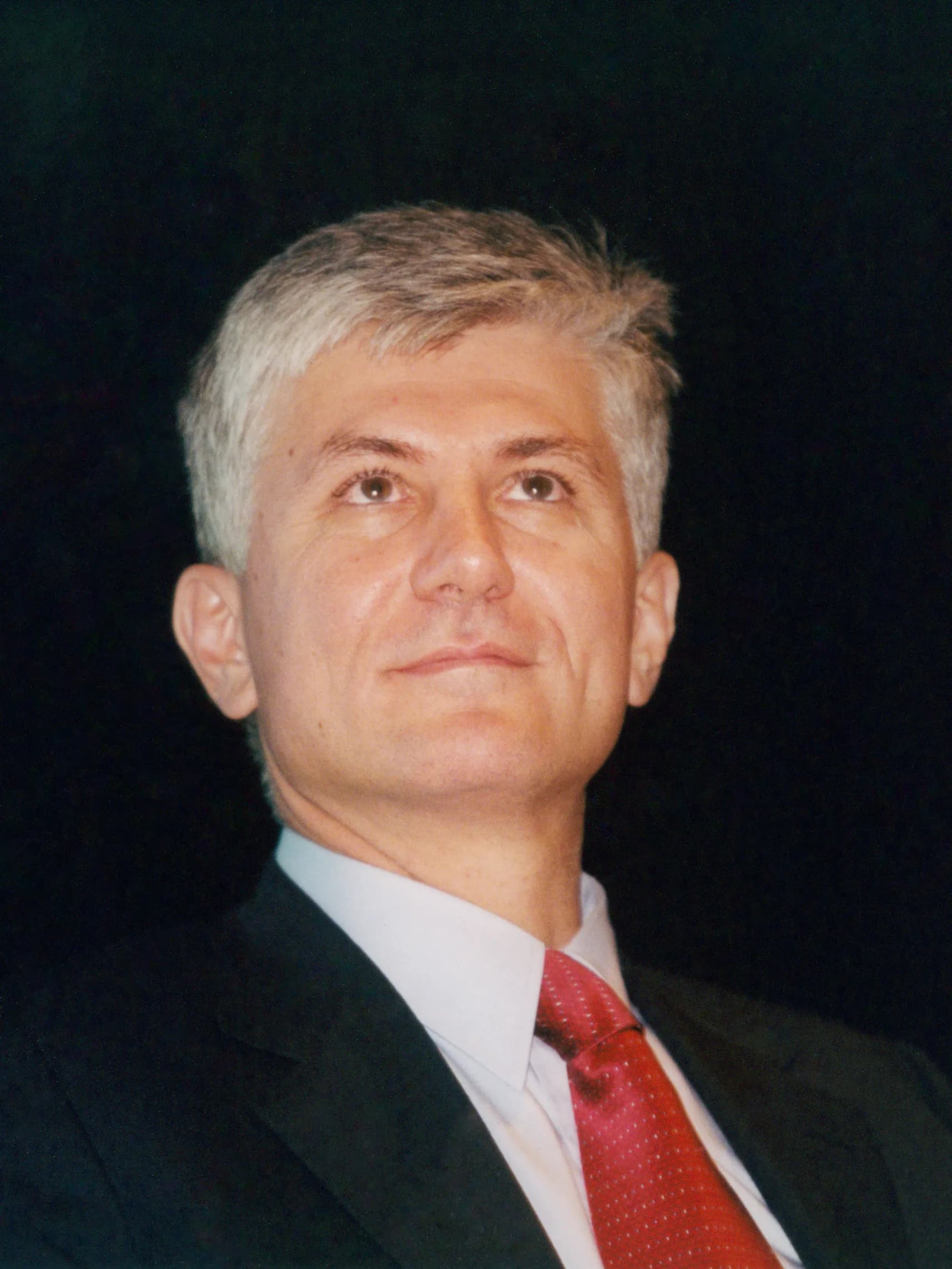
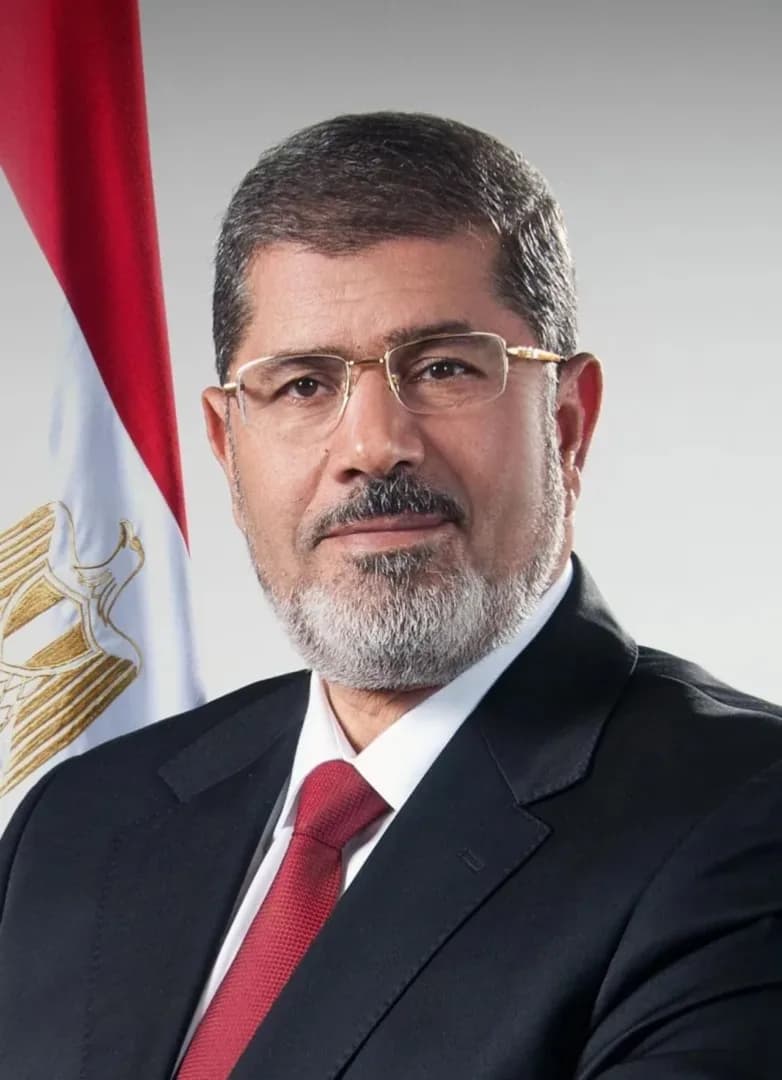
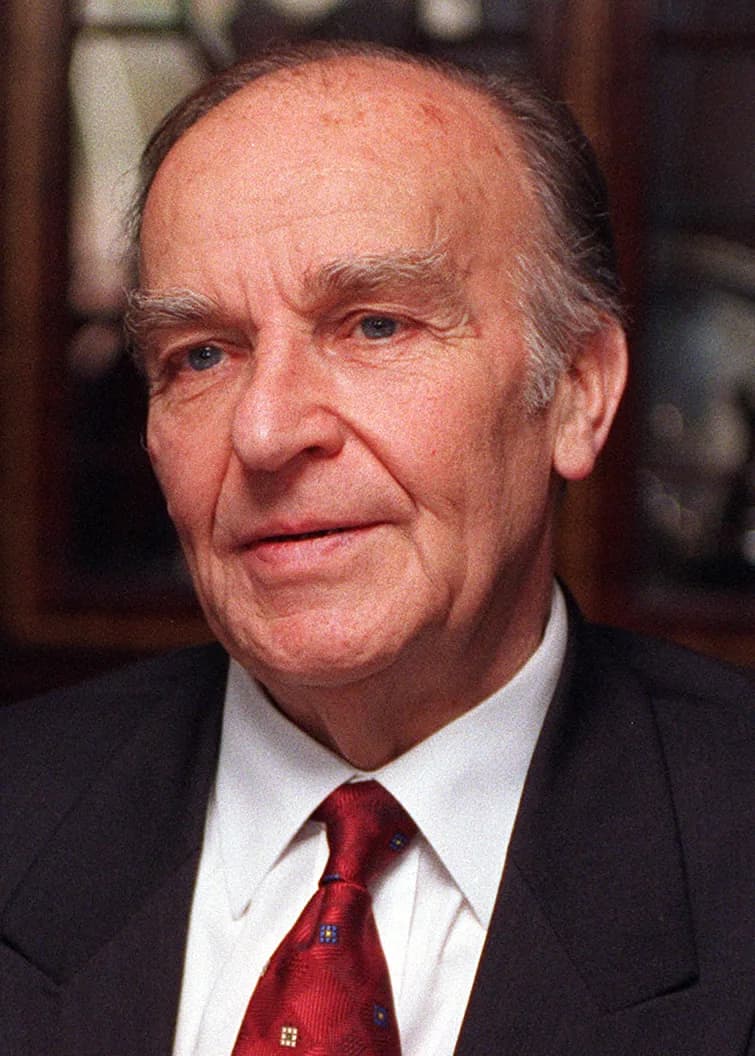
Alija Izetbegović (1925–2003) was Bosnia and Herzegovina best known for Bosnian politician, lawyer, philosopher and author.
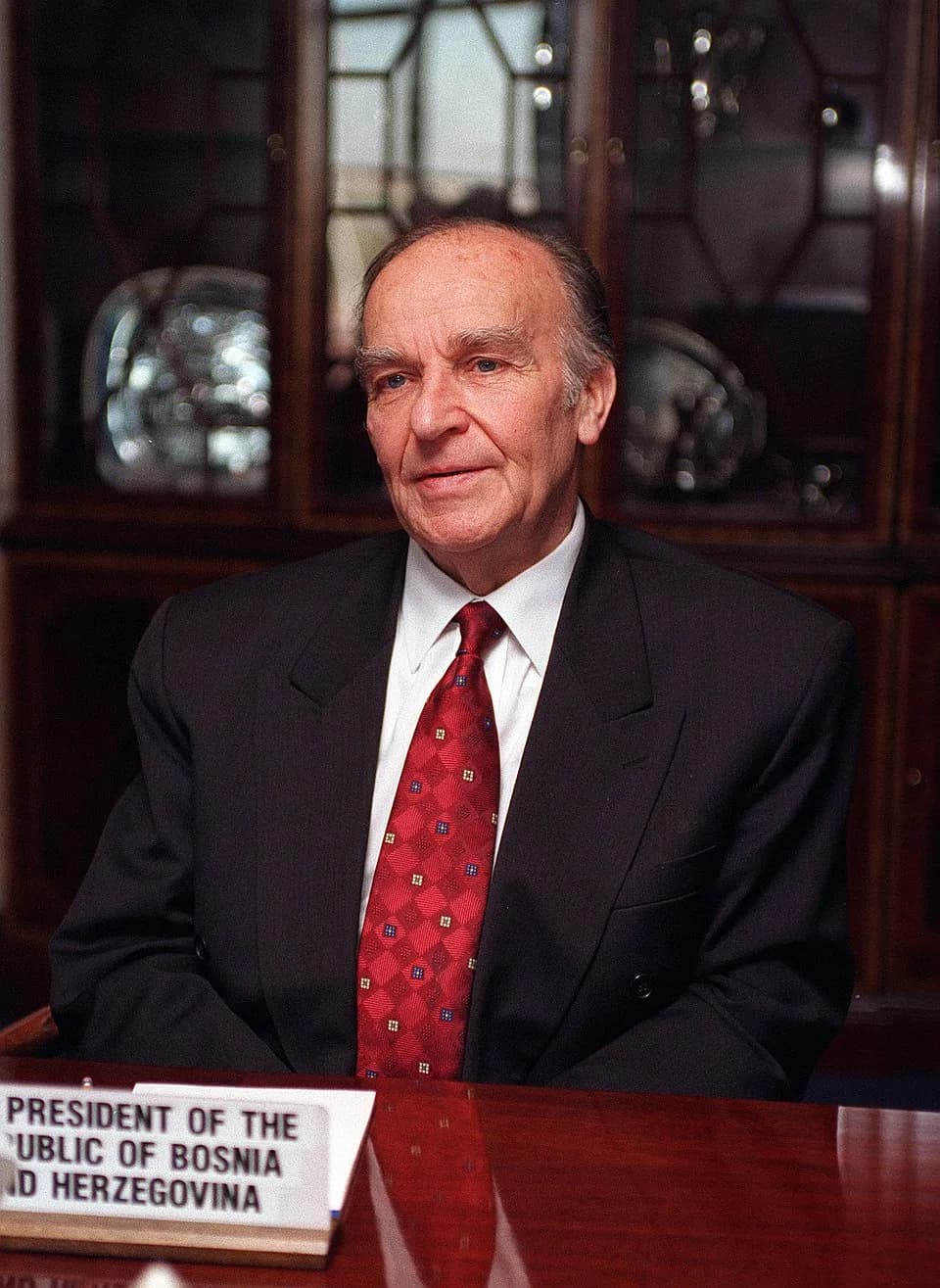
Alija Izetbegović (August 8, 1925 – October 19, 2003) was a Bosnian politician, lawyer, and philosopher. He served as the first president of the presidency of the Republic of Bosnia and Herzegovina, leading the nation during crucial periods. His leadership was instrumental in establishing independent Bosnia and Herzegovina.
මොහොතවල ජීවිතයක්
ජීවිතයක් හැඩගස්වූ මොහොත
පරිච්ඡේදය
ජීවන පරිච්ඡේද
පරිච්ඡේදය 1 · 1925· පරිච්ඡේදය 1 of 6
Early Life and Origins
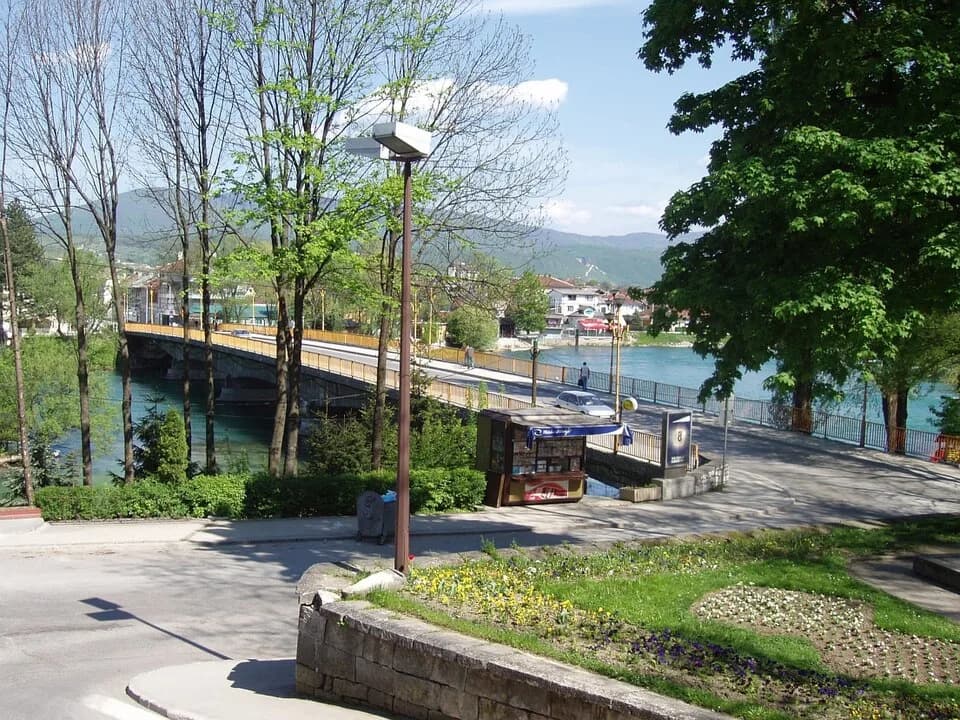
Alija Izetbegović was born in Šamac, a town located in Bosnia and Herzegovina, on August 8, 1925. His early life unfolded against the backdrop of a region that would later see significant historical shifts. These foundational years shaped his perspectives and future engagements with societal and political issues.
පරිච්ඡේදය 2· පරිච්ඡේදය 2 of 6
Career Beginnings
Before his prominent political roles, Alija Izetbegović engaged in various professional pursuits, notably as a writer and a lawyer. He also worked as a political commissar and dedicated himself to philosophy. These formative experiences contributed to his intellectual development and understanding of governance.
පරිච්ඡේදය 3 · 1990· පරිච්ඡේදය 3 of 6
Major Achievements and Career Highlights
Alija Izetbegović emerged as a crucial figure during the tumultuous period of the early 1990s. He served as the president of the presidency of the Republic of Bosnia and Herzegovina from 1990 to 1996, guiding the nation through its declaration of independence. His political efforts laid the groundwork for the modern Bosnian state.
Following this, he continued his leadership as the first chairman of the presidency of Bosnia and Herzegovina, holding this position from 1996 to 1998, and briefly again in 2000. Additionally, Izetbegović was the founder and first president of the Party of Democratic Action, a major political force in Bosnia and Herzegovina. These roles demonstrate his enduring commitment to his country's political future.
පරිච්ඡේදය 4 · 1985· පරිච්ඡේදය 4 of 6
Notable Works or Contributions
As a prolific author and Islamic philosopher, Alija Izetbegović left a substantial body of written work. His most acclaimed work, "Islam Between East and West," originally published in 1985, explored the complex relationship between these two civilizations. This seminal book garnered 29 citations, marking it as a significant academic contribution.
Other notable works include "Inescapable Questions: Autobiographical Notes" (2002) and "Izetbegovic of Bosnia and Herzegovina: Notes from Prison, 1983-1988" (2002), which provided personal insights into his experiences and reflections. He also authored "The Islamic declaration," a key text outlining his philosophical and political views. His bibliography further includes titles such as "Islām bayn-i dū dīdgāh," "Sharq va Gharb," "Doğu ve Batı arasında İslâm," and "L'islam entre l'Est et l'Ouest," many of which are variations or translations of his core philosophical inquiries.
His contributions extend to works like "Khāṭirāt-i ʻAlī ʻIzzat Bigūvīch," "Poruka sebi," "Tajna zvana Bosna," "Al Izetbegovic," "Godina rata i mira," and "Govori, intervjui, izjave i pisma 1998." These writings collectively showcase his broad intellectual interests and his dedication to articulating his thoughts on society, religion, and politics. His literary output reflected his deep engagement with the challenges facing his nation and the wider world.
පරිච්ඡේදය 5 · 2003· පරිච්ඡේදය 5 of 6
Later Years
In his later years, Alija Izetbegović continued to shape the political landscape of Bosnia and Herzegovina, serving again as chairman of the presidency. He remained a respected figure, offering wisdom and experience to the newly independent state. He passed away in Sarajevo, Bosnia and Herzegovina, on October 19, 2003.
පරිච්ඡේදය 6· පරිච්ඡේදය 6 of 6
Legacy and Impact
Alija Izetbegović's legacy is intricately tied to the modern history of Bosnia and Herzegovina, a nation he helped shepherd into existence. His leadership during the challenging years of the 1990s was instrumental in establishing the country's sovereignty and democratic institutions. He is remembered as a statesman who bravely navigated a complex geopolitical environment.
Beyond his political achievements, his work as an Islamic philosopher and author continues to influence intellectual discourse. His writings explored universal themes of identity, religion, and the human condition. He left behind a body of thought that encourages reflection on the interplay between diverse cultures and belief systems.
නිතර අසන පැන
නිතර අසන
Alija Izetbegović මිය ගියේ කවදාද?
Alija Izetbegović 2003 වප් 19 දින Sarajevo, Bosnia and Herzegovina හිදී වයස අවුරුදු 78දී මිය ගියේය.
Alija Izetbegović උපන්නේ කොහේද?
Alija Izetbegović Šamac, Bosnia and Herzegovina හි 1925 නිකිණි 8 දින උපන්නේය.
Alija Izetbegović වඩාත් ප්රසිද්ධ වන්නේ කුමක්ට ද?
Alija Izetbegović වඩාත් ප්රසිද්ධ වන්නේ Bosnian politician, lawyer, philosopher and author සඳහාය.
මිය යන විට Alija Izetbegovićගේ වයස කොපමණද?
මිය යන විට Alija Izetbegovićගේ වයස අවුරුදු 78 විය.
Alija Izetbegovićගේ ජාතිකත්වය කුමක්ද?
Alija Izetbegović Bosnia and Herzegovina වෙතින් පැමිණියේය.
කාලරේඛාව
ජීවිතය එක බැල්මකින්
ඡායාරූප ගැලරිය
චිත්රවල ජීවිතයක්
විස්තාරණය කිරීමට ඕනෑම පොලරොයිඩ් එකක් ක්ලික් කරන්න · ඡායාරූප 47
QR කේතය
මෙම චරිතාපදානය බෙදාගන්න
මුද්රණය හා බෙදාගැනීම
මෙම චරිතාපදාන පිටුව නැරඹීමට ස්කෑන් කරන්න. උත්සව, ප්රදර්ශන, හෝ අධ්යාපන ද්රව්ය සඳහා මුද්රණය කරන්න.