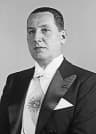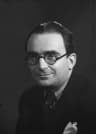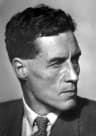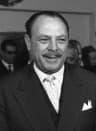
Født
July 7, 1901
Sora, Italy
Døde
November 13, 1974
Neuilly-sur-Seine, France
Kjent for
Italian film director
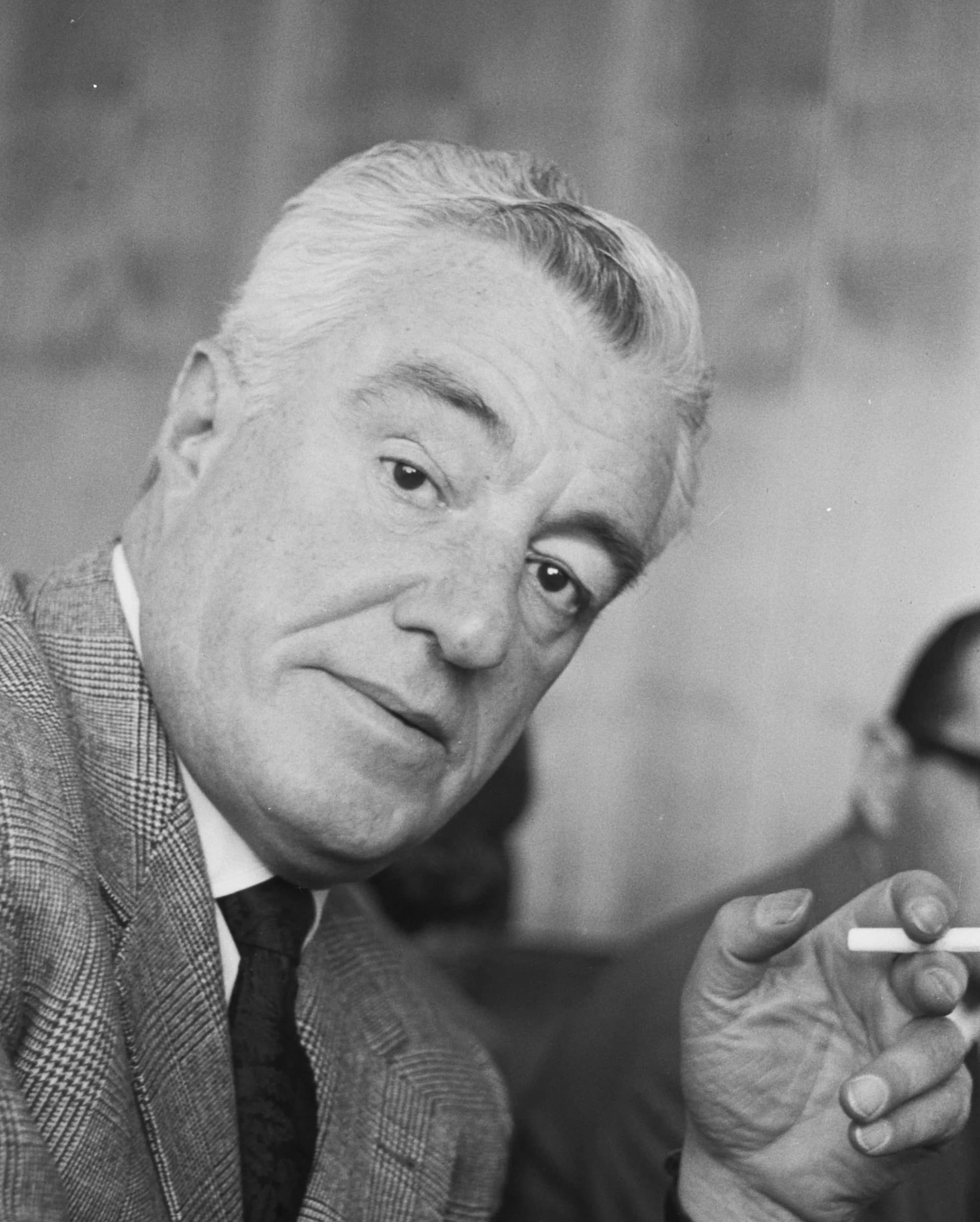
Vittorio De Sica (1901-1974) was an Italian film director and actor from Sora, Italy. He became a leading figure in the neorealist movement, creating masterpieces like "Bicycle Thieves" that portrayed ordinary people with extraordinary compassion. His authentic approach to filmmaking continues to influence cinema worldwide.
Kapittel
Livets kapitler
Kapittel 1 · 1901· Kapittel 1 av 7
Early Life and Origins
Vittorio De Sica was born on July 7, 1901, in the small town of Sora, located in the Lazio region of central Italy. Growing up in early 20th century Italy, De Sica witnessed firsthand the social and economic changes that would later influence his artistic vision. His formative years in this traditional Italian setting provided him with deep insights into the lives of ordinary people, experiences that would prove essential to his later success as a filmmaker.
Kapittel 2· Kapittel 2 av 7
Career Beginnings
De Sica's entry into the entertainment world began through his work as a stage actor, where he developed his understanding of performance and storytelling. His early experience in theater provided him with valuable skills in directing actors and understanding dramatic structure. This foundation in live performance would later distinguish his approach to filmmaking, as he brought a unique sensitivity to working with both professional and non-professional actors.
Kapittel 3· Kapittel 3 av 7
Major Achievements and Career Highlights
De Sica's most celebrated achievement was his mastery of neorealist cinema, a movement that sought to portray life with unprecedented authenticity and social consciousness. His films captured the struggles of post-war Italy with remarkable honesty and compassion. Working as both director and actor, De Sica brought a performer's understanding to his directorial work, creating films that resonated with audiences worldwide.
Among his most acclaimed works, "Bicycle Thieves" stands as a masterpiece of world cinema, telling the story of a working-class man whose stolen bicycle threatens his family's survival. "Miracle in Milan" showcased his ability to blend social realism with elements of fantasy and hope. These films established De Sica as one of cinema's most important voices, earning him recognition from critics and audiences across the globe.
Kapittel 4 · 1974· Kapittel 4 av 7
Personal Life
Throughout his career, De Sica maintained strong connections to his Italian roots while also working internationally. His personal experiences with the social and economic upheavals of 20th century Italy deeply informed his artistic choices. He spent his final years continuing to work on various projects, eventually passing away on November 13, 1974, in Neuilly-sur-Seine, France.
Kapittel 5 · 1978· Kapittel 5 av 7
Notable Works and Contributions
De Sica's filmography spans several decades and includes works that continue to be studied and celebrated today. Beyond "Bicycle Thieves" and "Miracle in Milan," his body of work includes "Il Generale Della Rovere" and various other productions that showcased his versatility as a filmmaker. His later career included appearances in films such as "Blood for Dracula" (1978) and "We All Loved Each Other So Much" (1977), demonstrating his continued relevance in cinema even in his final years.
His approach to filmmaking emphasized the use of non-professional actors, real locations, and stories drawn from everyday life. This methodology became a hallmark of the neorealist movement and influenced countless filmmakers who followed. De Sica's ability to find profound meaning in simple human situations set him apart as a storyteller of exceptional sensitivity.
Kapittel 6 · 1977· Kapittel 6 av 7
Later Years
In his final decade, De Sica continued working on various projects, including films like "Hector the Mighty" (1977) and "Un sorriso, uno schiaffo, un bacio in bocca" (1976). His dedication to his craft remained strong even as he aged, and he continued to explore themes of human dignity and social justice. His work during this period showed his evolution as an artist while maintaining the core principles that had defined his career.
Kapittel 7· Kapittel 7 av 7
Legacy and Impact
Vittorio De Sica's influence on cinema extends far beyond his own films. As a pioneer of neorealism, he helped establish a new language of filmmaking that prioritized authenticity and social awareness over commercial considerations. His techniques and philosophies continue to inspire filmmakers around the world who seek to create meaningful, socially conscious cinema.
His films remain essential viewing for anyone interested in understanding the development of modern cinema. The emotional honesty and technical innovation he brought to filmmaking continue to serve as a model for directors who want to combine artistic excellence with social relevance. De Sica's legacy lives on through the countless filmmakers he has influenced and the timeless stories he brought to the screen.
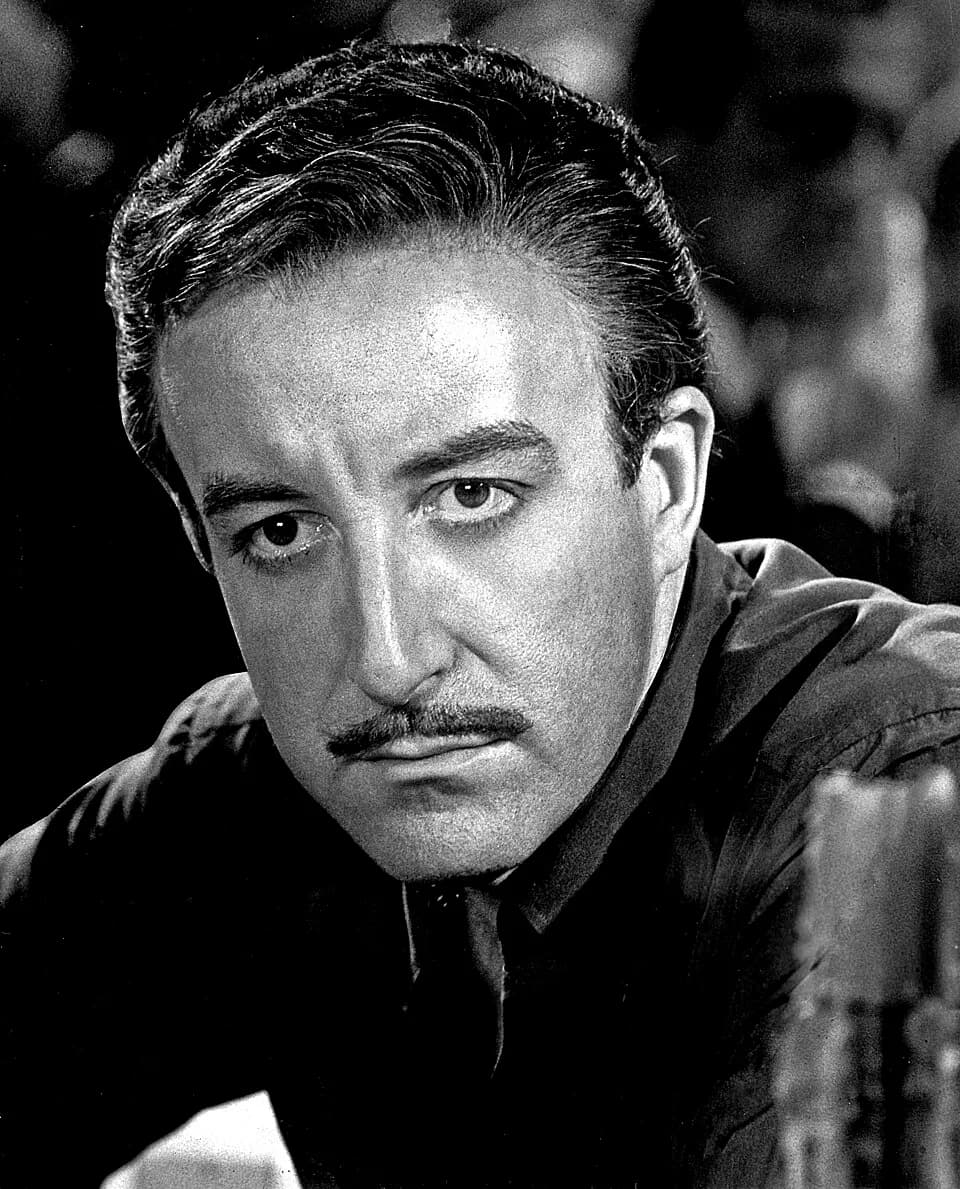
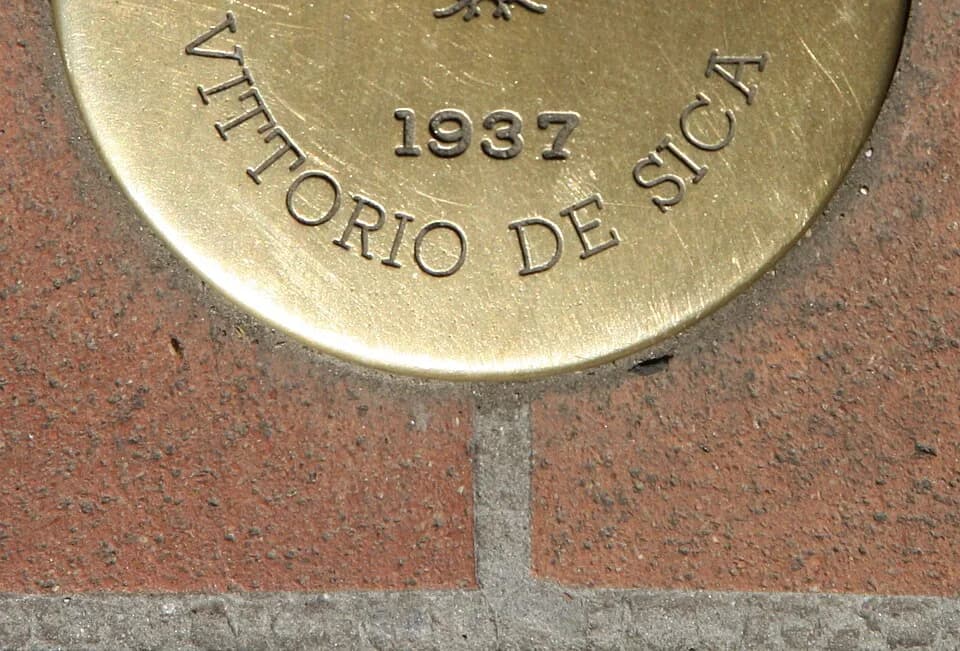
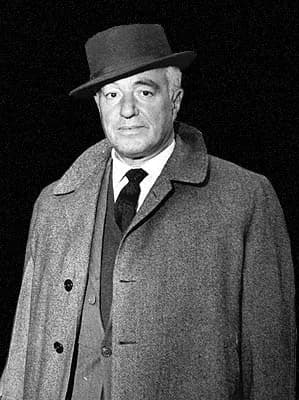
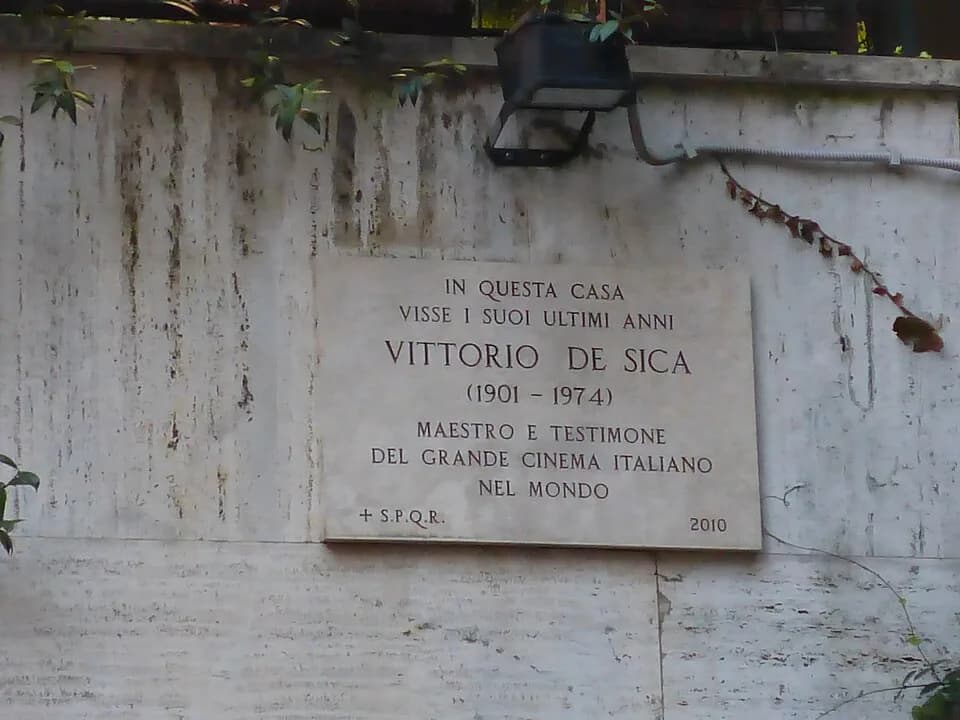
Et liv i øyeblikk
Øyeblikkene som formet et liv
Vanlige spørsmål
Vanlige spørsmål
Når døde Vittorio De Sica?
Vittorio De Sica døde 13. november 1974 i Neuilly-sur-Seine, France, 73 år gammel.
Hvor ble Vittorio De Sica født?
Vittorio De Sica ble født i Sora, Italy 7. juli 1901.
Hva er Vittorio De Sica mest kjent for?
Vittorio De Sica er mest kjent for Italian film director.
Hvor gammel var Vittorio De Sica ved døden?
Vittorio De Sica var 73 år gammel ved dødsfallet.
Hvilken nasjonalitet hadde Vittorio De Sica?
Vittorio De Sica kom fra Italy.
Tidslinje
Et liv i et øyekast
Fotogalleri
Et liv i bilder
Klikk på et hvilket som helst polaroidbilde for å forstørre · 45 fotografier
QR-kode
Del denne biografien
Skriv ut og del
Skann for å besøke denne biografisiden. Skriv ut for arrangementer, utstillinger eller undervisningsmateriell.