Født
November 19, 1493
Egg, Switzerland
Døde
October 4, 1541
Salzburg, Austria
Kjent for
Swiss physician, philosopher, theologian, and alchemist (c. 1493–1541)
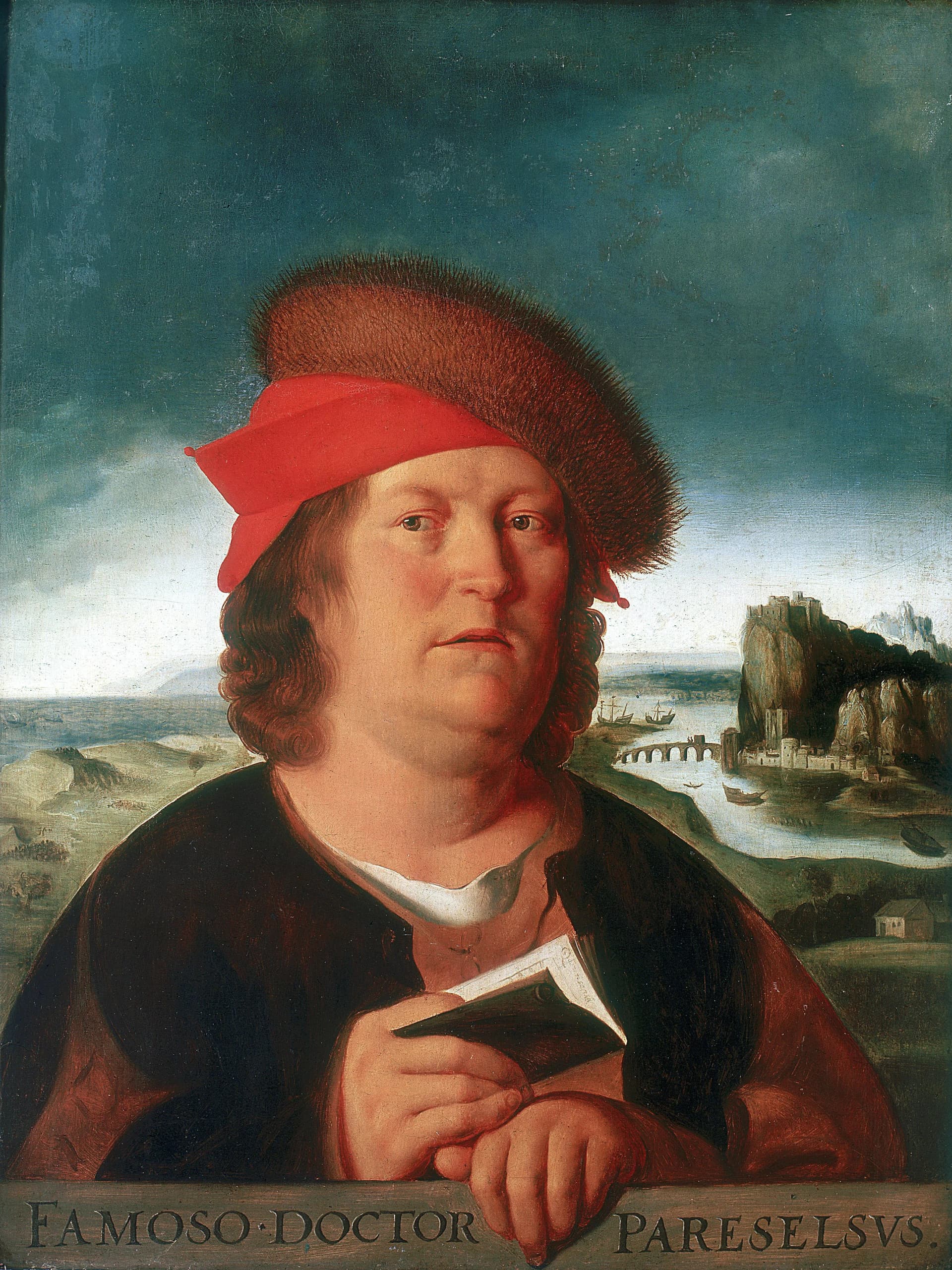
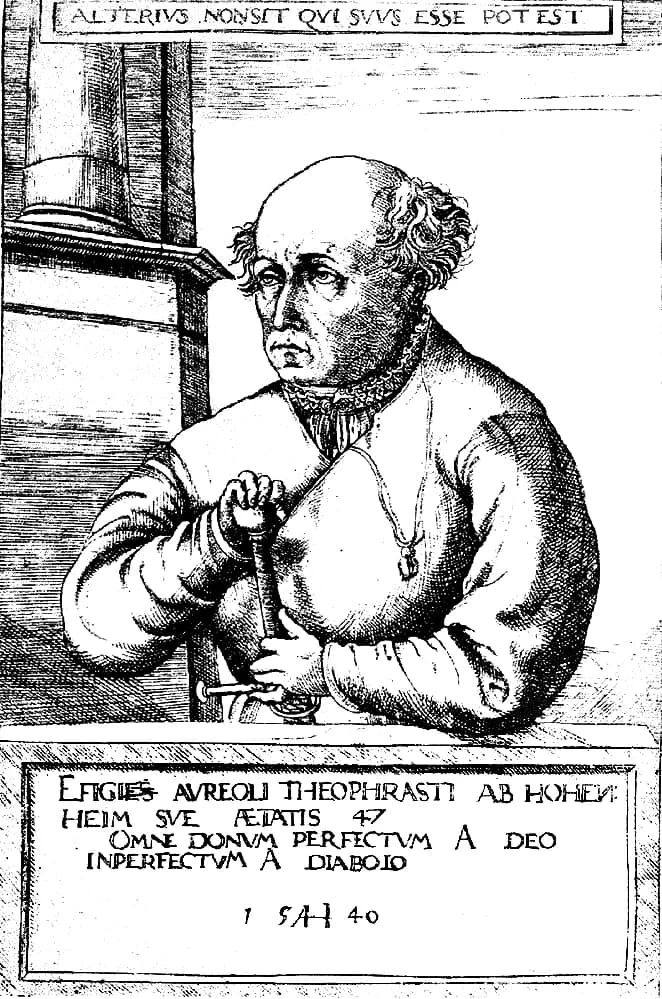
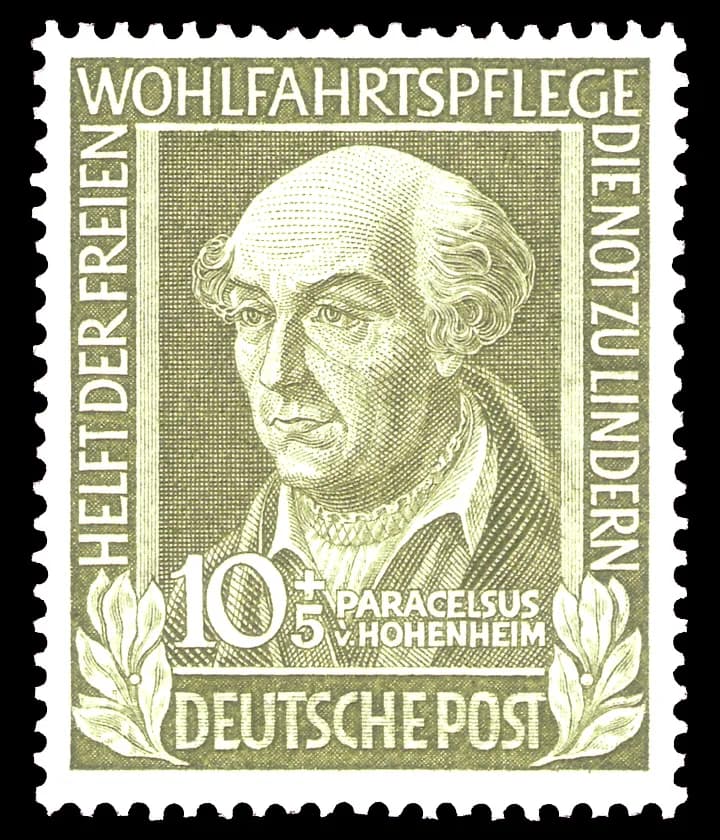
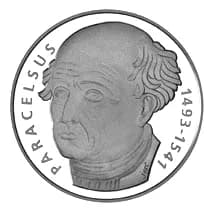
Paracelsus Paracelsus (November 19, 1493 – October 4, 1541) was a Swiss physician, philosopher, and alchemist of the German Renaissance. He challenged traditional medical practices, integrating chemistry into medicine and advocating for empirical observation. His visionary contributions laid crucial groundwork for modern pharmacology, profoundly influencing scientific thought.
Et liv i øyeblikk
Øyeblikkene som formet et liv
Kapittel
Livets kapitler
Kapittel 1 · 1493· Kapittel 1 av 6
Early Life and Origins
The journey of Paracelsus Paracelsus commenced in the serene yet intellectually vibrant surroundings of Egg, Switzerland, where he entered the world on November 19, 1493. His formative years in this alpine region likely instilled in him a profound connection to nature, sparking an early fascination with the healing properties inherent in plants, minerals, and the environment. This upbringing, far from the rigid academic centers, fostered an independent spirit and a unique perspective on the interaction between human health and the natural world. He was educated in an era where alchemy and medicine were closely intertwined, traditions that would profoundly influence his later professional calling.
His studies and travels during his youth were instrumental in shaping his radical views on medicine and science. He consciously moved away from the dogmatic teachings prevalent in universities, choosing instead a path of experiential learning and direct observation. This commitment to acquiring knowledge firsthand, by studying local remedies and engaging with folk traditions, gave him an unparalleled insight into practical medicine. It was during these early experiences that he began to develop his characteristic skepticism towards ancient authorities and his advocacy for new, observation-based methodologies.
Kapittel 2· Kapittel 2 av 6
Career Beginnings
Paracelsus's professional path began with a bold rejection of traditional medical practices, positioning him as a dissenting voice against the entrenched humoral theory that had dominated Western medicine for centuries. He fearlessly adopted the mantle of physician, alchemist, and philosopher, viewing these disciplines not as separate entities but as integrated components of a grander quest for understanding life and healing. His initial work was characterized by a relentless pursuit of empirical truth, often through extensive travel and engagement with various healers and learned individuals across Europe. He sought to discover new remedies and fundamental truths about disease through practical experimentation rather than relying solely on classical texts.
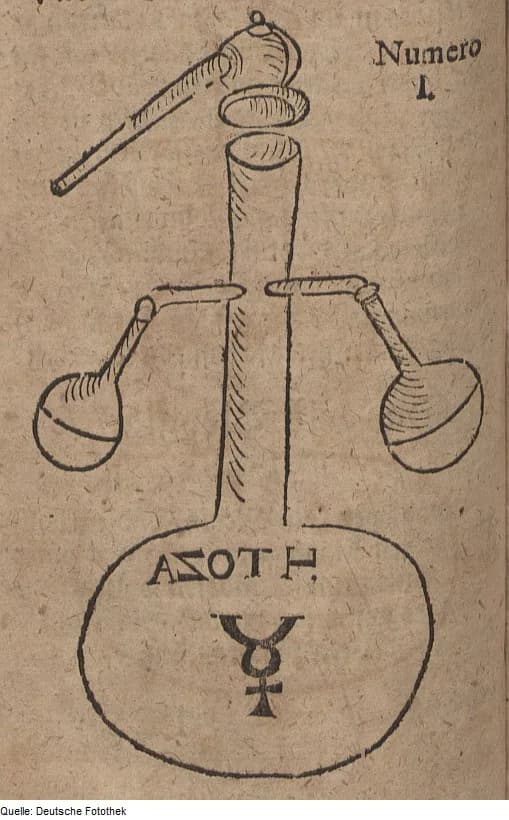
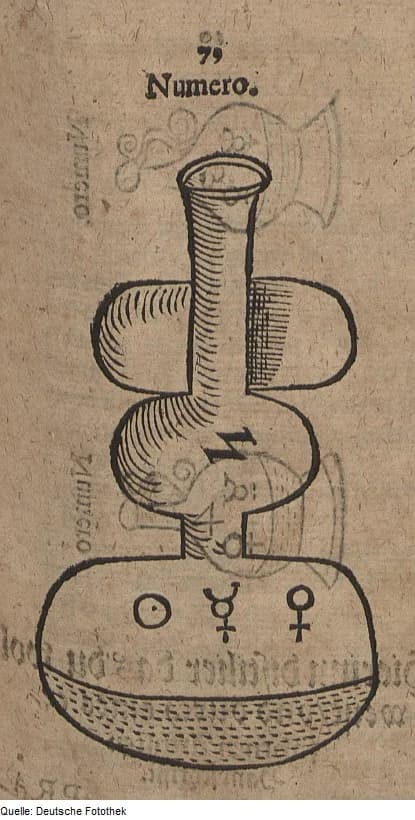
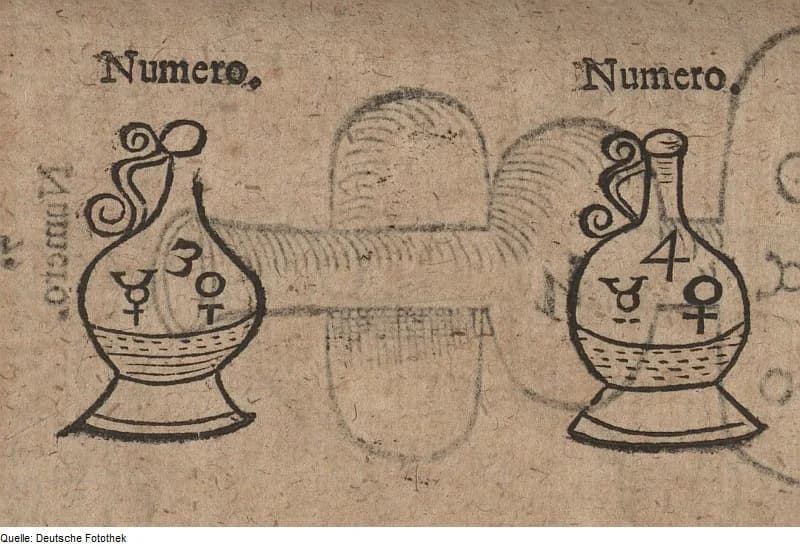
His dedication to the art of alchemy was particularly significant in his early career, transforming it from a pursuit of gold into a sophisticated method for preparing medicinal substances. Paracelsus championed the idea that the true purpose of alchemy was to create medicines, not merely to transmute metals, thereby laying critical groundwork for modern pharmacy and chemistry. This pioneering approach allowed him to develop new pharmaceutical compounds and redefine the scope and utility of chemical processes in medical treatment. He saw chemistry as a vital tool for extracting the "quintessence" of substances, believing that understanding these essences was key to unlocking effective cures.
Kapittel 3· Kapittel 3 av 6
Major Achievements and Career Highlights
Throughout his impactful career, Paracelsus distinguished himself across an impressive array of professions, including physician, philosopher, theologian, and alchemist, consistently challenging the boundaries of established knowledge. His diverse expertise also encompassed roles as an astronomer, writer, naturalist, pharmacist, astrologer, and chemist, showcasing a truly interdisciplinary mind far ahead of its time. He revolutionized medical practice by advocating for a personalized approach to patient care, emphasizing the intricate connection between an individual's constitution, their environment, and the celestial influences. This integrated perspective reflected his deep understanding of nature as a complex system.
Paracelsus's most significant contribution to medicine was his pioneering integration of chemistry into medical theory and practice, a major departure from the traditional Galenic and Hippocratic humoral theories. He meticulously applied chemical principles to identify the underlying causes of diseases and to formulate new remedies, effectively establishing the foundations of iatrochemistry. His insistence on direct observation and experimentation, coupled with his development of mineral-based medicines, marked a transformative shift in pharmacology. He was instrumental in introducing concepts such as toxicology – recognizing that the dose makes the poison – a fundamental principle in modern medicine. His bold critiques of conventional medical education and his emphasis on practical experience over theoretical dogma profoundly influenced the development of medical science for centuries to come.
Kapittel 4· Kapittel 4 av 6
Notable Works and Contributions
Paracelsus bequeathed to posterity a monumental body of written work, which serves as a powerful testament to his expansive intellect and progressive philosophical and medical theories. His "Œuvres complètes" stands as a comprehensive collection, encompassing the vast range of his thoughts across diverse intellectual territories. Demonstrating his deep interest in prognostication and the interpretation of future events, he meticulously authored "Prognostication auff xxiiii. Jar zukünfftig" and "Ausslegung der Figuren," exploring the symbolic meanings within cosmic and terrestrial patterns. His profound connection to the natural world was beautifully captured in "Botánica oculta," where he explored the unseen virtues and medicinal properties of plants. Furthermore, his dedicated efforts to address public health crises are evident in "Vom Vrsprung der Pestilentz vnd jhren zufallenden Kranckheiten," a crucial treatise on the origins and therapeutic strategies for the plague.
His intellectual curiosity extended beyond natural science and medicine into the societal and ethical dimensions of his era, as demonstrated by his "Sozialethische und sozialpolitische schriften." In these works, he engaged with contemporary issues, offering insights into human behavior and the organization of communities. Paracelsus's pioneering work in alchemy, which he redefined for medicinal purposes, is extensively documented in "Of the chymical transmutation, genealogy and generation of metals & minerals." This treatise delves into his theories regarding the transformation of substances and the generation of natural resources. Additionally, his philosophical and poetic inclinations shine through in "Canto della montagna" and "The secrets of physick and philosophy," where he explored the profound mysteries of existence and shared his unique wisdom. Finally, "Le prognostic de Paracelse" reiterated his role as a visionary, interpreting the intricate dance of planetary influences and their impact on human fate. Each of these works contributes to a deeper understanding of Paracelsus's revolutionary ideas and his lasting influence on scientific, medical, and philosophical thought.
Kapittel 5 · 1541· Kapittel 5 av 6
Later Years
Paracelsus's intensely active and influential life drew to a close on October 4, 1541, in the city of Salzburg, Austria, leaving behind a legacy that would continue to ignite intellectual discourse for centuries. Despite his relatively short lifespan of 47 years, his final years were characterized by continued prolific writing and the relentless refinement of his groundbreaking medical and philosophical theories. He persevered in his mission to reform medicine, even in the face of considerable opposition and controversy from the conservative medical establishment of his time. His unwavering commitment to his principles propelled him forward, always seeking deeper truths about health and the cosmos.
The period leading up to his death saw him consolidate many of his radical ideas into written form, ensuring their survival and dissemination to future generations. Though details of his personal life in Salzburg are sparse, his presence there marked the culmination of a journey filled with intellectual challenges and triumphs. His passing in Austria solidified his final connection to the broader Germanic cultural sphere, a region he both influenced and was influenced by throughout his career. Even in his later years, Paracelsus remained a figure of immense intellectual vitality, ceaselessly contributing to the fields he helped revolutionize.
Kapittel 6· Kapittel 6 av 6
Legacy and Impact
The intellectual contributions of Paracelsus Paracelsus profoundly reshaped the scientific and philosophical paradigms of the 16th century, leaving an indelible mark on subsequent generations and the trajectory of Western thought. As a visionary Swiss physician, philosopher, theologian, and alchemist, he courageously challenged the deeply ingrained medical doctrines, particularly the ancient humoral theory that had dominated for centuries. His revolutionary emphasis on direct observation, meticulous empirical study of nature, and the systematic application of chemistry to medicine laid crucial foundational elements for modern pharmacology and toxicology. He championed the radical notion that specific diseases possess distinct causes and, consequently, necessitate highly specific remedies, a concept that was truly groundbreaking for his era.
Paracelsus's profoundly interdisciplinary approach, which seamlessly blended elements of astronomy, practical philosophy, and clinical medicine, encouraged a more comprehensive and holistic understanding of health and the intricate human condition. His pioneering work inspired numerous intellectual movements that sought to integrate spiritual and physical well-being, directly influencing later figures who would contribute significantly to fields ranging from natural medicine to early psychology. Modern scholarship continues to diligently explore and reinterpret his vast and complex body of work, as evidenced by contemporary academic publications such as "Vita beata - vom seligen Leben" (2008) and "Pansophische, magische und gabalische Schriften" (2010). His enduring legacy is one defined by immense intellectual courage, an unyielding pursuit of knowledge, and an unwavering commitment to innovation that consistently resonates within the fields of medicine, chemistry, and philosophy, thereby underscoring his lasting and transformative importance in the annals of scientific history.
Tidslinje
Et liv i et øyekast
Fotogalleri
Et liv i bilder
Klikk på et hvilket som helst polaroidbilde for å forstørre · 46 fotografier
QR-kode
Del denne biografien
Skriv ut og del
Skann for å besøke denne biografisiden. Skriv ut for arrangementer, utstillinger eller undervisningsmateriell.