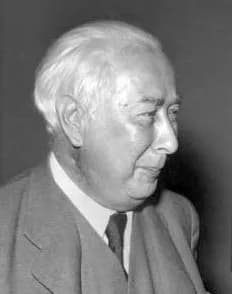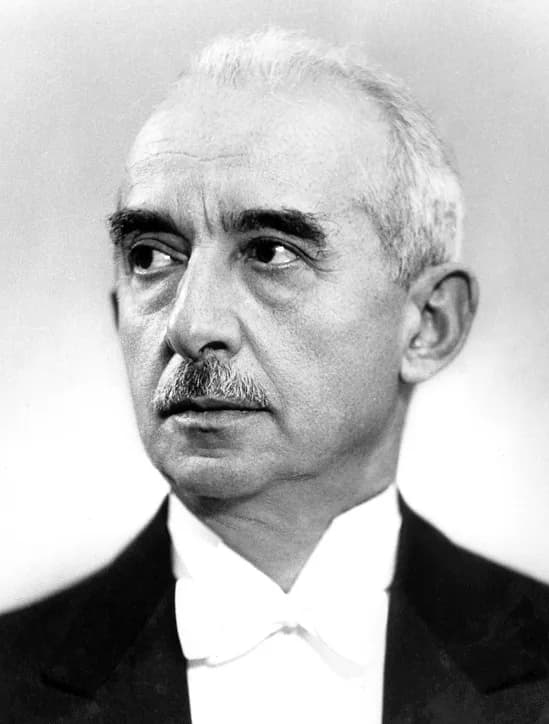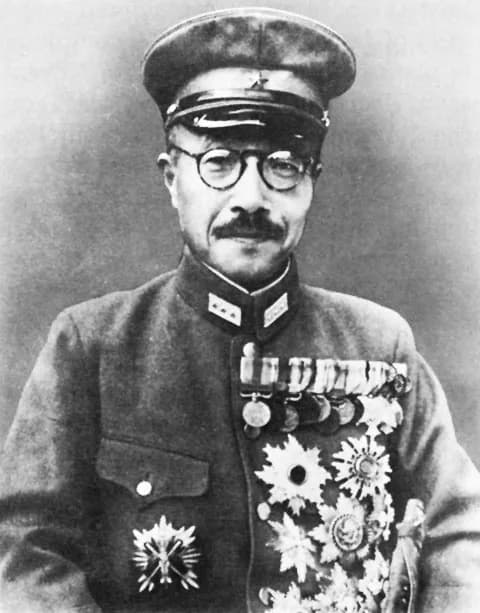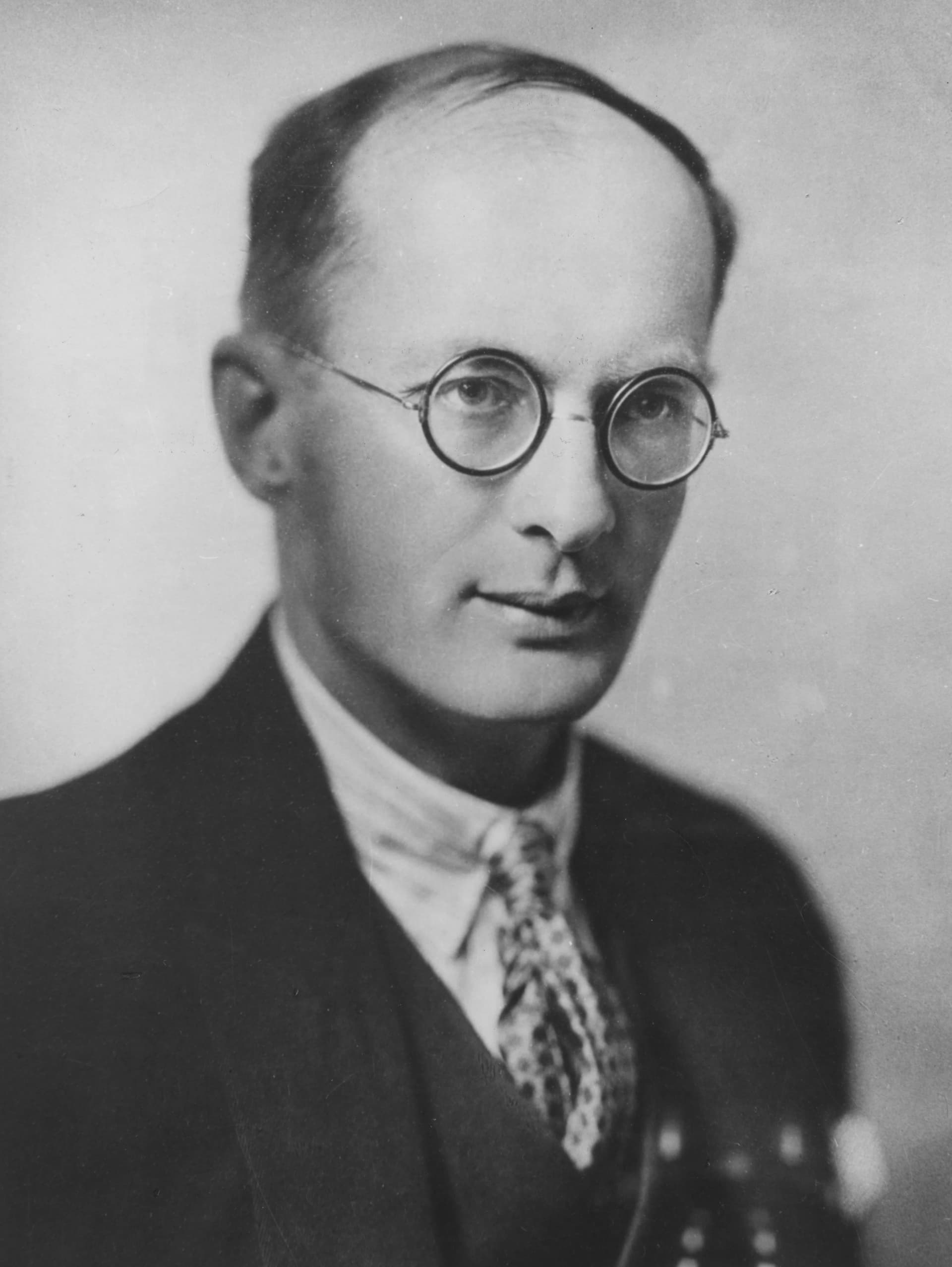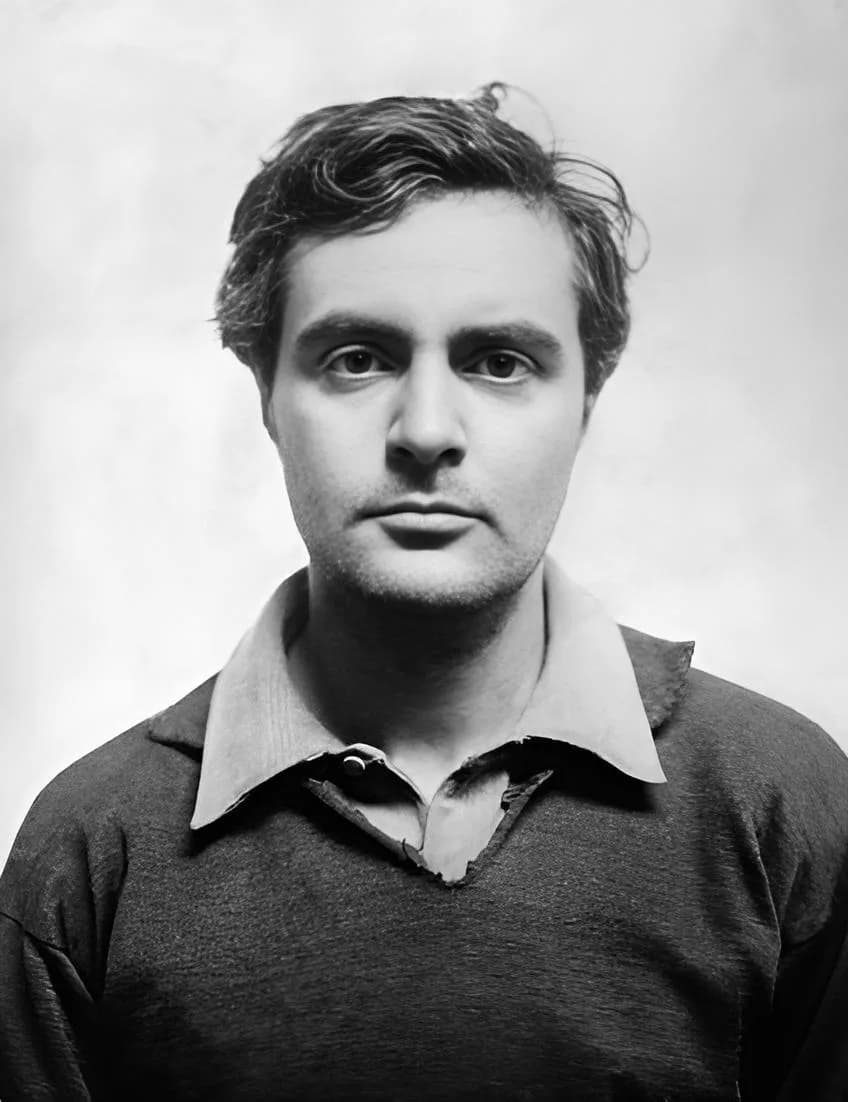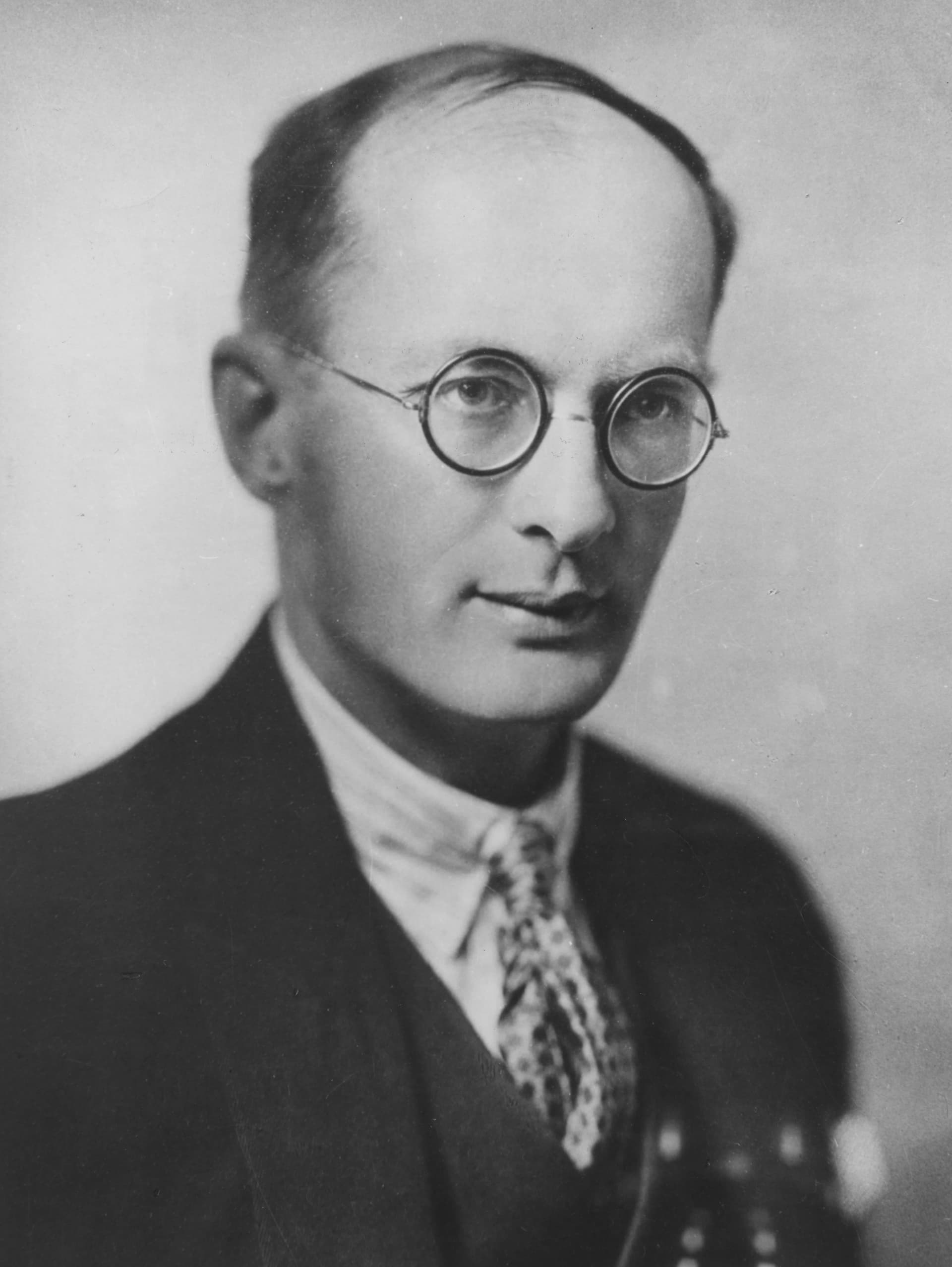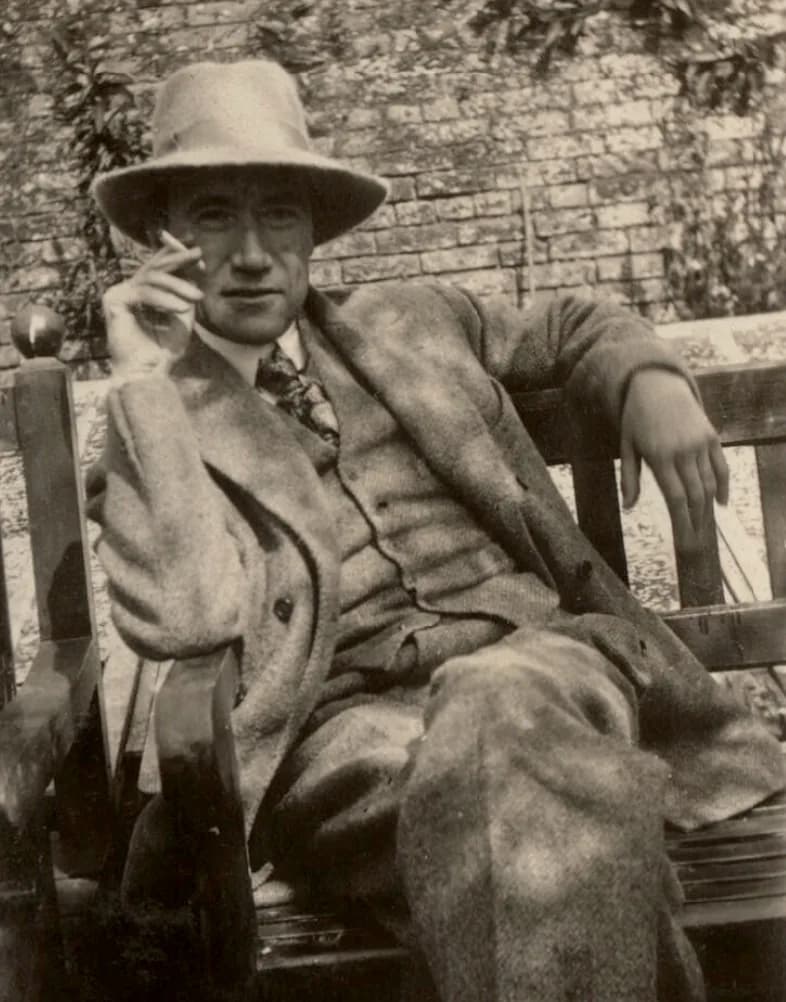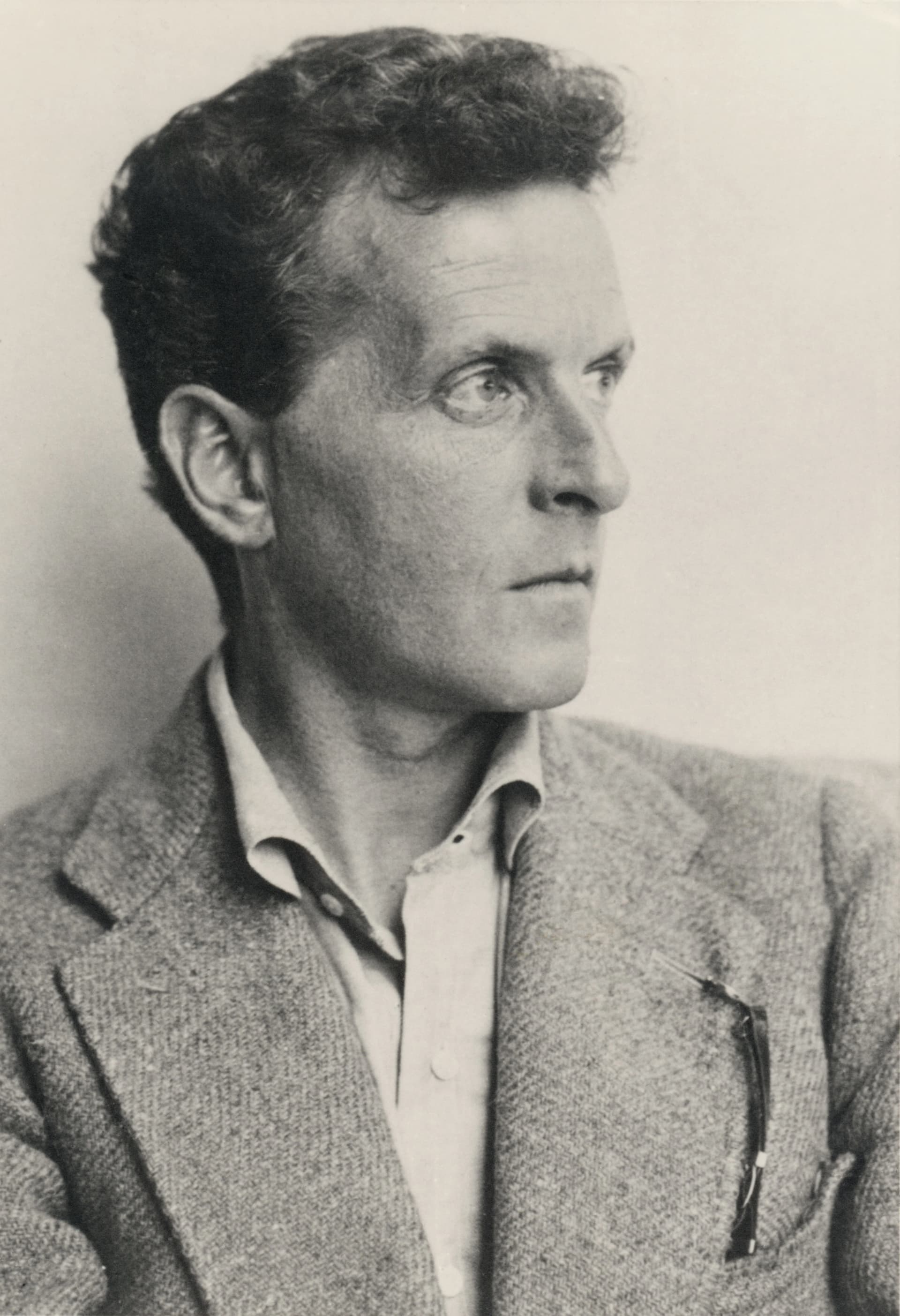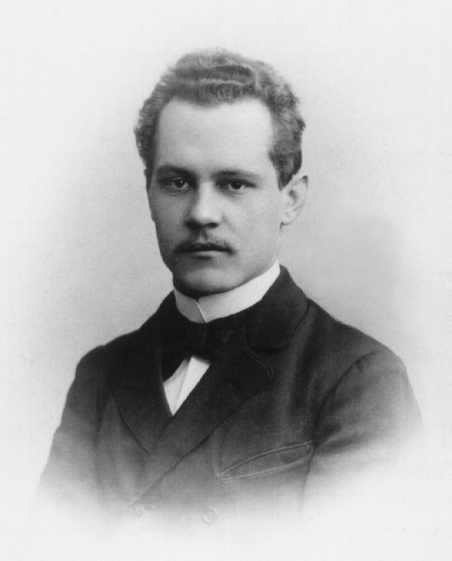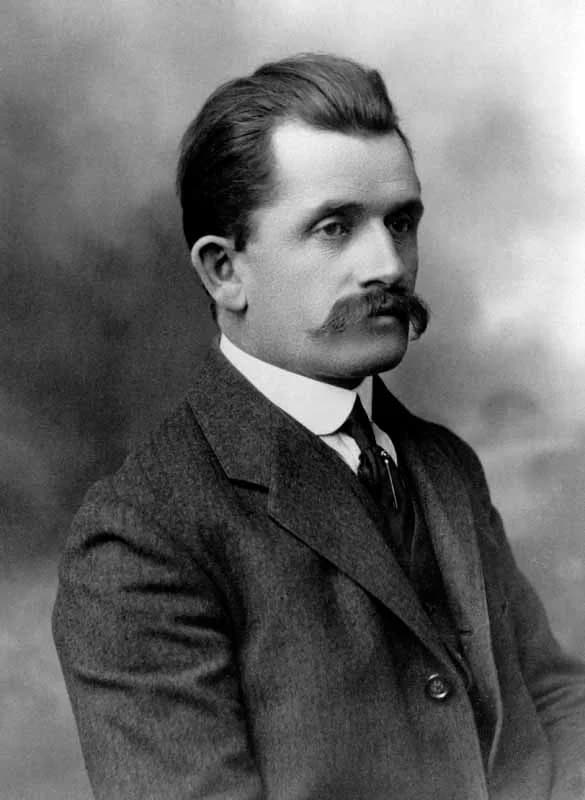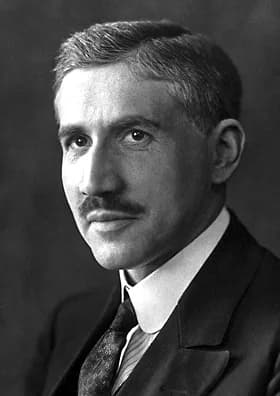
Født
April 12, 1884
Hanover, Germany
Døde
October 6, 1951
Philadelphia, United States
Kjent for
German biochemist
Otto Fritz Meyerhof (1884–1951) was Germany best known for German biochemist.
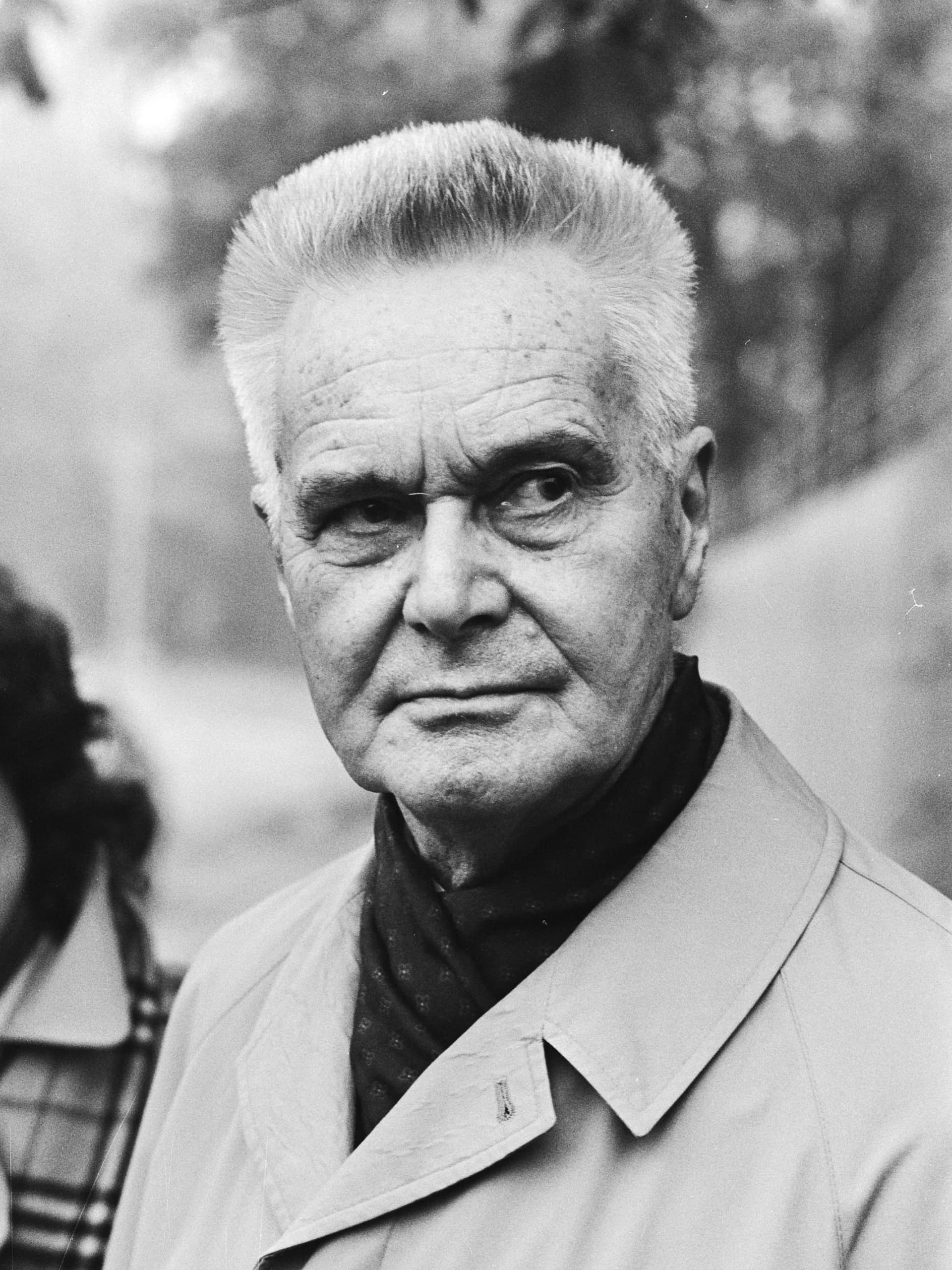
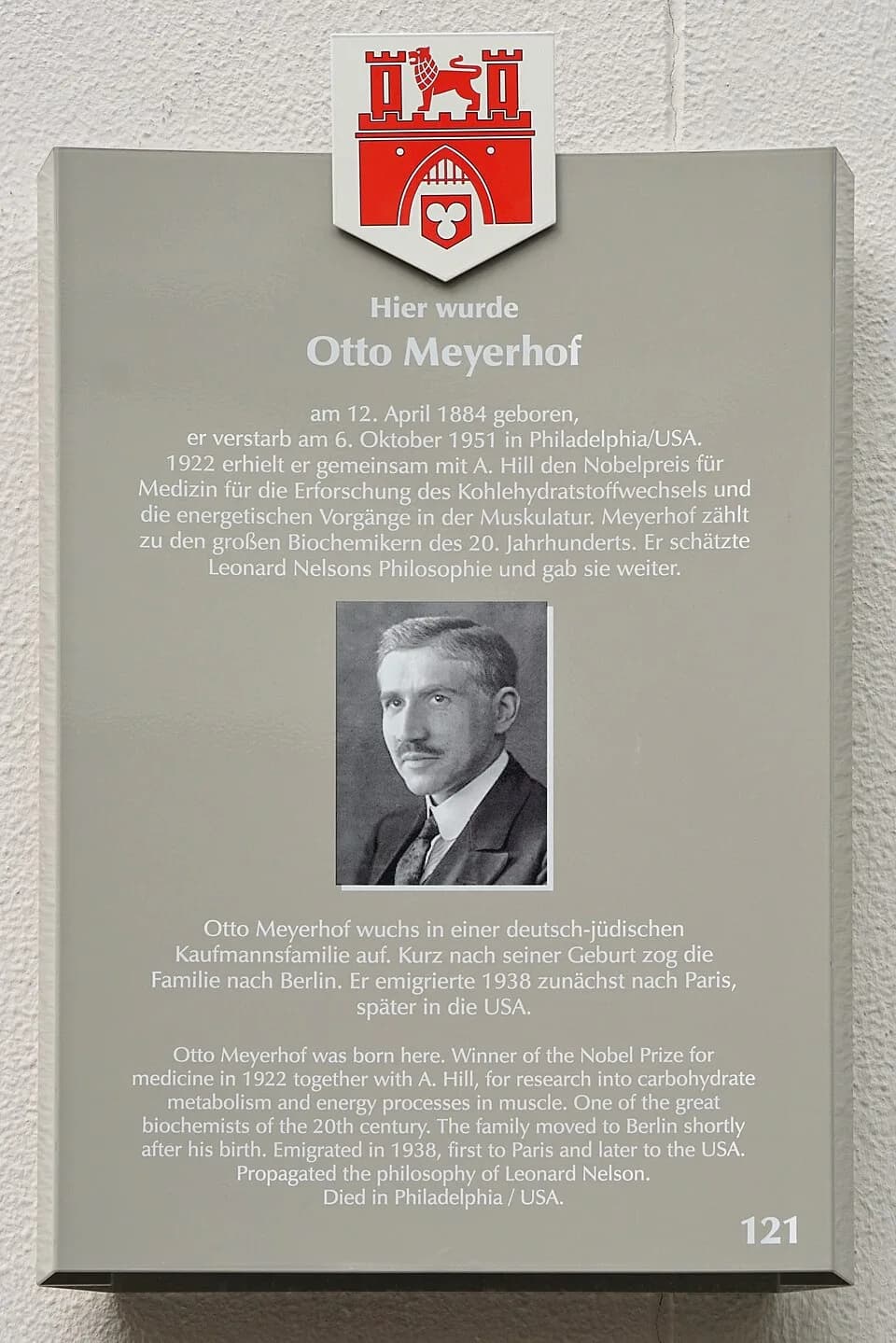
Otto Fritz Meyerhof (April 12, 1884 – October 6, 1951) was a German biochemist from Hanover, Germany. He won the 1922 Nobel Prize in Physiology or Medicine for his discoveries on muscle metabolism and oxygen consumption. His work established fundamental principles of biological energy conversion.
Et liv i øyeblikk
Øyeblikkene som formet et liv
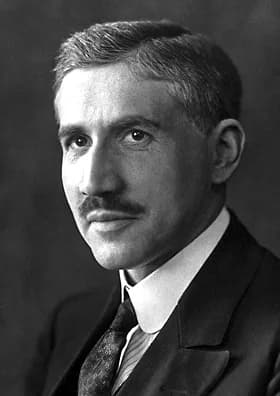
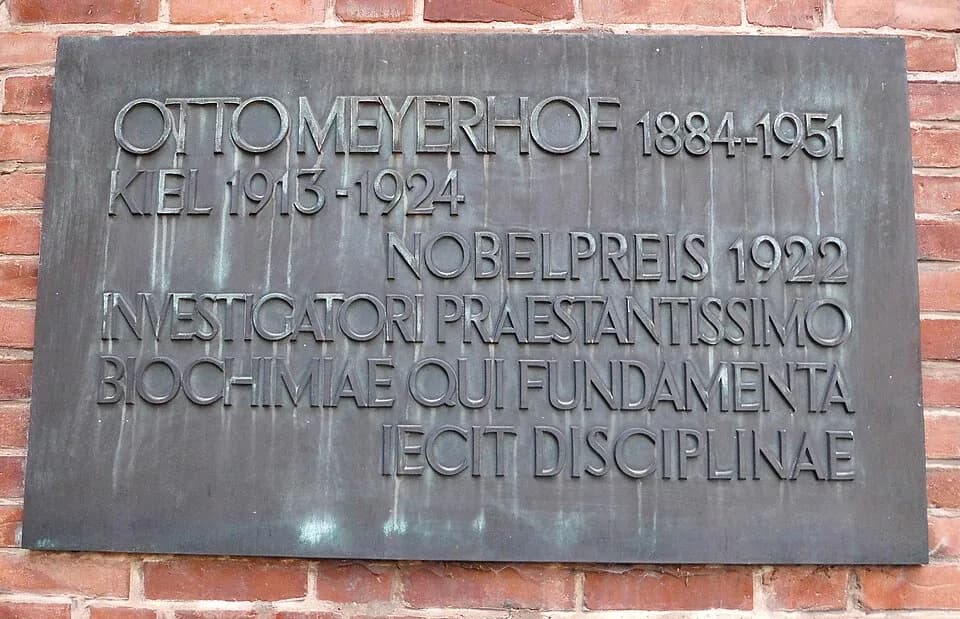
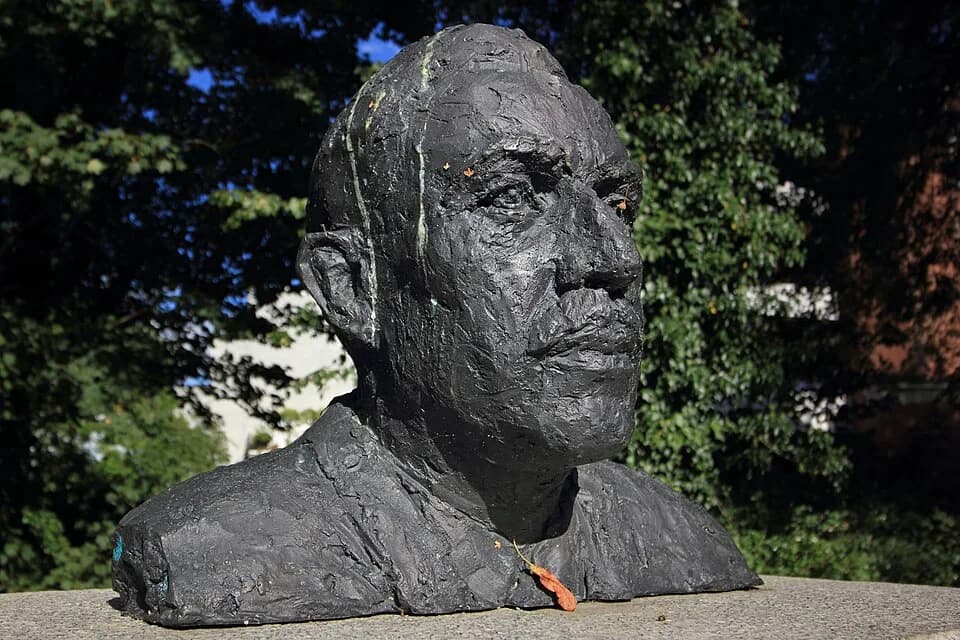
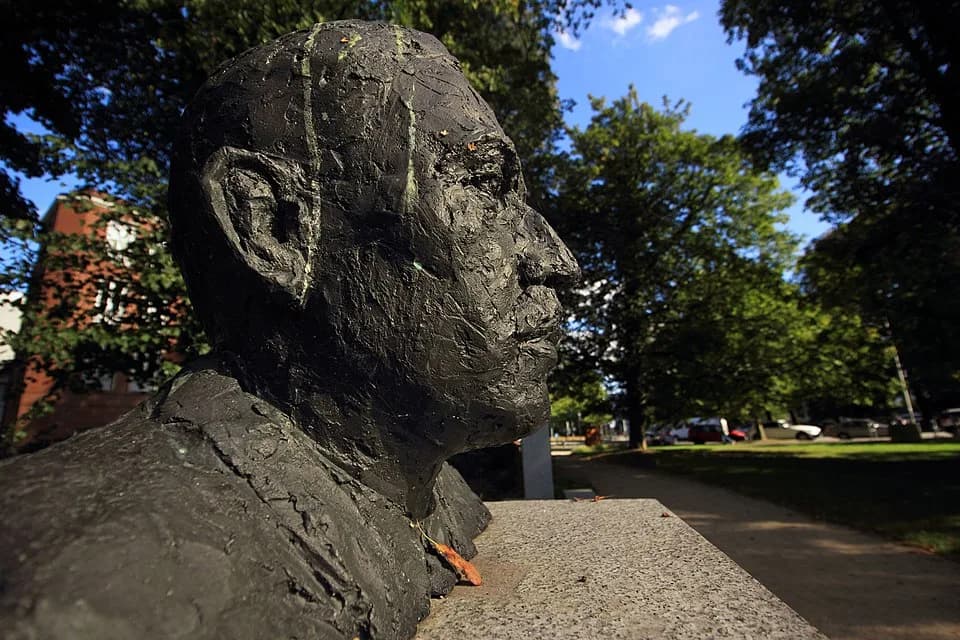
Kapittel
Livets kapitler
Kapittel 1 · 1884· Kapittel 1 av 7
Opening
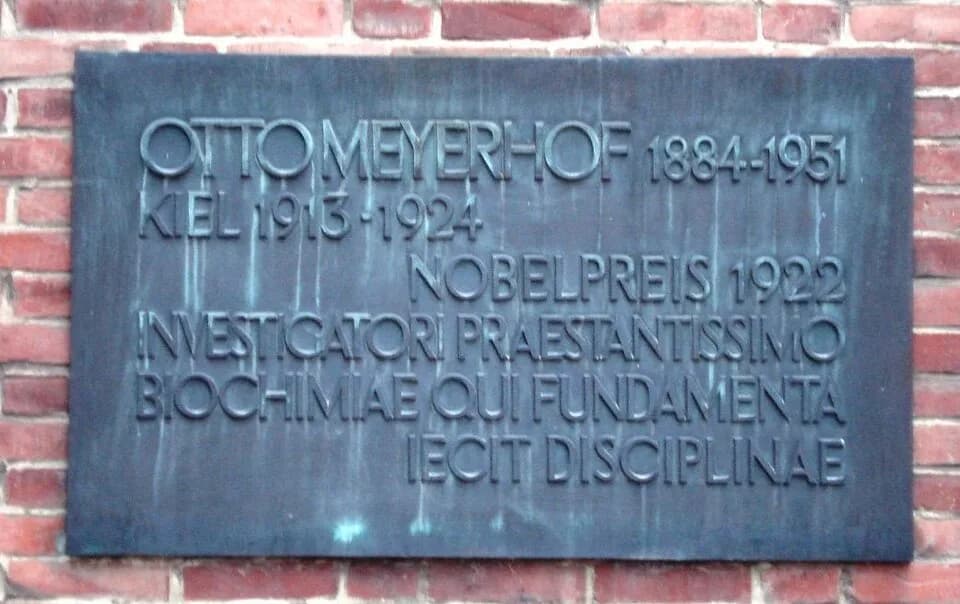
Otto Fritz Meyerhof (1884–1951) was a distinguished German biochemist whose remarkable research illuminated the intricate processes of muscle metabolism. Born in Hanover, Germany, and later concluding his life in Philadelphia, United States, Meyerhof's intellectual contributions profoundly shaped the understanding of how living organisms generate and utilize energy. His dedicated pursuit of scientific inquiry culminated in significant international recognition, including a Nobel Prize for his pivotal discoveries in physiology during 1922.
Kapittel 2 · 1884· Kapittel 2 av 7
Early Life and Origins
Otto Fritz Meyerhof began his journey on April 12, 1884, in the city of Hanover, Germany. His formative years in Germany provided the essential groundwork for a brilliant academic and scientific career that would span several decades. While specific details about his family life or childhood are not extensively provided in the historical record, his educational trajectory clearly prepared him for rigorous medical and scientific pursuits. This early environment fostered the intellectual curiosity and discipline necessary for his future groundbreaking work.
Kapittel 3· Kapittel 3 av 7
Career Beginnings
Meyerhof embarked on his professional path initially as a psychiatrist, a field demanding keen observation and analytical skills regarding the human mind. This early experience in medicine likely instilled in him a profound appreciation for the complex, interconnected nature of biological systems. He subsequently broadened his professional scope by becoming a respected university teacher, sharing his accumulating knowledge and scientific methodologies with aspiring scholars. His intellectual journey further led him to practice as a physiologist, meticulously studying the fundamental functions and mechanisms of living organisms before specializing in biochemistry.
Kapittel 4 · 1922· Kapittel 4 av 7
Major Achievements and Career Highlights
A crowning achievement in Otto Fritz Meyerhof's illustrious career was the receipt of the Nobel Prize in Physiology or Medicine in 1922. This esteemed global honor celebrated his extraordinary contributions to the fundamental understanding of biological energy processes. The Nobel Committee specifically recognized him "for his discovery of the fixed relationship between the consumption of oxygen and the metabolism of lactic acid in the muscle." This groundbreaking discovery provided indispensable insights into the intricate energetic dynamics governing muscle contraction and recovery. His pioneering work precisely detailed how these fundamental biochemical reactions power physical activity.
Kapittel 5· Kapittel 5 av 7
Notable Works or Contributions
Meyerhof's seminal research precisely established a clear and quantifiable link between oxygen uptake and lactic acid production within active muscles. Through meticulous experimentation, he demonstrated how these two critical processes are inextricably interconnected during various phases of muscular activity. His detailed findings elucidated how muscles generate energy under both oxygen-rich (aerobic) and oxygen-deprived (anaerobic) conditions, significantly clarifying the underlying biochemical pathways involved. These scientific revelations laid a crucial foundation for the rapidly developing field of biochemistry, offering a much clearer picture of cellular respiration and energy conversion.
Kapittel 6 · 1951· Kapittel 6 av 7
Later Years
Following his Nobel recognition, Otto Fritz Meyerhof continued his influential scientific work, contributing valuable insights to the scientific community for many years. His life concluded on October 6, 1951, in Philadelphia, United States. This transition suggests a later relocation from his native Germany, a common experience for many European scientists during the politically turbulent mid-20th century. Even in his later years, his commitment to advancing scientific understanding remained unwavering, leaving behind a substantial and enduring scholarly imprint on his chosen fields.
Kapittel 7· Kapittel 7 av 7
Legacy and Impact
The profound legacy of Otto Fritz Meyerhof continues to resonate strongly within the scientific disciplines of physiology and biochemistry. His precise delineation of the oxygen-lactic acid relationship in muscle tissue provided a foundational cornerstone for understanding core metabolic pathways. His groundbreaking work not only significantly advanced the collective scientific knowledge base but also served to inspire subsequent generations of researchers to deeply explore the intricate biochemical mechanisms of life itself. Meyerhof's fundamental contributions remain an integral and essential component of modern textbooks and ongoing research into muscle function, energy metabolism, and cellular energetics.
Vanlige spørsmål
Vanlige spørsmål
Når døde Otto Fritz Meyerhof?
Otto Fritz Meyerhof døde 6. oktober 1951 i Philadelphia, United States, 67 år gammel.
Hvor ble Otto Fritz Meyerhof født?
Otto Fritz Meyerhof ble født i Hanover, Germany 12. april 1884.
Hva er Otto Fritz Meyerhof mest kjent for?
Otto Fritz Meyerhof er mest kjent for German biochemist.
Hvor gammel var Otto Fritz Meyerhof ved døden?
Otto Fritz Meyerhof var 67 år gammel ved dødsfallet.
Hvilken nasjonalitet hadde Otto Fritz Meyerhof?
Otto Fritz Meyerhof kom fra Germany.
Tidslinje
Et liv i et øyekast
Fotogalleri
Et liv i bilder
Klikk på et hvilket som helst polaroidbilde for å forstørre · 15 fotografier
QR-kode
Del denne biografien
Skriv ut og del
Skann for å besøke denne biografisiden. Skriv ut for arrangementer, utstillinger eller undervisningsmateriell.