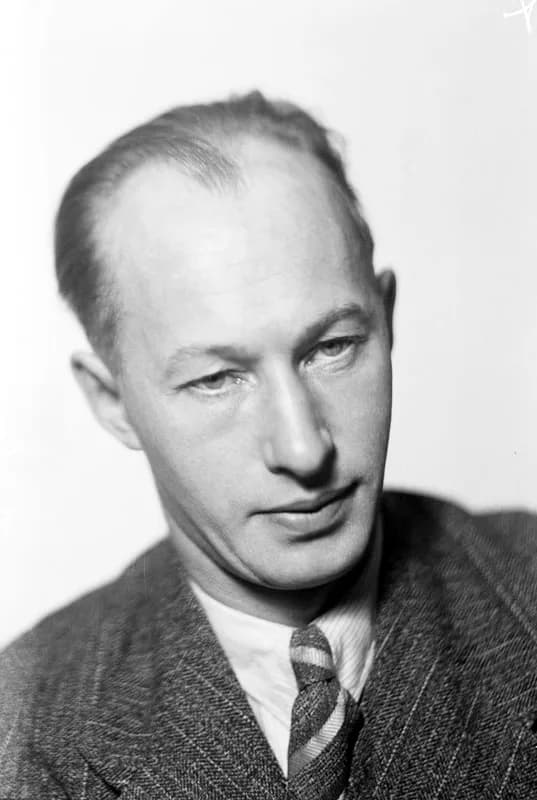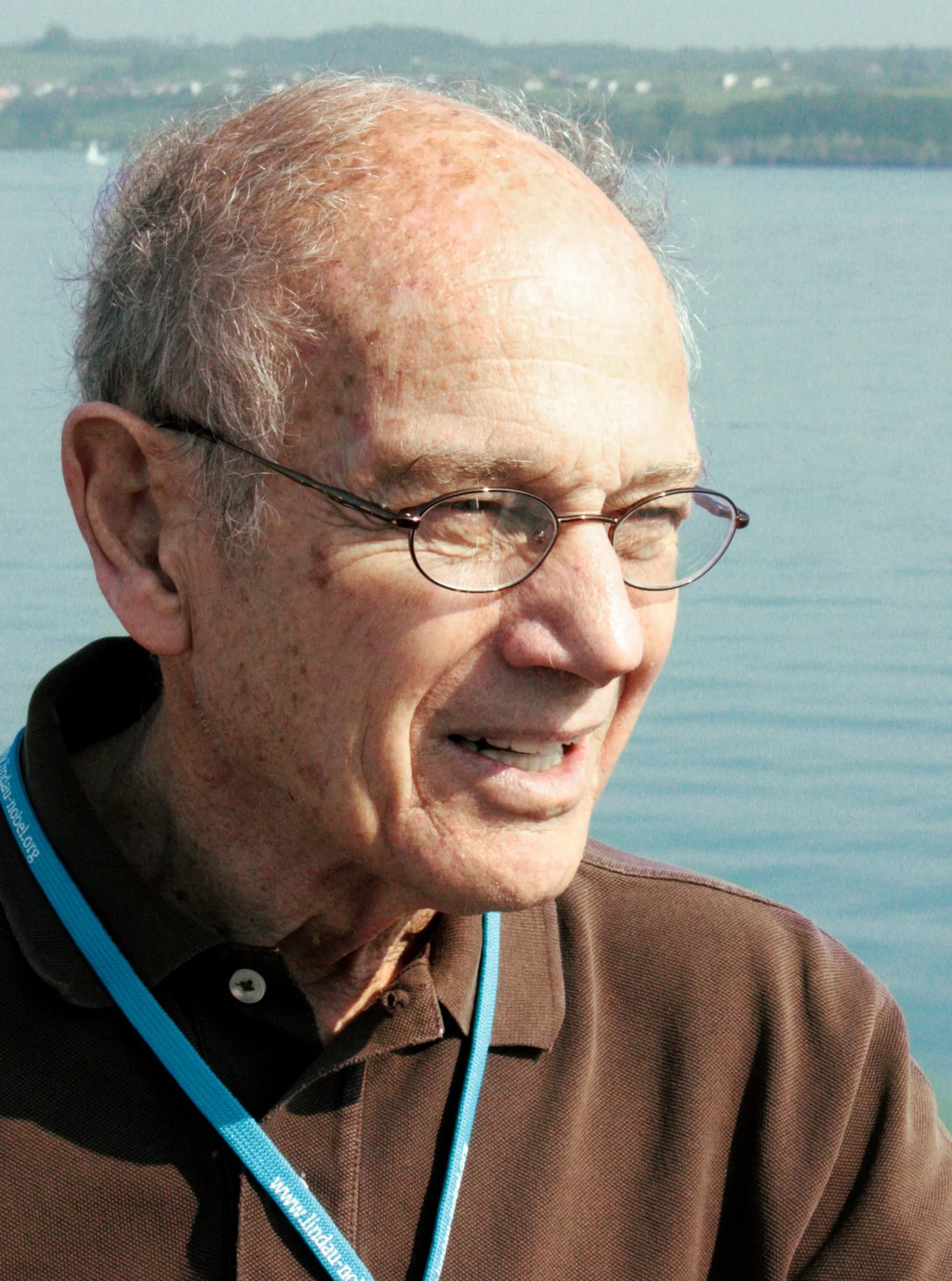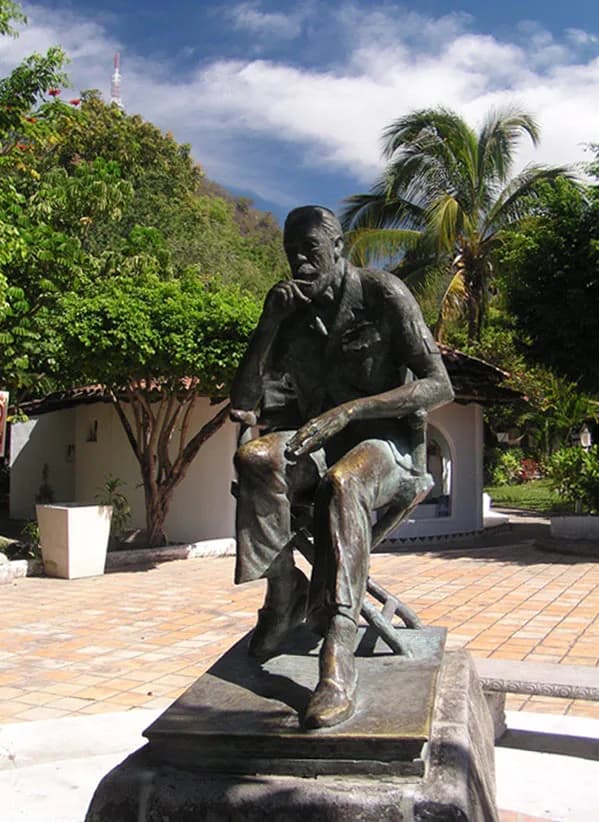
Født
August 5, 1930
Wapakoneta, United States
Døde
August 25, 2012
Cincinnati, United States
Kjent for
American astronaut and lunar explorer
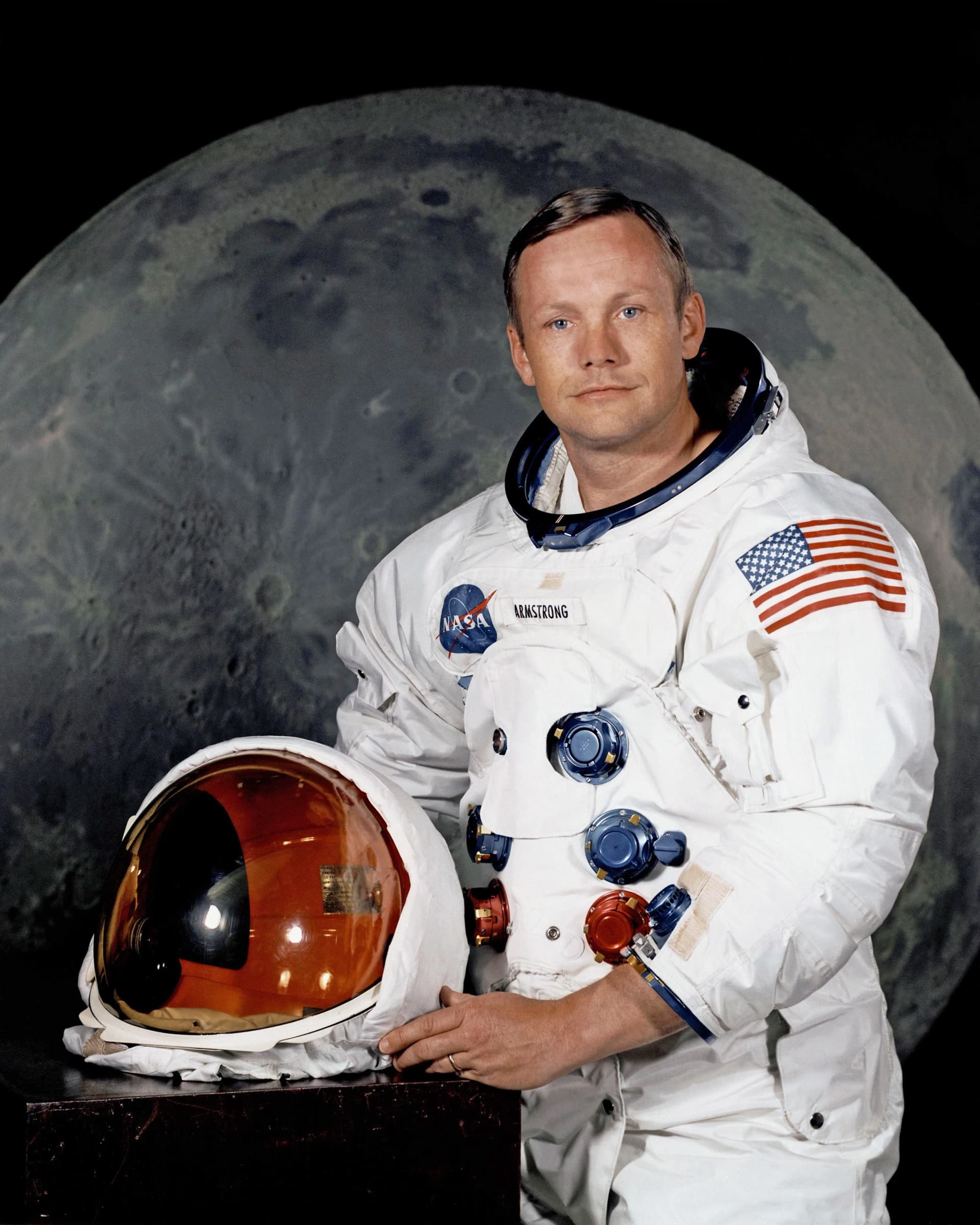
Neil Armstrong (1930–2012) was United States best known for American astronaut and lunar explorer.
Neil Armstrong (August 5, 1930 – August 25, 2012) was an American astronaut from Wapakoneta, United States. As commander of the 1969 Apollo 11 mission, he became the first person to walk on the Moon. His historic steps marked a monumental achievement for humanity.
Et liv i øyeblikk
Øyeblikkene som formet et liv



Kapittel
Livets kapitler
Kapittel 1 · 1930· Kapittel 1 av 5
Early Life and Origins
Born on August 5, 1930, in Wapakoneta, United States, Neil Armstrong's early life set the stage for a career defined by flight and discovery. His origins in Wapakoneta, a town in the heartland of the United States, provided a grounding that would precede his celestial journeys. This background cultivated a spirit of curiosity and precision from an early age.
Kapittel 2· Kapittel 2 av 5
Path to the Skies
Before his iconic space flight, Armstrong honed his skills as a dedicated aircraft pilot and a United States Naval Aviator. He served as a military flight engineer, gaining invaluable experience that contributed to his expertise in aerospace. These early roles developed the rigorous discipline and technical proficiency necessary for his later achievements.
Armstrong also distinguished himself as a test pilot, pushing the boundaries of aircraft capabilities through experimental flights. This challenging profession demanded exceptional skill and courage, further preparing him for the unparalleled demands of space exploration. His extensive experience across these aviation fields was foundational to his readiness for space.
Kapittel 3 · 1969· Kapittel 3 av 5
A Historic Step for Humanity
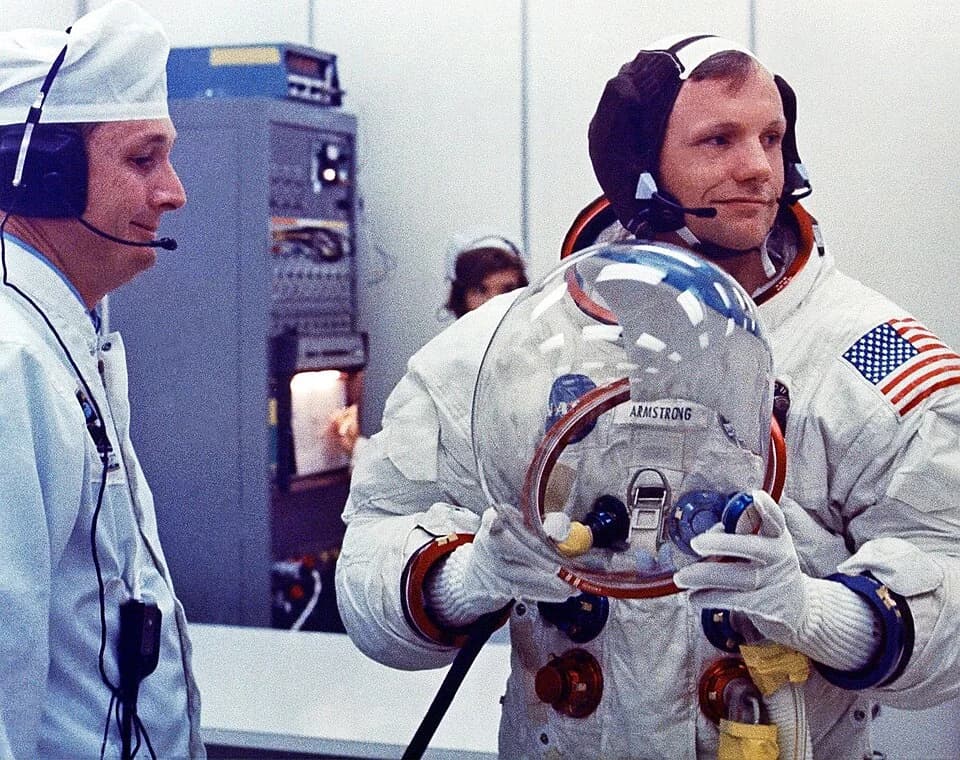
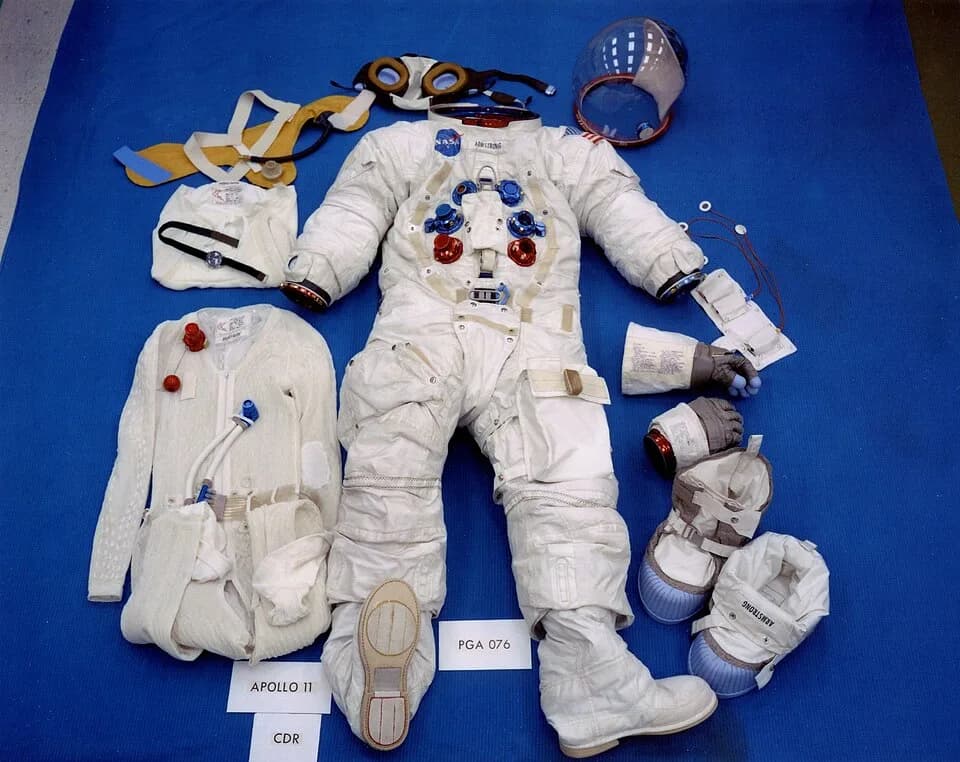
The pinnacle of Neil Armstrong's career arrived with his command of the Apollo 11 mission in July 1969. As commander, he led the mission that achieved the monumental goal of landing humans on the lunar surface. This meticulously planned journey held the attention of audiences worldwide and represented a triumph of scientific and engineering collaboration.
On July 20, 1969, Neil Armstrong stepped onto the lunar surface, uttering words that echoed across the globe and through history. This momentous occasion established him as the first human to walk on the Moon, a title that forever defined his legacy as an American astronaut and lunar explorer. His actions on the Moon expanded humanity's understanding of space and what is possible for exploration.
Kapittel 4· Kapittel 4 av 5
Academic Pursuits and Diverse Research
Beyond his celebrated work in space, Neil Armstrong also pursued intellectual contributions in diverse fields, reflected in his academic publications. His h-index of 3, derived from four significant papers, showcases a lesser-known facet of his scholarly engagement. These works reveal an interest in engineering challenges even distinct from spaceflight and space exploration.
Among his top academic contributions are "Extended Reach Drilling - Offshore California. Extending Capabilities and Improving Performance." from 2011, which garnered 6 citations, and "Extended-Reach Drilling To Maximize Recovery From a Mature Asset: A Case Study" from 2018, receiving 5 citations. These papers demonstrate his analytical mind applied to complex problems in resource extraction and engineering. Another key work, "Design Tools and Workflows To Mitigate Drilling Vibrations" from 2010, received 3 citations, highlighting his practical approach to engineering design.
Further expanding his published research, Armstrong co-authored "Science-Fishing Industry Partnership for Assessing Marine Biodiversity : Final Report" in 2011. This work, which received 5 citations, indicates a broader engagement with scientific partnerships and environmental assessment. His transition to a university teacher later in life also allowed him to impart this depth of knowledge to students.
Kapittel 5 · 2012· Kapittel 5 av 5
Later Years and Enduring Influence
In his later years, Neil Armstrong transitioned into the role of a university teacher, sharing his vast knowledge and experience with future generations. This period allowed him to continue contributing to education and inspire students with his unparalleled insights into science and exploration. He passed away on August 25, 2012, in Cincinnati, United States, leaving behind a lasting mark on scientific and public consciousness.
Armstrong's impact extends far beyond his historic walk; his dedication as a test pilot, United States Naval Aviator, and military flight engineer solidified his reputation as a pioneer. His life exemplified a commitment to discovery, challenging the boundaries of human capability. The lasting influence of his journey on Apollo 11 continues to inspire new generations to look to the stars and pursue their own great leaps.
Vanlige spørsmål
Vanlige spørsmål
Når døde Neil Armstrong?
Neil Armstrong døde 25. august 2012 i Cincinnati, United States, 82 år gammel.
Hvor ble Neil Armstrong født?
Neil Armstrong ble født i Wapakoneta, United States 5. august 1930.
Hva er Neil Armstrong mest kjent for?
Neil Armstrong er mest kjent for American astronaut and lunar explorer.
Hvor gammel var Neil Armstrong ved døden?
Neil Armstrong var 82 år gammel ved dødsfallet.
Hvilken nasjonalitet hadde Neil Armstrong?
Neil Armstrong kom fra United States.
Tidslinje
Et liv i et øyekast
Fotogalleri
Et liv i bilder
Klikk på et hvilket som helst polaroidbilde for å forstørre · 24 fotografier
QR-kode
Del denne biografien
Skriv ut og del
Skann for å besøke denne biografisiden. Skriv ut for arrangementer, utstillinger eller undervisningsmateriell.