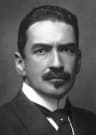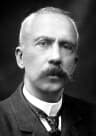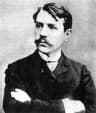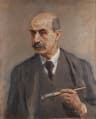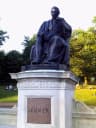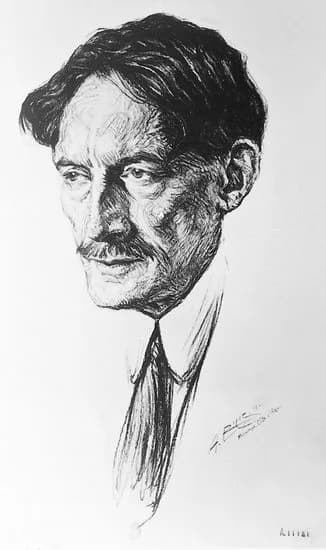
Født
May 17, 1873
Asnières-sur-Seine, France
Døde
August 30, 1935
Moscow, Duchy of Moscow
Kjent for
French author
Henri Barbusse (1873–1935) was France best known for French author.
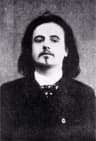
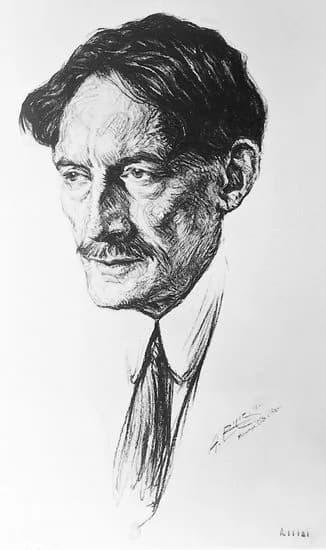
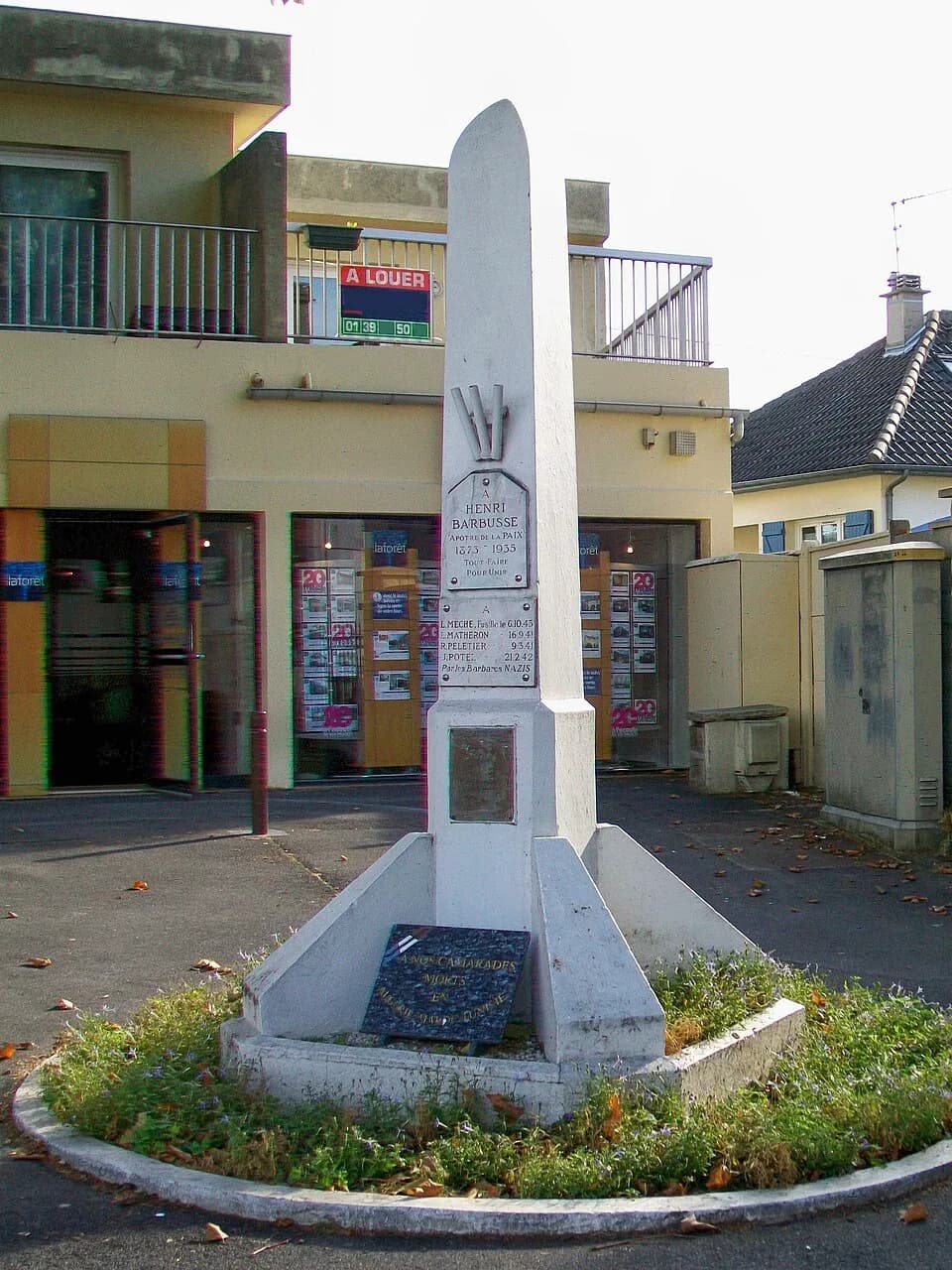
Henri Barbusse (May 17, 1873 – August 30, 1935) was a French author and political activist. He is known for his World War I novel "Under Fire," a seminal work of the Lost Generation. His writing combined war memories with moral and political meditations, leaving a significant literary impact.
Kapittel
Livets kapitler
Kapittel 1 · 1873· Kapittel 1 av 7
Opening
Henri Barbusse (1873-1935) was a highly significant French author whose literary contributions left an enduring mark on the early 20th century. Born in Asnières-sur-Seine, France, Barbusse distinguished himself through a diverse array of professions, including novelist, short story writer, journalist, poet, and political activist. His most renowned work, "Feu" (English title: "Under Fire"), a powerful novel based on his direct experiences in World War I, is widely acknowledged as a foundational text of the Lost Generation movement. Throughout his career, which also encompassed roles as a screenwriter, historian, biographer, painter, and politician, Barbusse consistently employed his artistic and intellectual capabilities to address complex moral and political subjects.
Kapittel 2 · 1873· Kapittel 2 av 7
Early Life and Origins
Henri Barbusse was born on May 17, 1873, in Asnières-sur-Seine, a vibrant commune nestled within France. His formative years in this French locale were instrumental in shaping the intellectual curiosity and artistic sensibilities that would become central to his life's work. This upbringing provided him with an intimate connection to the cultural and political currents prevalent in France at the time, which deeply influenced his subsequent literary and activist pursuits. His early environment thus laid a crucial foundation for his later development as a keen observer and critic of society.
Kapittel 3· Kapittel 3 av 7
Career Beginnings
Barbusse initiated his literary career in the 1890s, first gaining recognition as a Symbolist poet, a movement characterized by its focus on evocative imagery and subjective expression. This initial phase allowed him to hone his craft, exploring intricate themes through a rich language and metaphorical depth. Following his poetic endeavors, he transitioned into the role of a neo-Naturalist novelist, adopting a style that combined realism with a desire to portray objective reality. This evolution in his writing demonstrated his adaptability and continuous exploration of different literary forms, establishing his early presence in the French literary scene.
As a neo-Naturalist novelist, Barbusse began to craft narratives that often depicted life with an unflinching honesty, reflecting a desire to explore the psychological and social conditions of his characters. This approach allowed him to examine the underlying forces influencing human behavior and societal structures. His early novels, while perhaps less celebrated than his later war-time writings, were crucial in developing his narrative voice and critical perspective. These foundational works helped to prepare him for the profound literary achievements that would define his most recognized period.
Kapittel 4 · 1916· Kapittel 4 av 7
Major Achievements and Career Highlights
A defining moment in Henri Barbusse's career was the monumental publication of "Feu" in 1916, famously known in English as "Under Fire." This seminal novel drew directly from his harrowing experiences as a soldier on the front lines of World War I, offering an unparalleled and stark portrayal of the conflict. Its pioneering realism and poignant humanism quickly established it as one of the earliest and most influential literary responses to the Great War. The novel's impact was immediate and far-reaching, setting a new standard for war literature.
"Under Fire" is widely regarded as either one of the earliest works to emerge from the "Lost Generation" movement or even the very catalyst that initiated it, encapsulating the disillusionment and trauma of a generation shaped by conflict. Its significant influence extended to later literary giants, notably inspiring writers such as Ernest Hemingway and Erich Maria Remarque in their own depictions of war's devastating effects. Barbusse's ability to seamlessly blend his vivid war memories with deep moral and political contemplations solidified his reputation as an exceptionally important French writer from 1910 to 1939, a period marked by significant social and political upheaval.
Kapittel 5· Kapittel 5 av 7
Notable Works or Contributions
Beyond his seminal work "Feu," Henri Barbusse penned a diverse array of significant literary works that showcased his expansive intellectual and artistic range. His novel "Hell" (also published as "Enfer" and "L' Enfer") explored profound philosophical and existential questions, demonstrating his capacity for intricate psychological narratives. These varied titles reflect his consistent engagement with the human condition across different literary genres and styles. Each work contributed to his growing stature as a versatile and thoughtful author.
Barbusse's bibliography further includes "zola," which suggests an engagement with the life or works of Émile Zola, indicating his interest in other literary figures and critical analysis. Other notable contributions comprise "Coltello Fra I Denti" and "the spanish omnibus," illustrating his international scope and diverse thematic interests. Additionally, "Meissonier," "Paroles d'un Combattant" (Words of a Fighter), and "Krovavyĭ istochnik" (Bloody Source) stand as further examples of his prolific output and his sustained commitment to literature and social commentary throughout his dynamic career.
Kapittel 6· Kapittel 6 av 7
Later Years
In his later years, Henri Barbusse's engagement with the world broadened considerably, extending far beyond his acclaimed literary achievements into the political sphere. He actively embraced roles as a politician, leveraging his considerable influence and articulate voice to advocate for his convictions and shape public opinion. Concurrently, he dedicated himself to historical and biographical writing, applying his meticulous research skills and compelling narrative style to document and interpret significant lives and events.
Barbusse maintained an exceptionally dynamic and multifaceted professional life until his passing, continuing his work as a journalist, poet, and screenwriter. Demonstrating his wide-ranging creative talents, he even explored the visual arts as a painter, illustrating a broad spectrum of artistic expression. His industrious and varied career concluded with his death on August 30, 1935, in Moscow, Duchy of Moscow, far from his birthplace, leaving behind a rich and complex legacy across multiple disciplines and fields of endeavor.
Kapittel 7· Kapittel 7 av 7
Legacy and Impact
The enduring legacy of Henri Barbusse is firmly rooted in his pioneering portrayal of World War I, most notably captured in his novel "Under Fire." This work not only depicted the brutal realities of armed conflict but also eloquently articulated the profound disillusionment and psychological scars that became emblematic of an entire generation. His innovative narrative approach fundamentally transformed how subsequent authors addressed themes of war in literature, establishing a powerful precedent for authenticity and emotional depth in their works.
Barbusse is deservedly celebrated as an exceptionally important French writer of his era, revered for his unique ability to seamlessly intertwine deeply personal wartime recollections with broader, incisive moral and political reflections. His unwavering dedication to social justice and his artistic integrity, coupled with his incredibly versatile creative output as a novelist, poet, journalist, and political activist, ensures his lasting relevance in literary and historical discourse. Henri Barbusse's impactful contributions continue to resonate, inspiring both readers and writers and reaffirming the enduring power of literature to confront harsh realities and illuminate the human spirit.
Et liv i øyeblikk
Øyeblikkene som formet et liv
Vanlige spørsmål
Vanlige spørsmål
Når døde Henri Barbusse?
Henri Barbusse døde 30. august 1935 i Moscow, Duchy of Moscow, 62 år gammel.
Hvor ble Henri Barbusse født?
Henri Barbusse ble født i Asnières-sur-Seine, France 17. mai 1873.
Hva er Henri Barbusse mest kjent for?
Henri Barbusse er mest kjent for French author.
Hvor gammel var Henri Barbusse ved døden?
Henri Barbusse var 62 år gammel ved dødsfallet.
Hvilken nasjonalitet hadde Henri Barbusse?
Henri Barbusse kom fra France.
Tidslinje
Et liv i et øyekast
Fotogalleri
Et liv i bilder
Klikk på et hvilket som helst polaroidbilde for å forstørre · 34 fotografier
QR-kode
Del denne biografien
Skriv ut og del
Skann for å besøke denne biografisiden. Skriv ut for arrangementer, utstillinger eller undervisningsmateriell.