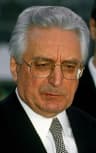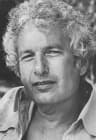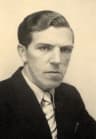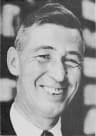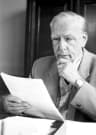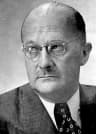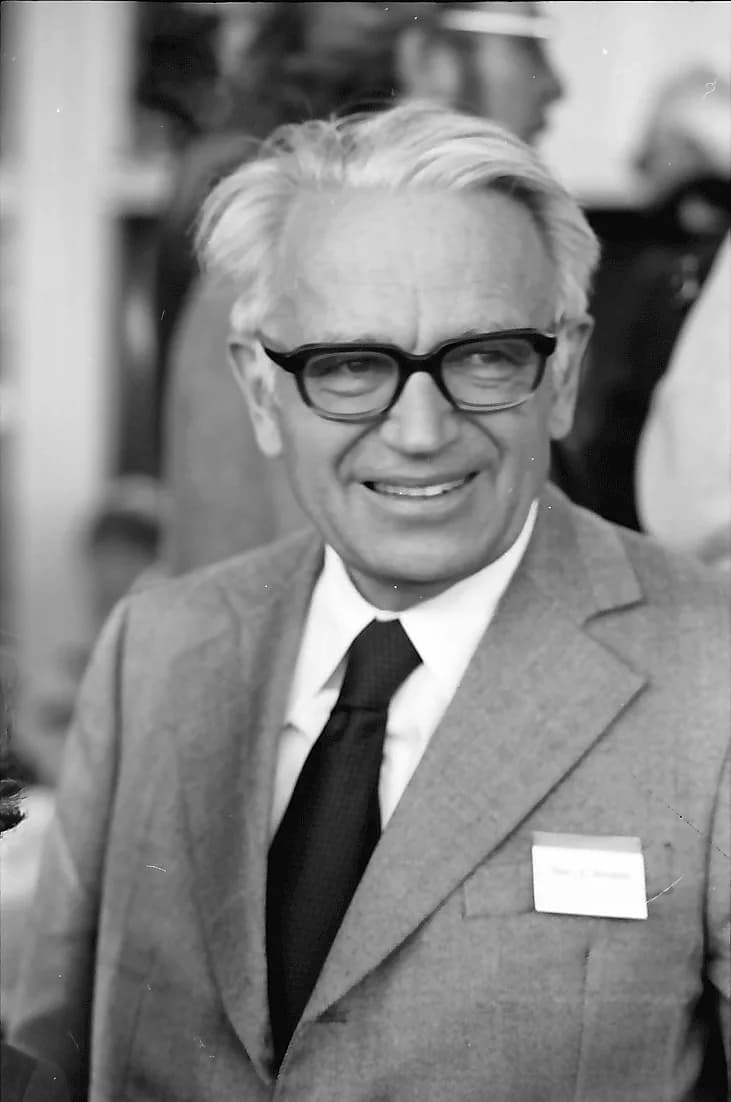
Født
December 25, 1904
Hamburg, Holy Roman Empire
Døde
March 3, 1999
Ottawa, Canada
Kjent for
German-Canadian physicist and physical chemist
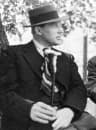
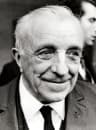
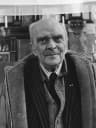
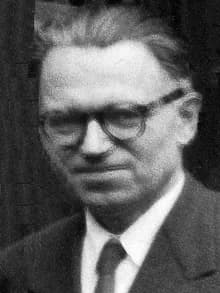
Gerhard Herzberg (1904–1999) was Holy Roman Empire best known for German-Canadian physicist and physical chemist.
Gerhard Herzberg (December 25, 1904 – March 3, 1999) was a German-Canadian physicist and physical chemist. He won the 1971 Nobel Prize for Chemistry for his contributions to understanding molecular structure, especially free radicals. His work in spectroscopy significantly advanced the fields of chemistry and astronomy.
Kapittel
Livets kapitler
Kapittel 1 · 1904· Kapittel 1 av 7
Early Life and Origins
Gerhard Herzberg entered the world on December 25, 1904, in Hamburg, a significant city within what was then the Holy Roman Empire. His early life in Hamburg laid the foundation for a future dedicated to scientific inquiry and discovery. Herzberg pursued his education in physics, developing a keen interest in the intricacies of the atomic and molecular world from a young age. This period of academic training was crucial for shaping his unique scientific perspective.
Kapittel 2· Kapittel 2 av 7
Career Beginnings
Herzberg's scientific career quickly focused on the challenging and complex field of atomic and molecular spectroscopy. This area of study, involving the interaction of matter with electromagnetic radiation, became the cornerstone of his professional life. He embarked on a journey to understand the fundamental properties of molecules by analyzing their unique spectral fingerprints. This early dedication to spectroscopy set the stage for his most significant discoveries.
Kapittel 3 · 1971· Kapittel 3 av 7
Major Achievements and Career Highlights
Gerhard Herzberg's career reached its zenith with the awarding of the Nobel Prize for Chemistry in 1971. This prestigious recognition was given 'for his contributions to the knowledge of electronic structure and geometry of molecules, particularly free radicals.' His meticulous research unveiled secrets about how atoms bond and arrange themselves in molecules, a central tenet of chemistry.
His primary work revolved around pioneering techniques in atomic and molecular spectroscopy. Herzberg became renowned for employing these techniques to precisely determine the structures of diatomic and polyatomic molecules. Furthermore, his methods proved indispensable for investigating free radicals, which are exceptionally challenging to study due to their fleeting nature. This innovative application of spectroscopy extended to the chemical analysis of astronomical objects, bridging the gap between laboratory chemistry and cosmic phenomena.
Kapittel 4 · 1973· Kapittel 4 av 7
Personal Life
While the provided details offer limited insight into Gerhard Herzberg's private family life, his public service reflects a commitment beyond the laboratory. He served as Chancellor of Carleton University in Ottawa, Canada, from 1973 to 1980. This leadership role demonstrated his dedication to academic institutions and the broader scientific community, extending his influence beyond pure research.
Kapittel 5· Kapittel 5 av 7
Notable Works or Contributions
Herzberg's most notable contributions stem directly from his mastery of atomic and molecular spectroscopy. His techniques provided unparalleled insights into the electronic structure and geometry of a vast array of molecules. He developed and refined methods that allowed for the accurate determination of how atoms bond in both simple diatomic and more complex polyatomic structures. These spectroscopic advancements were particularly vital for understanding free radicals, substances that play critical roles in many chemical reactions but are difficult to isolate and examine.
Kapittel 6 · 1973· Kapittel 6 av 7
Later Years
In his later career, beyond his intensive research, Gerhard Herzberg continued to contribute to the scientific and academic world. His seven-year tenure as Chancellor of Carleton University in Ottawa, Canada, from 1973 to 1980, showcased his commitment to education and institutional leadership. He remained a respected figure in the scientific community throughout his life. Herzberg passed away on March 3, 1999, in Ottawa, Canada, leaving behind a profound scientific legacy.
Kapittel 7· Kapittel 7 av 7
Legacy and Impact
Gerhard Herzberg's impact on physics and chemistry is enduring and far-reaching. His fundamental work in spectroscopy revolutionized the understanding of molecular structure and dynamics. By developing methods to determine the geometry and electronic configurations of molecules, he provided tools that are still crucial in modern research. His pioneering investigation into free radicals opened new avenues for studying highly reactive chemical intermediates. Moreover, his application of spectroscopic analysis to astronomical objects forged important connections between chemistry and astrophysics, inspiring generations of scientists to explore the universe's chemical composition.
Et liv i øyeblikk
Øyeblikkene som formet et liv
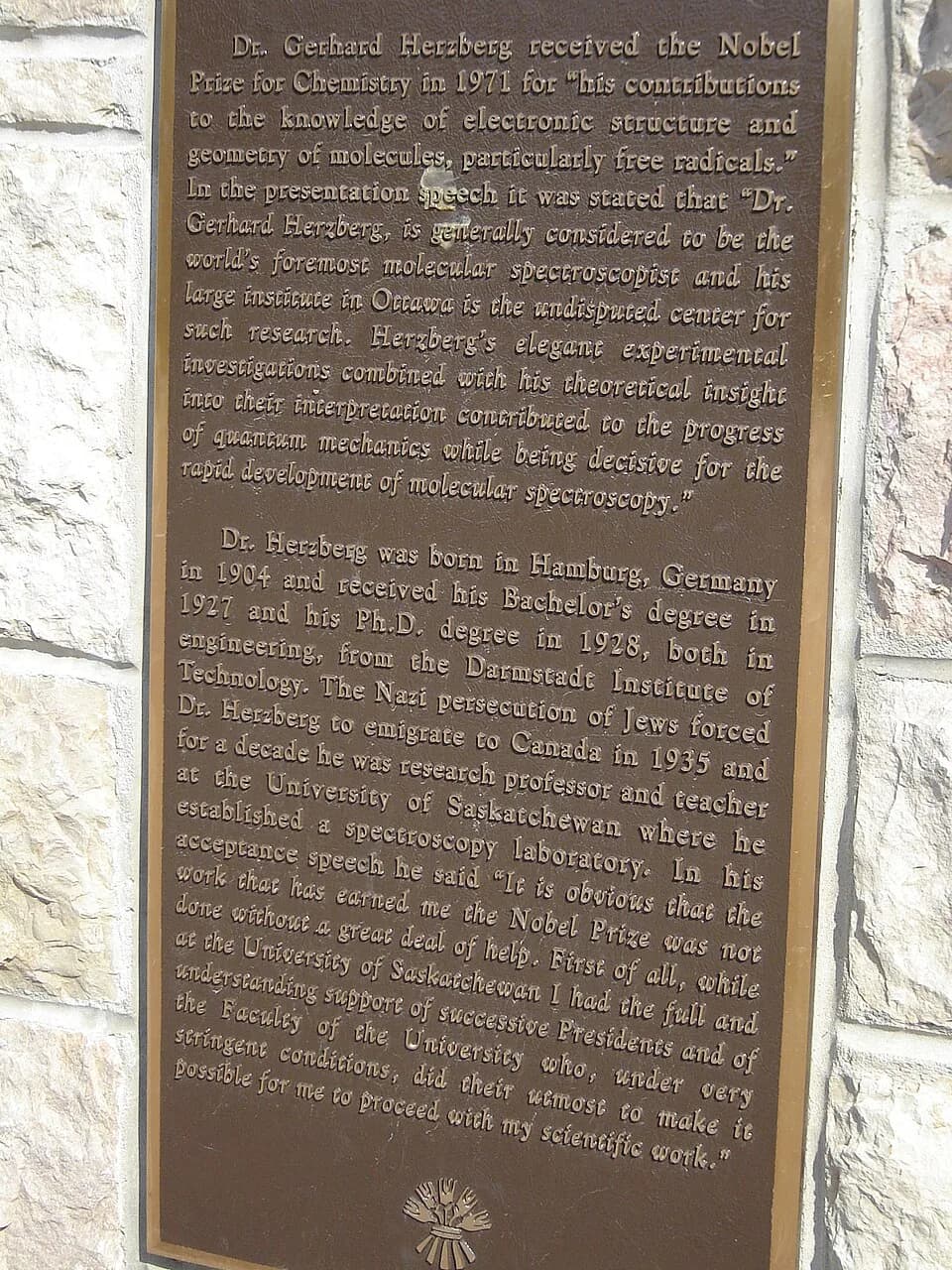
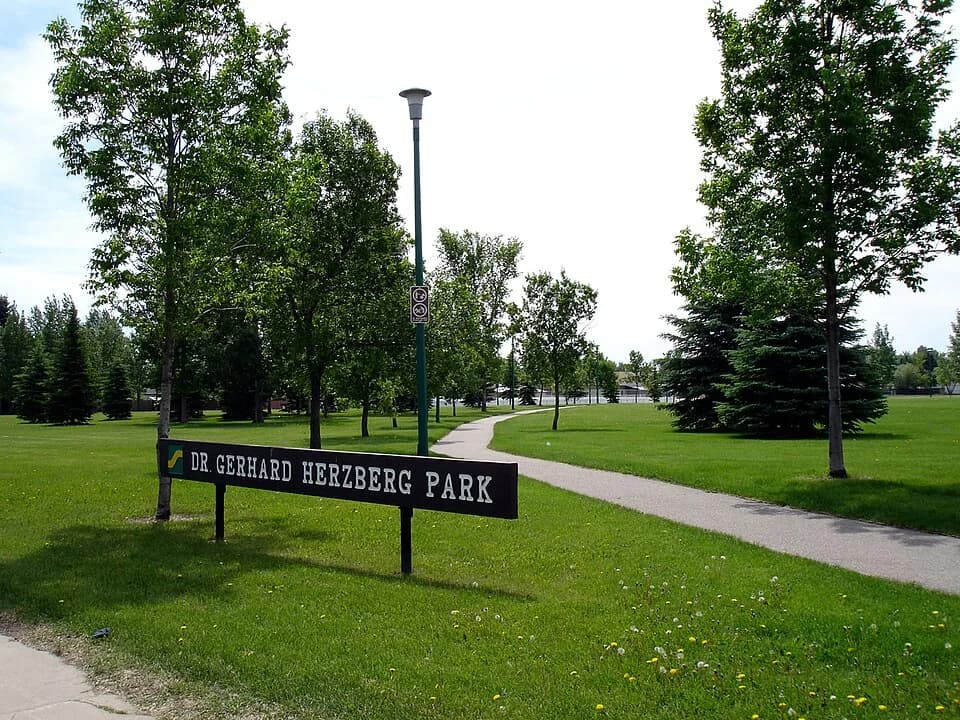
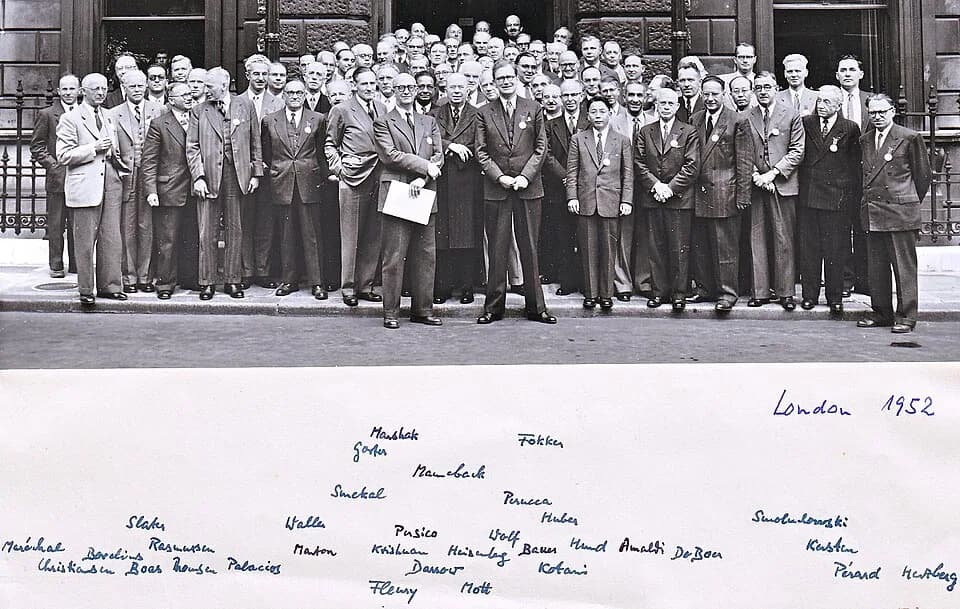
Vanlige spørsmål
Vanlige spørsmål
Når døde Gerhard Herzberg?
Gerhard Herzberg døde 3. mars 1999 i Ottawa, Canada, 94 år gammel.
Hvor ble Gerhard Herzberg født?
Gerhard Herzberg ble født i Hamburg, Holy Roman Empire 25. desember 1904.
Hva er Gerhard Herzberg mest kjent for?
Gerhard Herzberg er mest kjent for German-Canadian physicist and physical chemist.
Hvor gammel var Gerhard Herzberg ved døden?
Gerhard Herzberg var 94 år gammel ved dødsfallet.
Hvilken nasjonalitet hadde Gerhard Herzberg?
Gerhard Herzberg kom fra Holy Roman Empire.
Tidslinje
Et liv i et øyekast
Fotogalleri
Et liv i bilder
Klikk på et hvilket som helst polaroidbilde for å forstørre · 24 fotografier
QR-kode
Del denne biografien
Skriv ut og del
Skann for å besøke denne biografisiden. Skriv ut for arrangementer, utstillinger eller undervisningsmateriell.