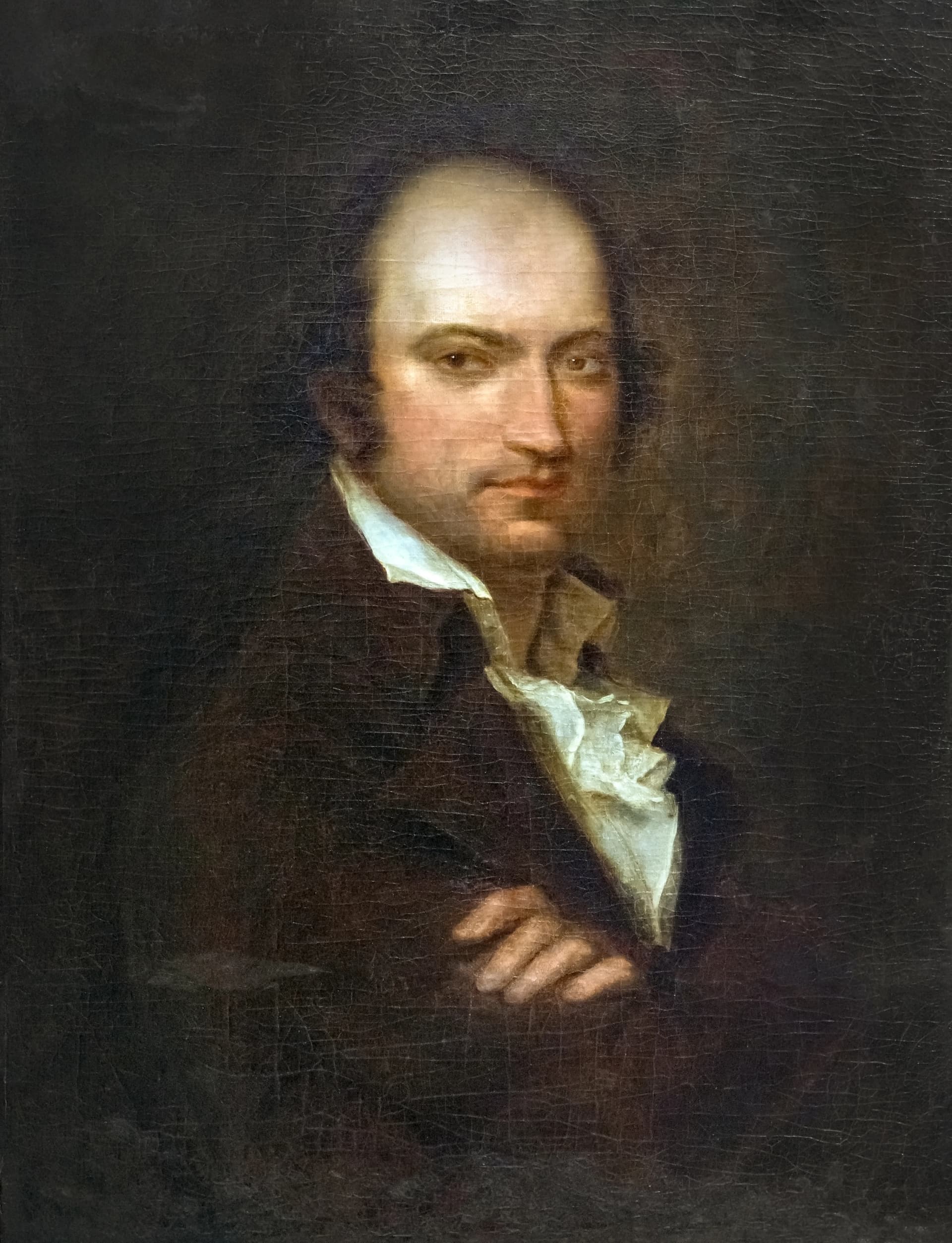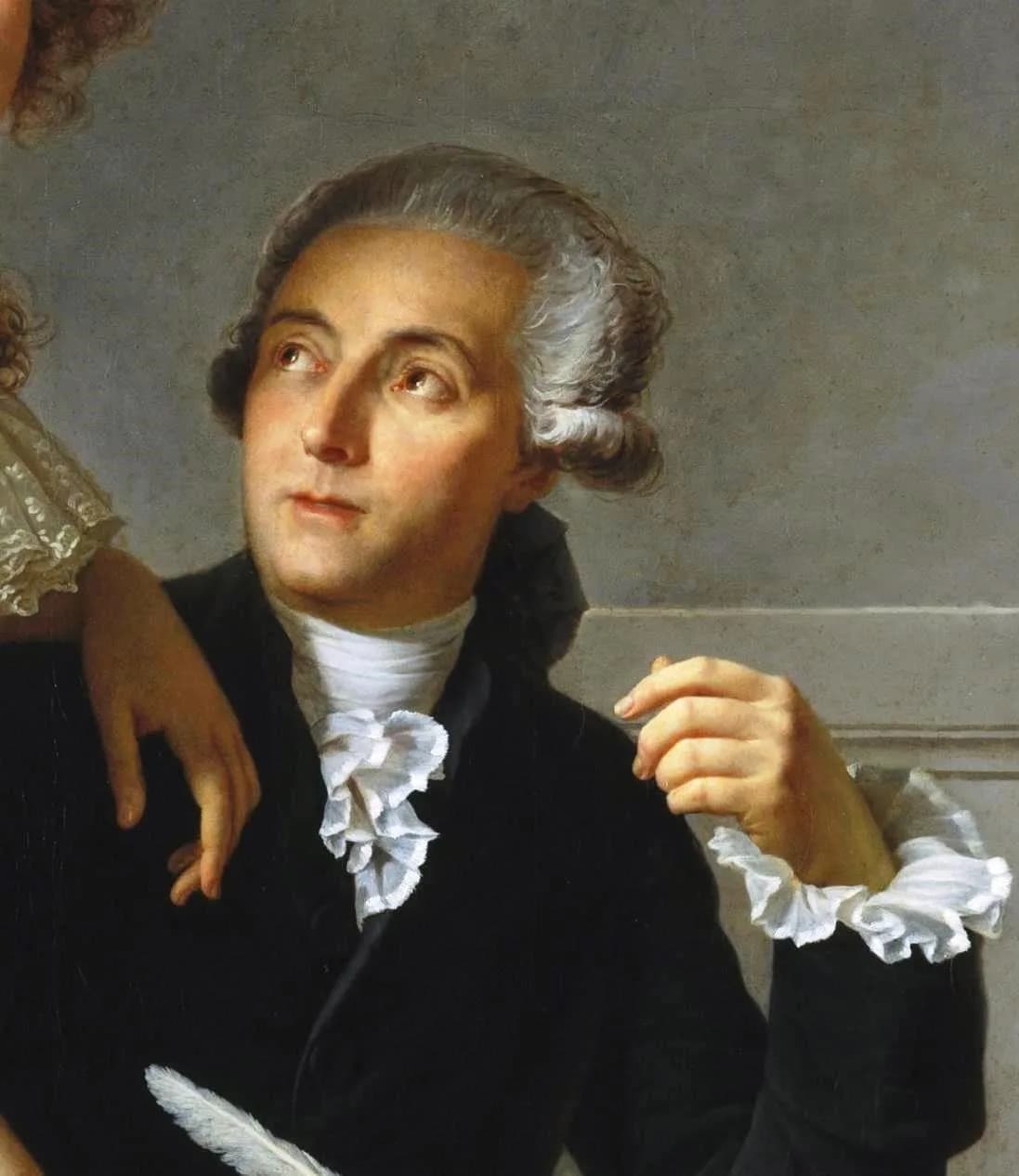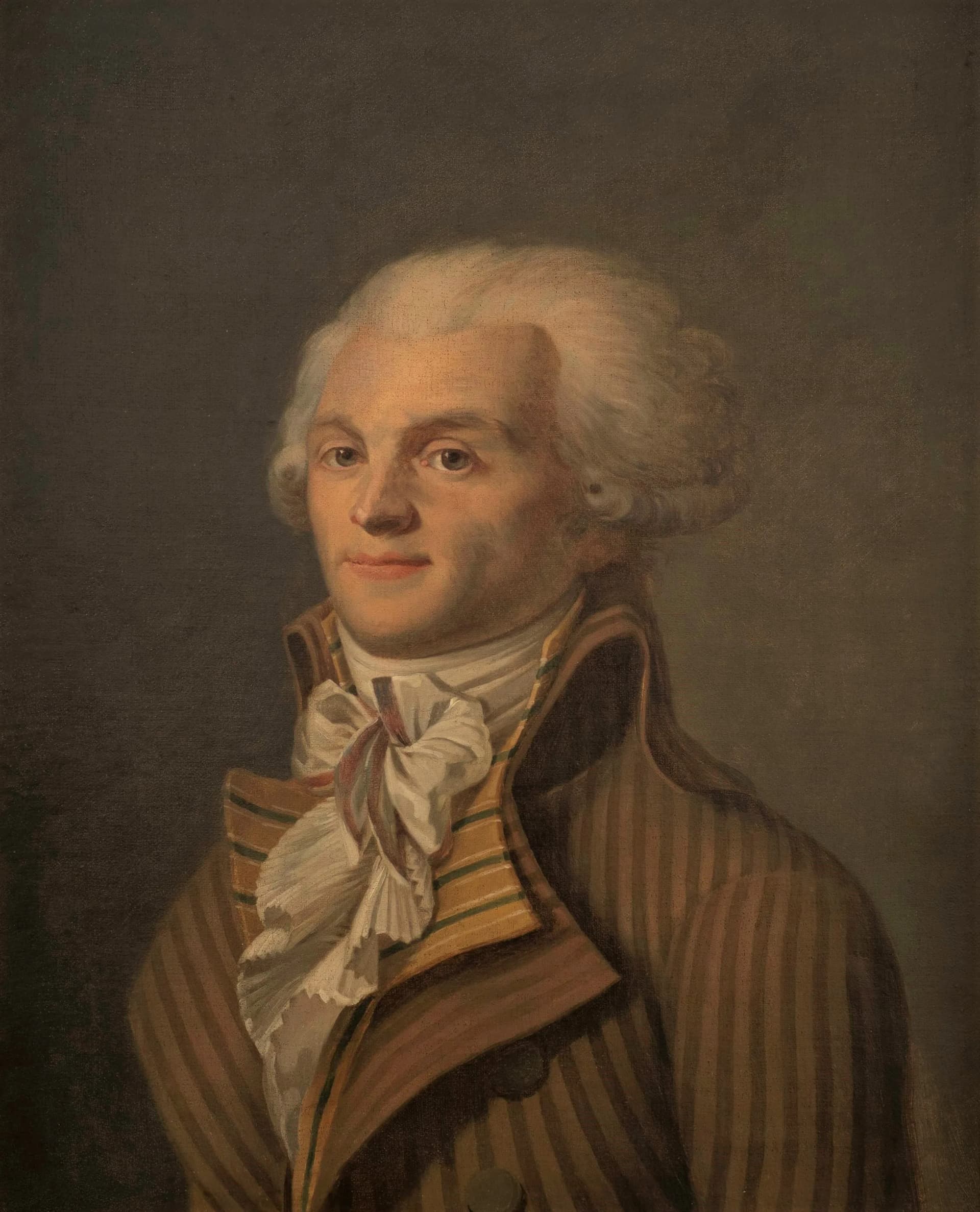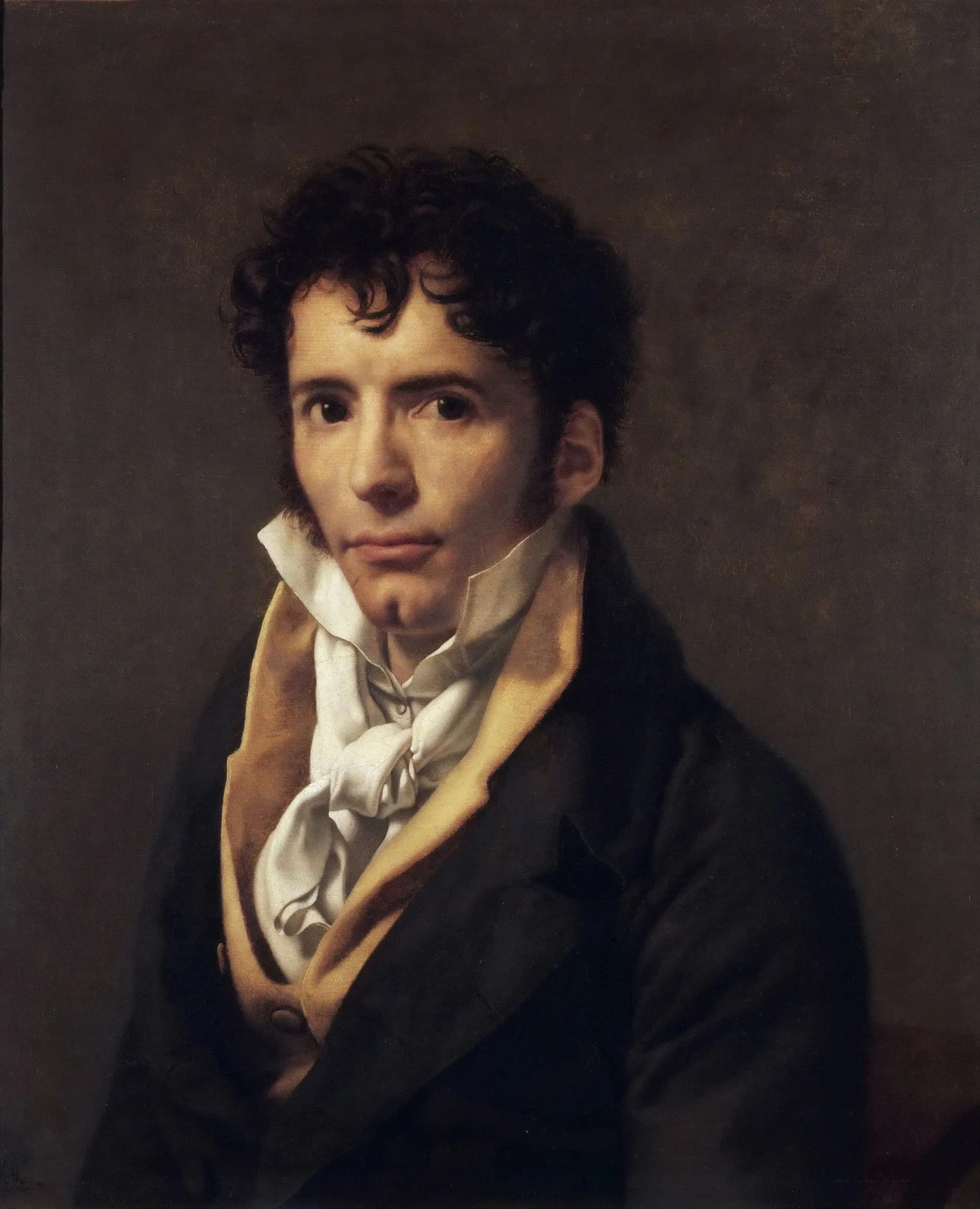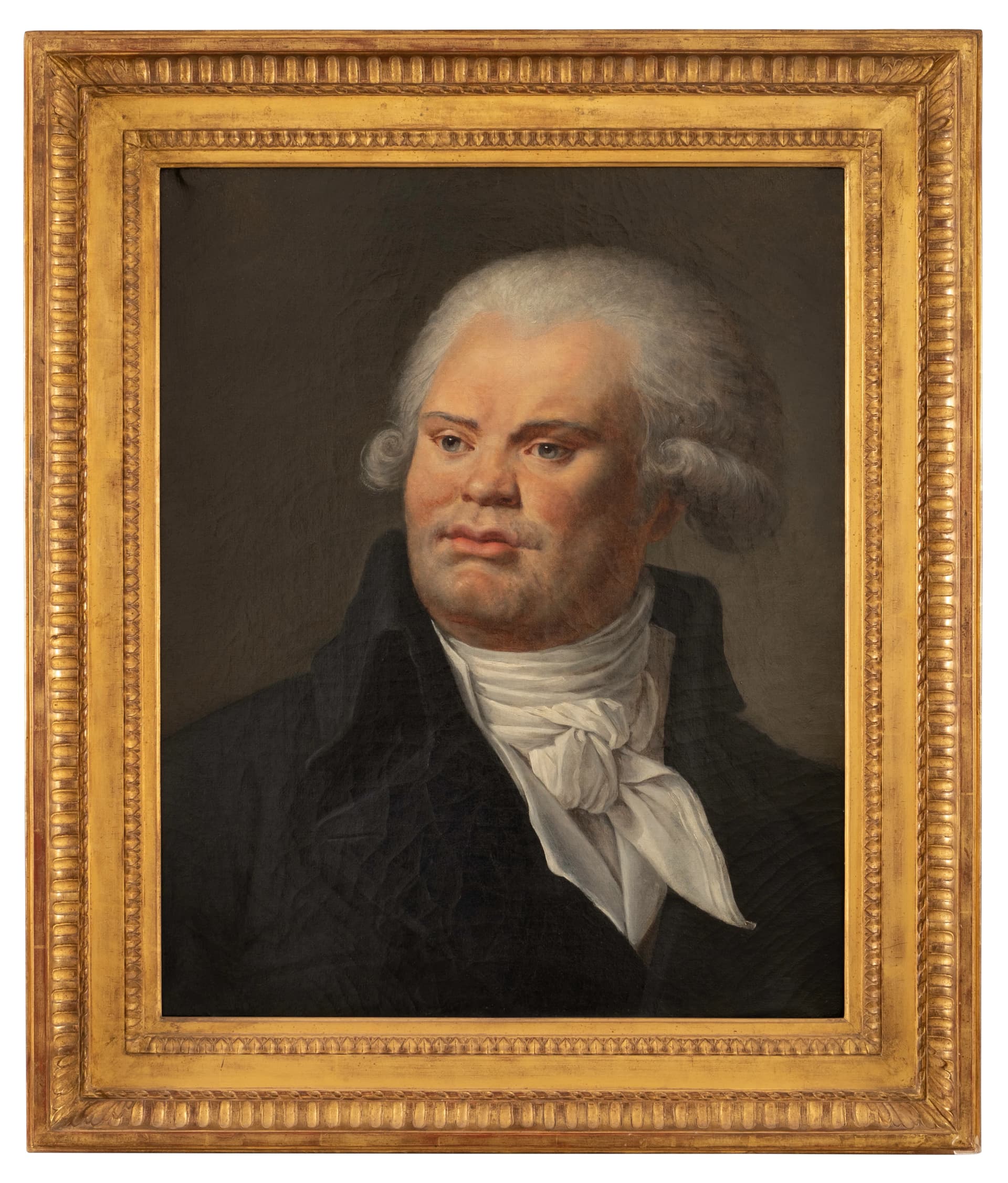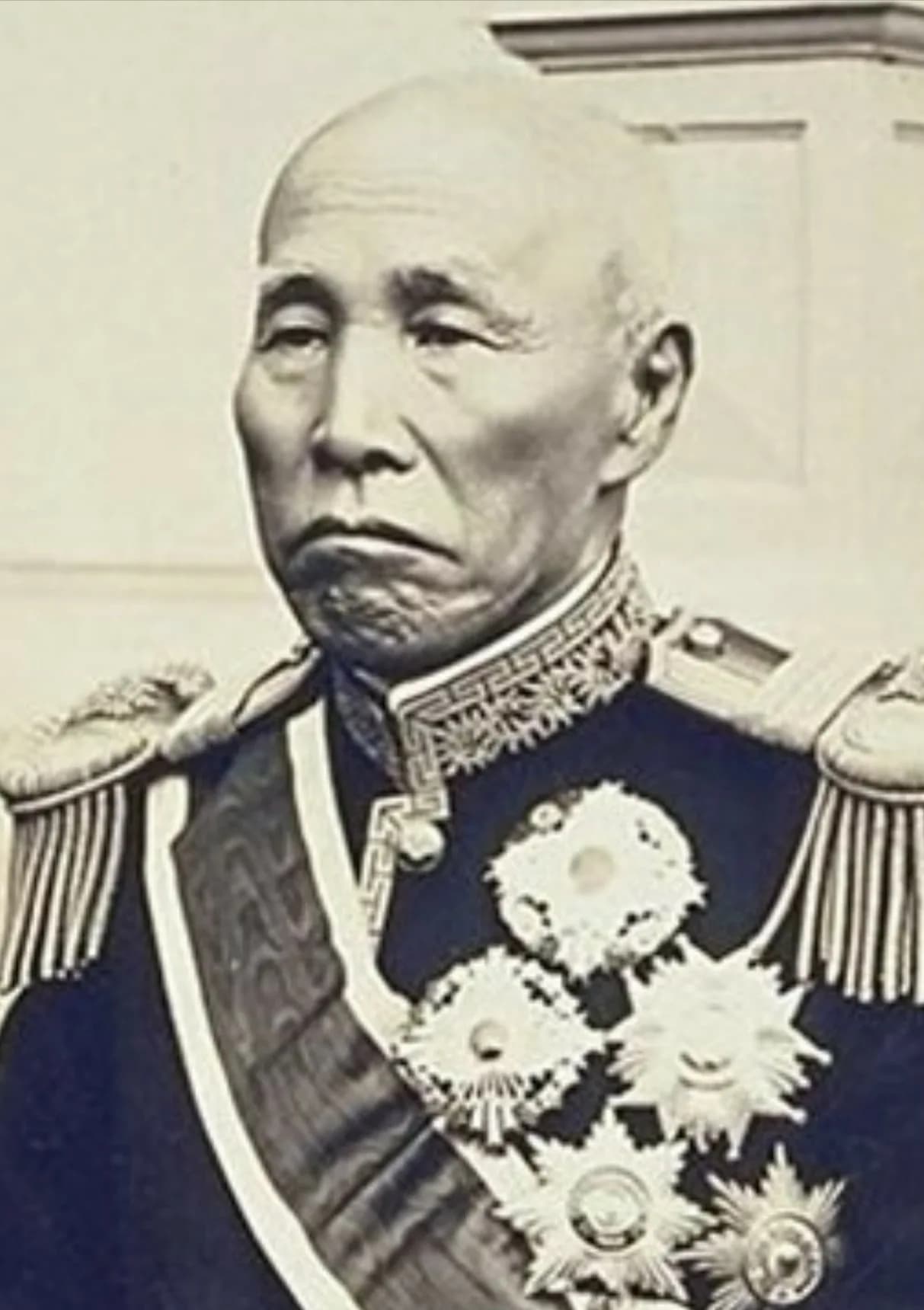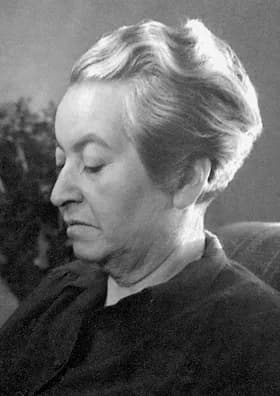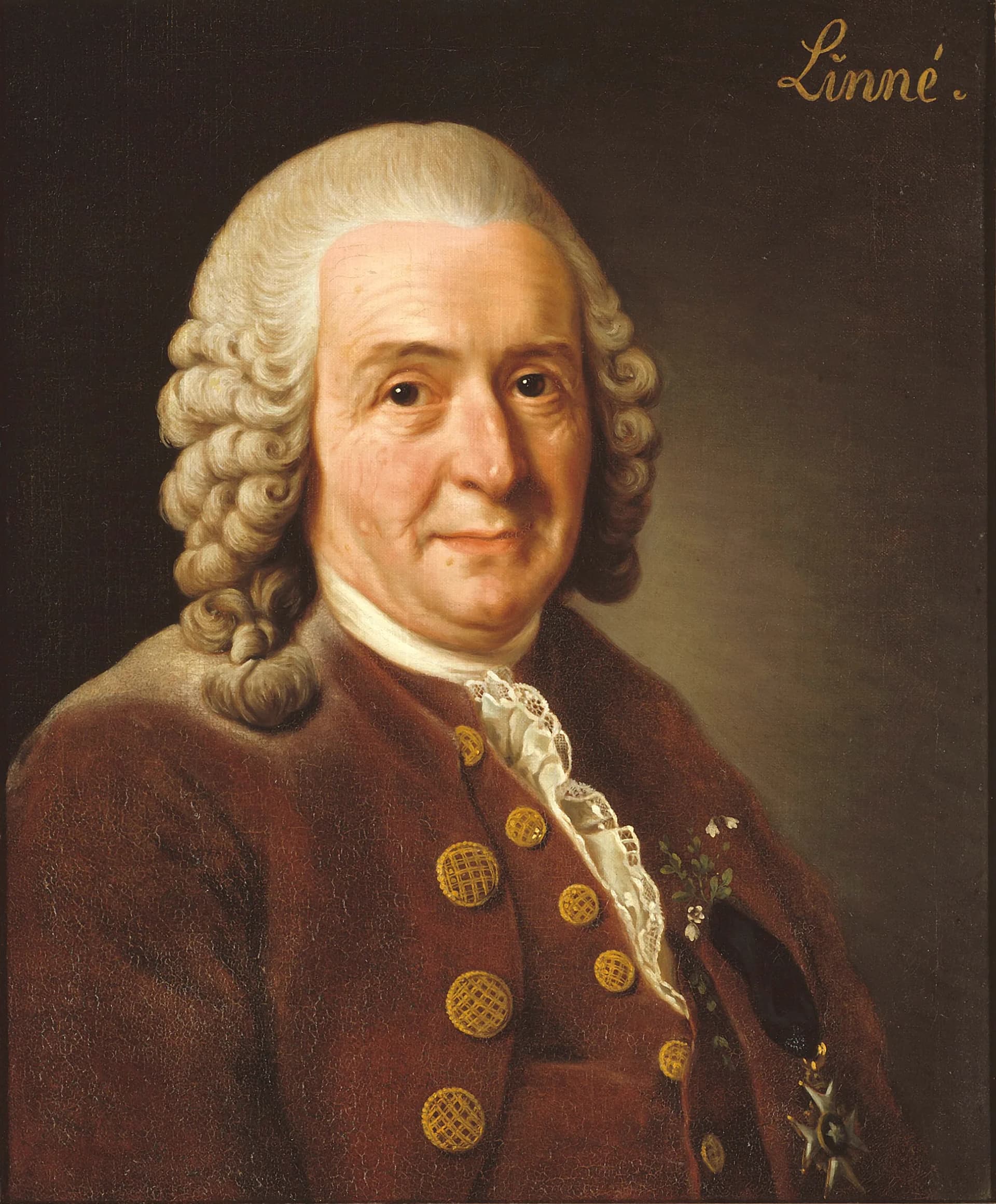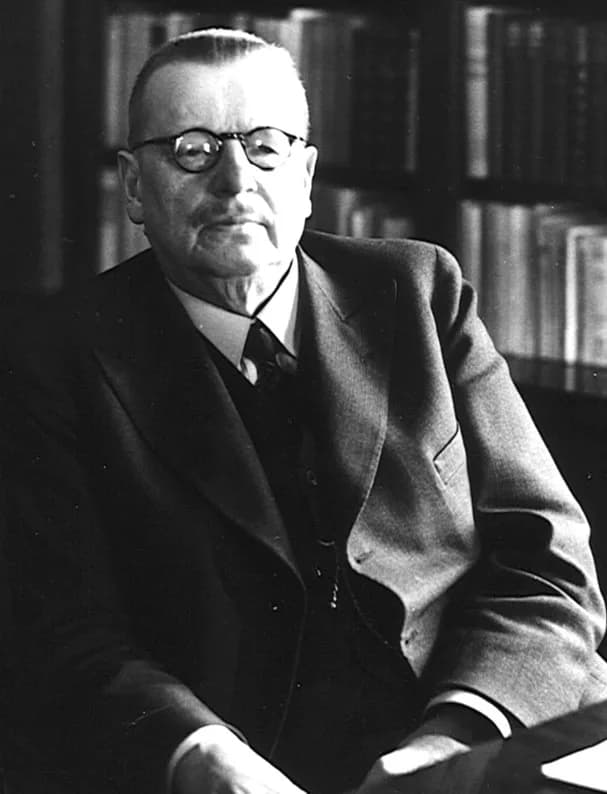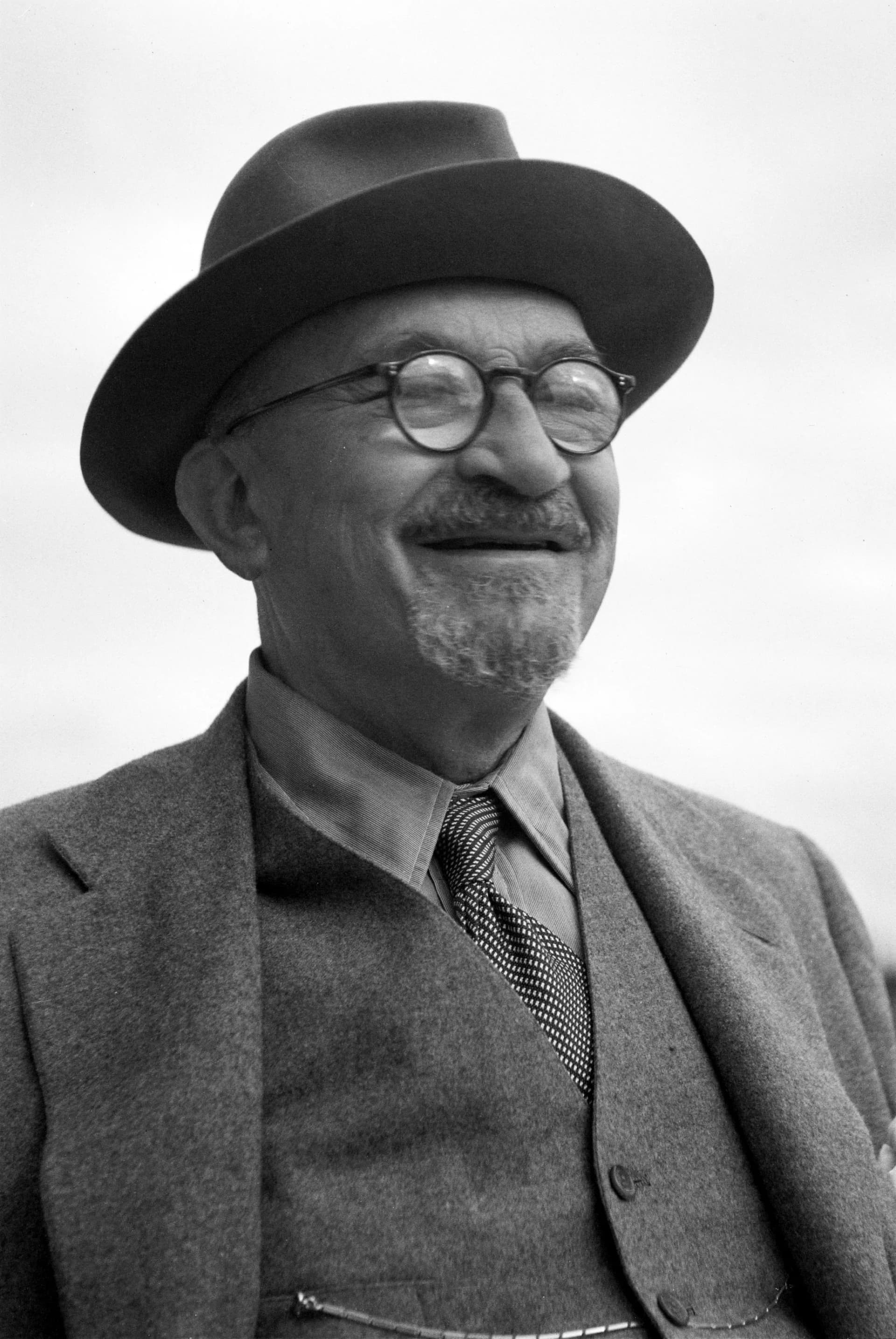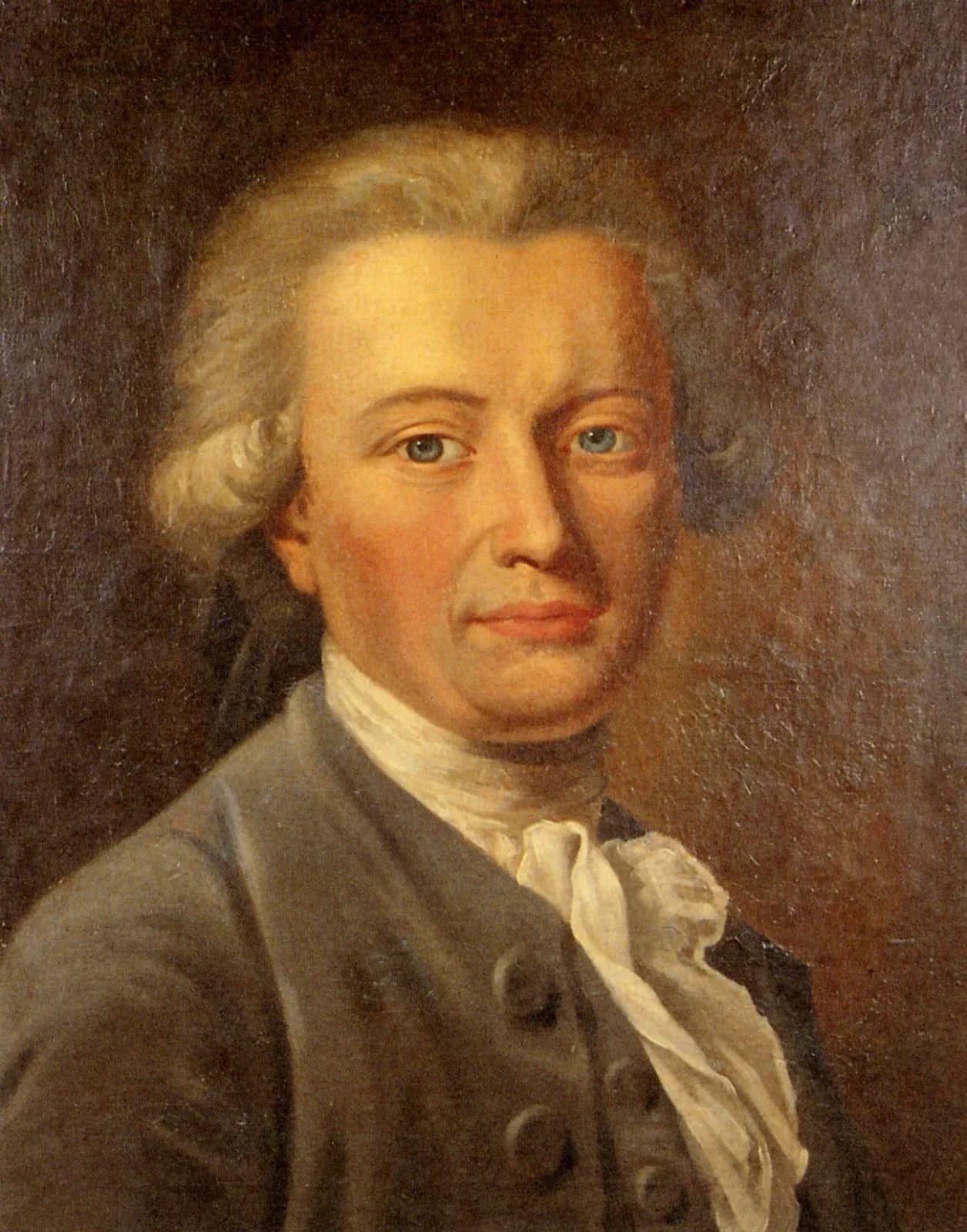
Født
November 27, 1754
Mokry Dwór, Poland
Døde
January 10, 1794
Paris, France
Kjent for
German naturalist, ethnologist, travel writer, journalist, and revolutionary
Georg Forster (1754–1794) was Poland best known for German naturalist, ethnologist, travel writer, journalist, and revolutionary.
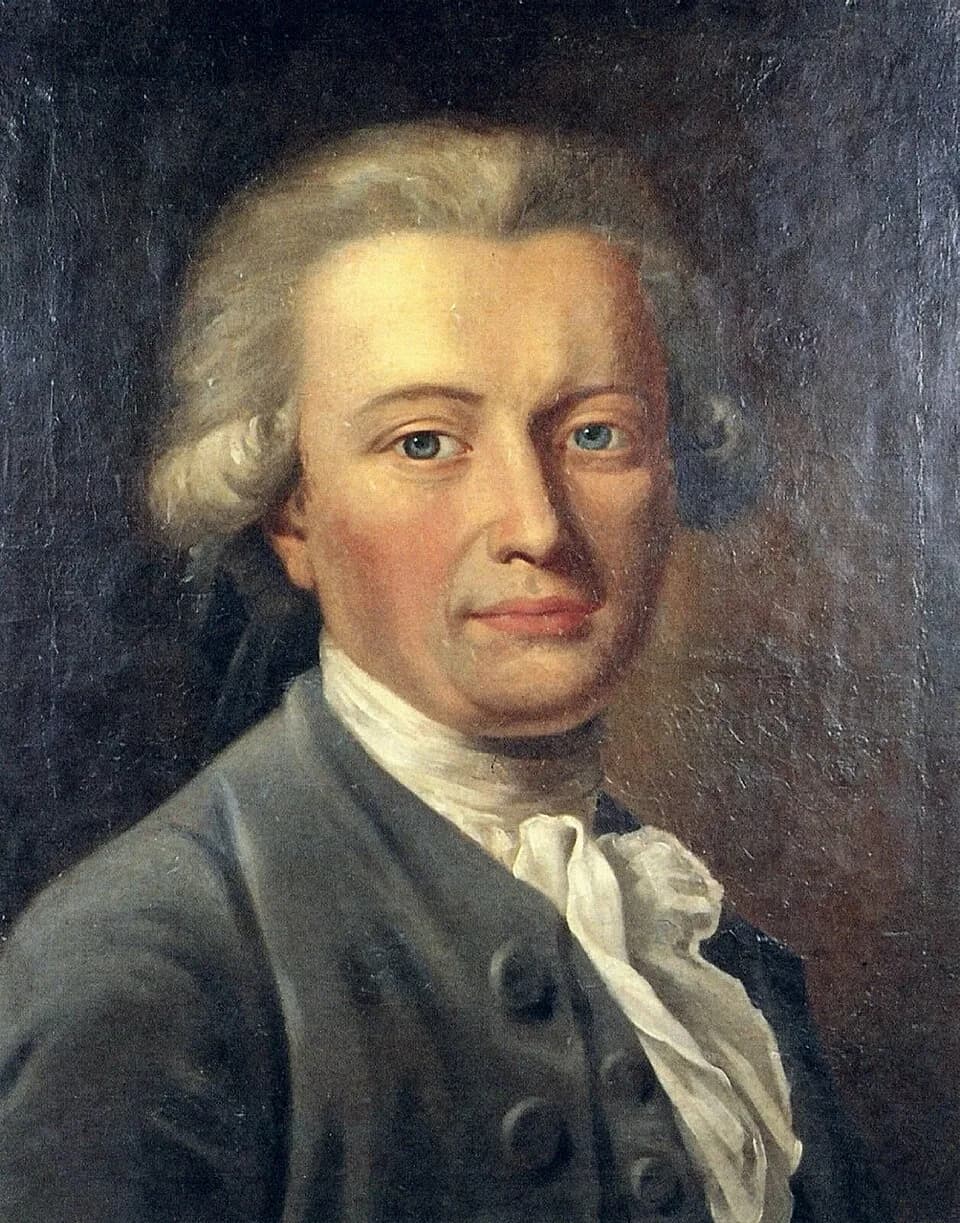
Johann George Adam Forster (November 27, 1754 – January 10, 1794) was a German naturalist, ethnologist, and travel writer from Mokry Dwór, Poland. He gained renown for his report on James Cook's second voyage, significantly contributing to ethnology. Forster is considered a founder of modern scientific travel literature.
Et liv i øyeblikk
Øyeblikkene som formet et liv
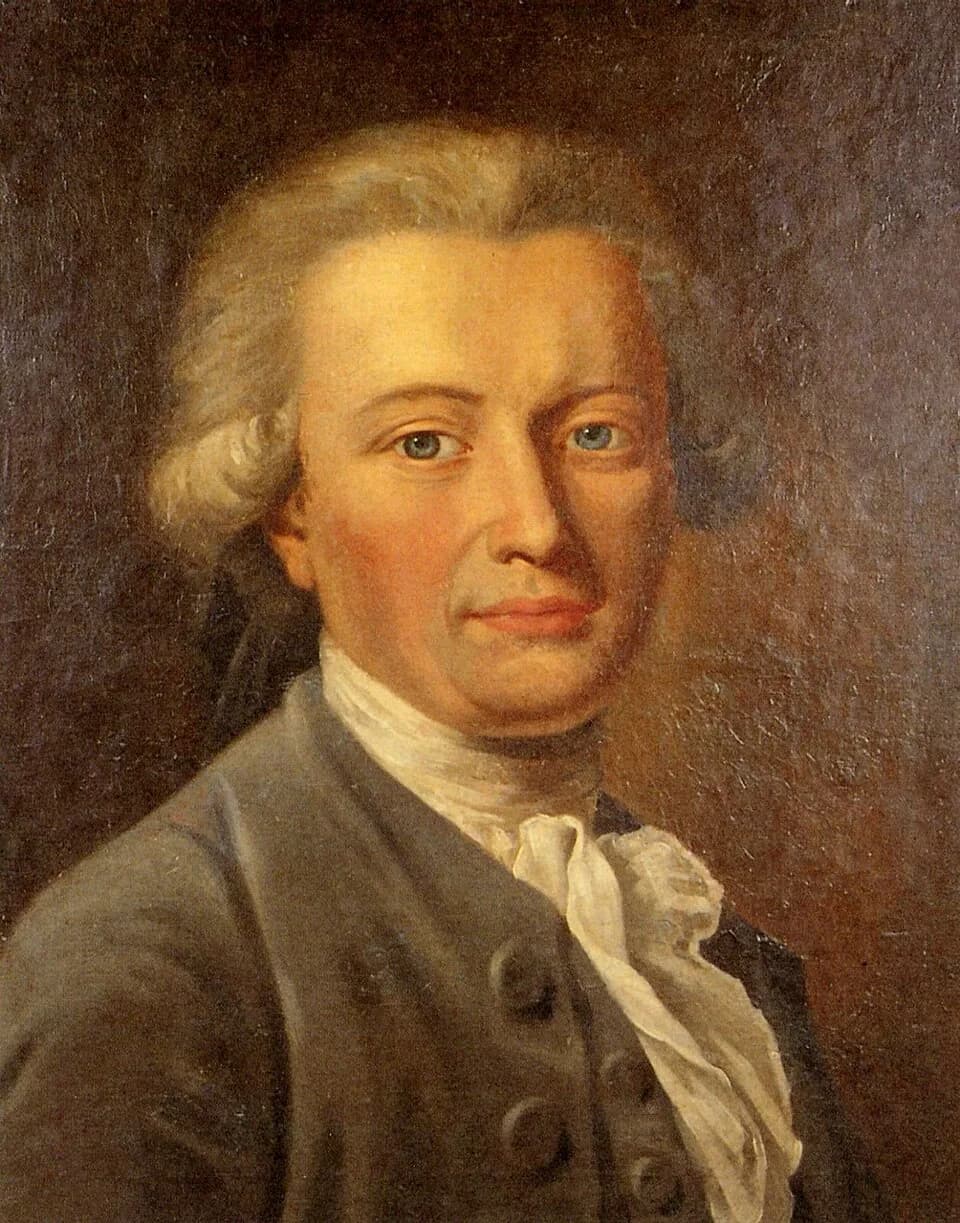
![Georg Forster - A man in a hat with a Forstera sedifolia on the brim holds a New Zealand bellbird. A younger man is depicted drawing.
According to the letters of Therese Huber[1], the painting was inh](/_next/image?url=https%3A%2F%2Fcdn.whowasthisguy.com%2Fgallery_wikimedia_commons_1783616473960_2_151d5279c2.webp&w=1920&q=75)
Kapittel
Livets kapitler
Kapittel 1 · 1754· Kapittel 1 av 7
Early Life and Origins
Born in Mokry Dwór, Poland, on November 27, 1754, Georg Forster's intellectual journey began under the tutelage of his accomplished father, Johann Reinhold Forster. From a very young age, he was immersed in the world of scientific exploration. This early exposure to academic pursuits and the rigors of travel profoundly shaped his future career path.
His upbringing instilled in him a keen sense of observation and a passion for inquiry. He often accompanied his father on various scientific expeditions, gaining practical experience in data collection and analysis. These formative years were crucial, providing the foundation for his later groundbreaking work as a scientific explorer and writer.
Kapittel 2 · 1772· Kapittel 2 av 7
Career Beginnings
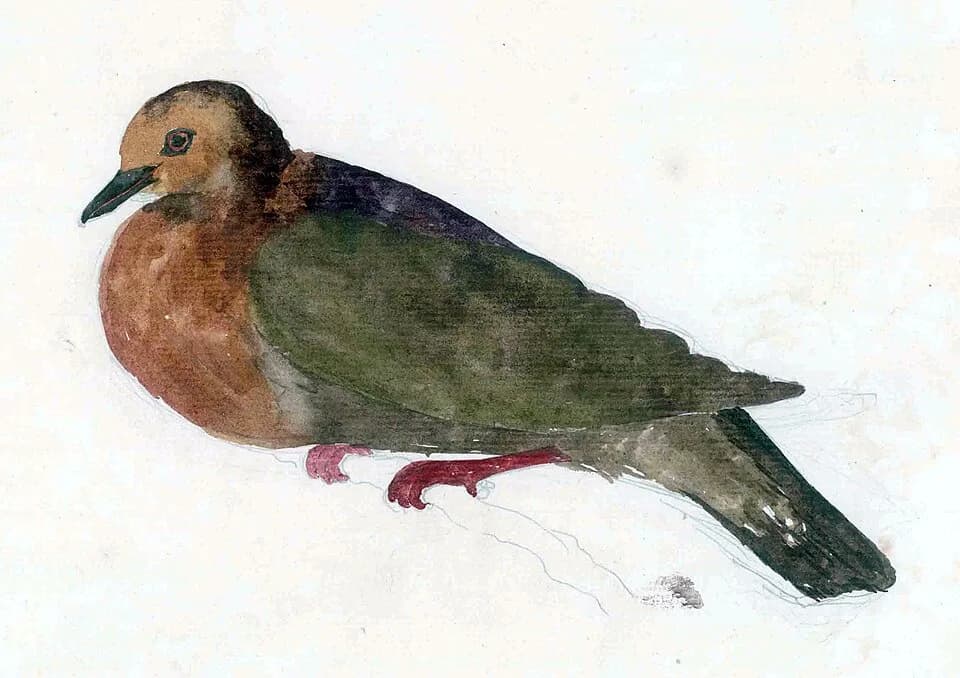
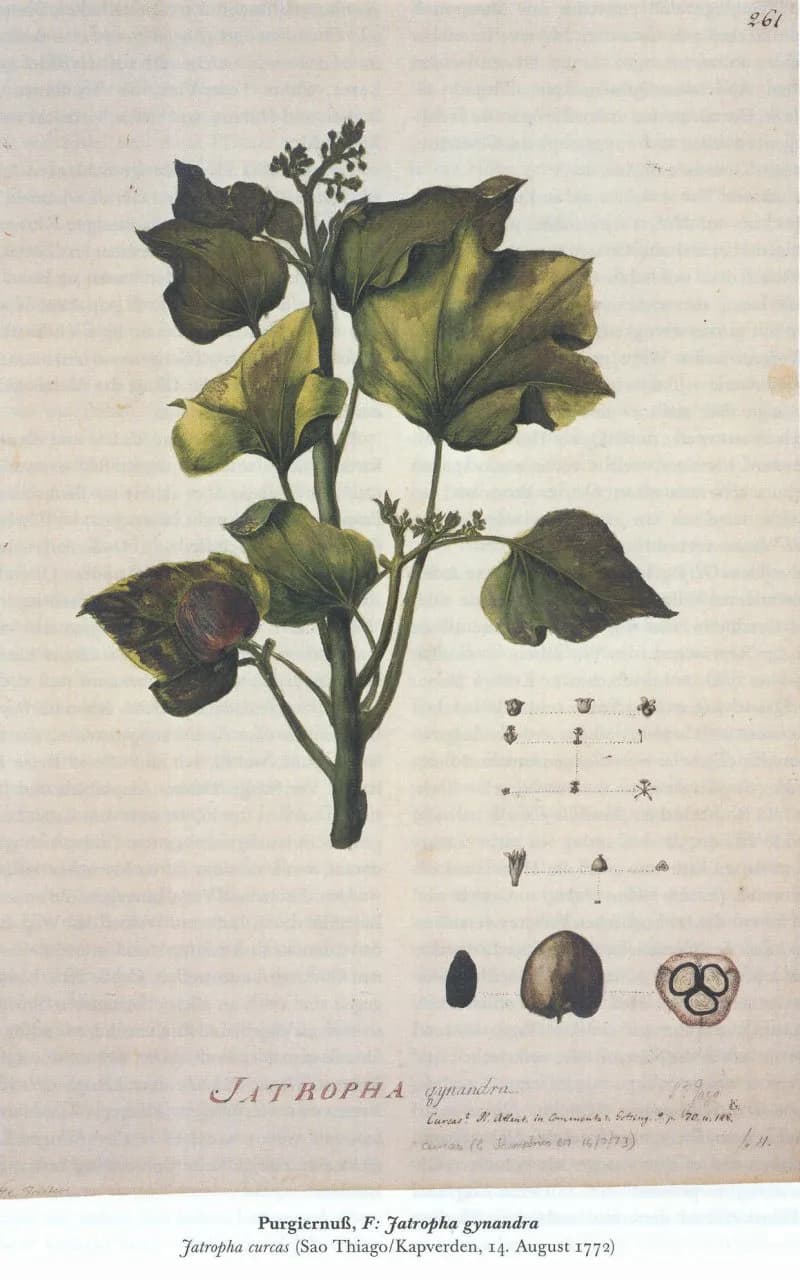
Forster's career truly began to take shape when he joined his father on James Cook's second voyage to the Pacific. This momentous journey, spanning the years 1772 to 1775, was a defining experience for the young naturalist. It offered him an unparalleled opportunity to explore vast, uncharted territories and encounter diverse cultures.
During this expedition, Forster meticulously documented his observations, which would later form the basis of his celebrated travelogue. His ability to record natural phenomena and human customs with such precision and insight marked him as an emerging talent. This early work laid the groundwork for his reputation as a pioneering scientific travel writer.
Kapittel 3· Kapittel 3 av 7
Major Achievements and Career Highlights
One of Georg Forster's most significant achievements was the publication of his report from Cook's second voyage, titled A Voyage Round the World. This work was not just a travelogue but a substantial contribution to the field of ethnology, particularly concerning the people of Polynesia. It provided unprecedented insights into their societies and environments, earning widespread acclaim.
Forster's exceptional talents were recognized early in his life; he was admitted to the prestigious Royal Society at the remarkably young age of twenty-two. His detailed and engaging writing style, combined with his scientific observations, led many to consider him one of the founders of modern scientific travel literature. His expansive career encompassed roles as a naturalist, writer, librarian, biologist, translator, geographer, ethnologist, ornithologist, university teacher, journalist, art historian, entomologist, botanist, botanical collector, mycologist, revolutionary, scientific explorer, traveler, anthropologist, pteridologist, scientific collector, travel writer, explorer, and autobiographer.
His work bridged the gap between scientific reporting and accessible literature, making complex discoveries understandable to a wider audience. Through his multiple professions, Forster consistently demonstrated an unwavering commitment to intellectual inquiry and public education. His influence extended far beyond his published works, touching various academic and social circles.
Kapittel 4· Kapittel 4 av 7
Personal Life
Details of Georg Forster's private family life, beyond his professional collaborations with his father, Johann Reinhold Forster, are not extensively detailed in available historical records. His life appears to have been largely consumed by his extensive travels, scientific pursuits, and literary endeavors. His public persona was primarily defined by his intellectual contributions and his role in scientific exploration.
While his close working relationship with his father is well-documented, specific insights into his personal relationships, interests outside of his professional sphere, or hobbies remain largely unmentioned in the provided information. His focus seemed to be steadfastly on his roles as an explorer, writer, and intellectual.
Kapittel 5· Kapittel 5 av 7
Notable Works or Contributions
Georg Forster's bibliography showcases a prolific and diverse writing career. His seminal work, A Voyage Round the World, chronicled his experiences with James Cook and significantly shaped the field of ethnology. This detailed report of his journey to the Pacific remains a respected work for its scientific rigor and engaging narrative.
Other notable publications include Die Ruinen and Verzeichniss von G. Forster's icones plantarum in itinere ad insulas maris Australis collectarum, reflecting his botanical interests. He also authored Reply to Mr. Wales's remarks and a botanical-medical dissertation titled Dissertatio inauguralis botanico-medica de plantis esculentis insularum oceani Australis. His literary range extended to travelogues like Ansichten Vom Niederrhein, Von Brabant, Flandern, Holland, England und Frankreich, offering perspectives on European landscapes.
Forster further contributed with collected works such as Lichtsrahlen aus seinen Werken and comprehensive compilations like Werke. His specific accounts of exploration were captured in titles like Entdeckungsreise nach Tahiti und in die Südsee 1772-1775. Additionally, he engaged with cultural expression through Frische Teutsche Liedlein in Fünf Teilen, demonstrating his diverse talents.
His academic contributions are also documented, with an h-index of 6 across 63 papers, although some later listed works from 1999, 2000, 2003, and 2005 are posthumous publications or re-examinations of his historical work, with varying citation counts. Original academic work such as BEITRAG ZUR BEMESSUNG VON FEINRECHEN (1999, 3 citations), if genuinely attributed, indicates a continuing scholarly dialogue around his diverse interests.
Kapittel 6 · 1794· Kapittel 6 av 7
Later Years
Georg Forster's later years were marked by his continued intellectual pursuits and a significant shift toward revolutionary ideals. He died in Paris, France, on January 10, 1794. His revolutionary activities defined a distinct phase of his life, demonstrating his commitment to political change in addition to scientific inquiry.
His relocation to Paris and his involvement in political movements illustrate a man deeply engaged with the events of his time. This engagement extended beyond purely academic concerns, reflecting his broader dedication to societal progress. His passing in Paris brought an end to a life lived at the intersection of science, literature, and political action.
Kapittel 7· Kapittel 7 av 7
Legacy and Impact
Georg Forster's legacy endures as a seminal figure in the development of scientific travel literature. His detailed observations from James Cook's second voyage not only expanded geographical knowledge but also provided foundational texts for ethnological studies of Polynesia. He effectively merged rigorous scientific reporting with accessible and engaging prose.
His wide array of professions, from naturalist to revolutionary, highlights a truly versatile and engaged individual. Forster's work influenced subsequent generations of explorers, writers, and scientists, setting a high standard for factual accuracy and narrative depth. He demonstrated that scientific exploration could be both informative and inspiring, forever changing how discoveries were shared with the world.
Vanlige spørsmål
Vanlige spørsmål
Når døde Georg Forster?
Georg Forster døde 10. januar 1794 i Paris, France, 39 år gammel.
Hvor ble Georg Forster født?
Georg Forster ble født i Mokry Dwór, Poland 27. november 1754.
Hva er Georg Forster mest kjent for?
Georg Forster er mest kjent for German naturalist, ethnologist, travel writer, journalist, and revolutionary.
Hvor gammel var Georg Forster ved døden?
Georg Forster var 39 år gammel ved dødsfallet.
Hvilken nasjonalitet hadde Georg Forster?
Georg Forster kom fra Poland.
Tidslinje
Et liv i et øyekast
Fotogalleri
Et liv i bilder
Klikk på et hvilket som helst polaroidbilde for å forstørre · 25 fotografier
QR-kode
Del denne biografien
Skriv ut og del
Skann for å besøke denne biografisiden. Skriv ut for arrangementer, utstillinger eller undervisningsmateriell.