Født
October 15, 1938
Abeokuta, Nigeria
Døde
August 2, 1997
Lagos, Nigeria
Kjent for
Nigerian musician and activist
Fela Kuti (1938–1997) was Nigeria best known for Nigerian musician and activist.
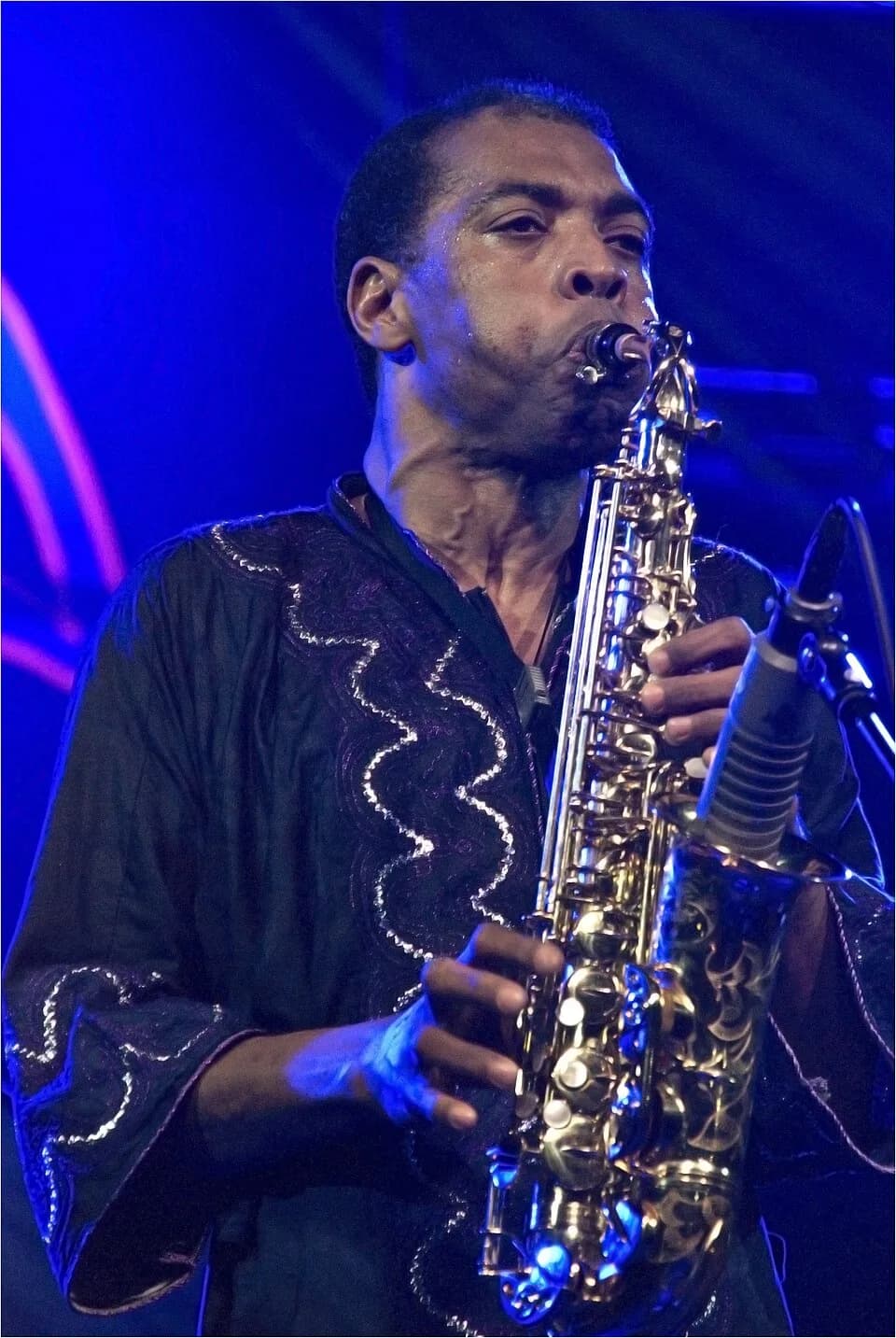
Fela Kuti (October 15, 1938 – August 2, 1997) was a Nigerian musician and activist from Abeokuta. He is celebrated as the principal innovator of Afrobeat, blending West African music with American funk and jazz. Kuti's powerful musical and sociopolitical voice left an international legacy.
Kapittel
Livets kapitler
Kapittel 1 · 1938· Kapittel 1 av 6
Early Life and Origins
Fela Kuti was born in Abeokuta, Nigeria, on October 15, 1938. His upbringing in Nigeria provided a rich cultural foundation for his future artistic expressions. This period significantly shaped his perspective, which would later manifest strongly in his distinctive musical voice and activism.
Kapittel 2 · 1965· Kapittel 2 av 6
Career Beginnings
Kuti's journey in music began to take concrete form with his band, Fela Ransome Kuti and His Koola Lobitos, established in 1965. This early ensemble was crucial in developing his evolving sound and performance style. By 1969, he ventured into recording The ’69 Los Angeles Sessions, marking a significant step in his burgeoning international career.
Kapittel 3· Kapittel 3 av 6
Major Achievements and Career Highlights
Fela Kuti is primarily revered for creating Afrobeat, a genre that skillfully merges traditional West African music with American funk and jazz elements. This inventive fusion established him as a singular force in world music. At the height of his popularity, Kuti was frequently described as one of Africa's most "challenging and charismatic music performers." AllMusic acknowledged his global influence, describing him as "a musical and sociopolitical voice" of international significance.
Kapittel 4 · 1971· Kapittel 4 av 6
Notable Works or Contributions
Kuti's extensive discography highlights his prolific creativity and artistic growth across genres like afrobeat, jazz, and jùjú. Key albums from the early 1970s include Fela's London Scene (1971), Na Poi (1971), Open & Close (1971), and Why Black Man Dey Suffer (1971). His significant releases continued with Roforofo Fight (1972), Shakara (1972), Afrodisiac (1973), and Gentleman (1973). His compositions, such as "Confusion," "Mr. Follow follow," and "Shuffering and shmiling," often served as powerful vehicles for political and social critique.
Kapittel 5 · 1997· Kapittel 5 av 6
Later Years
Fela Kuti maintained his dedication to creating and performing throughout his life. He remained an outspoken activist, consistently using his music as a potent instrument for social commentary and change. Fela Kuti passed away in Lagos, Nigeria, on August 2, 1997, leaving behind an immense musical and cultural heritage.
Kapittel 6· Kapittel 6 av 6
Legacy and Impact
Fela Kuti's influence on both music and activism remains profound and widespread. He is celebrated as the principal innovator of Afrobeat, a genre that continues to inspire musicians across the globe. His distinctive synthesis of jazz, jùjú, and funk birthed a new sound that transcended geographical and cultural barriers. Kuti's courageous stance as an activist, eloquently expressed through his powerful songs, solidified his status as a lasting global icon.
Et liv i øyeblikk
Øyeblikkene som formet et liv





Vanlige spørsmål
Vanlige spørsmål
Når døde Fela Kuti?
Fela Kuti døde 2. august 1997 i Lagos, Nigeria, 58 år gammel.
Hvor ble Fela Kuti født?
Fela Kuti ble født i Abeokuta, Nigeria 15. oktober 1938.
Hva er Fela Kuti mest kjent for?
Fela Kuti er mest kjent for Nigerian musician and activist.
Hvor gammel var Fela Kuti ved døden?
Fela Kuti var 58 år gammel ved dødsfallet.
Hvilken nasjonalitet hadde Fela Kuti?
Fela Kuti kom fra Nigeria.
Tidslinje
Et liv i et øyekast
Fotogalleri
Et liv i bilder
Klikk på et hvilket som helst polaroidbilde for å forstørre · 24 fotografier
QR-kode
Del denne biografien
Skriv ut og del
Skann for å besøke denne biografisiden. Skriv ut for arrangementer, utstillinger eller undervisningsmateriell.