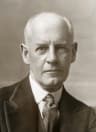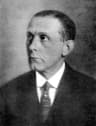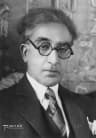
Født
July 5, 1857
Königshain-Wiederau, Germany
Døde
June 20, 1933
Arkhangelskoye, Russia
Kjent for
Communist activist, and advocate for women's rights
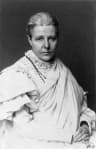
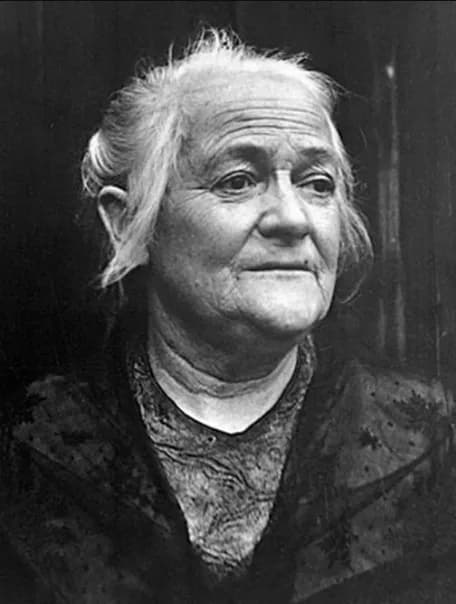
Clara Zetkin (1857–1933) was Germany best known for Communist activist, and advocate for women's rights.
Clara Zetkin (July 5, 1857 – June 20, 1933) was a German communist activist and advocate for women's rights. She dedicated her life to social justice and equality, leaving a lasting influence on both the communist movement and feminist thought.
Kapittel
Livets kapitler
Kapittel 1 · 1857· Kapittel 1 av 6
Early Life and Roots
Clara Zetkin was born Clara Eissner on July 5, 1857, in Königshain-Wiederau, a town located in what was then the Kingdom of Saxony, Germany. Growing up in a period of significant social and political upheaval across Europe, her early environment likely fostered a critical perspective on societal structures. Her foundational experiences laid the groundwork for a future devoted to advocating for the marginalized. Her early education and a potential career as a teacher would have instilled in her a commitment to learning and a desire to educate others on important social issues.
Kapittel 2· Kapittel 2 av 6
A Voice for Change: Early Activism
Zetkin's commitment to social justice began to manifest in her early professional life, transitioning from teaching to fervent activism. She became deeply involved in the burgeoning socialist movement, quickly identifying with Marxist principles. This commitment led her to become a prominent communist activist, working diligently to organize and empower the working class. Her early work laid the foundation for her later political career, where she would serve as an influential voice in the German and international socialist parties.
Kapittel 3· Kapittel 3 av 6
Championing Women's Rights
Central to Clara Zetkin's life work was her relentless advocacy for women's rights, a cause she intertwined with her socialist beliefs. She argued that true liberation for women could only be achieved through a socialist transformation of society. As a leading suffragette, she campaigned vigorously for women's right to vote and for their full participation in public life. Her efforts were instrumental in bringing women's issues to the forefront of the socialist agenda, advocating for equal pay, protective labor legislation, and access to education for women.
Zetkin's role as a women's rights activist extended to her work as an editor, where she utilized publications to disseminate her views and organize women across Germany. She became a significant voice for women workers, highlighting their struggles and advocating for their rights within the workplace. Her vision aimed for a society where women were recognized as equal partners, free from economic exploitation and patriarchal oppression. She believed firmly in the collective power of women to bring about fundamental societal change.
Kapittel 4 · 1918· Kapittel 4 av 6
Literary and Political Contributions
Throughout her career, Clara Zetkin utilized her skills as a writer and journalist to articulate her political theories and mobilize support for her causes. Her prolific output included numerous articles, pamphlets, and speeches that expounded on Marxism, feminism, and peace. A notable work, "Die Novemberrevolution 1918/19 und die Frauen," stands as a clear example of her analytical capabilities and her focus on women's roles in historical events. This particular work examined the German November Revolution through the lens of women's experiences and contributions.
Beyond her writing, Zetkin was a dedicated politician, serving as a member of the Reichstag for the Communist Party of Germany (KPD) for many years. Her parliamentary work allowed her to directly influence policy and legislation, pushing for socialist reforms and women's emancipation. She was also a peace activist, condemning militarism and advocating for international solidarity among working people. Her political career was defined by an unwavering commitment to her ideals, expressed powerfully through her words and actions.
Kapittel 5 · 1933· Kapittel 5 av 6
Later Years and Exile
As the political climate in Germany grew increasingly hostile in the early 1930s, Clara Zetkin, a prominent communist, found herself facing severe threats. With the rise of Nazism, her outspoken opposition to fascism made her a target. She was forced into exile, leaving her homeland. She spent her final years in Russia, continuing her political work and maintaining her commitment to the international communist movement until her death on June 20, 1933, in Arkhangelskoye, Russia.
Kapittel 6· Kapittel 6 av 6
Enduring Legacy
Clara Zetkin's influence continues to resonate today, solidifying her place as a significant figure in both communist and feminist history. Her tireless efforts as a communist activist helped shape the international socialist movement and its approach to women's issues. She is remembered for her crucial role in advocating for women's suffrage and economic equality, inspiring generations of activists. Her dedication to peace and social justice serves as an enduring example of courage and conviction in the face of adversity.
Zetkin’s contributions as a writer, editor, and politician ensured that her ideas reached a wide audience, leaving behind a rich body of work that continues to be studied. Her call for the integration of women's rights into broader movements for social change remains relevant. Clara Zetkin’s life stands as a powerful reminder of the ongoing struggle for equality and the strength of principled advocacy.
Et liv i øyeblikk
Øyeblikkene som formet et liv
Vanlige spørsmål
Vanlige spørsmål
Når døde Clara Zetkin?
Clara Zetkin døde 20. juni 1933 i Arkhangelskoye, Russia, 75 år gammel.
Hvor ble Clara Zetkin født?
Clara Zetkin ble født i Königshain-Wiederau, Germany 5. juli 1857.
Hva er Clara Zetkin mest kjent for?
Clara Zetkin er mest kjent for Communist activist, and advocate for women's rights.
Hvor gammel var Clara Zetkin ved døden?
Clara Zetkin var 75 år gammel ved dødsfallet.
Hvilken nasjonalitet hadde Clara Zetkin?
Clara Zetkin kom fra Germany.
Tidslinje
Et liv i et øyekast
Fotogalleri
Et liv i bilder
Klikk på et hvilket som helst polaroidbilde for å forstørre · 47 fotografier
QR-kode
Del denne biografien
Skriv ut og del
Skann for å besøke denne biografisiden. Skriv ut for arrangementer, utstillinger eller undervisningsmateriell.