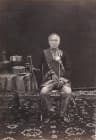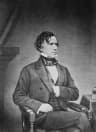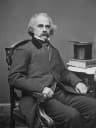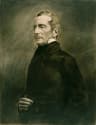
Født
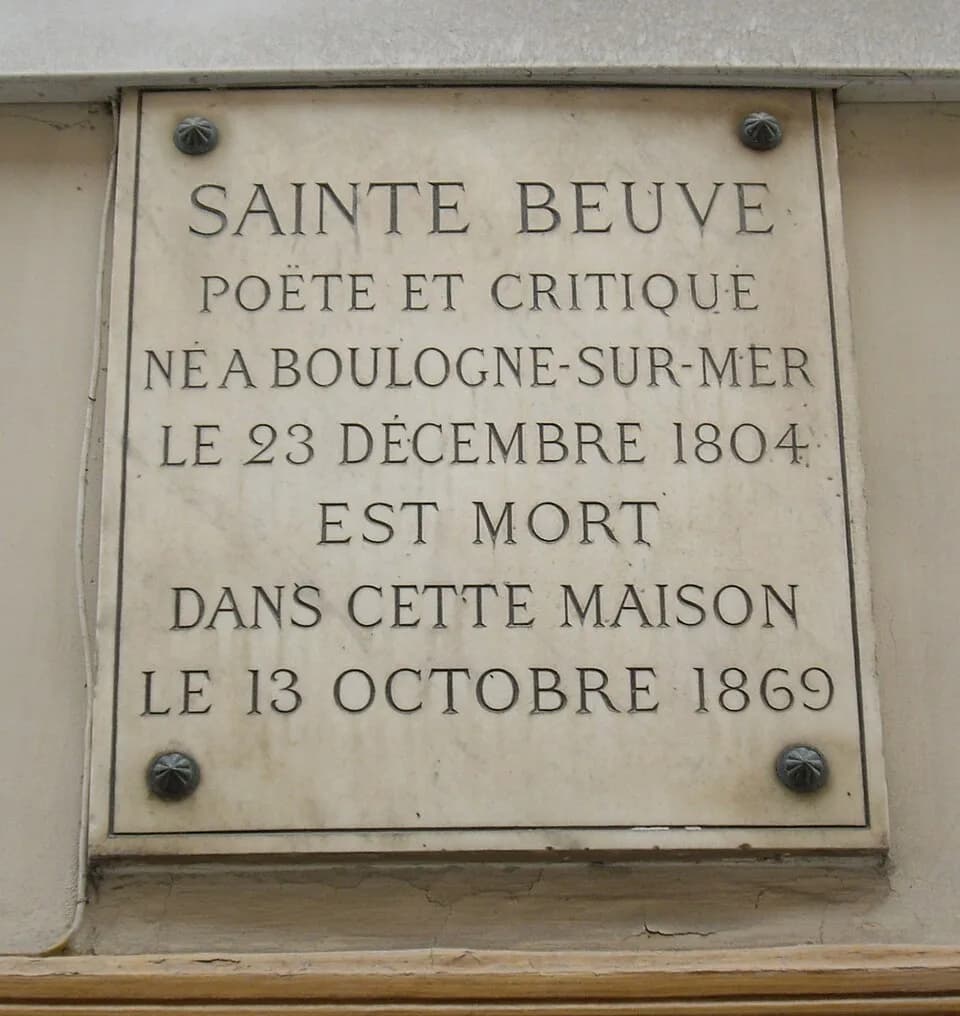
December 23, 1804
Boulogne-sur-Mer, France
Døde
October 13, 1869
Paris, France
Kjent for
French literary critic
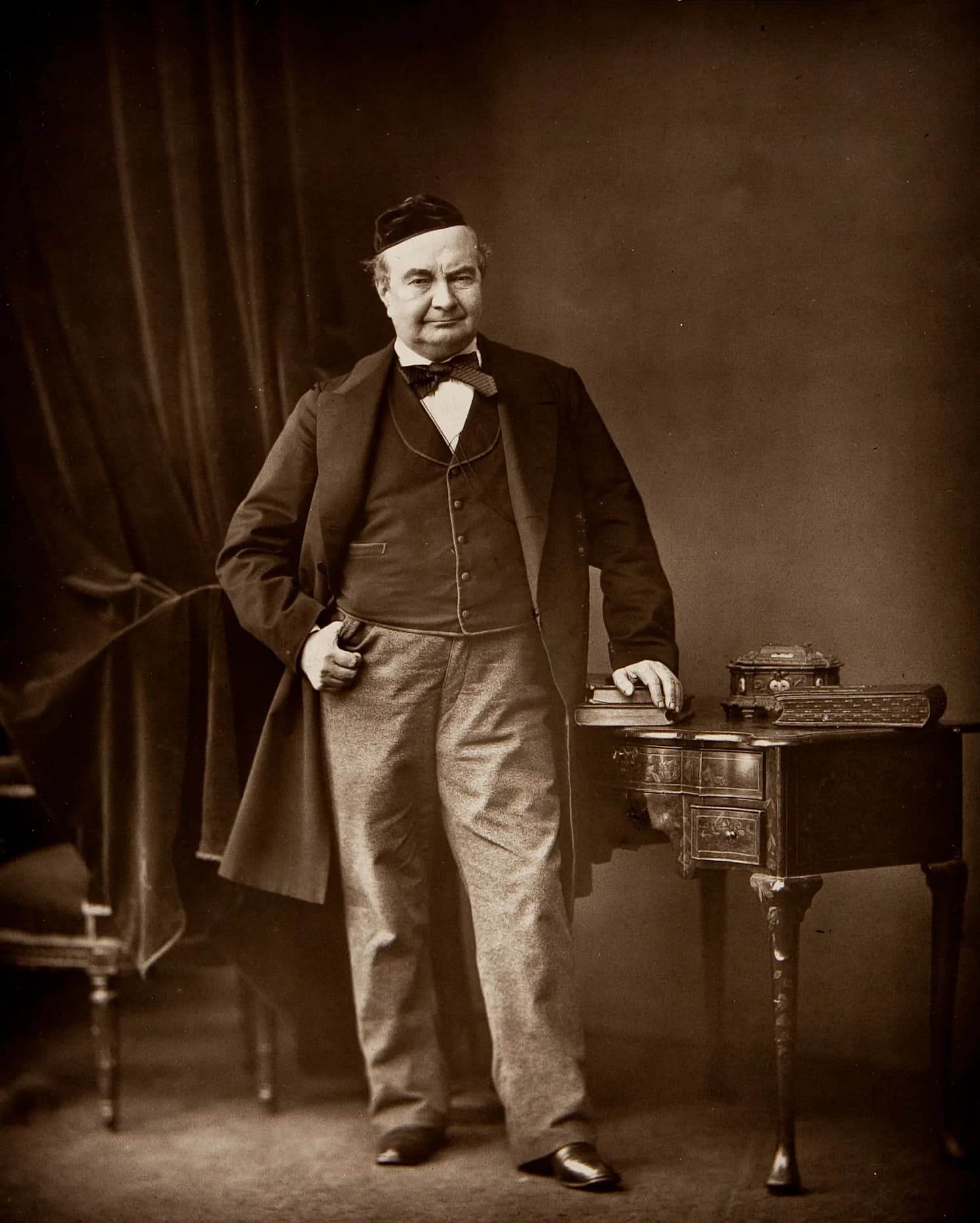
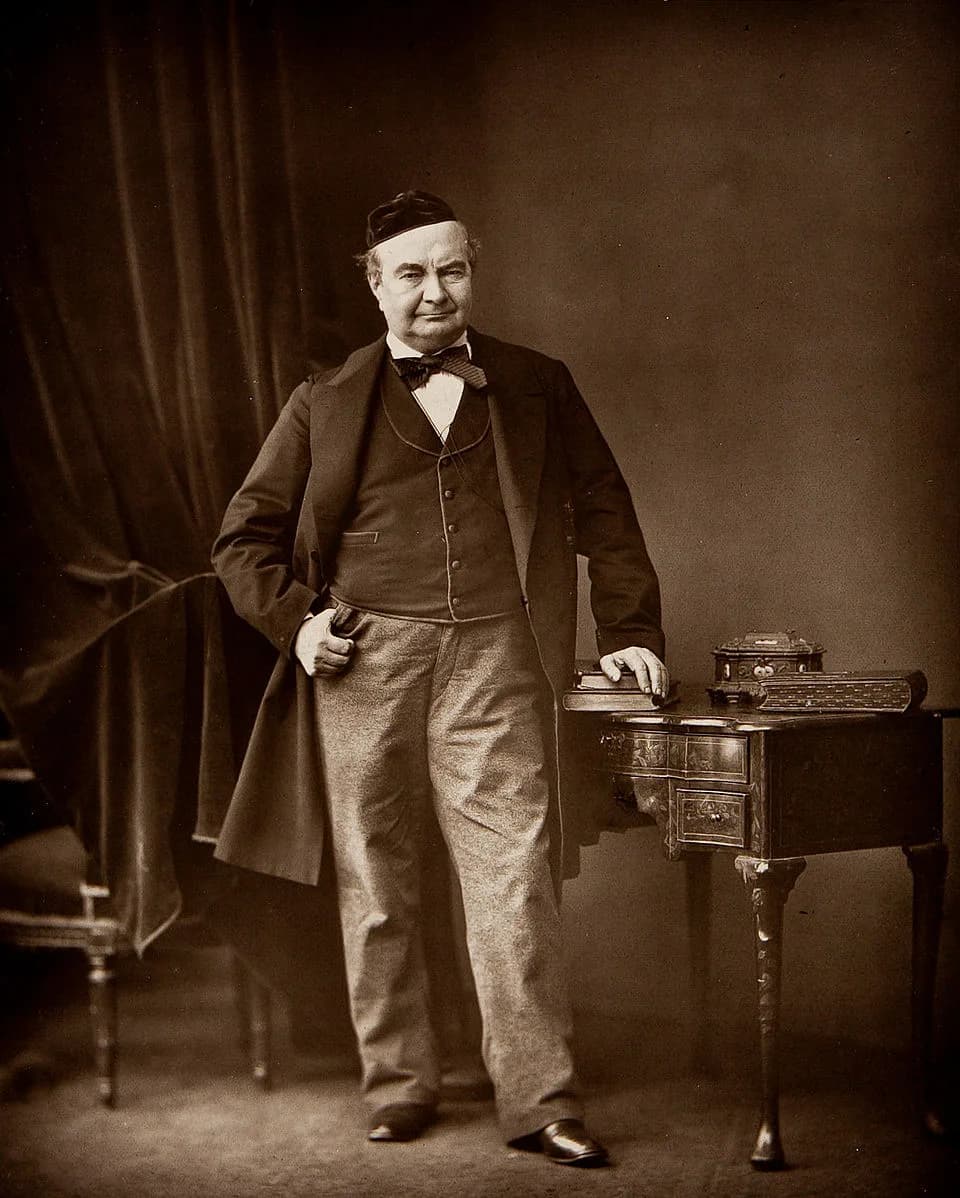
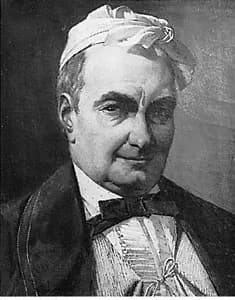
Charles-Augustin Sainte-Beuve (1804–1869) was France best known for French literary critic.
Charles-Augustin Sainte-Beuve (December 23, 1804 – October 13, 1869) was a French literary critic who championed understanding an artist's biography to interpret their work. His 'Monday Chats' and the exhaustive history of *Port-Royal* profoundly influenced literary and historical scholarship. His method, though debated by figures like Proust, redefined critical engagement.
Kapittel
Livets kapitler
Kapittel 1 · 1804· Kapittel 1 av 3
The 'Monday Chats'
Born in Boulogne-sur-Mer, France, in 1804, Sainte-Beuve initially pursued medicine before turning fully to literature. He contributed critical articles, later collected in his Premier lundis, to the newspaper Globe. He found his most enduring voice with his popular columns, the Causeries du lundi, or 'Monday Chats,' which began appearing in Le Constitutionnel in 1849. These weekly essays offered a fresh, accessible approach to literary criticism.
Sainte-Beuve believed that to truly grasp an artist's creation, one must understand the artist's life. He explored biographies, personal histories, and social contexts to illuminate the work. This method, while influential, was not without its detractors. Marcel Proust, in particular, famously challenged Sainte-Beuve’s biographical approach in his essays Contre Sainte-Beuve.
Kapittel 2 · 1837· Kapittel 2 av 3
A Masterpiece and a Senator's Stand
Beyond his weekly columns, Sainte-Beuve undertook monumental scholarly work. His undisputed masterpiece, Port-Royal, was a multi-volume history of the Jansenist abbey. Published between 1837 and 1859, this exhaustive study not only shaped how religious belief was researched but also influenced the philosophy of history itself.
His public life wasn't confined to academia. When Louis Napoleon became Emperor, Sainte-Beuve was appointed professor of Latin poetry at the Collège de France. However, anti-Imperialist students loudly opposed his presence, and he soon resigned. Later, as a Senator in 1865, he distinguished himself by bravely advocating for freedom of speech and of the press. He stood firmly for these principles.
Kapittel 3 · 1880· Kapittel 3 av 3
Lasting Influence and Debate
Even across national borders, Sainte-Beuve's critical voice resonated. Friedrich Nietzsche, despite his reservations, recognized his importance, leading to the first German translation of the Causeries du lundi in 1880. Nietzsche found it a marvelous book. His work continued to provoke thought long after his death in Paris in 1869, prompting generations to consider the intimate dance between a creator’s life and their art. He lived his final years largely in retirement, suffering acutely from illness, yet his intellectual debates continued to echo.
Et liv i øyeblikk
Øyeblikkene som formet et liv
Vanlige spørsmål
Vanlige spørsmål
Når døde Charles-Augustin Sainte-Beuve?
Charles-Augustin Sainte-Beuve døde 13. oktober 1869 i Paris, France, 64 år gammel.
Hvor ble Charles-Augustin Sainte-Beuve født?
Charles-Augustin Sainte-Beuve ble født i Boulogne-sur-Mer, France 23. desember 1804.
Hva er Charles-Augustin Sainte-Beuve mest kjent for?
Charles-Augustin Sainte-Beuve er mest kjent for French literary critic.
Hvor gammel var Charles-Augustin Sainte-Beuve ved døden?
Charles-Augustin Sainte-Beuve var 64 år gammel ved dødsfallet.
Hvilken nasjonalitet hadde Charles-Augustin Sainte-Beuve?
Charles-Augustin Sainte-Beuve kom fra France.
Tidslinje
Et liv i et øyekast
Fotogalleri
Et liv i bilder
Klikk på et hvilket som helst polaroidbilde for å forstørre · 49 fotografier
QR-kode
Del denne biografien
Skriv ut og del
Skann for å besøke denne biografisiden. Skriv ut for arrangementer, utstillinger eller undervisningsmateriell.