Født
June 22, 1906
Sucha Beskidzka, Poland
Døde
March 27, 2002
Beverly Hills, United States
Kjent for
Austrian-born American filmmaker and screenwriter
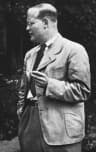
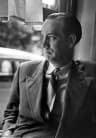
Billy Wilder (1906–2002) was Poland best known for Austrian-born American filmmaker and screenwriter.
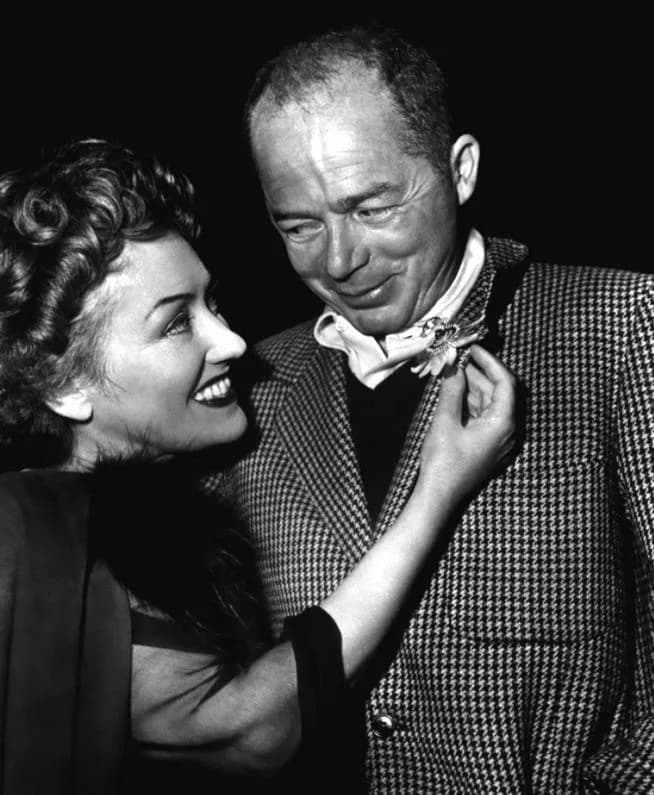
Billy Wilder (June 22, 1906 – March 27, 2002) was an Austrian-born American filmmaker and screenwriter. He earned seven Academy Awards and is regarded as one of the most versatile filmmakers of classical Hollywood cinema. His influence on filmmaking remains significant.
Kapittel
Livets kapitler
Kapittel 1 · 1906· Kapittel 1 av 8
Opening
Billy Wilder (June 22, 1906 – March 27, 2002) was an Austrian-born American filmmaker and screenwriter whose extensive career spanned five decades, making him one of the most versatile figures in classical Hollywood cinema. His sharp wit, keen observational skills, and ability to navigate various genres left an enduring mark on the world of film. Wilder's contributions as a screenwriter, director, and producer consistently pushed artistic boundaries and garnered widespread critical acclaim throughout his impactful life.
Kapittel 2 · 1906· Kapittel 2 av 8
Early Life and Origins
Born on June 22, 1906, in Sucha Beskidzka, a town then situated within Austria-Hungary and now part of Poland, Billy Wilder's European origins provided a distinct perspective that would later inform his work. While specific details about his family and early upbringing are not extensively documented, his roots in Central Europe were foundational to his later identity. This background contributed to his unique viewpoint on society and human nature, elements often explored in his cinematic narratives.
Kapittel 3· Kapittel 3 av 8
Career Beginnings
Wilder began his professional journey as a journalist and writer, a period that undoubtedly honed his abilities in crafting compelling stories and incisive dialogue. This initial phase of his career provided a strong foundation for his transition into the film industry. His subsequent move to Hollywood marked the start of a remarkable five-decade tenure, during which he quickly rose to prominence and helped define the golden age of American cinema.
Kapittel 4· Kapittel 4 av 8
Major Achievements and Career Highlights
Billy Wilder achieved significant recognition and numerous accolades throughout his prolific career, solidifying his status as a legendary filmmaker. He was honored with an impressive seven Academy Awards, celebrating his excellence in both screenwriting and directing across various projects. His extensive list of honors also included a prestigious BAFTA Award, the esteemed Cannes Film Festival's Palme d'Or, and two Golden Globe Awards, underscoring his wide-ranging critical and popular success.
Kapittel 5· Kapittel 5 av 8
Personal Life
While Billy Wilder's extraordinary professional achievements are widely celebrated and meticulously documented, specific details regarding his personal life, family, and relationships are not extensively provided in the available biographical information. His dedication and focus were predominantly channeled into his prolific work as a filmmaker and screenwriter. Through his films, he often explored complex human emotions and societal themes, offering a window into his own perspectives and observations.
Kapittel 6 · 1939· Kapittel 6 av 8
Notable Works or Contributions
Wilder's profound talent as a screenwriter, writer, and film director is clearly showcased through his rich and diverse filmography. Early in his career, he contributed to notable screenplays like *Ninotchka* (1939), demonstrating his early mastery of comedic and dramatic storytelling. He then went on to direct and co-write a series of iconic films that defined various genres and captivated audiences.
Among his most acclaimed directorial works are *Double Indemnity* (1944), a landmark film noir celebrated for its intricate plot and sharp dialogue, and *The Lost Weekend* (1945), a powerful drama that earned significant critical praise. He further solidified his reputation with *Sunset Blvd.* (1950), a quintessential Hollywood classic exploring the darker side of fame and illusion. Wilder also directed *Stalag 17* (1953), a compelling and often humorous war drama that highlighted his narrative range, and wrote *The Fortune Cookie*.
Beyond his narrative features, Billy Wilder's influence is acknowledged in documentary works that explore the history of cinema. He is referenced in and contributes to *A Personal Journey with Martin Scorsese Through American Movies* (1995) and *From Caligari to Hitler: German Cinema in the Age of the Masses* (2015). These cinematic histories affirm his lasting presence and importance within the broader context of film studies, reflecting his enduring impact on the craft.
Kapittel 7 · 2002· Kapittel 7 av 8
Later Years
Billy Wilder maintained an active and influential presence in Hollywood for over five decades, consistently contributing to the art of filmmaking. His career's remarkable longevity reflected his dedication and sustained creative output. He passed away on March 27, 2002, in Beverly Hills, United States, concluding a life exceptionally rich in cinematic achievement and cultural impact.
Kapittel 8· Kapittel 8 av 8
Legacy and Impact
Billy Wilder's legacy as a filmmaker and screenwriter is immense, distinguished by his extraordinary versatility and a unique ability to blend humor with profound dramatic insight. He is widely recognized as one of the most influential figures of classical Hollywood cinema, leaving an indelible mark that continues to inspire succeeding generations of filmmakers. His seven Academy Awards, alongside numerous other major honors, stand as clear symbols of his enduring artistic merit.
His body of work, characterized by witty dialogue, complex characters, and timeless themes, continues to be studied, celebrated, and enjoyed by audiences worldwide. Wilder's films often provided a mirror to society, reflecting universal truths with a distinctive blend of cynicism and humanity. His lasting influence reshaped storytelling in cinema and ensured his place as a true master of the craft.
Et liv i øyeblikk
Øyeblikkene som formet et liv
Vanlige spørsmål
Vanlige spørsmål
Når døde Billy Wilder?
Billy Wilder døde 27. mars 2002 i Beverly Hills, United States, 95 år gammel.
Hvor ble Billy Wilder født?
Billy Wilder ble født i Sucha Beskidzka, Poland 22. juni 1906.
Hva er Billy Wilder mest kjent for?
Billy Wilder er mest kjent for Austrian-born American filmmaker and screenwriter.
Hvor gammel var Billy Wilder ved døden?
Billy Wilder var 95 år gammel ved dødsfallet.
Hvilken nasjonalitet hadde Billy Wilder?
Billy Wilder kom fra Poland.
Tidslinje
Et liv i et øyekast
Fotogalleri
Et liv i bilder
Klikk på et hvilket som helst polaroidbilde for å forstørre · 44 fotografier
QR-kode
Del denne biografien
Skriv ut og del
Skann for å besøke denne biografisiden. Skriv ut for arrangementer, utstillinger eller undervisningsmateriell.