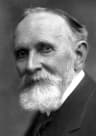
Født
April 16, 1844
Paris, France
Døde
October 12, 1924
France
Kjent for
French writer
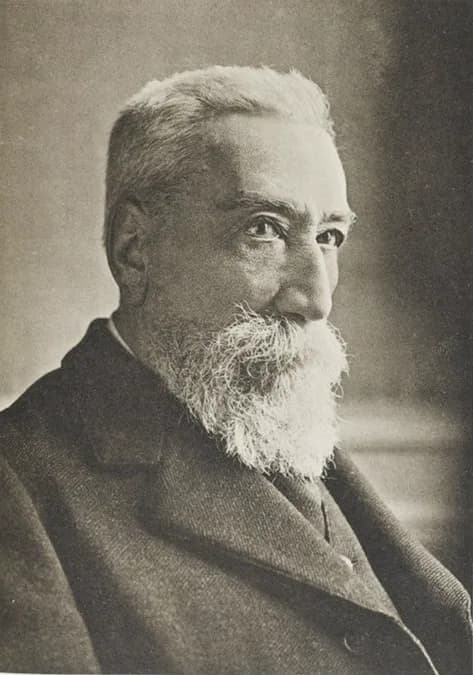
Anatole France (1844–1924) was France best known for French writer.
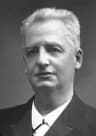
Anatole France (April 16, 1844 – October 12, 1924) was a French writer from Paris. He won the 1921 Nobel Prize in Literature and was considered the ideal French man of letters, celebrated for his nobility of style and human sympathy.
Kapittel
Livets kapitler
Kapittel 1 · 1844· Kapittel 1 av 6
Early Life and Origins
Anatole France began his life in the vibrant city of Paris, France, where he was born on April 16, 1844. This Parisian upbringing likely shaped his literary sensibilities and his connection to French culture. Details of his early family life and formal education are not extensively detailed, but his later career path clearly indicates a deep engagement with intellectual pursuits.
Kapittel 2· Kapittel 2 av 6
Career Beginnings
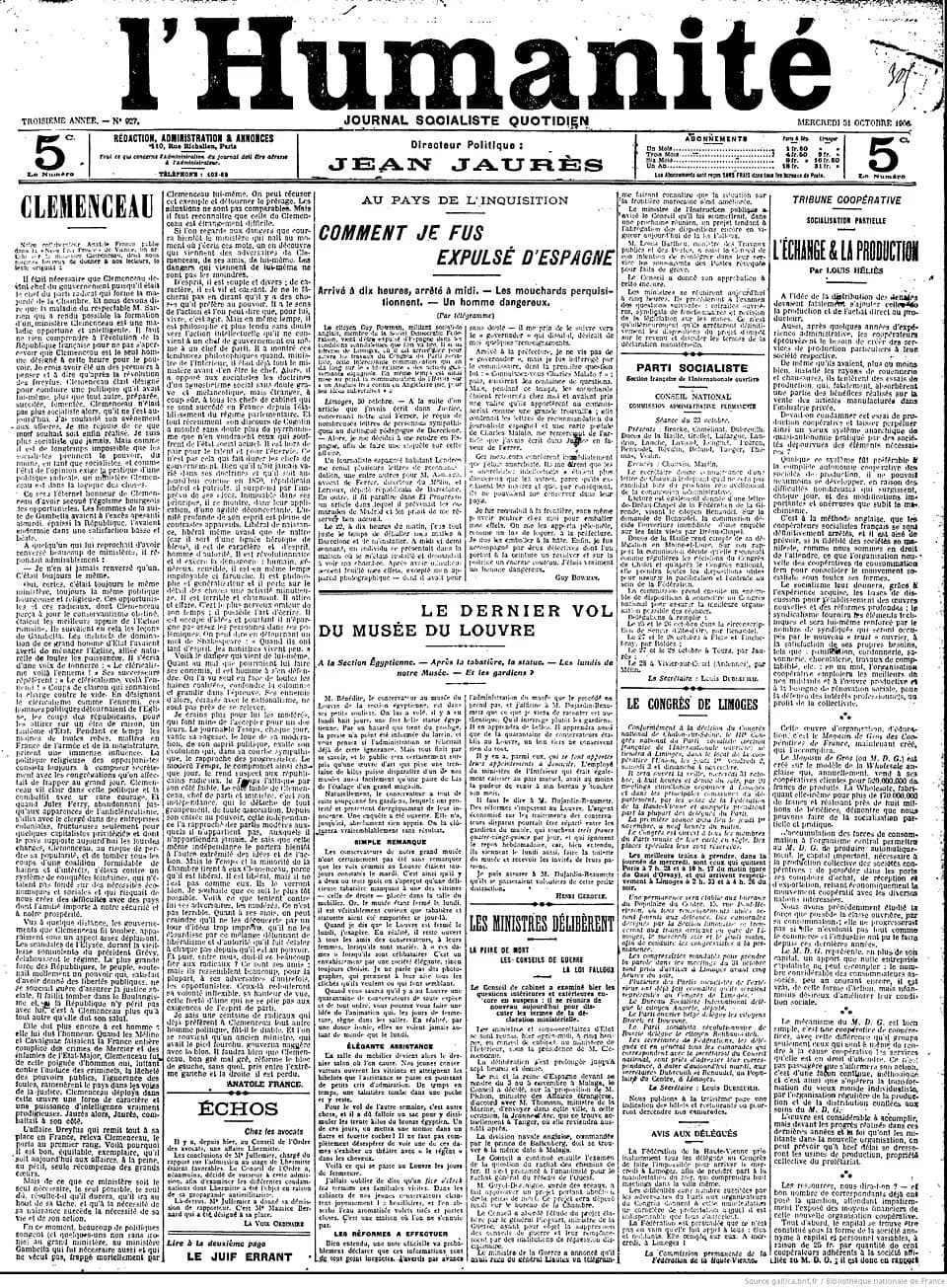
France embarked on a diverse professional journey that laid the foundation for his celebrated writing career. His early professions included poet, a craft that honed his lyrical abilities, and journalist, which sharpened his observational skills and critical voice. He also served as a librarian, a role that undoubtedly deepened his literary knowledge and provided extensive exposure to a wide range of written works, alongside his work as a biographer, literary critic, and prose writer.
Kapittel 3· Kapittel 3 av 6
Major Achievements and Career Highlights
Throughout his career, Anatole France accumulated numerous accolades, solidifying his status as a literary giant. He became a respected member of the prestigious Académie Française, a significant recognition of his contribution to French language and literature. His literary output included several best-selling works, indicating wide popular appeal alongside critical acclaim, establishing him as the ideal French man of letters in his era.
A crowning achievement came in 1921 when France was awarded the Nobel Prize in Literature. The Swedish Academy cited his "brilliant literary achievements, characterized as they are by a nobility of style, a profound human sympathy, grace, and a true Gallic temperament." This award cemented his global reputation and acknowledged the distinctive qualities that defined his literary work.
Kapittel 4· Kapittel 4 av 6
Notable Works and Contributions
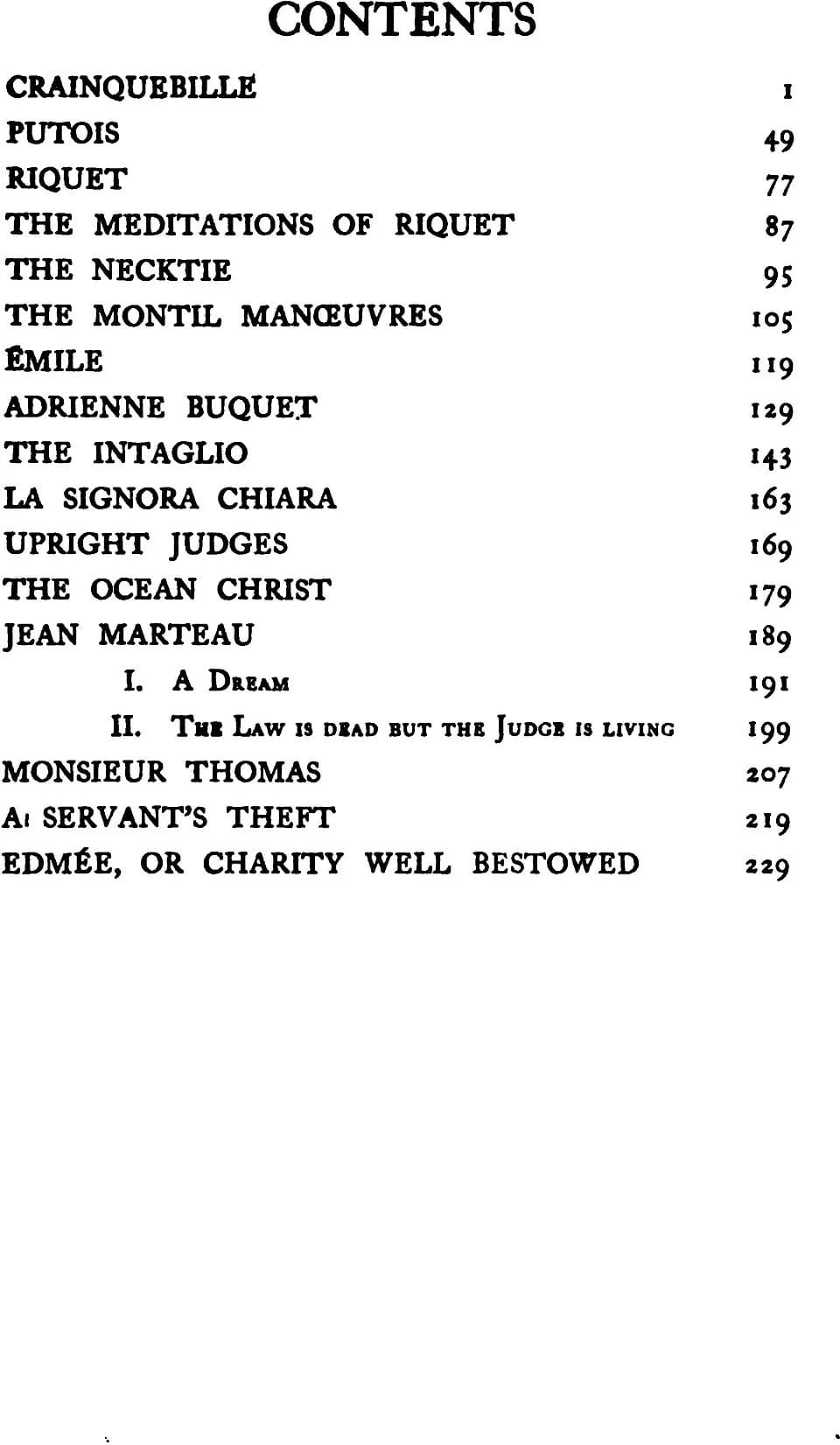
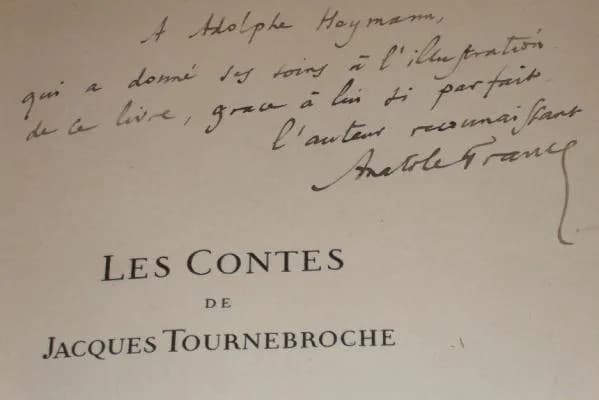
Anatole France's extensive bibliography showcased his versatility as a novelist, poet, and critic. Among his celebrated novels was "Le crime de Sylvestre Bonnard, membre de l'Institut," a work that brought him significant early recognition. Another notable title was "The wicker work woman," which further exemplified his characteristic literary style and ironic perspective.
His published works also included "Le livre de mon ami" and "Pierre Nozière," demonstrating his range as a prose writer and storyteller. Beyond these, his bibliography lists "Paita," "Opinions sociales," "L'Elvire de Lamartine," "Au petit bonheur," and "Di opere fun zekhtsiḳ toyznṭ binṭlekh hey," illustrating his wide-ranging interests even extending to science fiction and critical commentary.
Kapittel 5 · 1921· Kapittel 5 av 6
Later Years
Anatole France continued his literary output and enjoyed widespread recognition into his later years. The pinnacle of this recognition, the Nobel Prize in Literature, was awarded to him in 1921, just three years before his passing. He died on October 12, 1924, concluding a life rich with literary creation and public acclaim, a testament to his enduring influence.
Kapittel 6· Kapittel 6 av 6
Legacy and Impact
Anatole France's legacy endures through his distinctive literary voice and his profound influence on French letters. His writing style was often characterized by an ironic and skeptical tone, offering readers a keen, sometimes critical, perspective on life and society. This approach, combined with a nobility of style and profound human sympathy, resonated deeply with his contemporaries.
His works continue to be valued for their grace and true Gallic temperament, qualities that made him the quintessential French man of letters for generations. France's critical acumen, poetic sensibility, and narrative skill ensure his place as a significant figure in early 20th-century literature, whose insights remain relevant for readers today, celebrated for his enduring contribution to world literature.
Et liv i øyeblikk
Øyeblikkene som formet et liv
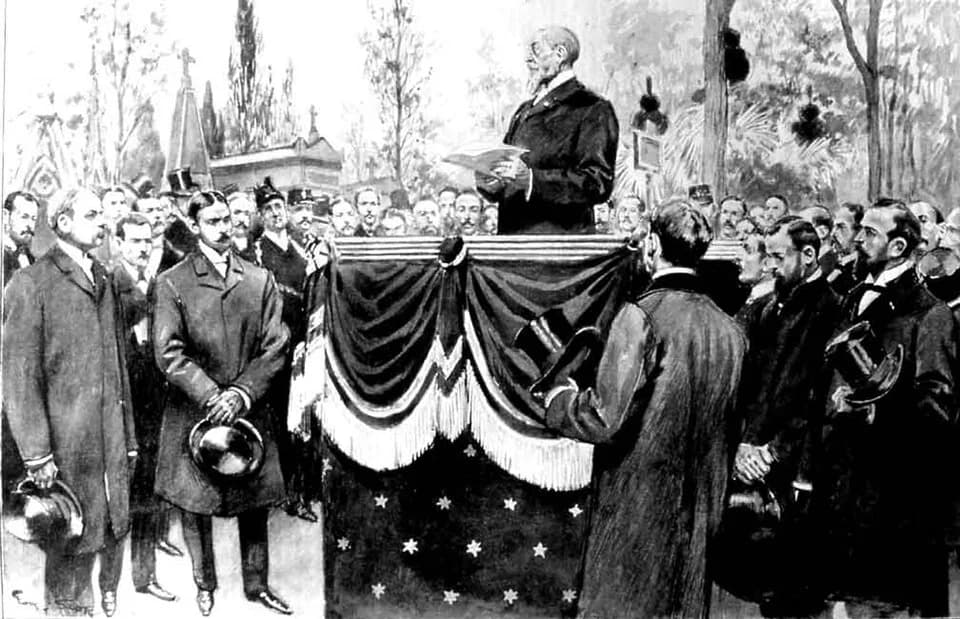
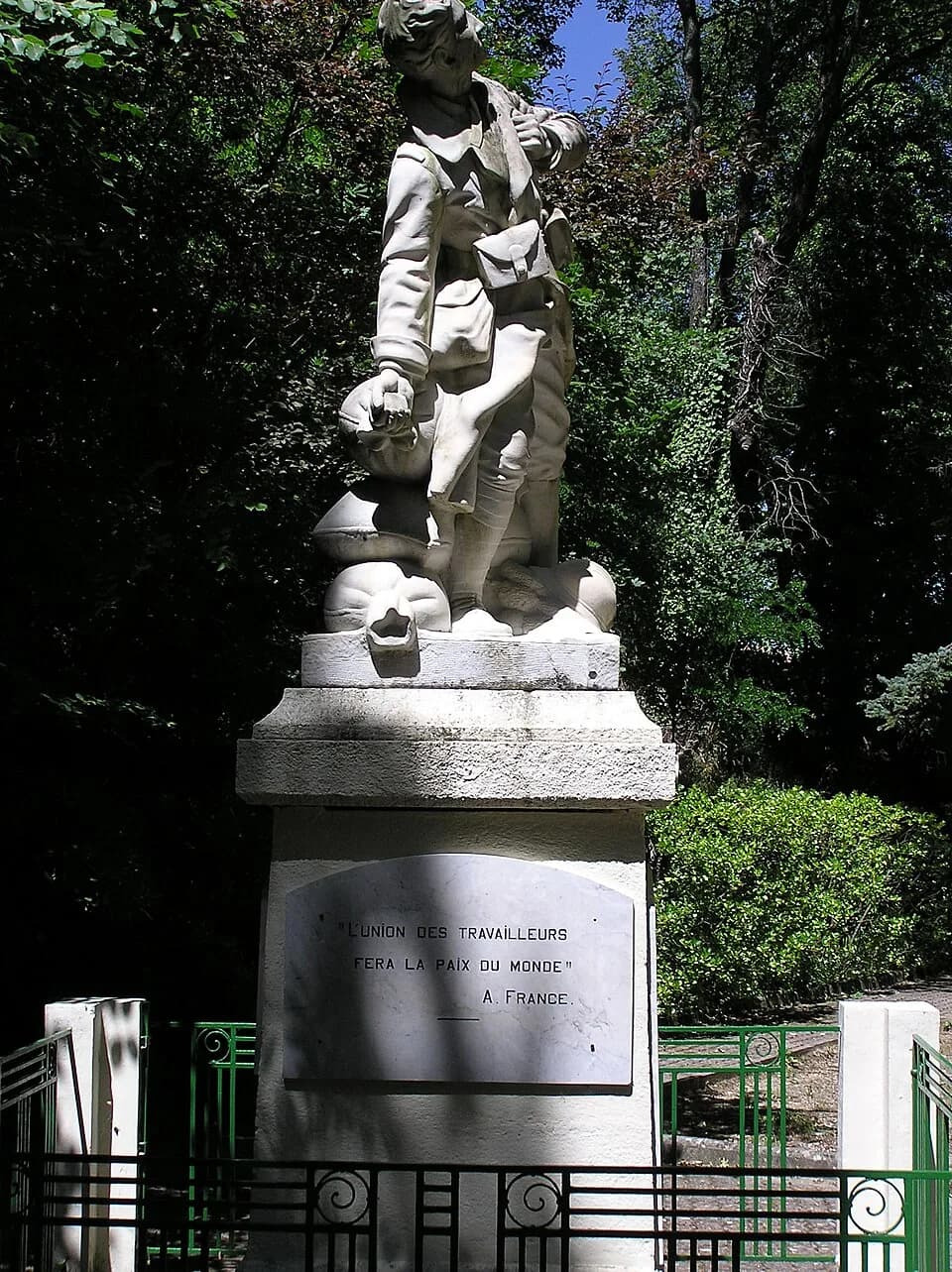
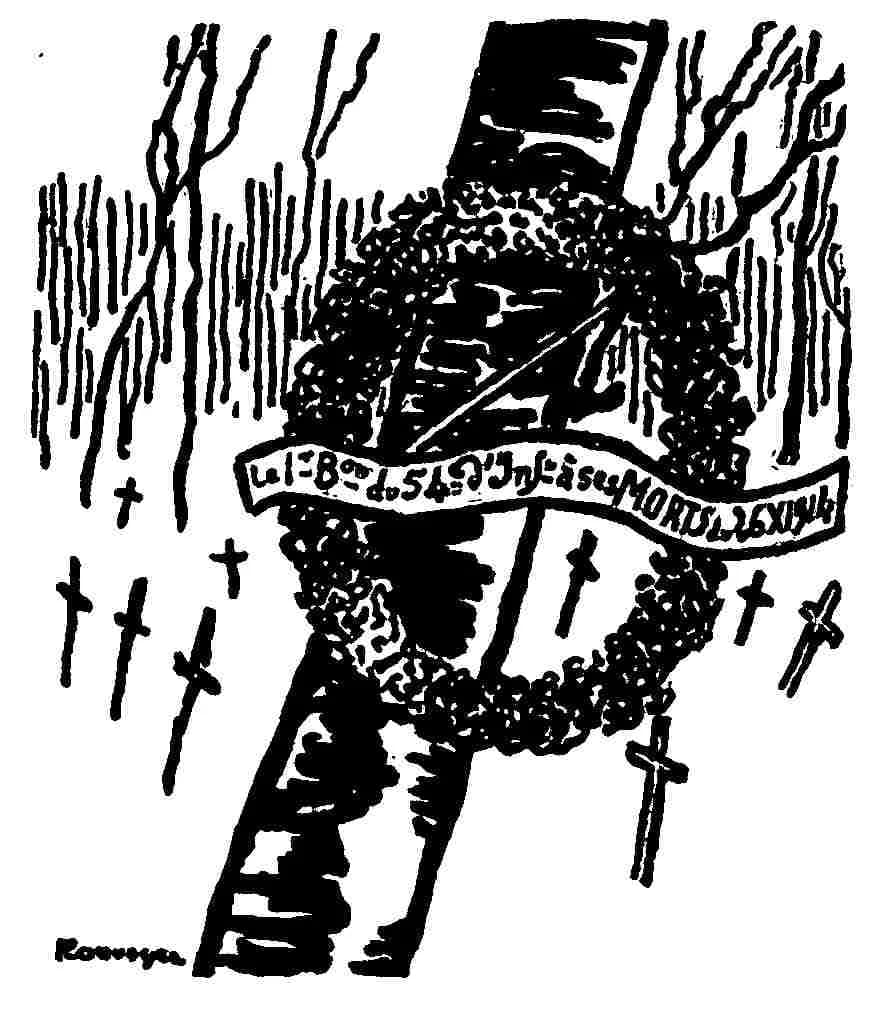
Vanlige spørsmål
Vanlige spørsmål
Når døde Anatole France?
Anatole France døde 12. oktober 1924 i France, 80 år gammel.
Hvor ble Anatole France født?
Anatole France ble født i Paris, France 16. april 1844.
Hva er Anatole France mest kjent for?
Anatole France er mest kjent for French writer.
Hvor gammel var Anatole France ved døden?
Anatole France var 80 år gammel ved dødsfallet.
Hvilken nasjonalitet hadde Anatole France?
Anatole France kom fra France.
Tidslinje
Et liv i et øyekast
Fotogalleri
Et liv i bilder
Klikk på et hvilket som helst polaroidbilde for å forstørre · 48 fotografier
QR-kode
Del denne biografien
Skriv ut og del
Skann for å besøke denne biografisiden. Skriv ut for arrangementer, utstillinger eller undervisningsmateriell.