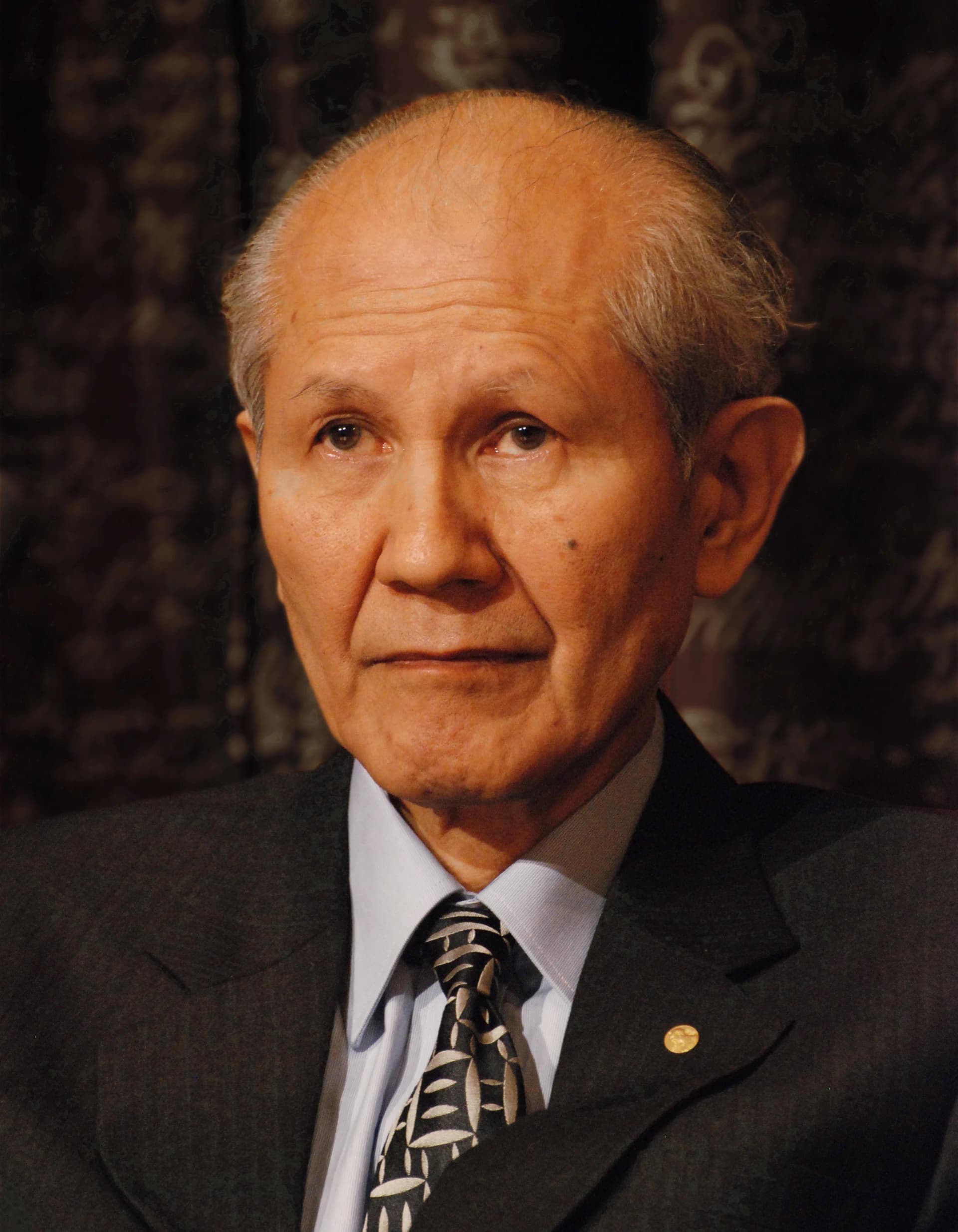
जन्म
August 27, 1928
Fukuchiyama, Japan
निधन
October 19, 2018
Nagasaki, Japan
को लागि चिनिनुहुन्थ्यो
Japanese organic chemist and marine biologist
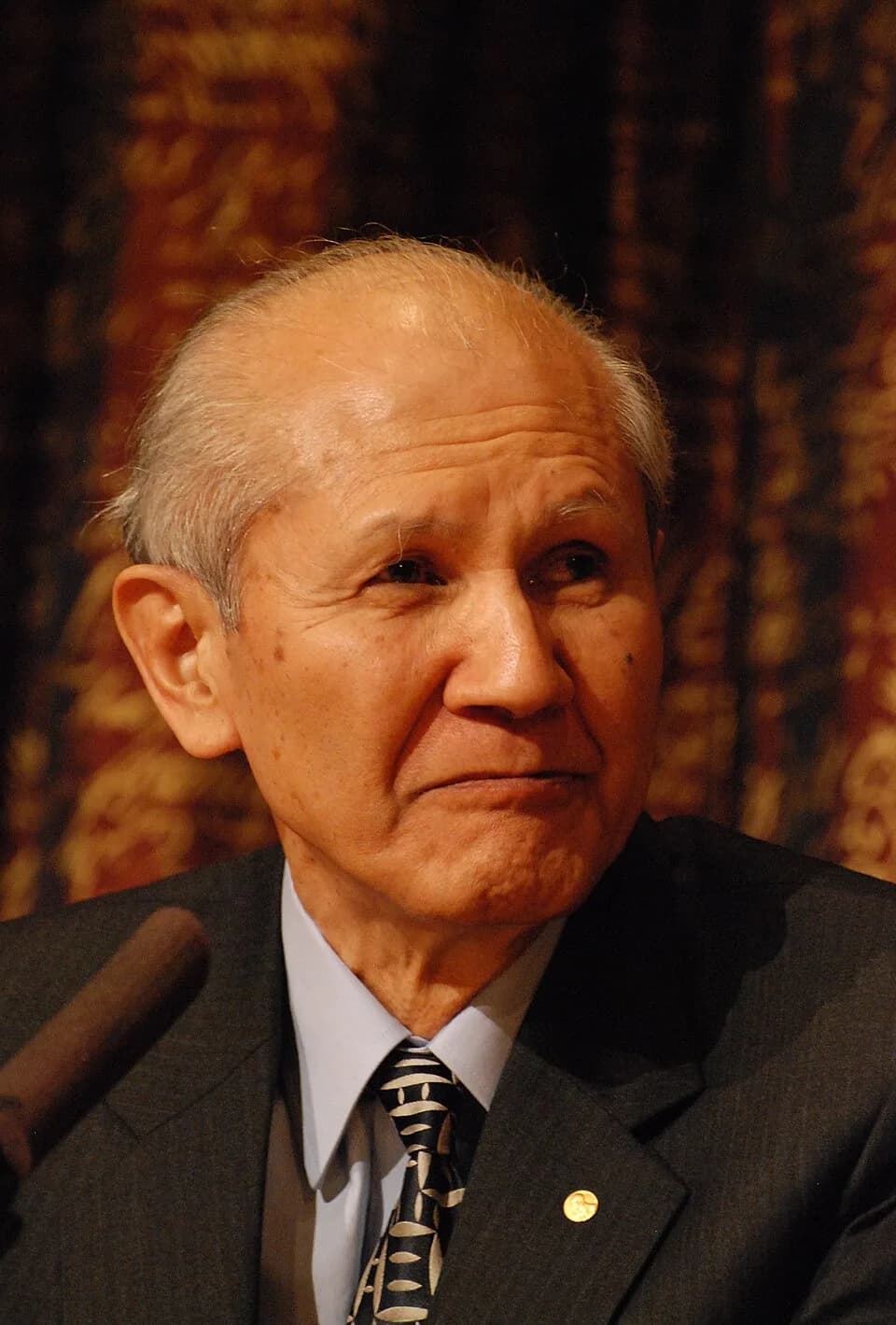
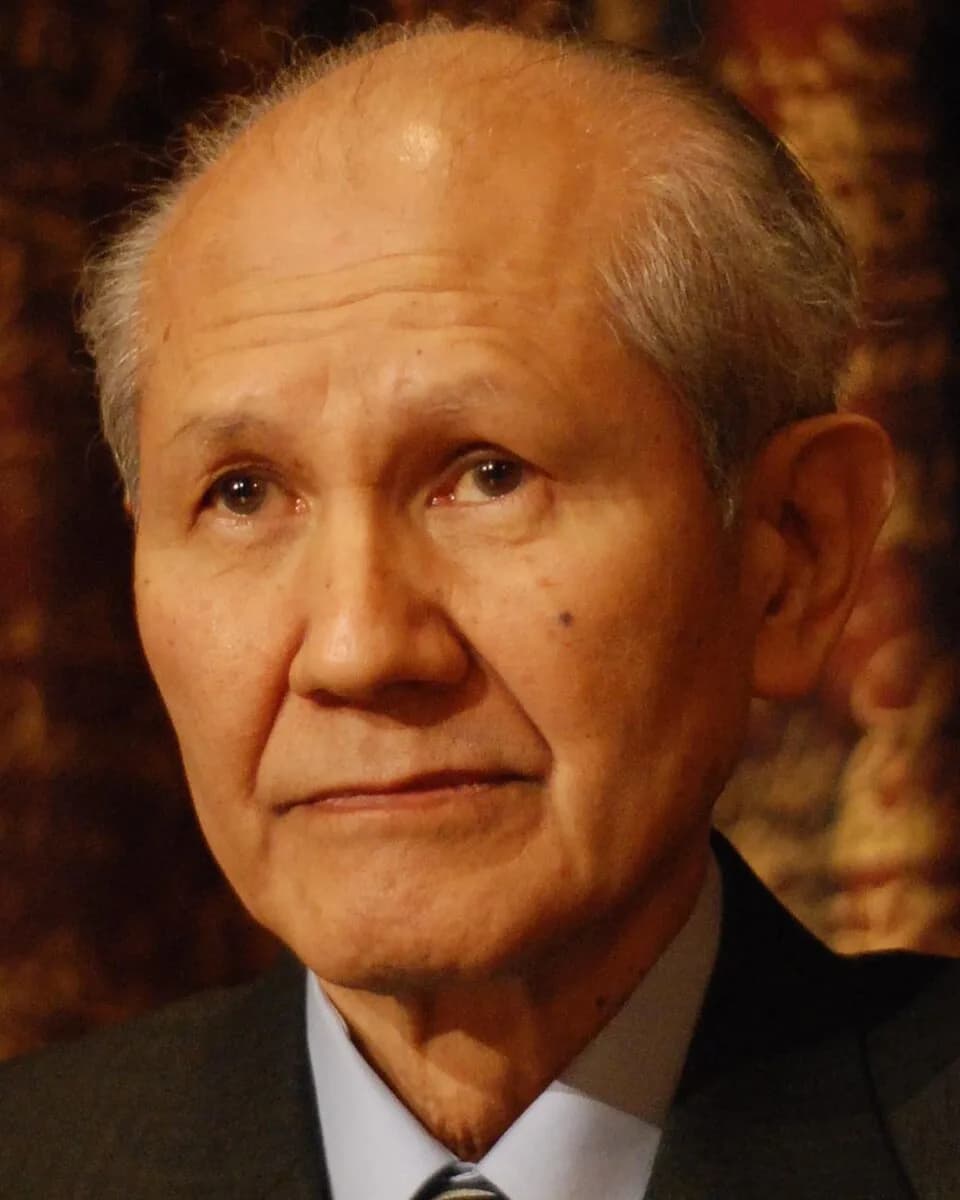
Osamu Shimomura (1928-2018) was a Japanese organic chemist and marine biologist who discovered green fluorescent protein (GFP) in jellyfish. His groundbreaking work earned him the Nobel Prize in Chemistry in 2008 and revolutionized biological research worldwide.
अध्याय
जीवनका अध्यायहरू
अध्याय 1 · 1928· कुल 7 मध्ये अध्याय 1
Early Life and Origins
Born on August 27, 1928, in Fukuchiyama, Japan, Osamu Shimomura grew up during a time of significant change in his homeland. His early years were marked by Japan's rapid modernization and the tumultuous period surrounding World War II. Despite the challenges of his era, Shimomura developed a deep fascination with the natural world that would shape his future career. His academic journey led him to pursue chemistry and biology, fields that would allow him to explore the scientific questions that captivated his imagination from a young age.
अध्याय 2· कुल 7 मध्ये अध्याय 2
Career Beginnings
Shimomura's scientific career began with his interest in the mysterious phenomenon of bioluminescence. He was particularly drawn to marine organisms that could produce their own light, a natural wonder that had puzzled scientists for generations. His early research focused on understanding the biochemical mechanisms behind this biological light production. This work eventually led him to the Marine Biological Laboratory in Woods Hole, Massachusetts, where he would conduct much of his most important research. The transition from Japan to the United States marked a crucial turning point in his career, providing him with access to advanced research facilities and collaborative opportunities.
अध्याय 3 · 2008· कुल 7 मध्ये अध्याय 3
Major Achievements and Career Highlights
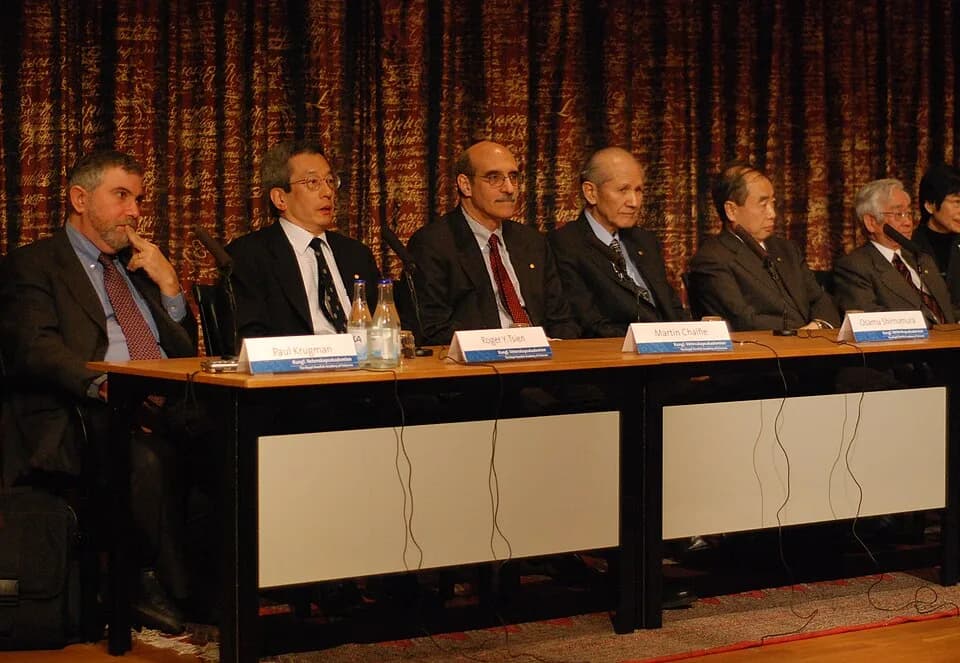
Shimomura's most significant achievement was the discovery and development of green fluorescent protein (GFP), work that earned him the Nobel Prize in Chemistry in 2008. He shared this prestigious award with Martin Chalfie of Columbia University and Roger Tsien of the University of California-San Diego, recognizing their collective contributions to understanding and applying GFP. The protein, originally isolated from the jellyfish Aequorea victoria, became an invaluable tool for researchers worldwide, allowing them to track cellular processes and protein interactions in living organisms with unprecedented clarity.
Beyond his Nobel Prize-winning discovery, Shimomura made substantial contributions to the field of bioluminescence research. His work on aequorin, the calcium-sensitive photoprotein also found in Aequorea victoria, led to the development of improved tools for measuring calcium ion concentrations in biological systems. His research papers, including "Semi-synthetic aequorins with improved sensitivity to Ca2+ ions" (1989) and "Semi-synthetic aequorin. An improved tool for the measurement of calcium ion concentration" (1988), became foundational texts in the field and continue to be cited by researchers decades later.
अध्याय 4 · 1995· कुल 7 मध्ये अध्याय 4
Notable Works and Contributions
Shimomura's scientific publications demonstrate the breadth and impact of his research. His 1995 paper on the "Cause of spectral variation in the luminescence of semisynthetic aequorins" helped explain why these important research tools behaved differently under various conditions. He also expanded his research into chemiluminescent probes, developing tools for measuring superoxide anions, which are important in understanding cellular stress and damage. His 1997 work on "Coelenterazine analogs as chemiluminescent probe for superoxide anion" opened new avenues for studying oxidative stress in biological systems.
His research extended to practical applications in microbiology, as demonstrated by his 1998 study evaluating chemiluminescent probes for measuring superoxide generated by Listeria monocytogenes. This work bridged basic research with applied science, showing how his discoveries could be used to study disease-causing bacteria. Throughout his career, Shimomura maintained a focus on developing better tools for biological research, always seeking to improve the sensitivity and reliability of the instruments scientists use to understand life at the molecular level.
अध्याय 5· कुल 7 मध्ये अध्याय 5
Academic Career and Teaching
Shimomura served as professor emeritus at both the Marine Biological Laboratory in Woods Hole, Massachusetts, and Boston University School of Medicine. His dual appointments reflected his expertise in both fundamental marine biology and medical applications of his discoveries. At these institutions, he mentored countless students and researchers, sharing his deep knowledge of bioluminescence and biochemistry. His teaching extended beyond formal classroom settings, as he frequently collaborated with researchers from around the world who sought to apply his discoveries to their own work.
The Marine Biological Laboratory, in particular, provided Shimomura with an ideal environment for his research. The facility's location on Cape Cod gave him access to diverse marine life, while its reputation as a premier research institution attracted collaborators from leading universities worldwide. His long association with MBL helped establish the laboratory as a center of excellence for bioluminescence research, a reputation it maintains today.
अध्याय 6· कुल 7 मध्ये अध्याय 6
Later Years and Final Contributions
Even in his later years, Shimomura continued to contribute to scientific understanding of bioluminescence. His research on improving the sensitivity and applications of the proteins he had discovered remained relevant well into the 21st century. The continued citation of his work, decades after initial publication, speaks to the enduring importance of his contributions. His discoveries found new applications as technology advanced, with GFP becoming essential for everything from basic cell biology research to advanced medical imaging techniques.
Shimomura lived to see his discoveries transform multiple fields of science. The green fluorescent protein he first isolated from jellyfish became so important that it spawned entire new areas of research and earned recognition as one of the most significant discoveries in modern biology. His return to Japan in his final years allowed him to witness the continued growth of scientific research in his homeland, where his work inspired a new generation of Japanese scientists.
अध्याय 7· कुल 7 मध्ये अध्याय 7
Legacy and Impact
The impact of Shimomura's work extends far beyond what he could have imagined when he first began studying glowing jellyfish. Green fluorescent protein has become one of the most widely used tools in biological research, enabling scientists to visualize cellular processes in real-time and track the movement of proteins within living cells. Medical researchers use GFP-based techniques to study diseases, develop new treatments, and understand how drugs work at the molecular level. His discovery has contributed to advances in cancer research, neuroscience, developmental biology, and countless other fields.
Today's biotechnology industry relies heavily on the tools and techniques that grew out of Shimomura's basic research on marine bioluminescence. His work demonstrates the unpredictable nature of scientific discovery, showing how curiosity-driven research into natural phenomena can lead to revolutionary applications. The Nobel Committee's recognition of his work in 2008 acknowledged not just his specific discoveries, but the broader principle that understanding nature's mechanisms can provide humanity with powerful new tools for healing and discovery.
जीवनका क्षणहरू
जीवनलाई आकार दिने क्षणहरू
प्रायः सोधिने प्रश्नहरू
बारम्बार सोधिएका प्रश्नहरू
Osamu Shimomura कहिले बित्नुभयो?
Osamu Shimomura २०१८ अक्टोबर १९ मा Nagasaki, Japan मा बित्नुभयो, 90 वर्षको उमेरमा।
Osamu Shimomura कहाँ जन्मनुभयो?
Osamu Shimomura Fukuchiyama, Japan मा १९२८ अगस्ट २७ मा जन्मनुभयो।
Osamu Shimomura सबैभन्दा बढी केका लागि चिनिनुहुन्छ?
Osamu Shimomura Japanese organic chemist and marine biologist का लागि सबैभन्दा बढी चिनिनुहुन्छ।
मृत्युको समयमा Osamu Shimomura को उमेर कति थियो?
मृत्युको समयमा Osamu Shimomura को उमेर 90 वर्ष थियो।
Osamu Shimomura को राष्ट्रियता के थियो?
Osamu Shimomura Japan बाट हुनुहुन्थ्यो।
समयरेखा
जीवनको झलक
तस्बिर ग्यालरी
तस्बिरहरूमा जीवन
कुनै पनि पोलारोइड विस्तार गर्न क्लिक गर्नुहोस् · 26 तस्बिरहरू
क्यूआर कोड
यो जीवनी साझा गर्नुहोस्
प्रिन्ट गर्नुहोस् र सेयर गर्नुहोस्
यो जीवनी पृष्ठ हेर्न स्क्यान गर्नुहोस्। कार्यक्रम, प्रदर्शन, वा शैक्षिक सामग्रीका लागि प्रिन्ट गर्नुहोस्।