जन्म
February 14, 1917
New York City, United States
निधन
October 23, 2011
Buffalo, United States
को लागि चिनिनुहुन्थ्यो
American mathematician
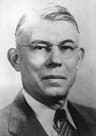
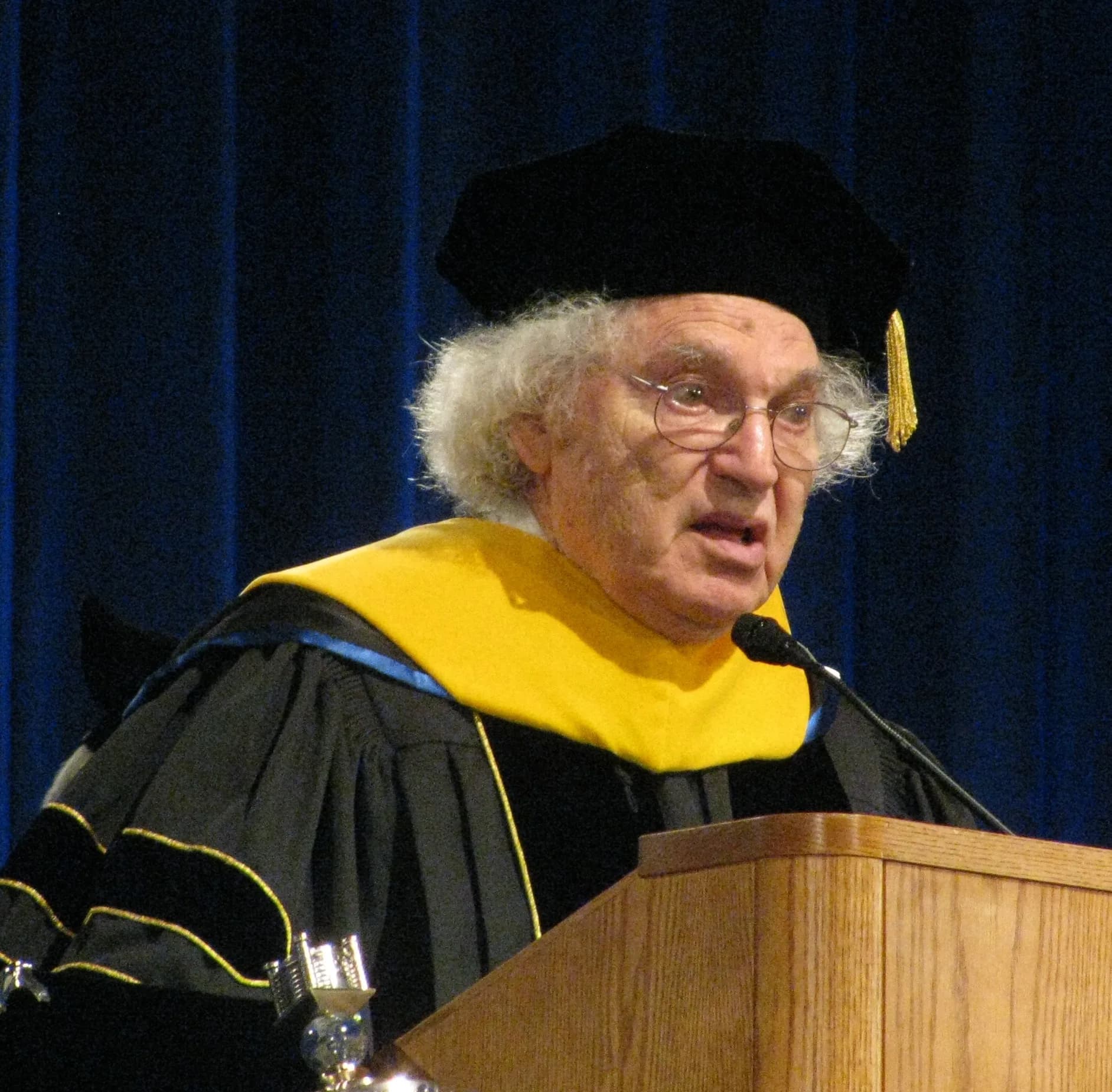
Herbert A. Hauptman (1917–2011) was United States best known for American mathematician.
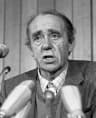
Herbert A. Hauptman (February 14, 1917 – October 23, 2011) was an American mathematician and Nobel laureate. He pioneered mathematical methods for determining crystal structures, revolutionizing chemistry and crystallography. His work is routinely used today, a lasting testament to his scientific ingenuity.
अध्याय
जीवनका अध्यायहरू
अध्याय 1 · 1917· कुल 6 मध्ये अध्याय 1
Herbert A. Hauptman: A Life of Scientific Discovery
Herbert A. Hauptman (1917-2011) was an American mathematician whose profound contributions to chemistry and crystallography revolutionized the determination of molecular structures. His pioneering work, alongside Jerome Karle, led to the development of “direct methods,” a mathematical technique that fundamentally changed how scientists analyze crystallized materials. Hauptman's innovative approach earned him the 1985 Nobel Prize in Chemistry, solidifying his place as a visionary who opened new avenues for scientific research.
अध्याय 2 · 1917· कुल 6 मध्ये अध्याय 2
Early Life and Origins
Herbert Aaron Hauptman was born on February 14, 1917, in the vibrant metropolis of New York City, United States. His early years in this bustling environment laid the foundation for a life dedicated to intellectual pursuit and rigorous scientific inquiry. From his beginnings, Hauptman showed an aptitude for challenging problems that would later define his career path.
अध्याय 3· कुल 6 मध्ये अध्याय 3
Career Beginnings and Diverse Professions
Hauptman pursued a broad range of scientific and academic interests throughout his distinguished career. He was trained as a mathematician, a discipline that formed the bedrock of his most significant discoveries. Beyond pure mathematics, he also embraced roles as a chemist, a crystallographer, a dedicated university teacher, and even explored philosophy, demonstrating a wide-ranging curiosity.
His early work began to bridge the gap between abstract mathematical theory and practical applications in the physical sciences. This interdisciplinary approach was crucial for tackling complex problems like the determination of crystal structures. Hauptman's varied professional life enriched his perspective and informed his unique problem-solving abilities.
अध्याय 4· कुल 6 मध्ये अध्याय 4
Major Achievements and Career Highlights
Herbert Hauptman's most celebrated achievement was the co-development of mathematical direct methods for determining crystal structures. This groundbreaking work provided a powerful tool for scientists to deduce the arrangement of atoms within crystallized materials. It transformed a previously arduous and often impossible task into a routine procedure, fundamentally altering the field of chemistry.
These methods were so effective and universally applicable that they continue to be routinely used today to solve complicated structures across various scientific disciplines. The Royal Swedish Academy of Sciences recognized the immense impact of this innovation by awarding Hauptman and Jerome Karle the 1985 Nobel Prize in Chemistry. The prize specifically honored their outstanding achievements in the development of these direct methods.
अध्याय 5· कुल 6 मध्ये अध्याय 5
Notable Works and Contributions to Science
Hauptman's primary contribution revolved around the rigorous mathematical framework of his direct methods. This technique allowed scientists to interpret X-ray diffraction patterns from crystals to reveal the underlying molecular architecture. He continuously improved and refined these methods over decades, ensuring their enduring relevance and accuracy for a wide array of chemical structures.
His work didn't just provide a solution; it established a new paradigm in structural chemistry. The ability to quickly and accurately determine molecular structures unlocked new possibilities in drug design, materials science, and fundamental chemical research. Hauptman's legacy is directly tied to the countless discoveries made possible by his mathematical insights.
अध्याय 6 · 2011· कुल 6 मध्ये अध्याय 6
Later Years and Enduring Legacy
Herbert A. Hauptman continued his scientific pursuits and intellectual contributions throughout his later years. He passed away on October 23, 2011, in Buffalo, United States, at the age of 94. His long and productive life was marked by continuous dedication to expanding scientific knowledge.
The impact of Herbert A. Hauptman’s work resonates strongly in contemporary science. His direct methods remain an indispensable tool for chemists and crystallographers worldwide. His legacy is not just the Nobel Prize, but the fundamental shift he brought to understanding the world at a molecular level, enabling countless advancements and discoveries long after his passing.
जीवनका क्षणहरू
जीवनलाई आकार दिने क्षणहरू
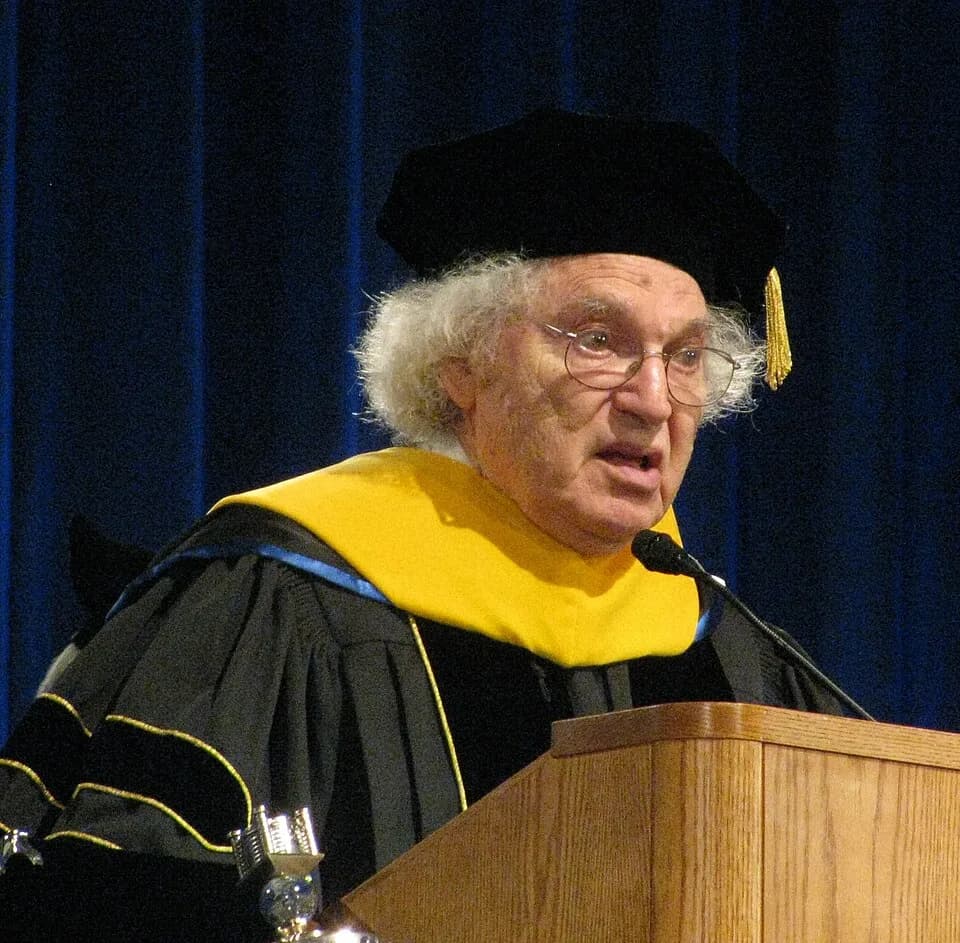
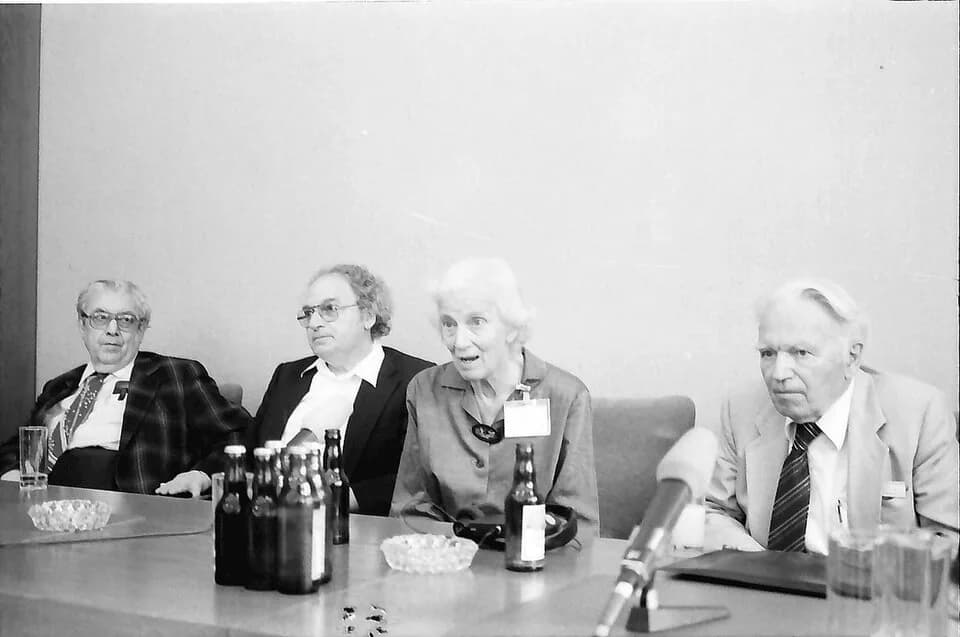
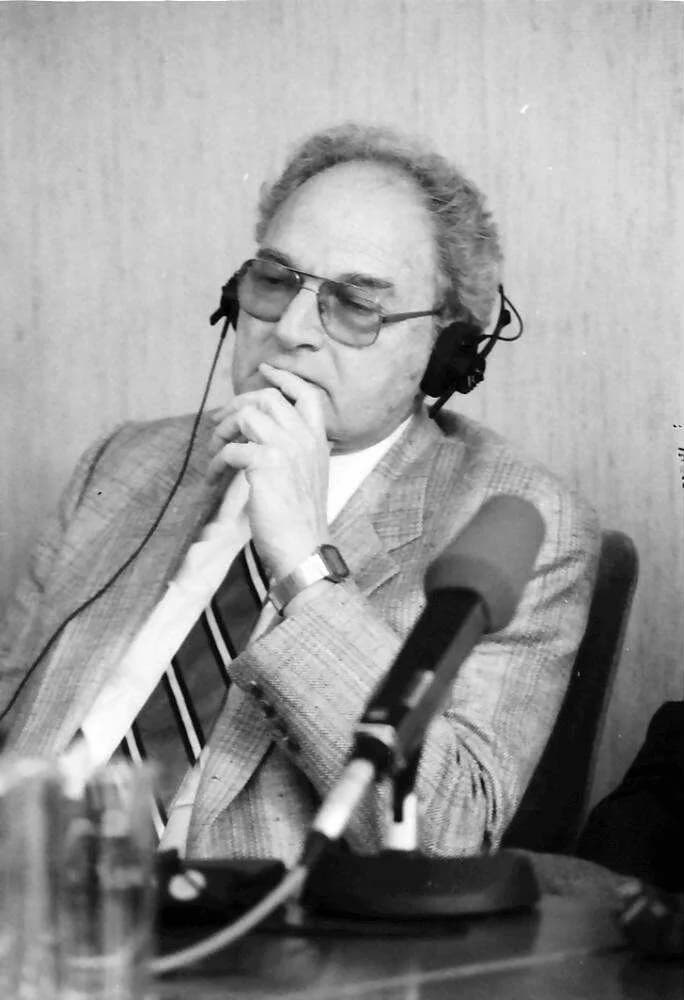

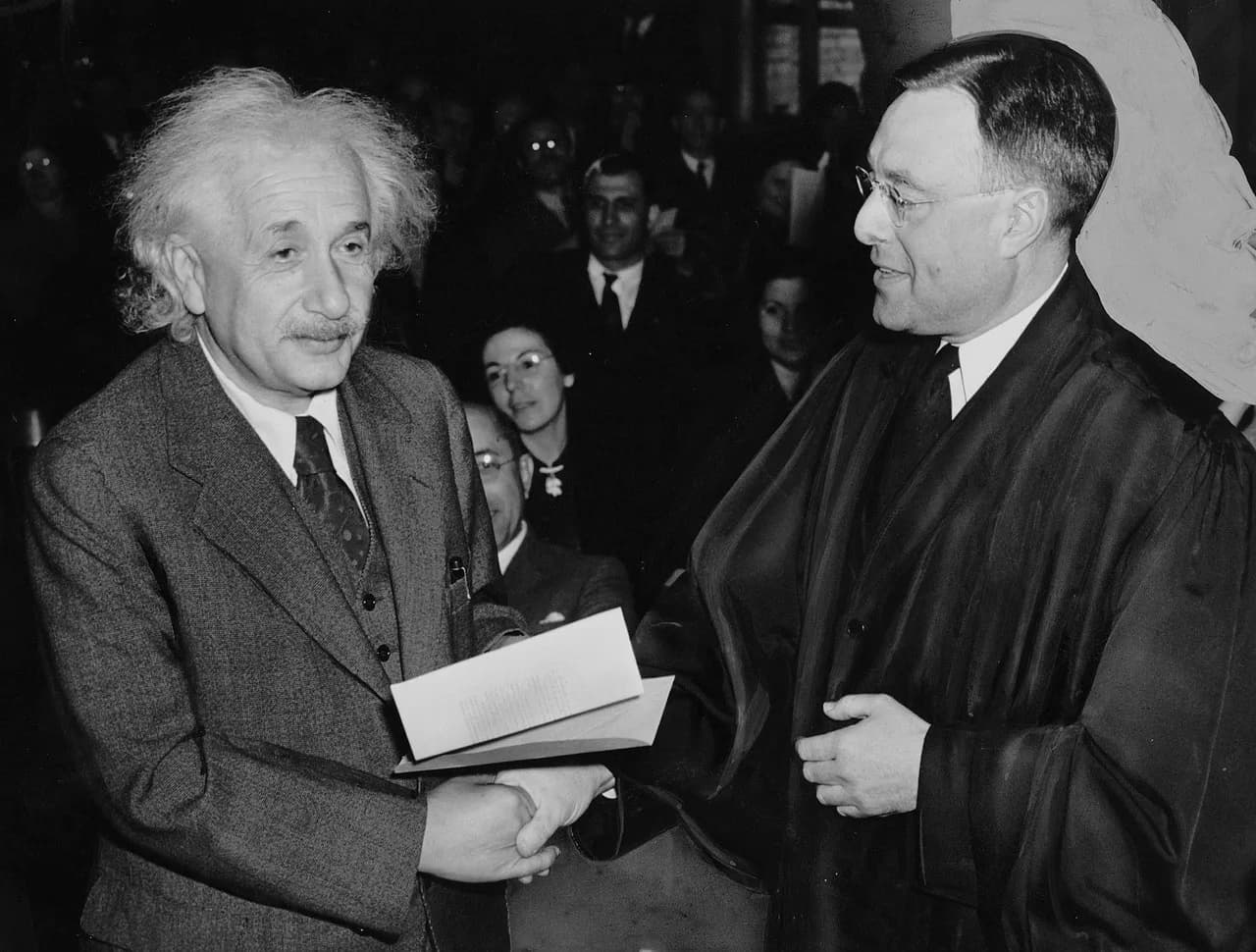

प्रायः सोधिने प्रश्नहरू
बारम्बार सोधिएका प्रश्नहरू
Herbert A. Hauptman कहिले बित्नुभयो?
Herbert A. Hauptman २०११ अक्टोबर २३ मा Buffalo, United States मा बित्नुभयो, 94 वर्षको उमेरमा।
Herbert A. Hauptman कहाँ जन्मनुभयो?
Herbert A. Hauptman New York City, United States मा १९१७ फेब्रुअरी १४ मा जन्मनुभयो।
Herbert A. Hauptman सबैभन्दा बढी केका लागि चिनिनुहुन्छ?
Herbert A. Hauptman American mathematician का लागि सबैभन्दा बढी चिनिनुहुन्छ।
मृत्युको समयमा Herbert A. Hauptman को उमेर कति थियो?
मृत्युको समयमा Herbert A. Hauptman को उमेर 94 वर्ष थियो।
Herbert A. Hauptman को राष्ट्रियता के थियो?
Herbert A. Hauptman United States बाट हुनुहुन्थ्यो।
समयरेखा
जीवनको झलक
तस्बिर ग्यालरी
तस्बिरहरूमा जीवन
कुनै पनि पोलारोइड विस्तार गर्न क्लिक गर्नुहोस् · 15 तस्बिरहरू
क्यूआर कोड
यो जीवनी साझा गर्नुहोस्
प्रिन्ट गर्नुहोस् र सेयर गर्नुहोस्
यो जीवनी पृष्ठ हेर्न स्क्यान गर्नुहोस्। कार्यक्रम, प्रदर्शन, वा शैक्षिक सामग्रीका लागि प्रिन्ट गर्नुहोस्।