जन्म
October 29, 1879
Werl, Germany
निधन
May 2, 1969
Sasbach, Germany
को लागि चिनिनुहुन्थ्यो
German general staff officer, politician, diplomat, nobleman and Chancellor of Germany
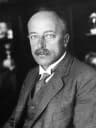
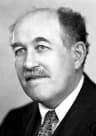
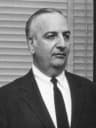
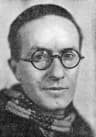
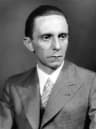
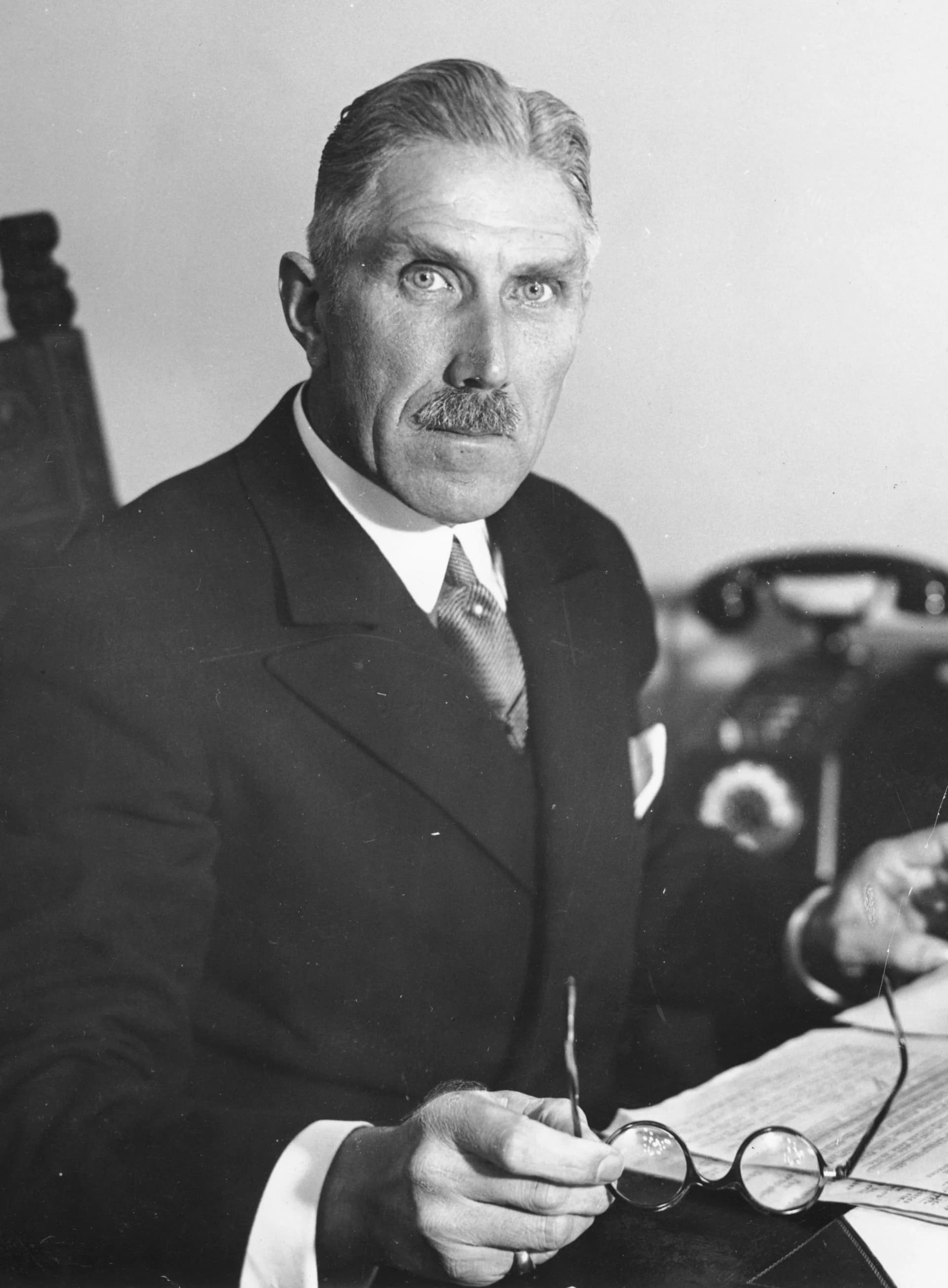
Franz von Papen (1879–1969) was Germany best known for German general staff officer, politician, diplomat, nobleman and Chancellor of Germany.
Franz von Papen (October 29, 1879 – May 2, 1969) was a German politician, diplomat, and military personnel. He served as Chancellor of Germany in 1932 and later as Vice-Chancellor under Adolf Hitler. Papen is known for his role in bringing Hitler to power.
अध्याय
जीवनका अध्यायहरू
अध्याय 1 · 1879· कुल 6 मध्ये अध्याय 1
Early Life and Origins
Franz von Papen began his journey into a life of public service and political influence on October 29, 1879, in Werl, Germany. He belonged to an distinguished Prussian noble family, carrying the full and formal title of Franz Joseph Hermann Michael Maria von Papen, Erbsälzer zu Werl und Neuwerk. This aristocratic heritage not only defined his early social standing but also provided a clear foundation for his future career path within the German establishment.
His background as a Prussian nobleman imbued him with a specific set of values and connections that would prove instrumental throughout his professional life. The traditions and expectations associated with his noble lineage likely shaped his early perspectives and guided his entry into public service, preparing him for the complexities of political and diplomatic engagements.
अध्याय 2· कुल 6 मध्ये अध्याय 2
Career Beginnings and Military Service
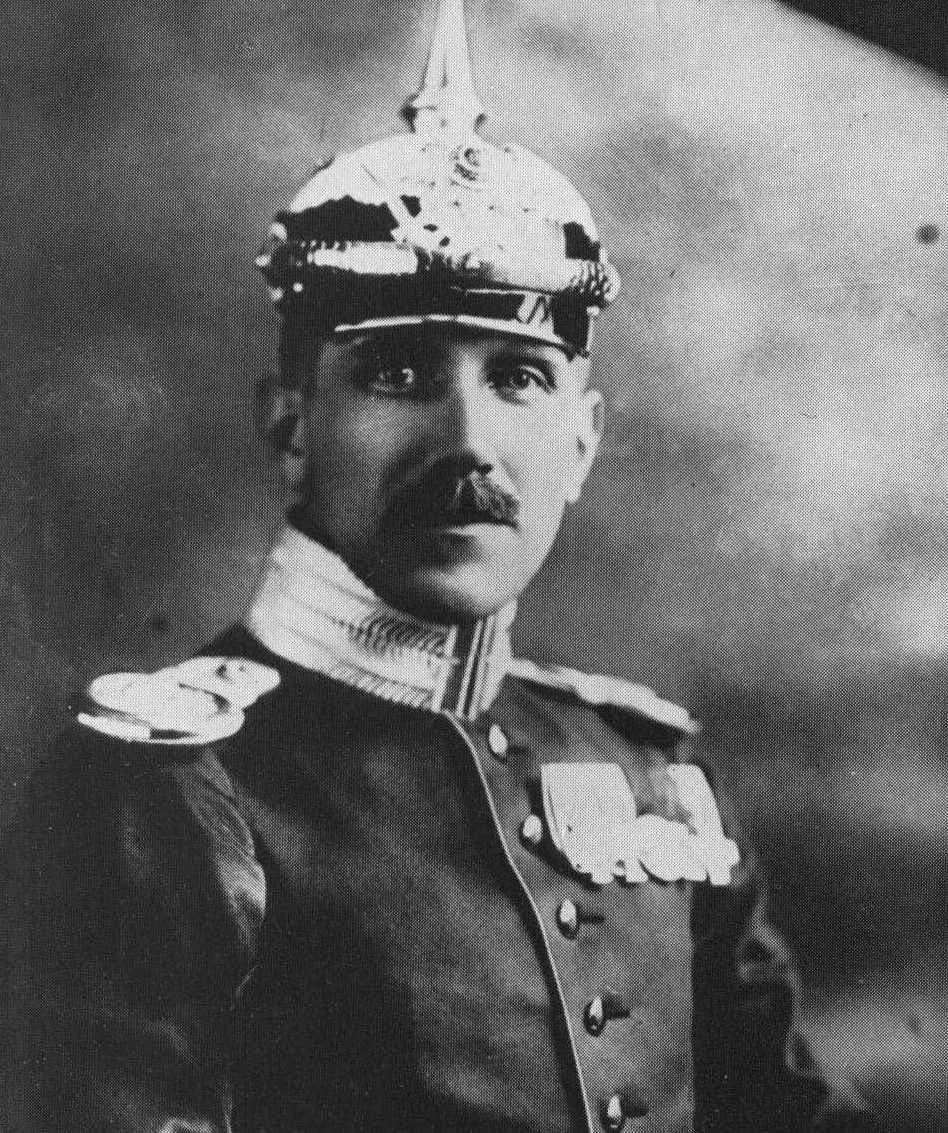
Prior to his deep involvement in politics and diplomacy, Franz von Papen embarked on a military career as a German general staff officer. This early professional experience was crucial in shaping his worldview and leadership style. Serving within the general staff would have exposed him to strategic planning, organizational structures, and the rigorous discipline characteristic of military life.
This foundational period in the armed forces likely prepared him for the complex challenges he would later face in the political arena, imparting skills in strategy and command that were transferable to diplomatic and governmental roles. His military background provided him with a unique perspective that he carried into his subsequent political endeavors, influencing his approach to leadership and governance.
अध्याय 3 · 1932· कुल 6 मध्ये अध्याय 3
Major Political Roles and Diplomatic Engagements
Franz von Papen's political trajectory was marked by several high-profile positions that placed him at the center of German governance during a period of immense change. As a national conservative and a committed monarchist, his political ideologies were deeply rooted in traditional values, seeking stability amidst the tumultuous post-World War I era. His most recognized appointment came in 1932 when he served as Chancellor of Germany, a critical and challenging period for the Weimar Republic. This chancellorship underscored his significant, albeit brief, leadership at a time of immense political instability and social unrest within the nation.
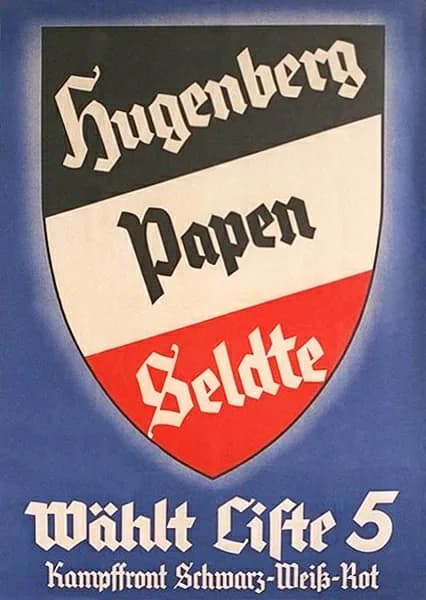
Following his chancellorship, Papen assumed the crucial role of Vice-Chancellor under Adolf Hitler, serving from 1933 to 1934. This period was historically momentous, marking the consolidation of Nazi power and the end of democratic governance in Germany. His decision to join Hitler's cabinet as Vice-Chancellor remains a central point of discussion regarding his legacy, reflecting a complex political calculus during a pivotal moment in history. Beyond these governmental roles, Papen also pursued a distinguished career as a diplomat, representing Germany's interests on the international stage. His diplomatic efforts provided another avenue through which he exerted influence and navigated the intricate web of European relations.
अध्याय 4· कुल 6 मध्ये अध्याय 4
Personal Convictions and Ideologies
While specific details about Franz von Papen's personal life such as family or hobbies are not provided in the given information, his political identity was clearly defined by strong convictions. He was described as a committed monarchist, a staunch advocate for the restoration of traditional German monarchical rule. This adherence to monarchism reflected a deep belief in established hierarchies and historical forms of governance, contrasting sharply with the republican ideals of the Weimar era.
Furthermore, he aligned himself with national conservative principles, reflecting a desire to uphold established social orders and nationalistic sentiments. These deep-seated beliefs guided his political decisions and actions throughout his career, influencing his alliances and policy stances. His noble background undoubtedly reinforced these conservative and monarchist leanings, positioning him as a figure who valued tradition and hierarchy in a rapidly changing world and sought to influence Germany's direction based on these principles.
अध्याय 5 · 1934· कुल 6 मध्ये अध्याय 5
Later Career and Final Years
After his tenure as Vice-Chancellor concluded in 1934, Franz von Papen transitioned back into diplomatic service, continuing his engagement in international affairs. This shift allowed him to maintain a degree of public influence, albeit away from the immediate domestic political spotlight of Berlin. His later years saw him living through the dramatic events of World War II and the subsequent post-war reconstruction of Germany, witnessing immense global transformation.
He ultimately passed away on May 2, 1969, in Sasbach, Germany, at the age of 89. His death marked the end of a long life that spanned nearly a century, witnessing the profound shifts and upheavals that shaped modern Germany and Europe. From his birth in the late 19th century to his passing during the Cold War, Papen's life encapsulated a vast sweep of history.
अध्याय 6· कुल 6 मध्ये अध्याय 6
Legacy and Historical Impact
Franz von Papen's legacy is undeniably complex and remains a subject of considerable historical debate. He is primarily remembered for his critical and controversial role in facilitating Adolf Hitler's rise to power, serving as Chancellor and then Vice-Chancellor during a pivotal era. Historians often scrutinize his motivations as a national conservative and monarchist who ultimately collaborated with the burgeoning Nazi regime, leading to far-reaching consequences.
His actions in the early 1930s had profound and irreversible consequences, shaping the course of German history and, by extension, global events. His life represents a poignant study in political power, ambition, and the unintended outcomes of strategic alliances. Papen's career exemplifies how individuals within the established political elite can, through their decisions, inadvertently or directly contribute to radical shifts in governance. He left behind a historical footprint that underscores the fragile nature of democratic institutions and the heavy responsibility of political leadership during times of crisis. His memory serves as a constant reminder of the intricate historical forces at play in the lead-up to one of the 20th century's darkest chapters.
जीवनका क्षणहरू
जीवनलाई आकार दिने क्षणहरू
प्रायः सोधिने प्रश्नहरू
बारम्बार सोधिएका प्रश्नहरू
Franz von Papen कहिले बित्नुभयो?
Franz von Papen १९६९ मे २ मा Sasbach, Germany मा बित्नुभयो, 89 वर्षको उमेरमा।
Franz von Papen कहाँ जन्मनुभयो?
Franz von Papen Werl, Germany मा १८७९ अक्टोबर २९ मा जन्मनुभयो।
Franz von Papen सबैभन्दा बढी केका लागि चिनिनुहुन्छ?
Franz von Papen German general staff officer, politician, diplomat, nobleman and Chancellor of Germany का लागि सबैभन्दा बढी चिनिनुहुन्छ।
मृत्युको समयमा Franz von Papen को उमेर कति थियो?
मृत्युको समयमा Franz von Papen को उमेर 89 वर्ष थियो।
Franz von Papen को राष्ट्रियता के थियो?
Franz von Papen Germany बाट हुनुहुन्थ्यो।
समयरेखा
जीवनको झलक
तस्बिर ग्यालरी
तस्बिरहरूमा जीवन
कुनै पनि पोलारोइड विस्तार गर्न क्लिक गर्नुहोस् · 49 तस्बिरहरू
क्यूआर कोड
यो जीवनी साझा गर्नुहोस्
प्रिन्ट गर्नुहोस् र सेयर गर्नुहोस्
यो जीवनी पृष्ठ हेर्न स्क्यान गर्नुहोस्। कार्यक्रम, प्रदर्शन, वा शैक्षिक सामग्रीका लागि प्रिन्ट गर्नुहोस्।