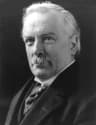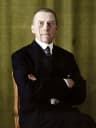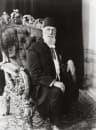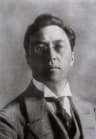
जन्म
December 12, 1863
Ådalsbruk, Norway
निधन
January 23, 1944
Ekely, Norway
को लागि चिनिनुहुन्थ्यो
Norwegian painter
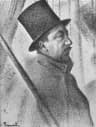
Edvard Munch (1863–1944) was Norway best known for Norwegian painter.
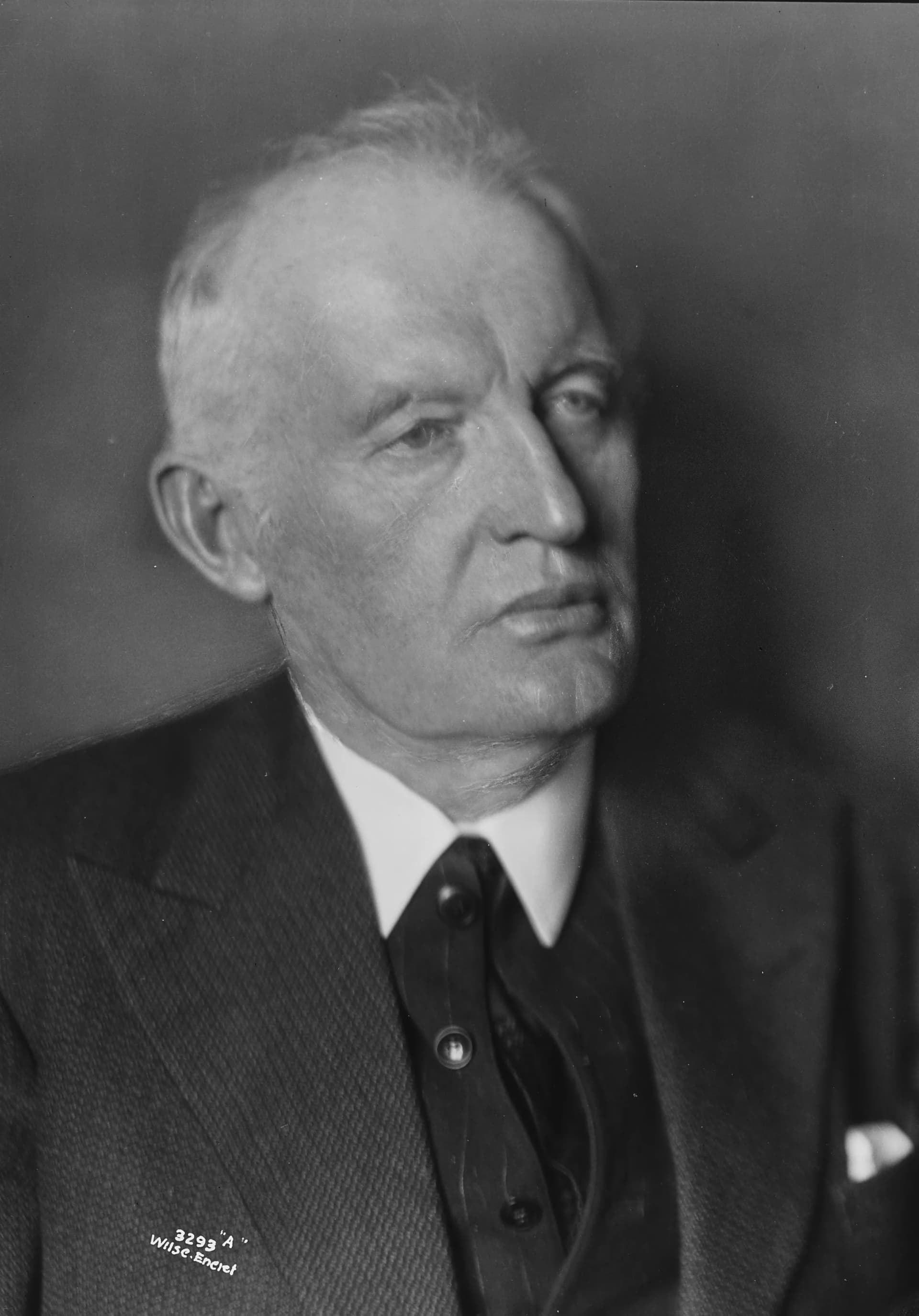
Edvard Munch (December 12, 1863 – January 23, 1944) was a Norwegian painter from Ådalsbruk, Norway. His 1893 work, The Scream, became one of the most iconic images in Western art. Munch's powerful expressions continue to resonate globally, influencing generations of artists.
अध्याय
जीवनका अध्यायहरू
अध्याय 1· कुल 7 मध्ये अध्याय 1
Early Life and Origins
Edvard Munch began his life in Ådalsbruk, Norway, a place that would subtly influence his perspective, even as his artistry sought to capture universal human experiences. Born into a period of significant cultural and artistic change, his upbringing in Norway provided a foundational backdrop for the development of his unique artistic voice. These formative years in his native country laid the groundwork for the deeply personal and often haunting themes that would characterize his later work.
अध्याय 2· कुल 7 मध्ये अध्याय 2
Career Beginnings
Munch’s artistic journey was diverse and comprehensive from its outset, encompassing various disciplines that enriched his overall practice. He trained and worked not only as a painter but also as a skilled graphic artist and printmaker, exploring the distinct expressive possibilities each medium offered. His talents extended to architectural draftsmanship and general draftsmanship, skills that undoubtedly honed his precision and compositional acumen, allowing him to articulate complex emotional states through precise visual structure.
अध्याय 3 · 1893· कुल 7 मध्ये अध्याय 3
Major Achievements and Career Highlights
Throughout his career, Edvard Munch achieved considerable recognition, although often accompanied by controversy due to the raw emotional content of his art. His 1893 work, The Scream, quickly became, and remains, one of the most iconic and acclaimed images in all of Western art. This singular masterpiece captured the existential anguish of modernity, securing Munch’s place as an artist who could distill profound psychological states into visual form with unprecedented power. Its impact continues to be felt in popular culture and artistic discourse globally.
Beyond this singular achievement, Munch’s consistent output across painting, printmaking, and graphic art showcased a persistent drive to explore the human condition. His ability to fuse deeply personal experiences with universal themes led to a body of work that was both intensely individual and broadly relatable. This dedication to his vision, irrespective of critical reception, stands as a testament to his artistic courage and conviction.
अध्याय 4· कुल 7 मध्ये अध्याय 4
Personal Life
While the provided information does not detail Edvard Munch's personal relationships or specific family life beyond his birth and death locations, his art often serves as a window into his inner world. The intense emotional resonance found in works like The Sick Child I or The Dead Mother and Her Child suggests an artist deeply affected by personal experience and empathetic to human suffering. His artistic output speaks volumes about his complex emotional landscape and philosophical outlook.
अध्याय 5 · 1895· कुल 7 मध्ये अध्याय 5
Notable Works or Contributions
Edvard Munch's artistic output was prolific, yielding a wide array of works that demonstrate his stylistic evolution and enduring thematic concerns. His powerful painting, The Scream (1895), housed at the Art Institute of Chicago (AIC), exemplifies his ability to depict intense psychological states with vivid color and distorted forms. Also at the AIC are significant works such as The Girl by the Window (1893) and Consolation (1894), showcasing his early exploration of intimate scenes and introspective moods.
Other notable contributions to the AIC collection include Madonna (1895/96), a sensual and complex depiction of female beauty, and The Sick Child I (1896), a poignant rendering of illness and vulnerability. His thematic range is further seen in works depicting daily life and nature, like Boys Bathing (1896), Young Woman on the Beach (1896), and Man Bathing (1899). The emotional weight often present in his art is evident in pieces such as Two Women on the Shore (1898) and The Dead Mother and Her Child (1901), which powerfully convey themes of loss and connection.
The Metropolitan Museum of Art (Met Museum) also holds several key works, representing different phases of his career. These include The Sin (Woman with Red Hair and Green Eyes) (1902), a striking portrait exploring themes of temptation, and Herbert Esche's Daughter (1905), a tender yet psychologically charged portrayal. Later works like Pernille Kirkeby II (Little Norwegian Girl Running) (1908–9) and Landscape, Kragerø (1912) highlight his continued engagement with portraiture and his environment. His ambitious theatrical designs are represented by The Pretenders: The Last Hour (1917), demonstrating his versatility beyond traditional canvas painting.
अध्याय 6 · 1944· कुल 7 मध्ये अध्याय 6
Later Years
Edvard Munch spent his final years in his native Norway, ultimately passing away on January 23, 1944, at Ekely. His residence in Ekely became a significant site for his continued artistic production, serving as both a home and a studio where he created much of his later work. Even in his elder years, Munch remained dedicated to his craft, tirelessly exploring new techniques and refining his expressive style, ensuring a rich legacy for future generations.
अध्याय 7· कुल 7 मध्ये अध्याय 7
Legacy and Impact
The legacy of Edvard Munch is one of profound influence on modern art, establishing him as a precursor to Expressionism and a master of psychological realism. His relentless pursuit of emotional truth in art opened new avenues for artistic expression, challenging conventional aesthetics and paving the way for future movements. His iconic creation, The Scream, has transcended its original context to become a universal symbol of existential angst, deeply embedded in global consciousness.
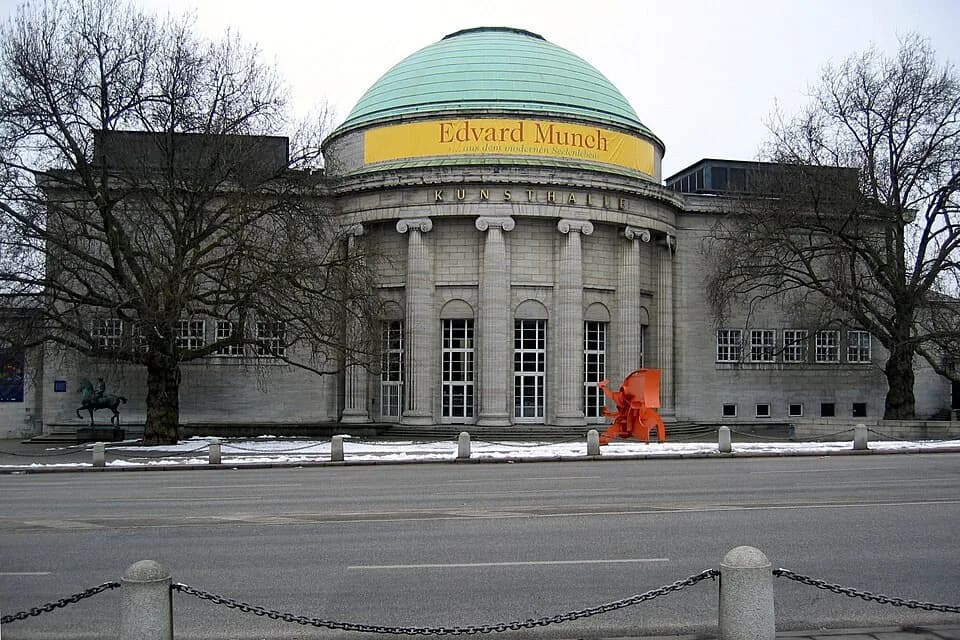
Munch’s body of work, spanning paintings, graphic art, and prints, continues to be celebrated in major institutions like the Art Institute of Chicago and the Metropolitan Museum of Art, ensuring his art reaches a global audience. Artists and scholars worldwide still study his distinctive use of color, line, and composition to evoke deep emotional responses. Edvard Munch’s vision permanently expanded the boundaries of what art could convey about the human condition, cementing his place as one of Norway's most cherished and globally significant artists.
जीवनका क्षणहरू
जीवनलाई आकार दिने क्षणहरू

प्रायः सोधिने प्रश्नहरू
बारम्बार सोधिएका प्रश्नहरू
Edvard Munch कहिले बित्नुभयो?
Edvard Munch १९४४ जनवरी २३ मा Ekely, Norway मा बित्नुभयो, 80 वर्षको उमेरमा।
Edvard Munch कहाँ जन्मनुभयो?
Edvard Munch Ådalsbruk, Norway मा १८६३ डिसेम्बर १२ मा जन्मनुभयो।
Edvard Munch सबैभन्दा बढी केका लागि चिनिनुहुन्छ?
Edvard Munch Norwegian painter का लागि सबैभन्दा बढी चिनिनुहुन्छ।
मृत्युको समयमा Edvard Munch को उमेर कति थियो?
मृत्युको समयमा Edvard Munch को उमेर 80 वर्ष थियो।
Edvard Munch को राष्ट्रियता के थियो?
Edvard Munch Norway बाट हुनुहुन्थ्यो।
समयरेखा
जीवनको झलक
तस्बिर ग्यालरी
तस्बिरहरूमा जीवन
कुनै पनि पोलारोइड विस्तार गर्न क्लिक गर्नुहोस् · 49 तस्बिरहरू
क्यूआर कोड
यो जीवनी साझा गर्नुहोस्
प्रिन्ट गर्नुहोस् र सेयर गर्नुहोस्
यो जीवनी पृष्ठ हेर्न स्क्यान गर्नुहोस्। कार्यक्रम, प्रदर्शन, वा शैक्षिक सामग्रीका लागि प्रिन्ट गर्नुहोस्।