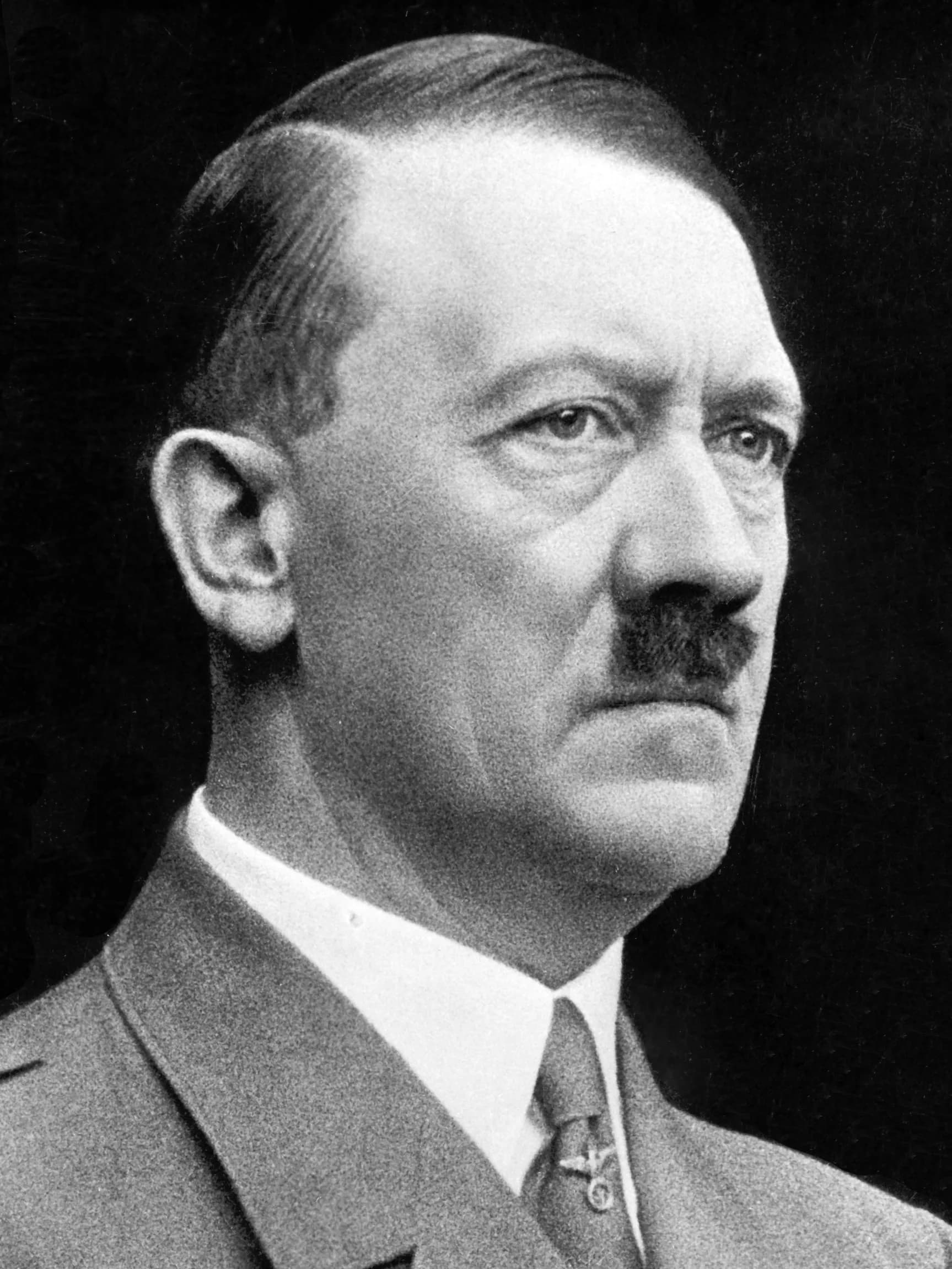
जन्म
April 20, 1889
Adolf-Hitler-Geburtshaus, Austria
निधन
April 30, 1945
Führerbunker, Nazi Germany
को लागि चिनिनुहुन्थ्यो
dictator of Germany from 1933 to 1945, main instigator of World War II
Adolf Hitler (1889–1945) was Austria best known for dictator of Germany from 1933 to 1945, main instigator of World War II.
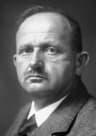
Adolf Hitler (April 20, 1889 – April 30, 1945) was an Austrian-born German politician and Holocaust perpetrator. He was the dictator of Germany from 1933 to 1945 and the main instigator of World War II. His leadership led to immense global conflict and profound human suffering.
अध्याय
जीवनका अध्यायहरू
अध्याय 1 · 1889· कुल 6 मध्ये अध्याय 1
Early Life and Origins
Adolf Hitler was born on April 20, 1889, in the Adolf-Hitler-Geburtshaus, a specific location situated in Austria. This Austrian birthplace marked the very beginning of a life that would eventually diverge dramatically from its humble origins. His early years were spent in a period of relative peace before the cataclysms he would later unleash.
While specific details about his family and upbringing beyond his birthplace are not provided, his Austrian heritage remained a constant aspect of his identity throughout his life. This background as an Austrian-born individual who later became a prominent German politician is a key facet of his biographical narrative. His early experiences, though unelaborated here, set the stage for his subsequent political evolution.
अध्याय 2· कुल 6 मध्ये अध्याय 2
Political Ascent and Consolidation of Power
Hitler's journey into the political arena saw him rise significantly within the German political structure. He ascended to power as the undisputed leader of the Nazi Party, a movement that gained considerable traction in Germany. This leadership position provided him with the platform to enact his radical agenda and reshape the nation.
His political career saw him achieve the influential position of Chancellor of Germany in 1933. This appointment was a crucial step in his consolidation of power, granting him significant governmental authority. Subsequently, in 1934, he further solidified his control by taking on the combined title of Führer und Reichskanzler, effectively merging the roles of head of state and head of government and cementing his dictatorial rule.
The years between 1933 and 1934 were critical for Hitler's absolute grip on Germany. As dictator, he systematically dismantled democratic institutions and established a totalitarian regime. This period of rapid political transformation laid the groundwork for the aggressive expansionist policies that would soon follow.
अध्याय 3 · 1939· कुल 6 मध्ये अध्याय 3
The Outbreak of World War II and Military Leadership
A defining moment in Adolf Hitler's rule and global history occurred on September 1, 1939. Under his direct leadership, Germany launched an invasion of Poland, an act that undeniably marked the outbreak of the Second World War. This aggressive military action initiated a global conflict that would rage for six devastating years.
Throughout the entirety of this ensuing and prolonged conflict, Hitler maintained a close and direct involvement in the direction of German military operations. He made crucial strategic and tactical decisions, often overriding his military commanders. His leadership style was characterized by centralized control over the armed forces and their movements across various fronts.
His determination to direct the war effort personally meant that he was deeply engrossed in military planning and execution. This level of engagement ensured his direct responsibility for the conduct and progression of German forces throughout World War II. The conflict's trajectory was thus heavily influenced by his personal directives and strategic choices.
अध्याय 4· कुल 6 मध्ये अध्याय 4
The Holocaust: Orchestration of Genocide
Beyond his role in military operations, Adolf Hitler was central to the perpetration of the Holocaust. This horrific event stands as a grim testament to his designation as a Holocaust perpetrator. The systematic genocide carried out under his regime targeted specific populations for extermination, illustrating an extreme level of racial hatred and persecution.
The Holocaust tragically resulted in the deaths of approximately six million Jews, who were systematically murdered across German-occupied Europe. This immense loss of life represents one of humanity's darkest chapters, driven by an ideology of racial purity and elimination. His directives created the bureaucratic and physical apparatus for this mass murder.
In addition to the Jewish population, millions of other victims also perished during the Holocaust. These victims included Romani people, Slavs, disabled individuals, political opponents, and homosexuals, among others. The scale and systematic nature of this atrocity underscore Hitler's profound and horrifying impact as its primary orchestrator and enabler.
अध्याय 5 · 1945· कुल 6 मध्ये अध्याय 5
Final Years and Demise
Adolf Hitler's dictatorial rule over Germany continued steadfastly until his final days in 1945. As Allied forces closed in on Berlin, the capital of Nazi Germany, his regime faced imminent collapse. The relentless advance of opposing armies signaled the end of his oppressive twelve-year reign.
His life came to an end on April 30, 1945, through suicide. This final act occurred within the confines of the Führerbunker, a subterranean complex in Nazi Germany, as the war reached its brutal conclusion. His death marked the definitive end of the Nazi era and soon after, the end of World War II in Europe.
The Führerbunker, his death place, symbolized the desperate and isolated circumstances of his final moments. His demise brought an abrupt end to the devastating conflict he had initiated and prolonged, leaving behind a nation in ruins and a world forever changed by his actions.
अध्याय 6· कुल 6 मध्ये अध्याय 6
Legacy and Enduring Impact
The legacy of Adolf Hitler is one of profound destruction and unparalleled human suffering. His actions as dictator of Germany and instigator of World War II permanently altered the course of 20th-century history. The global consequences of his decisions continue to be studied and reflected upon to this day.
His role as a Holocaust perpetrator ensures that his name is inextricably linked with genocide and the systematic extermination of millions. The memory of the Holocaust serves as a constant, somber reminder of the dangers of unchecked power and extremist ideologies. It is a historical event that demands continuous remembrance and education.
The impact of Adolf Hitler’s life and rule is universally understood as a cautionary tale against hatred, aggression, and totalitarianism. His influence remains a central subject in the study of war, political extremism, and human rights. The devastation caused under his leadership stands as a stark warning for future generations against the perils of such destructive forces.
जीवनका क्षणहरू
जीवनलाई आकार दिने क्षणहरू
प्रायः सोधिने प्रश्नहरू
बारम्बार सोधिएका प्रश्नहरू
Adolf Hitler कहिले बित्नुभयो?
Adolf Hitler १९४५ अप्रिल ३० मा Führerbunker, Nazi Germany मा बित्नुभयो, 56 वर्षको उमेरमा।
Adolf Hitler कहाँ जन्मनुभयो?
Adolf Hitler Adolf-Hitler-Geburtshaus, Austria मा १८८९ अप्रिल २० मा जन्मनुभयो।
Adolf Hitler सबैभन्दा बढी केका लागि चिनिनुहुन्छ?
Adolf Hitler dictator of Germany from 1933 to 1945, main instigator of World War II का लागि सबैभन्दा बढी चिनिनुहुन्छ।
मृत्युको समयमा Adolf Hitler को उमेर कति थियो?
मृत्युको समयमा Adolf Hitler को उमेर 56 वर्ष थियो।
Adolf Hitler को राष्ट्रियता के थियो?
Adolf Hitler Austria बाट हुनुहुन्थ्यो।
समयरेखा
जीवनको झलक
तस्बिर ग्यालरी
तस्बिरहरूमा जीवन
कुनै पनि पोलारोइड विस्तार गर्न क्लिक गर्नुहोस् · 46 तस्बिरहरू
क्यूआर कोड
यो जीवनी साझा गर्नुहोस्
प्रिन्ट गर्नुहोस् र सेयर गर्नुहोस्
यो जीवनी पृष्ठ हेर्न स्क्यान गर्नुहोस्। कार्यक्रम, प्रदर्शन, वा शैक्षिक सामग्रीका लागि प्रिन्ट गर्नुहोस्।