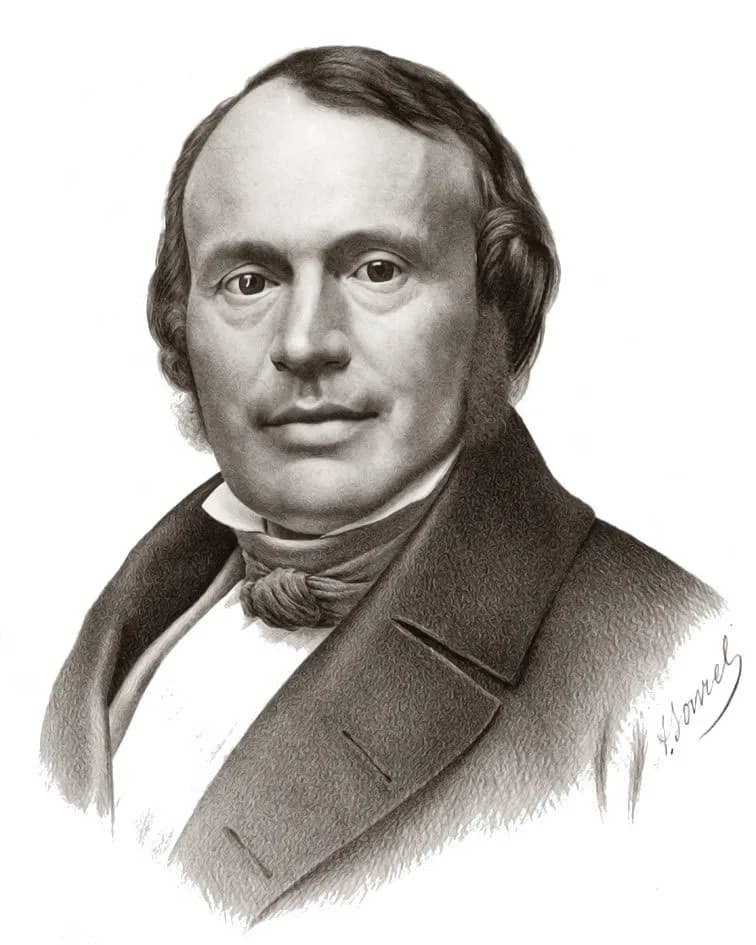
မွေးဖွား
May 28, 1807
Môtiers, Switzerland
ကွယ်လွန်
December 14, 1873
Cambridge, United States
ကျော်ကြားသော အကြောင်းအရာ
Swiss-American naturalist
Louis Agassiz (1807–1873) was Switzerland best known for Swiss-American naturalist.
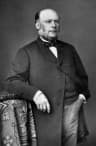
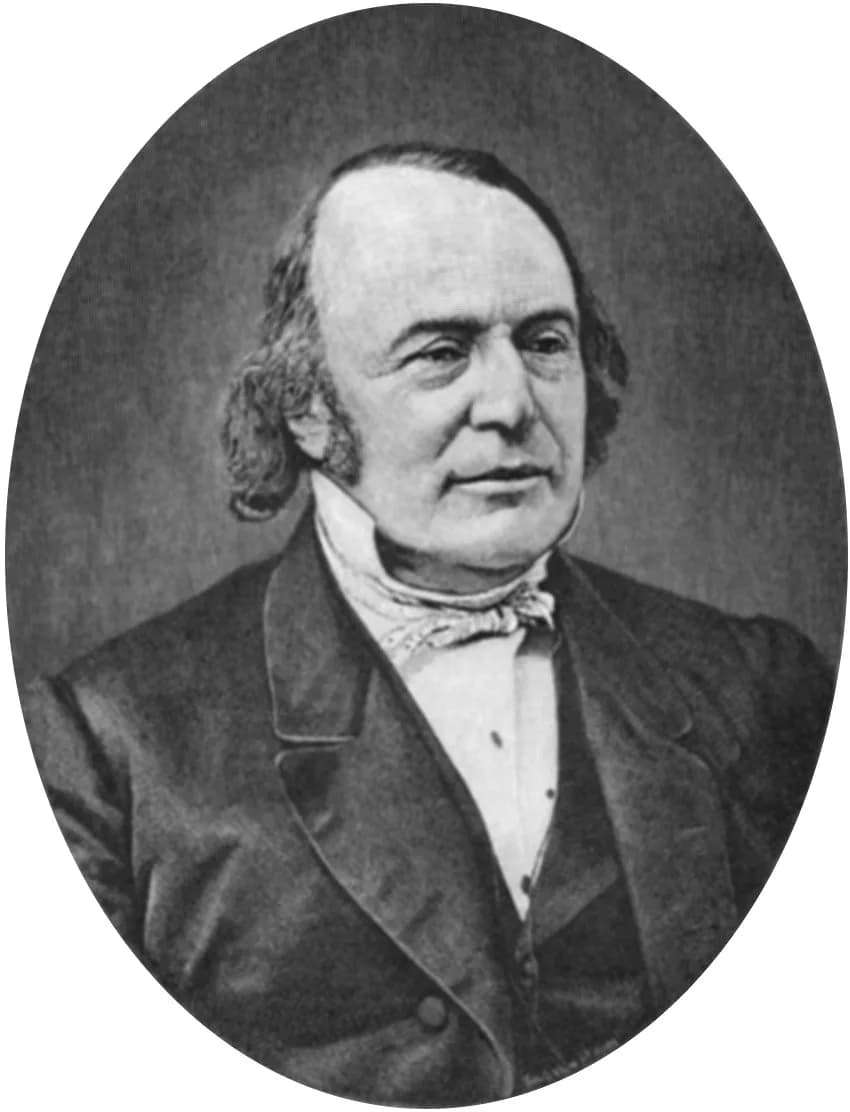
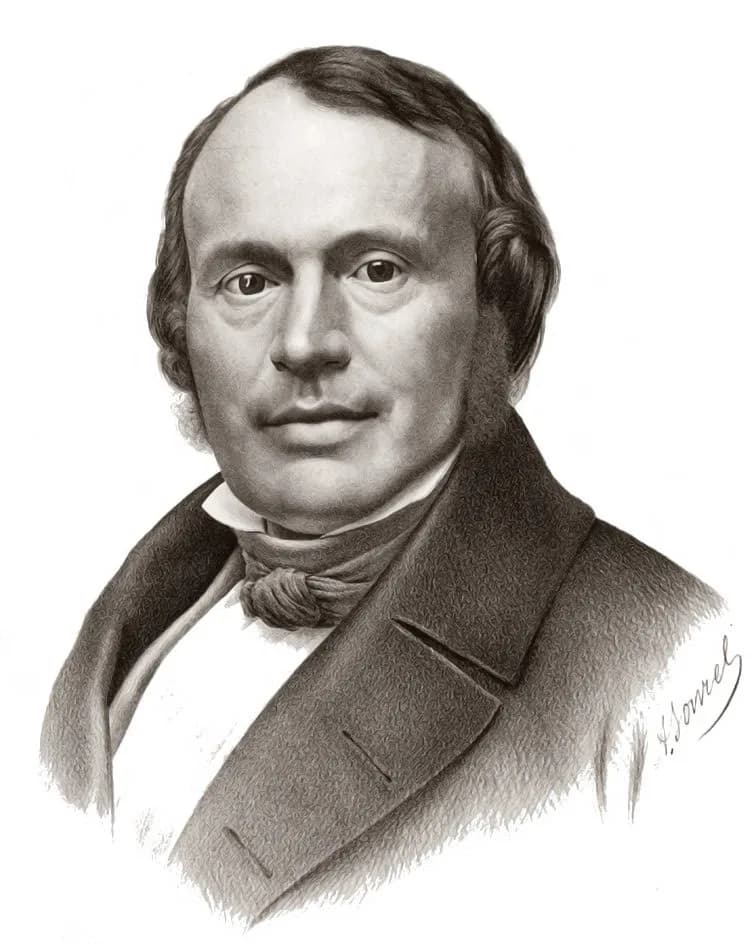
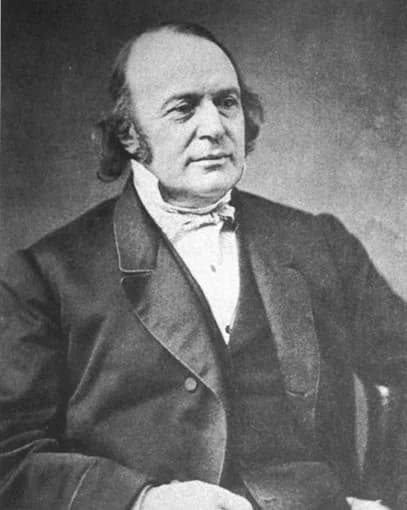
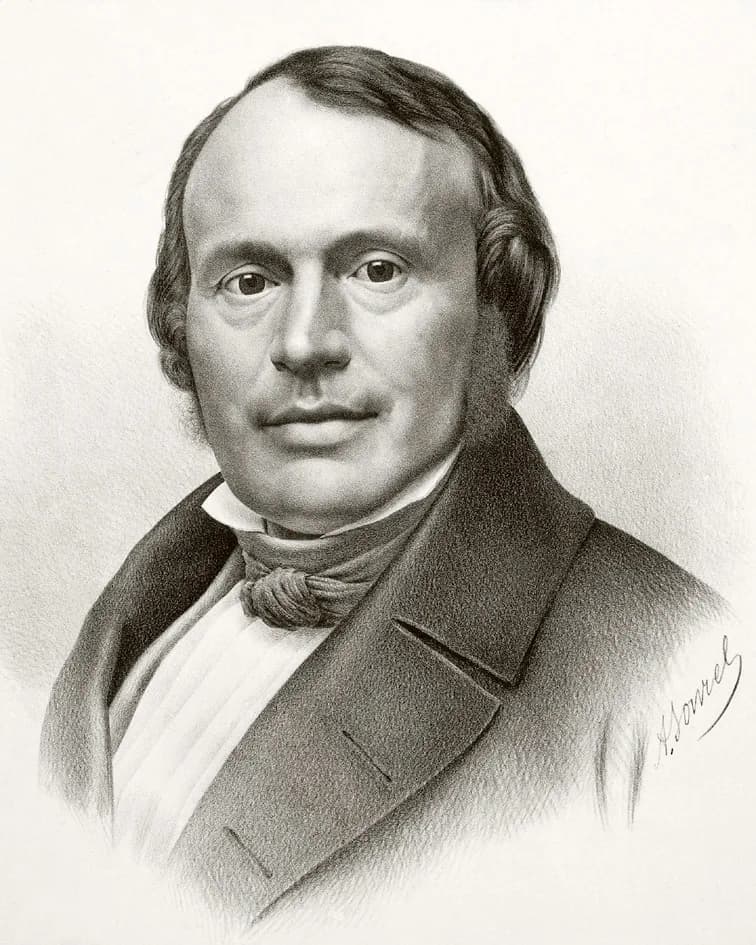
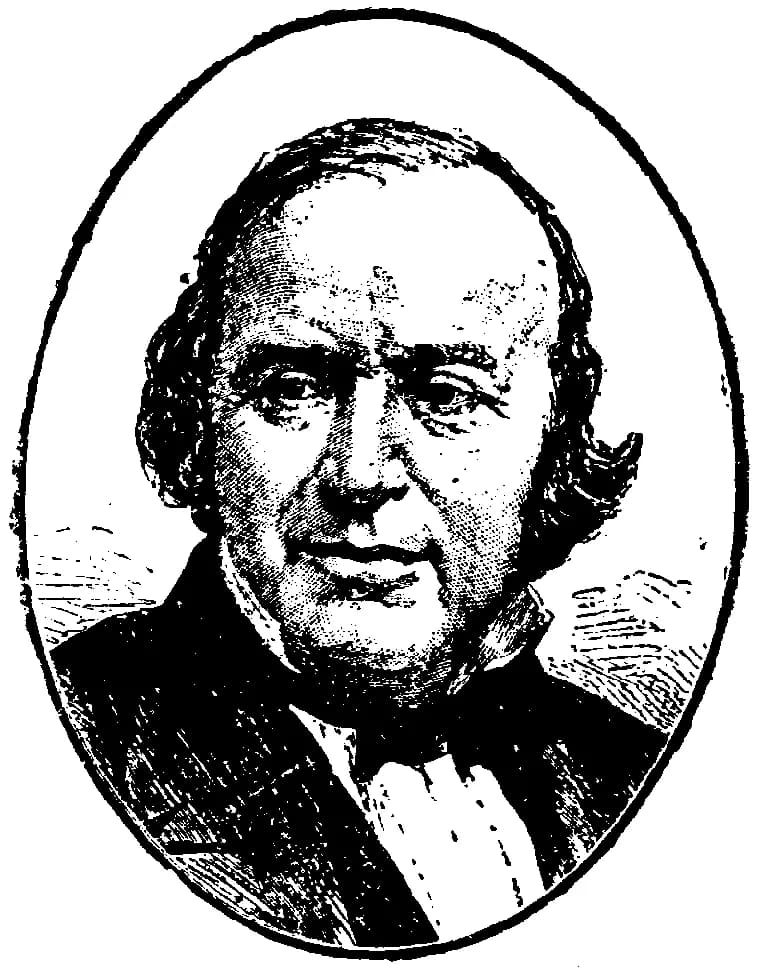
Louis Agassiz (May 28, 1807 – December 14, 1873) was a Swiss-born American naturalist. He was recognized as a scholar of Earth's natural history, making significant contributions as a zoologist, geologist, and university teacher. His extensive work shaped the scientific understanding of his era.
အပိုင်း
ဘဝ၏ အပိုင်းများ
အပိုင်း 1 · 1807· အပိုင်း 1 / 6
Early Life and Origins
Louis Agassiz was born on May 28, 1807, in Môtiers, Switzerland, into a family that fostered his early intellectual curiosity. His initial education laid the groundwork for a multidisciplinary career, encouraging his inherent interest in the natural world. He pursued studies that would eventually lead him to become a practicing physician, though his passion for zoology and natural history soon took precedence.
His early academic pursuits cultivated a rigorous approach to scientific inquiry and observation. This foundational period in Switzerland was crucial in shaping his keen eye for detail and his systematic methodology, traits that would define his professional life. From these beginnings, Agassiz embarked on a path that would make him one of the most respected naturalists of his era.
အပိုင်း 2· အပိုင်း 2 / 6
Career Beginnings
Agassiz's career began with a strong focus on zoology, particularly in the study of fish, which established his reputation as a pioneering ichthyologist. His meticulous work in classifying and describing various species quickly garnered international attention from the scientific community. This early specialization provided a solid platform from which he would broaden his investigative scope.
He swiftly became known not only for his scientific rigor but also for his comprehensive approach to natural history. His initial publications and research laid the groundwork for his future explorations into geology and paleontology. These foundational contributions marked the inception of a career dedicated to unraveling the complexities of Earth's biological and geological past.
အပိုင်း 3· အပိုင်း 3 / 6
Major Achievements and Career Highlights
Throughout his prolific career, Louis Agassiz embraced a remarkable array of professions, demonstrating an unparalleled breadth of scientific interest. He distinguished himself as a writer, naturalist, physician, zoologist, and geologist, contributing significantly to each field. He also served as a climatologist, university teacher, paleontologist, and a keen botanical collector and botanist.
His intellectual reach extended further, encompassing roles as a philosopher, physical geographer, and a prolific scientific collector. Agassiz is also especially noted for his pioneering work as a glaciologist, where his studies on ancient glaciers revolutionized geological understanding. Among his diverse professional engagements, he also explored racial theory, reflecting the complex scientific and social discussions of his time.
Agassiz's move to the United States and his subsequent tenure as a university teacher in Cambridge solidified his status as a leading scientific figure. He became a prominent voice in American science, shaping institutions and influencing generations of students. His work on Earth's natural history profoundly impacted scientific thought and exploration during the 19th century.
အပိုင်း 4· အပိုင်း 4 / 6
Notable Works or Contributions
Louis Agassiz produced an extensive bibliography that reflects his wide-ranging scientific interests and contributions. Among his significant publications is "Embryologie des salmon," a detailed study that showcased his expertise in zoology and developmental biology. This work demonstrated his meticulous observational skills and his dedication to understanding life cycles.
His geological insights were captured in "Geological sketches," a collection that elucidated his theories on glaciation and Earth's past climate. These sketches played a crucial role in advancing the understanding of geological processes and landforms. Another important contribution was "Selecta genera et species piscium," which further cemented his reputation as a leading ichthyologist, documenting numerous fish species with intricate detail.
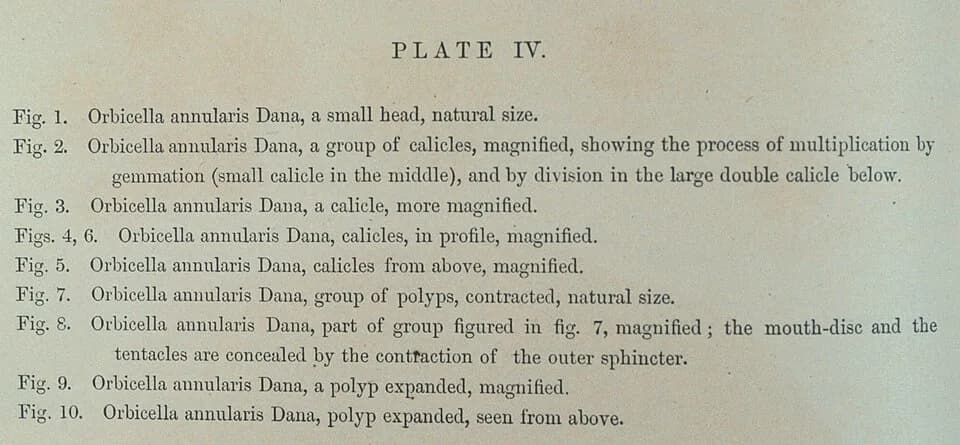
Other notable works include "The anatomy of Astrangia danae," which delved into marine biology, and "Evolution and permanence of type," addressing fundamental biological concepts. He also authored "Matériaux pour servir à une énumération aussi complète que possible des ouvrages publiés sur l'histoire naturelle, dès les tems les plus anciens jusqu' à ce jour," a monumental bibliographic effort. His collected "Letters to Theodore Lyman, 6 June - 31 October 1870" provide personal insights into his scientific thoughts and relationships, offering a glimpse into his working methods and intellectual exchanges.
အပိုင်း 5· အပိုင်း 5 / 6
Later Years
In his later years, Louis Agassiz continued his dedicated work as a university teacher and researcher, primarily based in Cambridge, United States. He remained an active voice in the scientific community, contributing to various debates and fostering scientific education. His commitment to fieldwork and discovery persisted, even as his health began to decline.
He continued to write and publish, consolidating his vast knowledge and sharing his final insights with the scientific world. Agassiz passed away on December 14, 1873, in Cambridge, leaving behind a monumental body of work and a lasting educational legacy. His presence in the academic landscape was felt deeply, influencing countless students and colleagues.
အပိုင်း 6· အပိုင်း 6 / 6
Legacy and Impact
Louis Agassiz's legacy as a Swiss-American naturalist remains profound, particularly through his pioneering work in glaciology and ichthyology. His scientific endeavors significantly advanced the study of Earth's natural history, providing new frameworks for understanding geology and marine life. He is remembered for his dedication to empirical observation and systematic classification.
His role as a university teacher in the United States was instrumental in shaping American science education and research institutions. Agassiz's influence extended beyond his specific scientific discoveries, inspiring future generations of naturalists, geologists, and biologists. His extensive bibliography continues to be studied as a testament to his intellectual vigor and broad scientific reach.
Despite some of his views being reevaluated in subsequent eras, particularly concerning racial theory, his foundational contributions to biology and geology are undeniable. Louis Agassiz's commitment to understanding the natural world, from microscopic organisms to continental ice sheets, secured his place as a pivotal figure in 19th-century science. His life and work continue to be a subject of study, underscoring his lasting importance in the history of science.
အခိုက်အတန့်များတွင် ဘဝတစ်ခု
ဘဝတစ်ခုကို ပုံဖော်ပေးခဲ့သော အခိုက်အတန့်များ
FAQ
မေးလေ့ရှိသော
Louis Agassiz ဘယ်အချိန်က ကွယ်လွန်ခဲ့သလဲ?
Louis Agassiz သည် ၁၈၇၃ ဒီဇင်ဘာ ၁၄ တွင် Cambridge, United States၌ ကွယ်လွန်ခဲ့သည်။ ထိုအချိန်တွင် အသက် 66 နှစ်ရှိခဲ့သည်။
Louis Agassiz ဘယ်မှာ မွေးဖွားခဲ့သလဲ?
Louis Agassiz သည် Môtiers, Switzerlandတွင် ၁၈၀၇ မေ ၂၈ ၌ မွေးဖွားခဲ့သည်။
Louis Agassiz သည် ဘာအတွက် အကျော်ကြားဆုံးလဲ?
Louis Agassiz သည် Swiss-American naturalist အတွက် အကျော်ကြားဆုံးဖြစ်သည်။
Louis Agassiz ကွယ်လွန်ချိန်တွင် အသက်မည်မျှ ရှိခဲ့သနည်း?
Louis Agassiz ကွယ်လွန်ချိန်တွင် အသက် 66 နှစ်ရှိခဲ့သည်။
Louis Agassiz သည် မည်သည့်လူမျိုးဖြစ်သနည်း?
Louis Agassiz သည် Switzerland မှ ဖြစ်သည်။
အချိန်ဇယား
ဘဝတစ်ချက် ရှု့
ဓာတ်ပုံ ပန်းချီပြခန်း
ပုံများတွင် ဘဝတစ်ခု
polaroid တစ်ခုခုကို ဖြန့်ရန် ကလစ်နှိပ်ပါ · ဓာတ်ပုံ 48 ပုံ
QR ကုဒ်
ဤအတ္ထုပ္ပတ္တိကို မျှဝေရန်
ပုံနှိပ်ပြီး မျှဝေရန်
ဤအတ္ထုပ္ပတ္တိစာမျက်နှာသို့ လည်ပတ်ရန် စကင်ဖတ်ပါ။ ဖြစ်ရပ်များ၊ ပြပွဲများ သို့မဟုတ် ပညာရေးဆိုင်ရာ ပစ္စည်းများအတွက် ပုံနှိပ်ပါ။