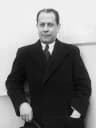
မွေးဖွား
October 16, 1888
New York City, United States
ကွယ်လွန်
November 27, 1953
Boston, United States
ကျော်ကြားသော အကြောင်းအရာ
American playwright
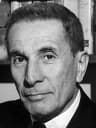
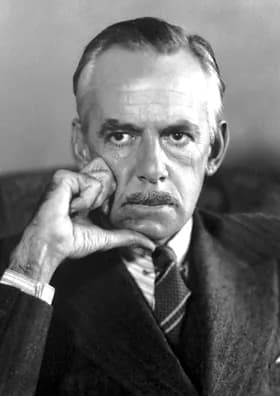
Eugene O'Neill (1888–1953) was United States best known for American playwright.
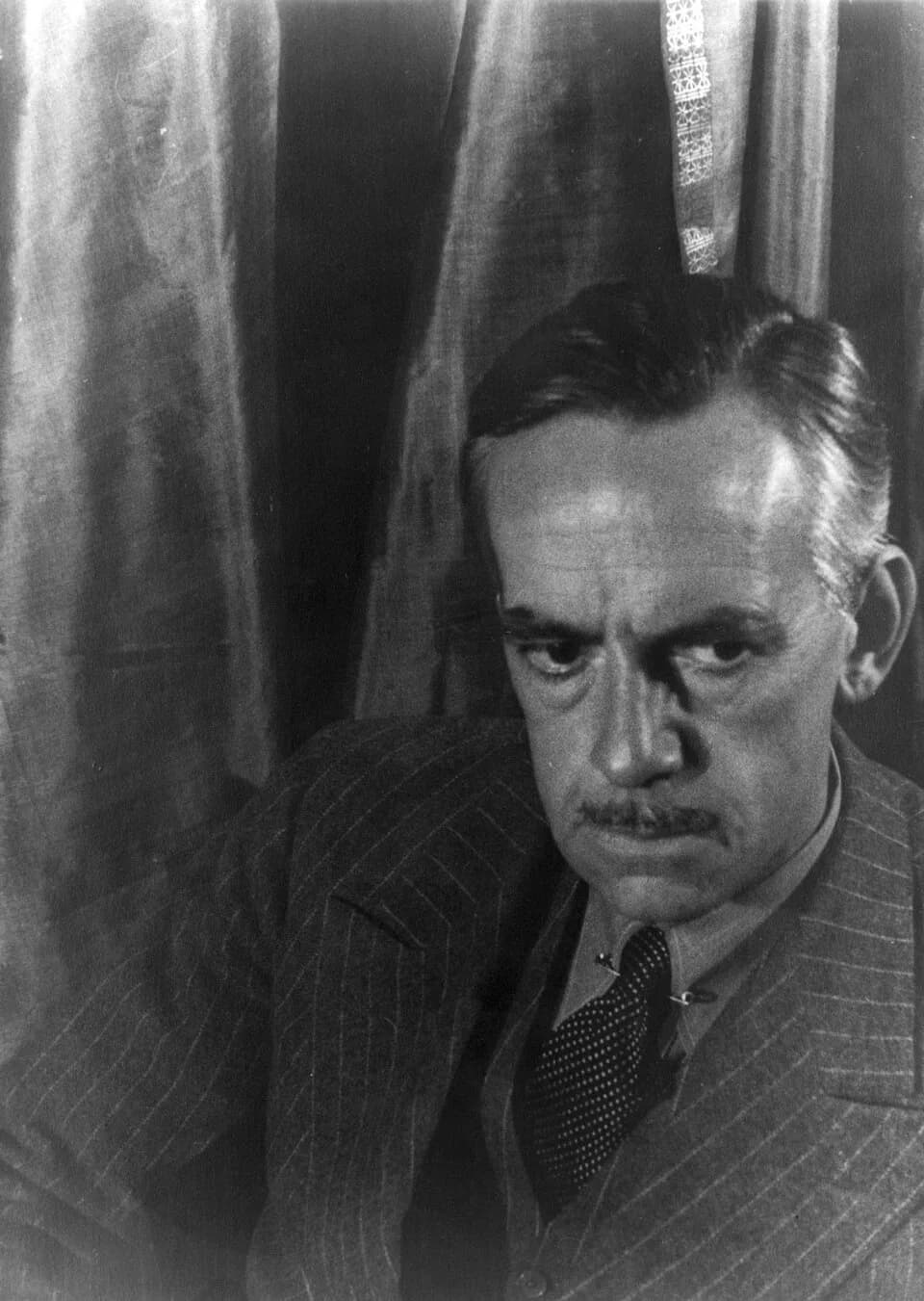
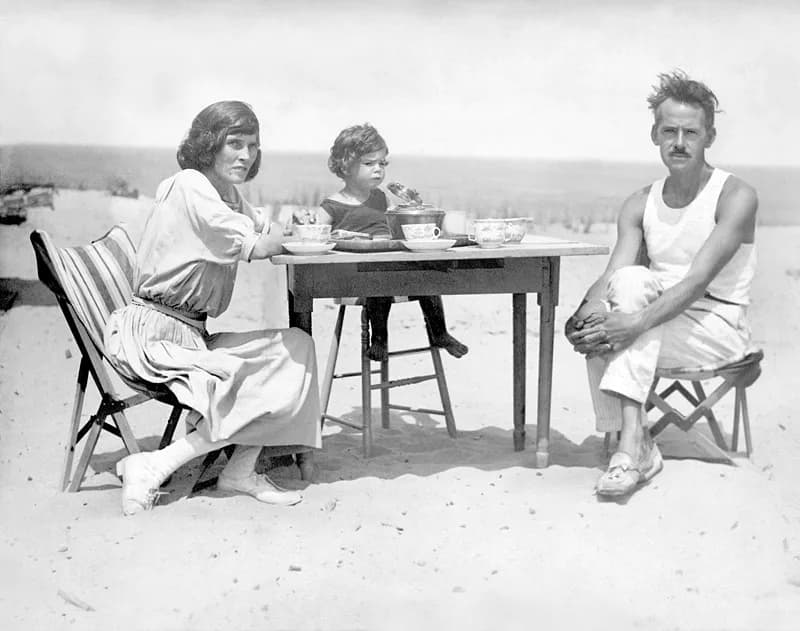
Eugene O'Neill (October 16, 1888 – November 27, 1953) was an American playwright from New York City. He introduced dramatic realism to U.S. theater and won the Nobel Prize in Literature and four Pulitzer Prizes. His tragedy, <i>Long Day's Journey into Night</i>, remains a cornerstone of American drama.
အပိုင်း
ဘဝ၏ အပိုင်းများ
အပိုင်း 1 · 1888· အပိုင်း 1 / 6
Early Life and Origins
Born on October 16, 1888, in New York City, United States, Eugene Gladstone O'Neill Sr. spent his formative years in a theatrical family environment. While specific details of his early upbringing are not extensively documented in the provided information, his birthplace would certainly have offered a dynamic backdrop to his initial experiences. This early exposure to urban life and the stage likely laid foundational influences for his later dramatic narratives.
အပိုင်း 2· အပိုင်း 2 / 6
Career Beginnings
O'Neill began his journey as a writer, developing a unique dramatic voice that would soon resonate with audiences and critics alike. He embarked on a career dedicated to the stage, crafting plays that pushed the boundaries of traditional American theater. His early work set the stage for a career defined by bold artistic choices and a relentless pursuit of truth in storytelling.
အပိုင်း 3 · 1936· အပိုင်း 3 / 6
Major Achievements and Career Highlights
Eugene O'Neill's career was marked by extraordinary recognition for his artistic contributions. He was awarded the prestigious 1936 Nobel Prize in Literature, an honor bestowed "for the power, honesty and deep-felt emotions of his dramatic works, which embody an original concept of tragedy." This award underscored his profound impact on global literature and drama.
Beyond the Nobel Prize, O'Neill holds the unique distinction of being the only playwright to win four Pulitzer Prizes for Drama. These accolades affirm his consistent excellence and sustained creative output throughout his productive years. His work introduced dramatic realism to the U.S., a technique previously associated with European masters like Chekhov, Ibsen, and Strindberg, thus transforming American theatrical practice.
အပိုင်း 4· အပိုင်း 4 / 6
Notable Works or Contributions
Among his extensive bibliography, Eugene O'Neill crafted several plays that are considered cornerstones of American drama. His tragedy, Long Day's Journey into Night, is frequently listed among the finest American plays of the 20th century. It stands alongside other iconic works such as Tennessee Williams's A Streetcar Named Desire and Arthur Miller's Death of a Salesman.
His impressive body of work includes titles like L'emperador Jones, The Great God Brown, and Anna Christie. Other significant plays such as Iceman Cometh and Strange Interlude further showcase his range and depth as a dramatist. These works collectively represent a powerful exploration of human psychology and societal complexities.
အပိုင်း 5 · 1953· အပိုင်း 5 / 6
Later Years
Eugene O'Neill's creative period spanned many decades, culminating in a legacy of enduring plays. He passed away on November 27, 1953, in Boston, United States. Even in his final years, his influence continued to shape the direction of modern theater, with his plays frequently revived and studied.
အပိုင်း 6· အပိုင်း 6 / 6
Legacy and Impact
The legacy of Eugene O'Neill is deeply woven into the fabric of American theater. He single-handedly introduced and popularized the drama techniques of realism in the United States, offering a stark and honest portrayal of life. His plays explore complex emotional landscapes, challenging audiences to confront profound human experiences.
His contributions are still celebrated for their originality and dramatic power, influencing generations of playwrights and actors. O'Neill's vision expanded the scope of what American drama could achieve, ensuring his place as an indispensable artist in the annals of literary history. His works continue to be performed and analyzed worldwide, attesting to their timeless relevance.
အခိုက်အတန့်များတွင် ဘဝတစ်ခု
ဘဝတစ်ခုကို ပုံဖော်ပေးခဲ့သော အခိုက်အတန့်များ
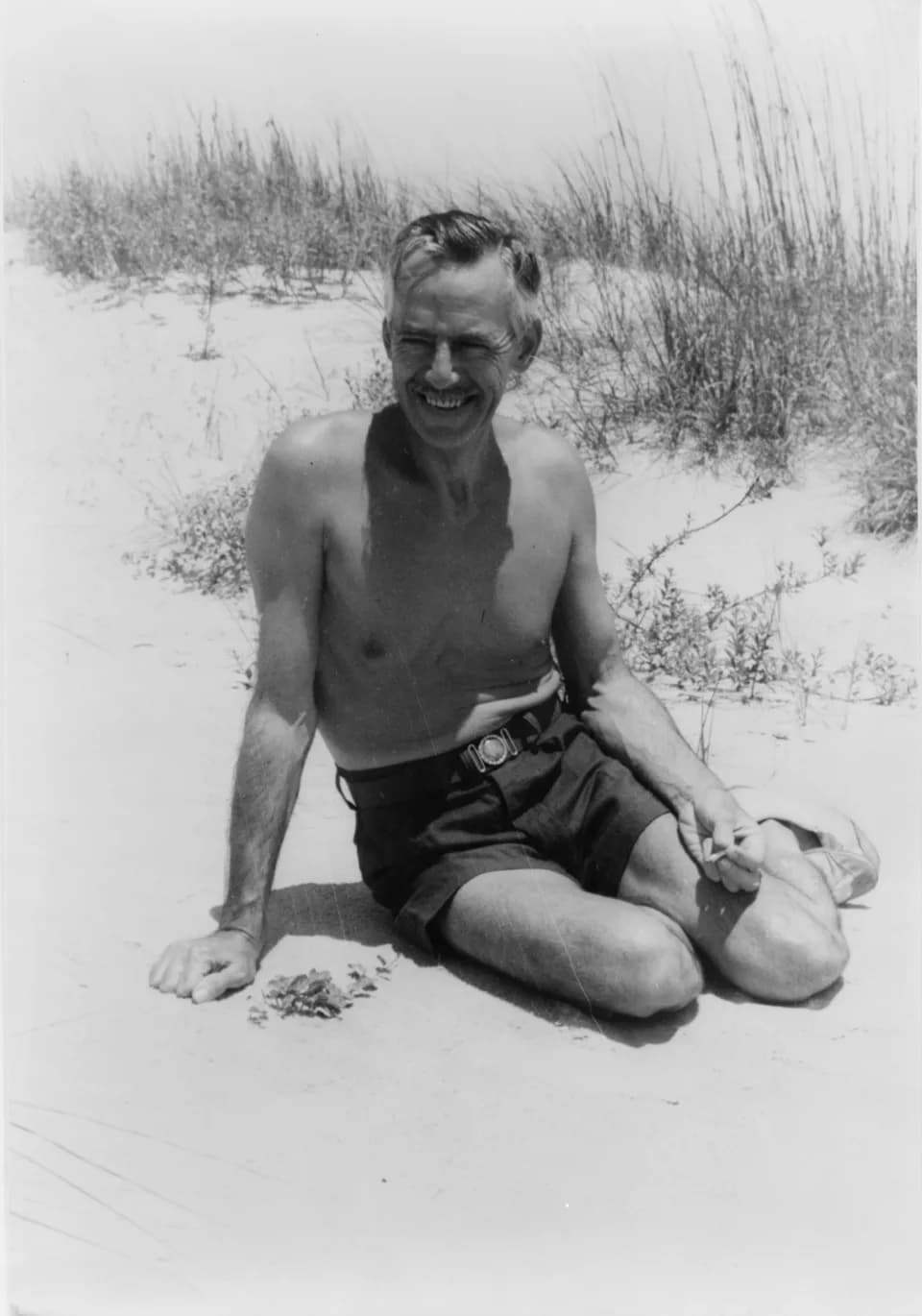
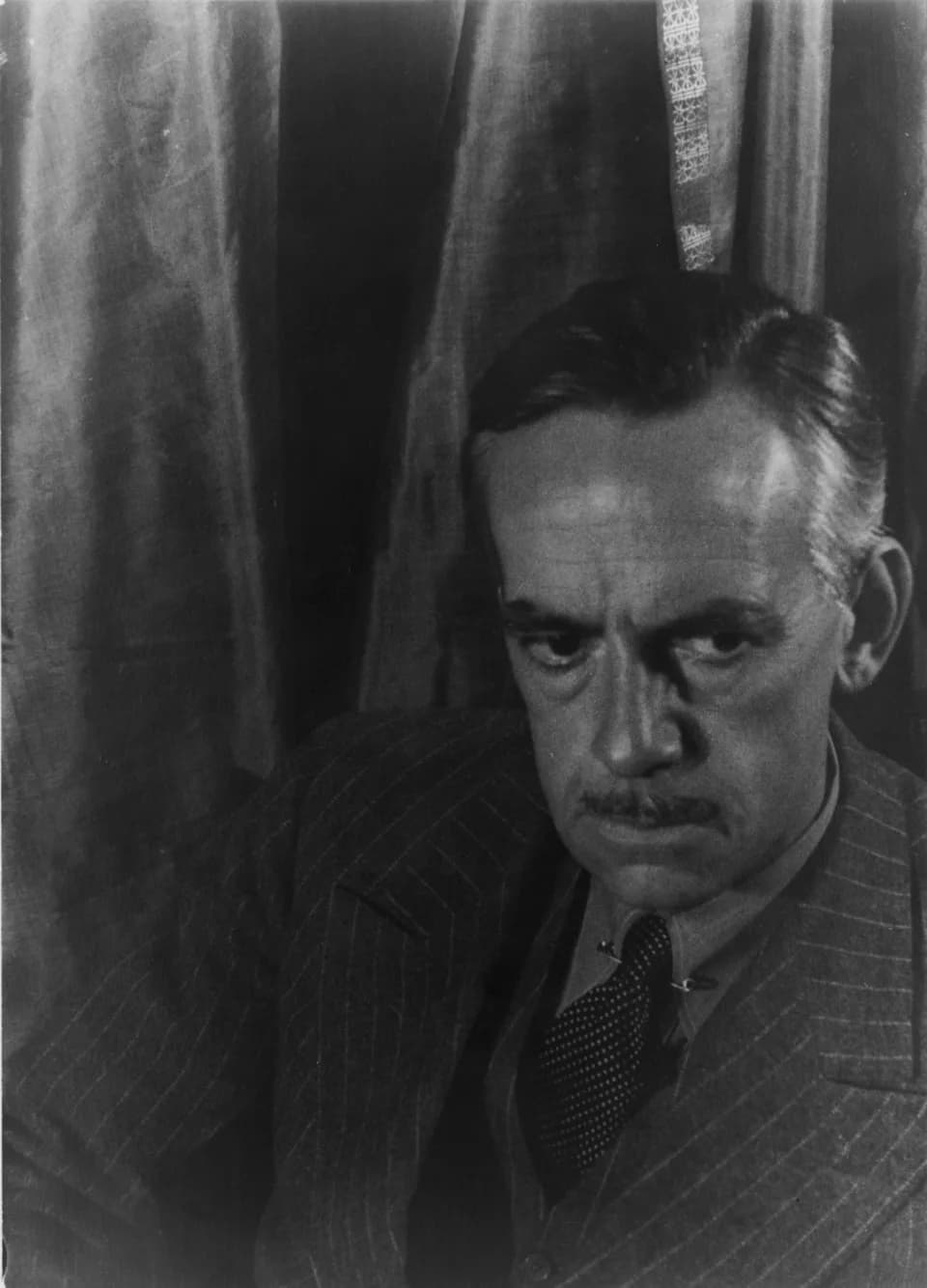
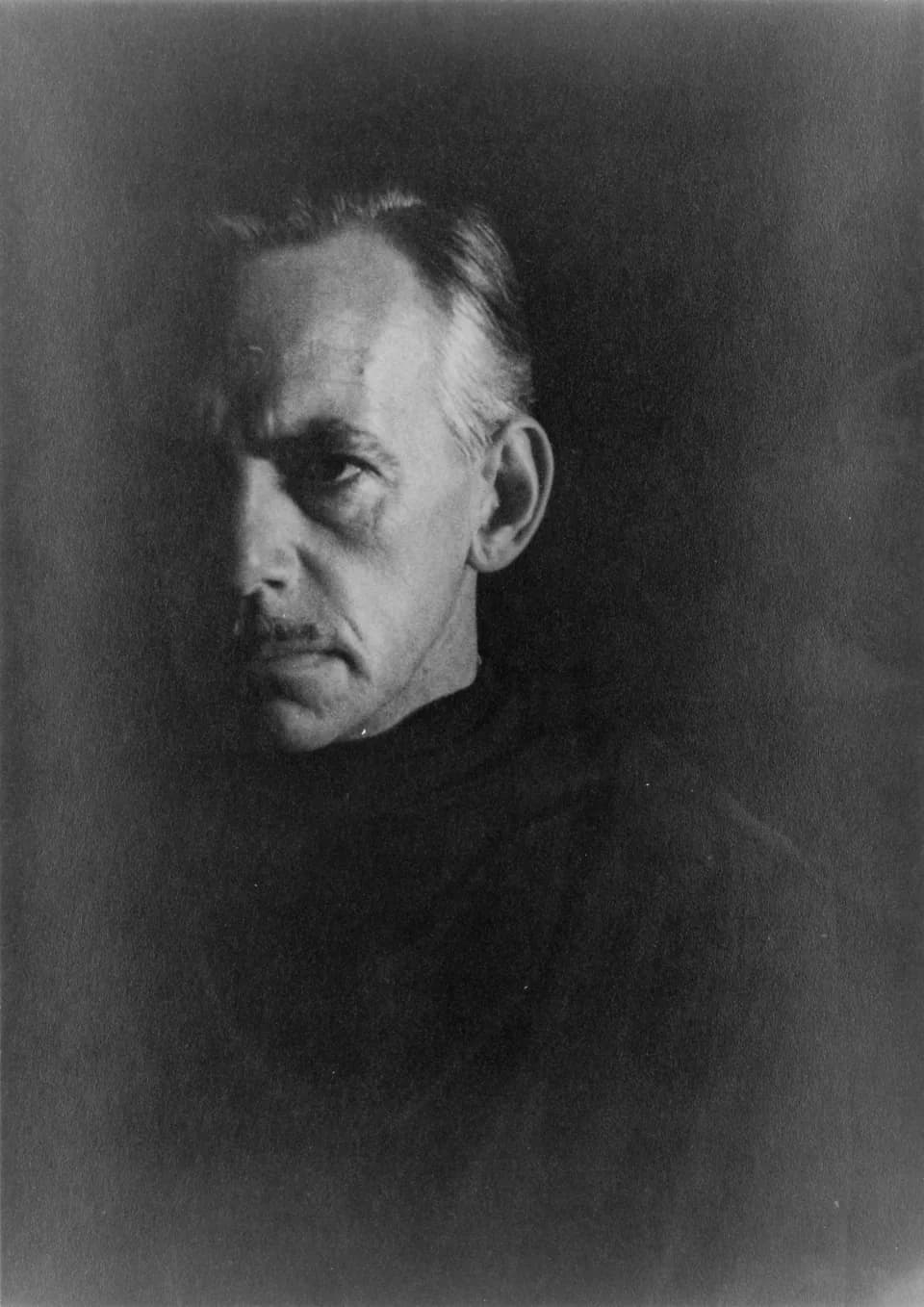
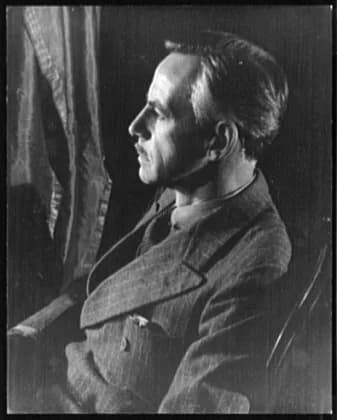
FAQ
မေးလေ့ရှိသော
Eugene O'Neill ဘယ်အချိန်က ကွယ်လွန်ခဲ့သလဲ?
Eugene O'Neill သည် ၁၉၅၃ နိုဝင်ဘာ ၂၇ တွင် Boston, United States၌ ကွယ်လွန်ခဲ့သည်။ ထိုအချိန်တွင် အသက် 65 နှစ်ရှိခဲ့သည်။
Eugene O'Neill ဘယ်မှာ မွေးဖွားခဲ့သလဲ?
Eugene O'Neill သည် New York City, United Statesတွင် ၁၈၈၈ အောက်တိုဘာ ၁၆ ၌ မွေးဖွားခဲ့သည်။
Eugene O'Neill သည် ဘာအတွက် အကျော်ကြားဆုံးလဲ?
Eugene O'Neill သည် American playwright အတွက် အကျော်ကြားဆုံးဖြစ်သည်။
Eugene O'Neill ကွယ်လွန်ချိန်တွင် အသက်မည်မျှ ရှိခဲ့သနည်း?
Eugene O'Neill ကွယ်လွန်ချိန်တွင် အသက် 65 နှစ်ရှိခဲ့သည်။
Eugene O'Neill သည် မည်သည့်လူမျိုးဖြစ်သနည်း?
Eugene O'Neill သည် United States မှ ဖြစ်သည်။
အချိန်ဇယား
ဘဝတစ်ချက် ရှု့
ဓာတ်ပုံ ပန်းချီပြခန်း
ပုံများတွင် ဘဝတစ်ခု
polaroid တစ်ခုခုကို ဖြန့်ရန် ကလစ်နှိပ်ပါ · ဓာတ်ပုံ 23 ပုံ
QR ကုဒ်
ဤအတ္ထုပ္ပတ္တိကို မျှဝေရန်
ပုံနှိပ်ပြီး မျှဝေရန်
ဤအတ္ထုပ္ပတ္တိစာမျက်နှာသို့ လည်ပတ်ရန် စကင်ဖတ်ပါ။ ဖြစ်ရပ်များ၊ ပြပွဲများ သို့မဟုတ် ပညာရေးဆိုင်ရာ ပစ္စည်းများအတွက် ပုံနှိပ်ပါ။