မွေးဖွား
April 9, 1802
Sammatti, Finland
ကွယ်လွန်
March 19, 1884
Sammatti, Finland
ကျော်ကြားသော အကြောင်းအရာ
Finnish physician, philologist and collector of traditional Finnish oral poetry
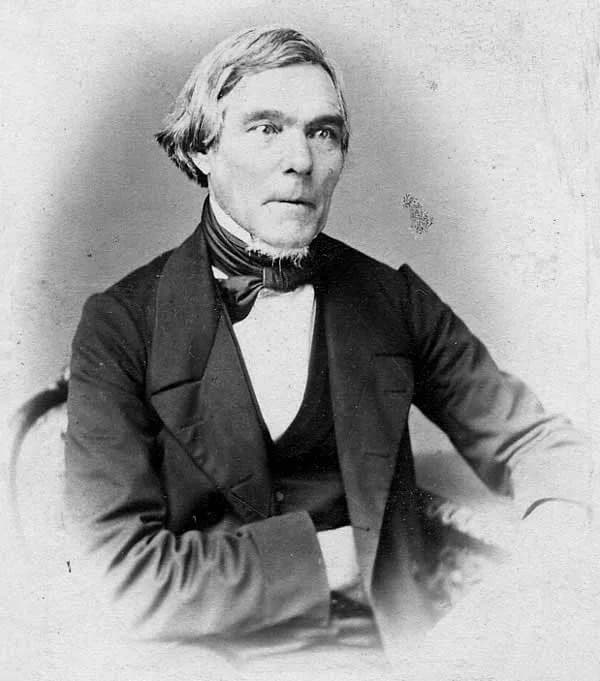
Elias Lönnrot (1802-1884) was a Finnish polymath, physician, and philologist from Sammatti, Finland. He synthesized the Kalevala, Finland's national epic, from traditional oral poetry collected during field expeditions across Finland and neighboring regions. His work fundamentally shaped Finnish cultural identity and national consciousness.
အခိုက်အတန့်များတွင် ဘဝတစ်ခု
ဘဝတစ်ခုကို ပုံဖော်ပေးခဲ့သော အခိုက်အတန့်များ
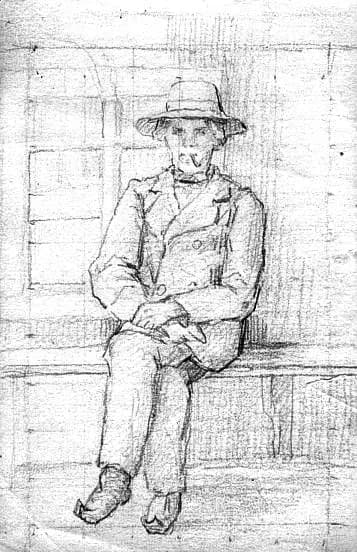
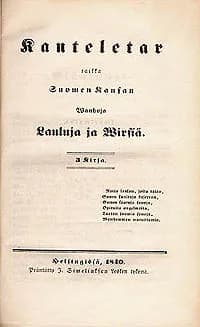
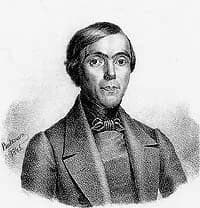
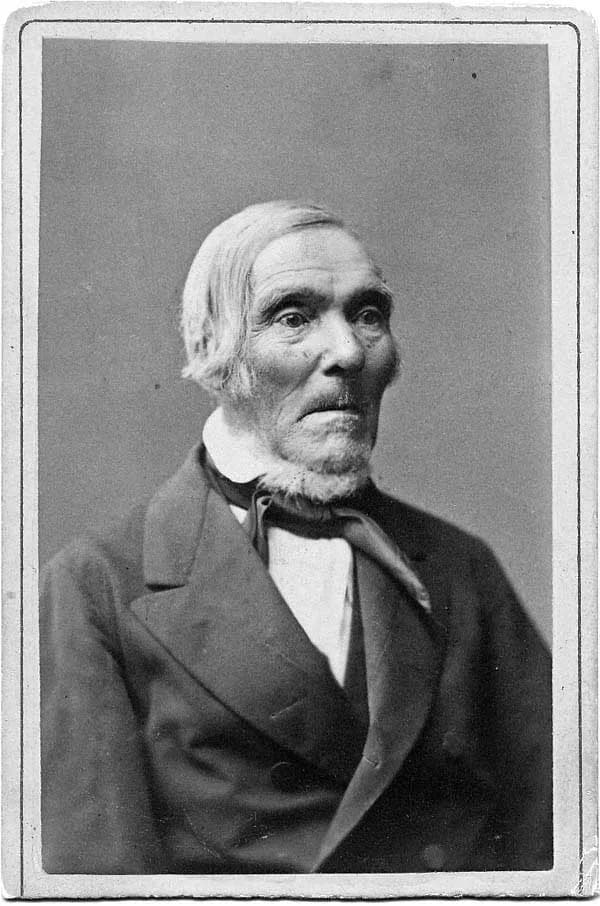
![Elias Lönnrot - Carricature of Elias Lönnrot Inscription: Unus homo nobis currendo restituit rem (Latin for "One man saved [everything] for us by running")](/_next/image?url=https%3A%2F%2Fcdn.whowasthisguy.com%2Fgallery_wikimedia_commons_1777975173812_3_5e6479c2d9.webp&w=1920&q=75)
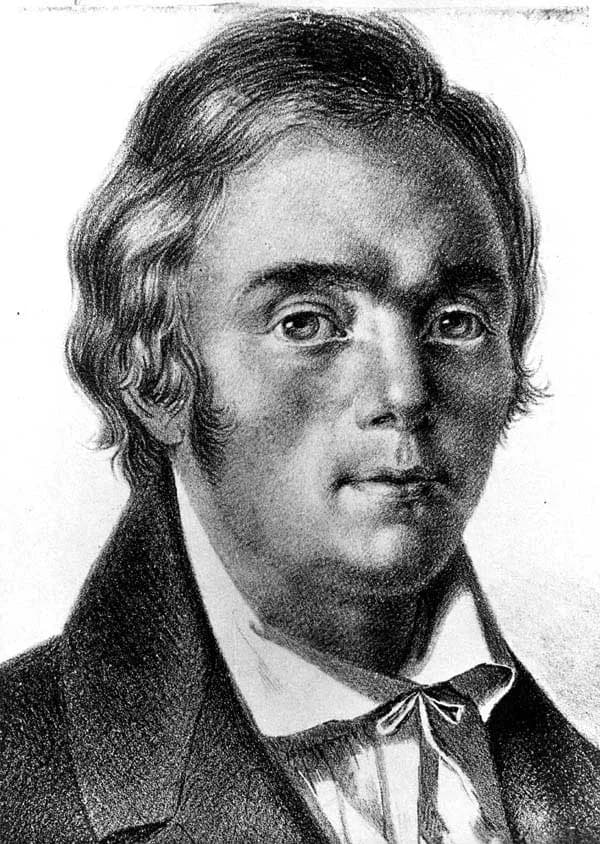
အပိုင်း
ဘဝ၏ အပိုင်းများ
အပိုင်း 1 · 1802· အပိုင်း 1 / 7
Early Life and Origins
Elias Lönnrot was born on April 9, 1802, in Sammatti, a rural parish in southern Finland. Growing up in this traditional Finnish community exposed him early to the rich oral traditions that would later define his life's work. His childhood in Sammatti provided him with deep roots in Finnish folk culture and an understanding of the language and customs that would prove invaluable in his later scholarly pursuits.
His early education fostered both scientific curiosity and literary interests. These formative years in rural Finland instilled in him a profound appreciation for the oral traditions passed down through generations of Finnish storytellers and singers. This foundation would later drive his passionate commitment to preserving Finland's cultural heritage through scholarly collection and documentation.
အပိုင်း 2· အပိုင်း 2 / 7
Career Beginnings
Lönnrot began his professional life as a physician, but his interests quickly expanded beyond medicine. His training provided him with the analytical skills and systematic approach that would serve him well in his philological work. The combination of medical practice and scholarly pursuits became a hallmark of his career, demonstrating the breadth of his intellectual capabilities.
Early in his career, he began collecting traditional Finnish oral poetry during his travels as a country physician. These initial collection efforts revealed the vast wealth of Finnish folk literature that had been preserved in oral tradition. His methodical approach to gathering and documenting these materials laid the groundwork for what would become his most significant contribution to Finnish culture.
အပိုင်း 3· အပိုင်း 3 / 7
Major Achievements and Career Highlights
Lönnrot's greatest achievement was the creation of the Kalevala, the Finnish national epic compiled from traditional oral poetry. He conducted several field expeditions throughout Finland, Russian Karelia, the Kola Peninsula, and Baltic countries to gather the short ballads and lyric poems that formed the epic's foundation. This monumental work gave Finland a national literature comparable to other European epics and played a crucial role in Finnish cultural awakening.
Beyond the Kalevala, Lönnrot made significant contributions to Finnish linguistics and lexicography. His Finskt-svenskt lexikon (Finnish-Swedish Dictionary) provided essential language resources for Finnish speakers. He also compiled the Kanteletar, a collection of Finnish lyric poetry that complemented the epic narratives of the Kalevala, further preserving Finland's oral literary traditions.
In botanical sciences, Lönnrot authored Flora Fennica in 1860, marking a significant milestone as the first scientific text written in Finnish rather than Latin. This work demonstrated his commitment to making scholarly knowledge accessible in the Finnish language. His botanical work reflected the same systematic approach he applied to folklore collection, contributing to multiple fields of knowledge simultaneously.
အပိုင်း 4· အပိုင်း 4 / 7
Personal Life
Despite his extensive travels for folklore collection, Lönnrot maintained strong ties to his birthplace of Sammatti throughout his life. His deep connection to rural Finnish communities informed both his medical practice and his scholarly work. He understood intimately the people whose traditions he was working to preserve, lending authenticity and respect to his collection efforts.
His personal interests extended across multiple disciplines, reflecting his nature as a true polymath. Lönnrot combined the roles of writer, physician, poet, pedagogue, botanist, folklorist, hymnwriter, linguist, and lexicographer. This diverse range of pursuits allowed him to approach Finnish culture from multiple perspectives, enriching his understanding of the material he collected and preserved.
အပိုင်း 5· အပိုင်း 5 / 7
Notable Works and Contributions
The Kalevala remains Lönnrot's most celebrated work, but his bibliography reveals the scope of his scholarly contributions. His Kanteletar preserved Finnish lyric poetry traditions, while his collection Suomalaisia sananlaskuja documented Finnish proverbs. These works together created a comprehensive record of Finnish oral literature that might otherwise have been lost to modernization.
His linguistic contributions included the Suomalais-ruotsalainen sanakirja (Finnish-Swedish Dictionary), which facilitated communication and learning between Finnish and Swedish speakers. Lönnrot also published Suomen kansan arwoituksia, a collection of Finnish riddles, and translated classical works like Homer's Odyssey into Finnish. His work Vaeltaja showcased his own poetic abilities, while his Kalevalan esityöt provided insights into the epic's composition process.
အပိုင်း 6· အပိုင်း 6 / 7
Later Years
Lönnrot continued his scholarly work well into his later years, refining and expanding his collections of Finnish oral literature. His commitment to preserving Finnish cultural heritage remained constant throughout his life. He continued to serve his community both as a physician and as a cultural guardian, ensuring that traditional knowledge would survive for future generations.
He spent his final years in Sammatti, the same community where he was born, bringing his life full circle. This return to his roots reflected his lifelong dedication to Finnish rural culture and traditions. Elias Lönnrot died on March 19, 1884, in Sammatti, leaving behind a transformed understanding of Finnish cultural identity.
အပိုင်း 7· အပိုင်း 7 / 7
Legacy and Impact
Lönnrot's work fundamentally changed how Finns understood their cultural identity and heritage. The Kalevala provided Finland with a national epic that elevated Finnish culture to equal standing with other European literary traditions. His systematic collection and preservation of oral poetry saved countless traditional works that would have otherwise disappeared with the passing of oral tradition carriers.
His influence extended beyond literature into Finnish national consciousness and political identity. The Kalevala became a symbol of Finnish cultural distinctiveness, supporting arguments for Finnish independence and self-determination. Modern Finnish culture, language development, and national identity all bear the mark of Lönnrot's dedicated work to preserve and celebrate Finland's unique heritage.
FAQ
မေးလေ့ရှိသော
Elias Lönnrot ဘယ်အချိန်က ကွယ်လွန်ခဲ့သလဲ?
Elias Lönnrot သည် ၁၈၈၄ မတ် ၁၉ တွင် Sammatti, Finland၌ ကွယ်လွန်ခဲ့သည်။ ထိုအချိန်တွင် အသက် 81 နှစ်ရှိခဲ့သည်။
Elias Lönnrot ဘယ်မှာ မွေးဖွားခဲ့သလဲ?
Elias Lönnrot သည် Sammatti, Finlandတွင် ၁၈၀၂ ဧပြီ ၉ ၌ မွေးဖွားခဲ့သည်။
Elias Lönnrot သည် ဘာအတွက် အကျော်ကြားဆုံးလဲ?
Elias Lönnrot သည် Finnish physician, philologist and collector of traditional Finnish oral poetry အတွက် အကျော်ကြားဆုံးဖြစ်သည်။
Elias Lönnrot ကွယ်လွန်ချိန်တွင် အသက်မည်မျှ ရှိခဲ့သနည်း?
Elias Lönnrot ကွယ်လွန်ချိန်တွင် အသက် 81 နှစ်ရှိခဲ့သည်။
Elias Lönnrot သည် မည်သည့်လူမျိုးဖြစ်သနည်း?
Elias Lönnrot သည် Finland မှ ဖြစ်သည်။
အချိန်ဇယား
ဘဝတစ်ချက် ရှု့
ဓာတ်ပုံ ပန်းချီပြခန်း
ပုံများတွင် ဘဝတစ်ခု
polaroid တစ်ခုခုကို ဖြန့်ရန် ကလစ်နှိပ်ပါ · ဓာတ်ပုံ 49 ပုံ
QR ကုဒ်
ဤအတ္ထုပ္ပတ္တိကို မျှဝေရန်
ပုံနှိပ်ပြီး မျှဝေရန်
ဤအတ္ထုပ္ပတ္တိစာမျက်နှာသို့ လည်ပတ်ရန် စကင်ဖတ်ပါ။ ဖြစ်ရပ်များ၊ ပြပွဲများ သို့မဟုတ် ပညာရေးဆိုင်ရာ ပစ္စည်းများအတွက် ပုံနှိပ်ပါ။