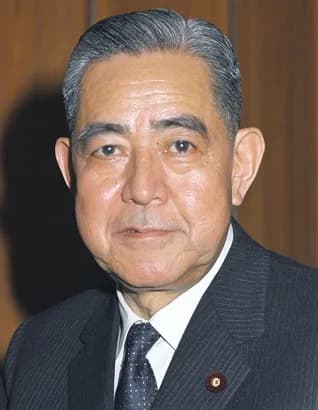
မွေးဖွား
March 27, 1901
Tabuse, Japan
ကွယ်လွန်
June 3, 1975
The Jikei University Hospital, Japan
ကျော်ကြားသော အကြောင်းအရာ
Prime Minister of Japan from 1964 to 1972
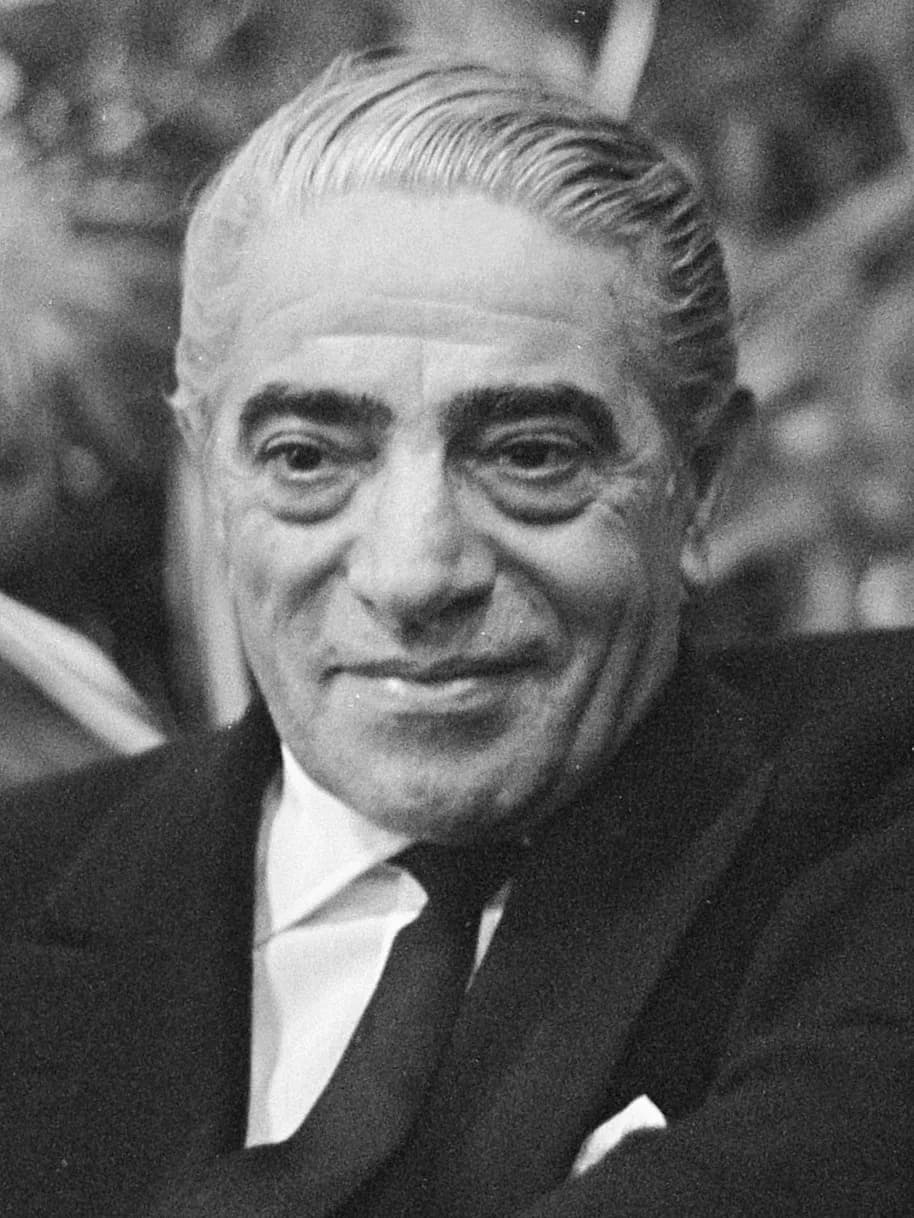
Eisaku Satō (1901–1975) was Japan best known for Prime Minister of Japan from 1964 to 1972.
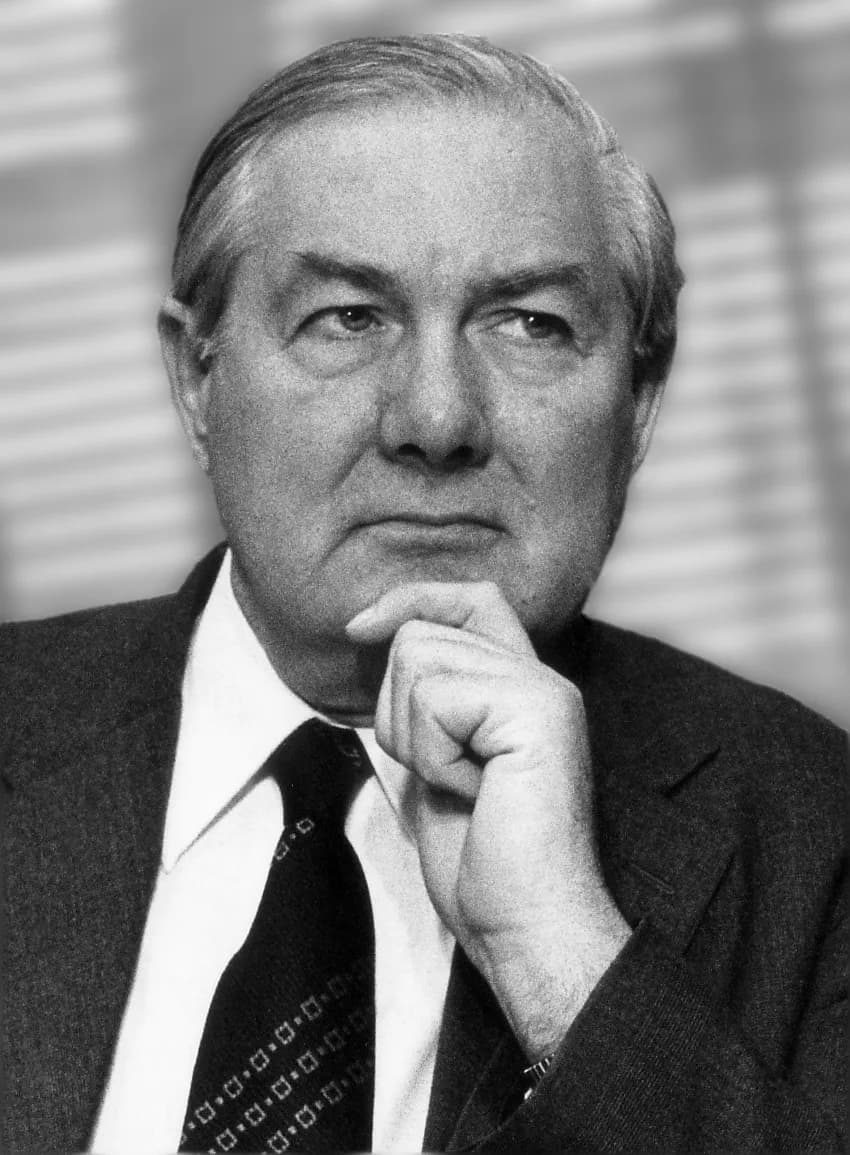
Eisaku Satō (March 27, 1901 – June 3, 1975) was a Japanese politician from Tabuse, Japan. He served as Prime Minister of Japan from 1964 to 1972, notably securing the return of Okinawa in 1972. Satō was awarded the Nobel Peace Prize in 1974 for his contributions to Pacific stability and nuclear non-proliferation.
အခိုက်အတန့်များတွင် ဘဝတစ်ခု
ဘဝတစ်ခုကို ပုံဖော်ပေးခဲ့သော အခိုက်အတန့်များ
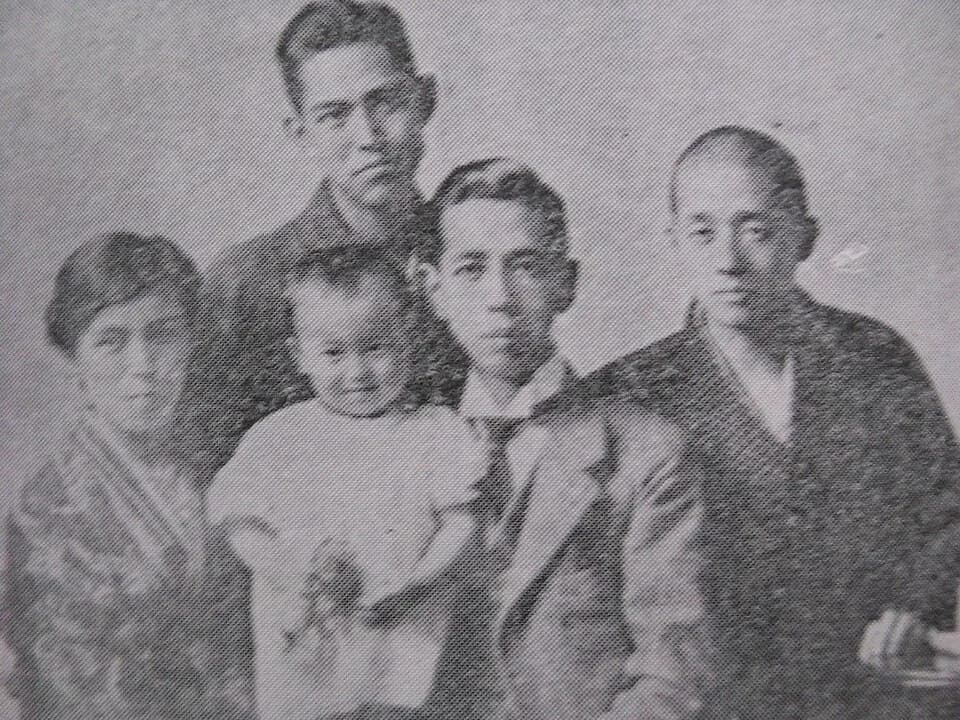
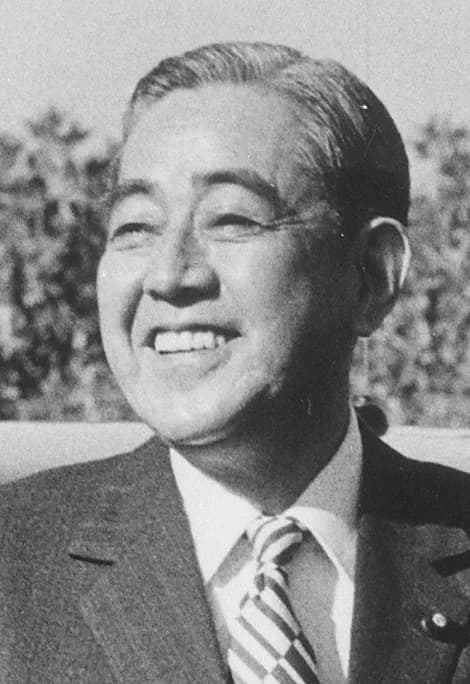
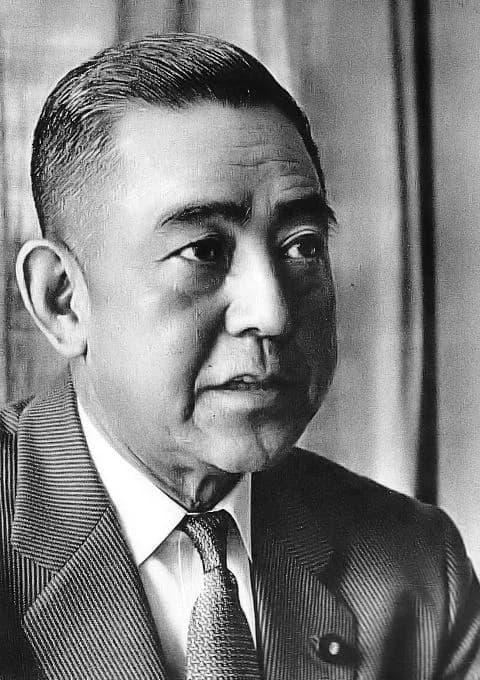
အပိုင်း
ဘဝ၏ အပိုင်းများ
အပိုင်း 1 · 1901· အပိုင်း 1 / 7
Early Life and Origins
Eisaku Satō began his life on March 27, 1901, born in the town of Tabuse, Japan. His upbringing prepared him for a career in the public sector, following a path taken by many in his family. He was the younger brother of Nobusuke Kishi, another influential figure who also served as Prime Minister of Japan.
His family background and early education fostered a strong sense of duty and a keen intellect. Like his elder brother, Nobusuke Kishi, Satō pursued a career as an elite bureaucrat, a demanding and prestigious path in Japan. This early professional experience provided him with an in-depth understanding of national administration and policy-making.
အပိုင်း 2· အပိုင်း 2 / 7
Career Beginnings
Satō's entry into public life was marked by his early career as an elite bureaucrat. This rigorous training grounded him in the intricacies of governmental operations before he fully transitioned into electoral politics. His bureaucratic service laid a strong foundation for his subsequent political ascent.
He was a prominent member of the Yoshida school, a political faction known for its focus on economic recovery and a pragmatic foreign policy in post-war Japan. This alignment connected him to other key political figures, such as Hayato Ikeda, his predecessor as Prime Minister. Satō's adherence to the Yoshida school principles shaped his approach to governance and his support for specific economic strategies.
အပိုင်း 3 · 1964· အပိုင်း 3 / 7
Major Achievements and Career Highlights
Eisaku Satō's tenure as Prime Minister of Japan, spanning from 1964 to 1972, was a period of sustained growth and significant international engagement. He achieved the distinction of being Japan's third longest-serving prime minister and held the record for the longest uninterrupted term in that office. His leadership guided Japan through a crucial era, solidifying its position on the global stage.
One of his most enduring achievements was securing the return of Okinawa to Japanese sovereignty in 1972. This long-sought objective was a sensitive and complex diplomatic undertaking, representing a major milestone for post-war Japan. Satō's efforts brought a symbolic and practical closure to a difficult chapter in the nation's history.
Beyond territorial restoration, Satō was also a vocal proponent of Keynesian economic policies. These policies helped to sustain Japan's rapid economic growth during his time in office. His commitment to economic stability and prosperity was a defining feature of his administration.
အပိုင်း 4· အပိုင်း 4 / 7
Personal Life
While the detailed aspects of Eisaku Satō's personal life are not extensively documented in the provided information, his family connections played a role in his political identity. His elder brother, Nobusuke Kishi, was also a prominent politician, serving as Prime Minister before him. This familial legacy underscored a commitment to public service within his lineage.
အပိုင်း 5 · 1974· အပိုင်း 5 / 7
Notable Works or Contributions
Eisaku Satō's most widely recognized contribution to international peace came with his receipt of the Nobel Peace Prize in 1974. The Nobel Committee cited his work in stabilizing conditions in the Pacific rim area as a key factor in their decision. This recognition highlighted his diplomatic efforts to foster regional security.
Furthermore, the Nobel Peace Prize acknowledged his crucial role in signing the Nuclear Non-Proliferation Treaty. This international agreement aimed to prevent the spread of nuclear weapons, reflecting Satō's commitment to global disarmament and peace. His stance on non-proliferation demonstrated a forward-looking approach to international security challenges.
အပိုင်း 6 · 1972· အပိုင်း 6 / 7
Later Years
After concluding his time as Prime Minister in 1972, Eisaku Satō remained an influential figure. His dedication to peace was honored with the Nobel Peace Prize in 1974, just a year before his passing. This prestigious award affirmed the global significance of his political actions and diplomatic initiatives.
Eisaku Satō passed away on June 3, 1975, at The Jikei University Hospital, Japan. His death marked the end of a long and distinguished career in service to his country and to the cause of international peace. He was remembered for his steadfast leadership and his lasting contributions.
အပိုင်း 7· အပိုင်း 7 / 7
Legacy and Impact
Eisaku Satō's legacy is marked by his longevity in office and his significant policy achievements. As the third longest-serving and longest-uninterrupted prime minister, he provided stable leadership during a critical period for Japan. His focus on economic growth and international relations helped shape modern Japan.
His instrumental role in securing the return of Okinawa in 1972 remains a powerful symbol of his diplomatic prowess and commitment to national sovereignty. The Nobel Peace Prize in 1974, though stirring some controversy, acknowledged his genuine efforts to promote peace in the Pacific rim and through the Nuclear Non-Proliferation Treaty. Satō's influence on Japan's post-war trajectory and its engagement with the world continues to be studied and appreciated.
FAQ
မေးလေ့ရှိသော
Eisaku Satō ဘယ်အချိန်က ကွယ်လွန်ခဲ့သလဲ?
Eisaku Satō သည် ၁၉၇၅ ဇွန် ၃ တွင် The Jikei University Hospital, Japan၌ ကွယ်လွန်ခဲ့သည်။ ထိုအချိန်တွင် အသက် 74 နှစ်ရှိခဲ့သည်။
Eisaku Satō ဘယ်မှာ မွေးဖွားခဲ့သလဲ?
Eisaku Satō သည် Tabuse, Japanတွင် ၁၉၀၁ မတ် ၂၇ ၌ မွေးဖွားခဲ့သည်။
Eisaku Satō သည် ဘာအတွက် အကျော်ကြားဆုံးလဲ?
Eisaku Satō သည် Prime Minister of Japan from 1964 to 1972 အတွက် အကျော်ကြားဆုံးဖြစ်သည်။
Eisaku Satō ကွယ်လွန်ချိန်တွင် အသက်မည်မျှ ရှိခဲ့သနည်း?
Eisaku Satō ကွယ်လွန်ချိန်တွင် အသက် 74 နှစ်ရှိခဲ့သည်။
Eisaku Satō သည် မည်သည့်လူမျိုးဖြစ်သနည်း?
Eisaku Satō သည် Japan မှ ဖြစ်သည်။
အချိန်ဇယား
ဘဝတစ်ချက် ရှု့
ဓာတ်ပုံ ပန်းချီပြခန်း
ပုံများတွင် ဘဝတစ်ခု
polaroid တစ်ခုခုကို ဖြန့်ရန် ကလစ်နှိပ်ပါ · ဓာတ်ပုံ 48 ပုံ
QR ကုဒ်
ဤအတ္ထုပ္ပတ္တိကို မျှဝေရန်
ပုံနှိပ်ပြီး မျှဝေရန်
ဤအတ္ထုပ္ပတ္တိစာမျက်နှာသို့ လည်ပတ်ရန် စကင်ဖတ်ပါ။ ဖြစ်ရပ်များ၊ ပြပွဲများ သို့မဟုတ် ပညာရေးဆိုင်ရာ ပစ္စည်းများအတွက် ပုံနှိပ်ပါ။