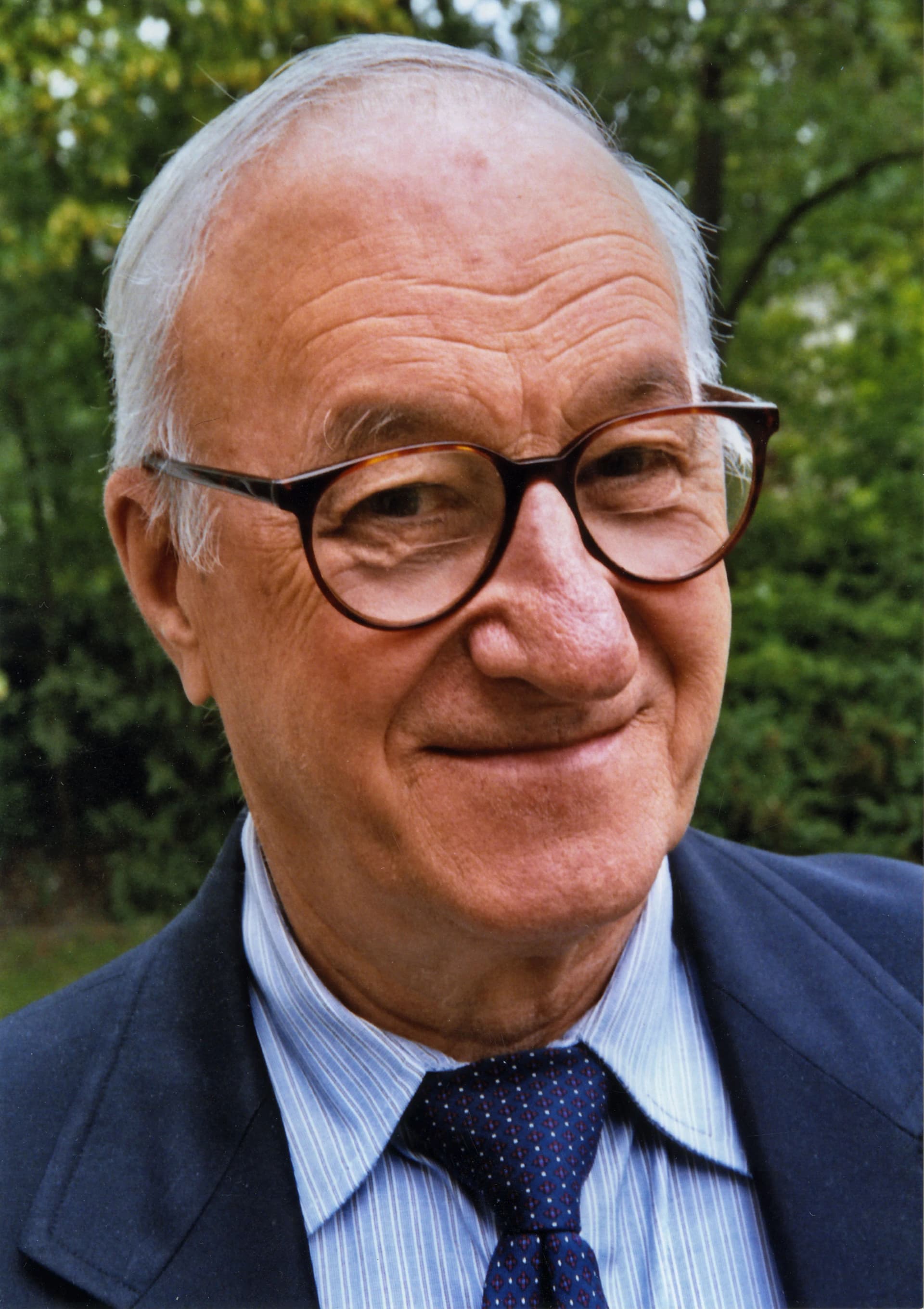
မွေးဖွား
December 4, 1925
Mundare, Canada
ကွယ်လွန်
July 26, 2021
Stanford, United States
ကျော်ကြားသော အကြောင်းအရာ
Canadian psychologist
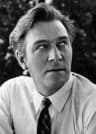
Albert Bandura (1925–2021) was Canada best known for Canadian psychologist.
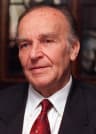
Albert Bandura (December 4, 1925 – July 26, 2021) was a Canadian psychologist and university teacher. He was the originator of social learning theory and social cognitive theory, significantly influencing the fields of education and psychology. His work on self-efficacy and observational learning, exemplified by the Bobo doll experiment, remains highly influential.
အပိုင်း
ဘဝ၏ အပိုင်းများ
အပိုင်း 1 · 1925· အပိုင်း 1 / 6
Early Life and Origins
Albert Bandura’s journey into understanding human behavior began in the serene yet often challenging environment of Mundare, Canada, where he was born on December 4, 1925. Growing up in a relatively small and independent community, he likely developed a deep appreciation for the capacities of self-direction and the subtle yet powerful nuances of observational learning directly from his immediate surroundings. These formative experiences in his birth country undoubtedly laid crucial foundational ideas for the intricate theoretical frameworks he would later develop and meticulously refine throughout his distinguished career in psychology, shaping his perspectives on both individual agency and the significant impact of environmental factors.
အပိုင်း 2· အပိုင်း 2 / 6
Career Beginnings
His academic pursuits eventually led him from Canada to the United States, where he joined the esteemed faculty of Stanford University, marking the beginning of a highly impactful career. There, he became a revered professor of social science in psychology, embarking on decades of research and teaching that would significantly influence the global psychological community. At Stanford, he found a rich and supportive environment conducive to his innovative research and the systematic development of his groundbreaking theories concerning human learning and behavior.
အပိုင်း 3· အပိုင်း 3 / 6
Major Achievements and Career Highlights
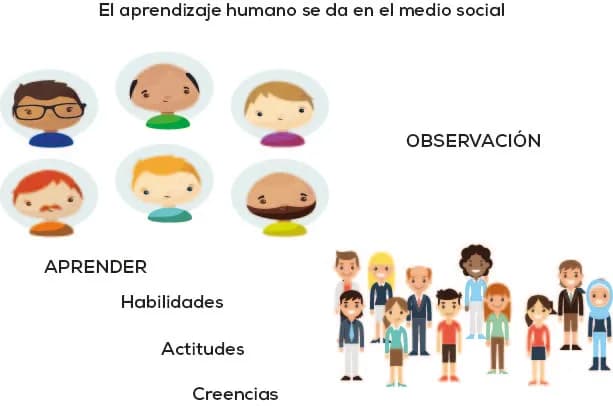
Bandura is universally recognized as the originator of several highly influential psychological frameworks, including social learning theory, social cognitive theory, and the theoretical construct of self-efficacy, which profoundly altered academic thought. These comprehensive theories highlighted the paramount importance of observational learning, intrinsic cognitive processes, and an individual's belief in their own capabilities (self-efficacy) to succeed in various tasks and situations. His conceptualizations greatly broadened the scope of psychological inquiry, moving far beyond the more limited models that exclusively emphasized direct reinforcement and stimulus-response paradigms.
His extensive contributions extended into both the fields of education and general psychology, offering entirely new paradigms for understanding how individuals acquire knowledge, develop essential skills, and adopt complex behaviors within social contexts. The development of self-efficacy, in particular, provided a robust and widely applicable framework for examining personal agency and its vital role in fostering motivation, resilience, and achievement across diverse populations. This foundational work became a cornerstone for various effective interventions across clinical, organizational, and educational settings worldwide.
အပိုင်း 4 · 1961· အပိုင်း 4 / 6
Notable Works or Contributions
Perhaps Albert Bandura's most iconic and empirically significant contribution was the theoretically influential Bobo doll experiment, which he meticulously conducted in 1961. This meticulously designed study vividly demonstrated the conceptual validity of observational learning, clearly showing how children can learn and imitate complex behaviors simply by watching the actions of others without direct reinforcement. In the experiment, children observed an adult acting either aggressively or neutrally toward a large inflatable clown doll known as the Bobo doll.
The striking results from this seminal study consistently indicated that children who had witnessed the aggressive behavior were significantly more likely to also act aggressively towards the doll, often mimicking the specific physical and verbal actions they had observed. This groundbreaking experiment provided compelling empirical evidence that learning could occur through observation alone, fundamentally challenging earlier behaviorist views that had exclusively emphasized direct operant conditioning. The Bobo doll experiment firmly solidified Bandura’s theories on social learning and powerfully modeled the pervasive influence of vicarious experience on human behavior.
အပိုင်း 5 · 2021· အပိုင်း 5 / 6
Later Years
Albert Bandura continued his influential work and dedicated service at Stanford University for many years, ceaselessly refining his theories and actively engaging with new generations of students and aspiring researchers. Even in his later career, he remained an active and respected voice within the international psychological community, contributing significantly to ongoing debates and driving advancements within his specialized fields. He passed away peacefully on July 26, 2021, in Stanford, United States, leaving behind a monumental and enduring body of work that continues to inspire.
His final years were deservedly marked by the continued celebration of his enduring legacy, with his sophisticated theories being applied and expanded across numerous academic disciplines and practical applications globally. His passing in Stanford marked the end of an era for countless individuals who had been profoundly inspired by his intellectual rigor, his unwavering commitment to empirical research, and his empathetic approach to understanding the complexities of human nature. He departed having fundamentally altered the course of modern psychology and education.
အပိုင်း 6· အပိုင်း 6 / 6
Legacy and Impact
The legacy of Albert Bandura is truly immense, fundamentally reshaping how we understand human learning, motivation, and personality development across the lifespan. He successfully influenced the critical transition between classical behaviorism and contemporary cognitive psychology, definitively demonstrating that internal mental states, alongside observational learning and social context, are critical components of human behavior. His theoretical construct of self-efficacy continues to be a cornerstone in diverse areas, ranging from public health campaigns and clinical interventions to educational strategies and athletic performance coaching.
Bandura's comprehensive work provides a lasting and highly applicable framework for educators, therapists, researchers, and policymakers seeking to understand, predict, and foster positive behavioral change in individuals and communities. Through his meticulously developed theories and rigorous empirical research, he equipped future generations with essential conceptual tools to explore the complexities of human experience, learning, and agency. His profound contributions ensure his name remains synonymous with innovation and deep insight in the field of psychological science.
အခိုက်အတန့်များတွင် ဘဝတစ်ခု
ဘဝတစ်ခုကို ပုံဖော်ပေးခဲ့သော အခိုက်အတန့်များ
FAQ
မေးလေ့ရှိသော
Albert Bandura ဘယ်အချိန်က ကွယ်လွန်ခဲ့သလဲ?
Albert Bandura သည် ၂၀၂၁ ဇူလိုင် ၂၆ တွင် Stanford, United States၌ ကွယ်လွန်ခဲ့သည်။ ထိုအချိန်တွင် အသက် 95 နှစ်ရှိခဲ့သည်။
Albert Bandura ဘယ်မှာ မွေးဖွားခဲ့သလဲ?
Albert Bandura သည် Mundare, Canadaတွင် ၁၉၂၅ ဒီဇင်ဘာ ၄ ၌ မွေးဖွားခဲ့သည်။
Albert Bandura သည် ဘာအတွက် အကျော်ကြားဆုံးလဲ?
Albert Bandura သည် Canadian psychologist အတွက် အကျော်ကြားဆုံးဖြစ်သည်။
Albert Bandura ကွယ်လွန်ချိန်တွင် အသက်မည်မျှ ရှိခဲ့သနည်း?
Albert Bandura ကွယ်လွန်ချိန်တွင် အသက် 95 နှစ်ရှိခဲ့သည်။
Albert Bandura သည် မည်သည့်လူမျိုးဖြစ်သနည်း?
Albert Bandura သည် Canada မှ ဖြစ်သည်။
အချိန်ဇယား
ဘဝတစ်ချက် ရှု့
ဓာတ်ပုံ ပန်းချီပြခန်း
ပုံများတွင် ဘဝတစ်ခု
polaroid တစ်ခုခုကို ဖြန့်ရန် ကလစ်နှိပ်ပါ · ဓာတ်ပုံ 16 ပုံ
QR ကုဒ်
ဤအတ္ထုပ္ပတ္တိကို မျှဝေရန်
ပုံနှိပ်ပြီး မျှဝေရန်
ဤအတ္ထုပ္ပတ္တိစာမျက်နှာသို့ လည်ပတ်ရန် စကင်ဖတ်ပါ။ ဖြစ်ရပ်များ၊ ပြပွဲများ သို့မဟုတ် ပညာရေးဆိုင်ရာ ပစ္စည်းများအတွက် ပုံနှိပ်ပါ။