Twieled
February 7, 1905
Stockholm, Sweden
Miet
March 9, 1983
Stockholm, Sweden
Magħruf Għal
Swedish physiologist and pharmacologist
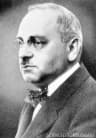
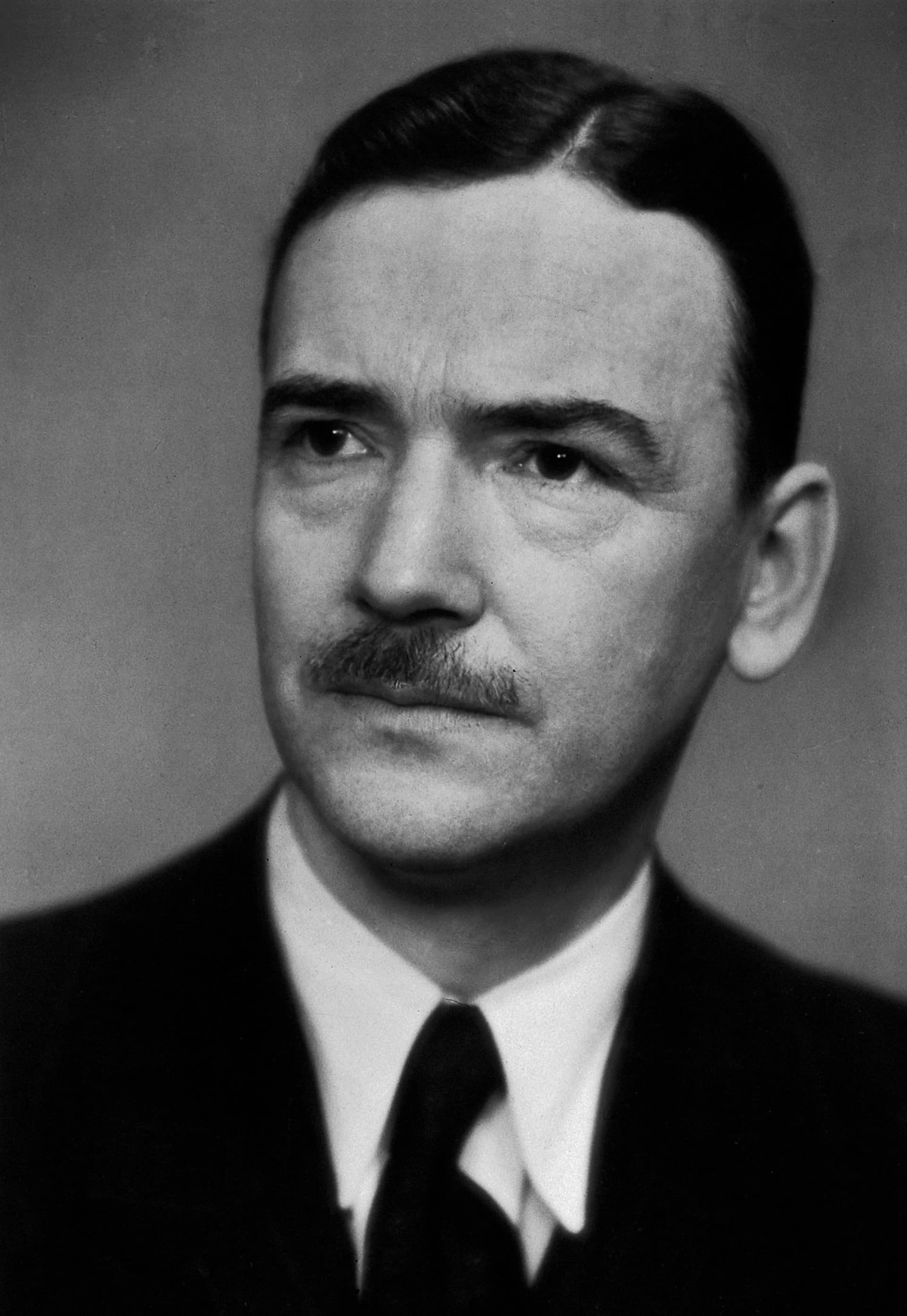
Ulf von Euler (1905–1983) was Sweden best known for Swedish physiologist and pharmacologist.
Ulf Svante von Euler (February 7, 1905 – March 9, 1983) was a Swedish physiologist and pharmacologist. He shared the Nobel Prize in Physiology or Medicine in 1970 for his discoveries concerning neurotransmitters, clarifying how nerve cells communicate. His work significantly advanced the fields of neuroscience and pharmacology.
Kapitlu
Kapitli tal-ħajja
Kapitlu 1 · 1905· Kapitlu 1 minn 8
Remembering Ulf Svante von Euler
Ulf Svante von Euler (1905–1983) was a distinguished Swedish physiologist and pharmacologist whose groundbreaking research transformed our understanding of the nervous system. Born in Stockholm, Sweden, on February 7, 1905, he dedicated his life to scientific inquiry, ultimately sharing the Nobel Prize in Physiology or Medicine in 1970. His contributions illuminated the complex mechanisms by which nerve cells communicate, laying essential foundations for modern neuroscience and pharmacology.
Kapitlu 2· Kapitlu 2 minn 8
Early Life and Origins
Ulf Svante von Euler was born into a family with a strong scientific lineage in Stockholm, Sweden. His early environment fostered a keen intellectual curiosity and a rigorous approach to study, which would define his illustrious career. He pursued a comprehensive education that prepared him for a multifaceted scientific path, embracing various disciplines that would later converge in his specialized research.
His academic journey saw him train across several critical scientific fields. This broad foundation, encompassing roles as a physician, pharmacist, chemist, and researcher, provided him with a unique interdisciplinary perspective. This varied background proved invaluable, allowing him to approach the intricate problems of biological function with a holistic understanding.
Kapitlu 3· Kapitlu 3 minn 8
Career Beginnings
Beginning his career, Ulf von Euler immersed himself in diverse scientific roles. He started as a physician, gaining practical experience in human biology and disease, which provided a clinical context for his later experimental work. His training as a pharmacist equipped him with knowledge of chemical compounds and their effects on biological systems, a perspective crucial for his pharmacological studies.
Further strengthening his scientific toolkit, he also worked as a chemist and researcher. These early professional experiences laid the groundwork for his eventual specialization in physiology and pharmacology. This comprehensive foundation enabled him to tackle complex questions about the body's chemical messengers, positioning him at the forefront of neurological research.
Kapitlu 4 · 1970· Kapitlu 4 minn 8
Major Achievements and Career Highlights
Ulf von Euler's most significant achievement was the shared Nobel Prize in Physiology or Medicine in 1970. This prestigious award recognized his pivotal "discoveries concerning the humoral transmitters in the nerve terminals and the mechanism for their storage, release and inactivation." This work was central to deciphering how the nervous system transmits information.
His research meticulously detailed the role of humoral transmitters, which are chemical substances acting as messengers between nerve cells. He specifically investigated their presence in nerve terminals, the specialized endings of nerve fibers where signals are passed. Crucially, von Euler's work also elucidated the intricate mechanisms governing how these transmitters are stored within the nerve terminals, how they are released into the synaptic cleft, and how they are subsequently inactivated to ensure precise signal control. This comprehensive understanding transformed the field, providing a clear picture of synaptic transmission.
Kapitlu 5· Kapitlu 5 minn 8
Personal Life
While Ulf von Euler's professional life was richly documented through his scientific contributions and awards, specific details regarding his personal life, family relationships, or hobbies are not readily available in the provided information. His dedication appears to have been predominantly focused on his extensive scientific research and academic pursuits. Like many eminent scientists, his public persona was largely defined by his intellectual endeavors and the profound impact of his discoveries on human health and knowledge.
Kapitlu 6· Kapitlu 6 minn 8
Notable Works or Contributions
Throughout his career, Ulf von Euler was a prolific researcher, contributing to a body of work reflected in an h-index of 5 across 20 papers. His publications spanned key areas of his research, showcasing his diverse interests and consistent focus on chemical neurotransmission. These works provided critical insights and advanced the scientific understanding of physiological processes.
Among his highly cited works is "Emotions, their parameters and measurement," published in 1975, which garnered 363 citations. This paper suggests a broader interest in how physiological and chemical processes underpin complex human states. His 1971 publication, "Adrenergic Neurotransmitter Functions," with 55 citations, directly reflects the area of research for which he received the Nobel Prize, further detailing the functions of specific neurotransmitter systems. Another significant contribution, "Some Aspects of the Mechanisms Involved in Adrenergic Neurotransmission," from 1968, with 3 citations, also delved into the specifics of nerve signal transmission, predating his Nobel recognition and highlighting his sustained efforts in this field.
Ulf von Euler also penned "Chemical neurotransmission--yesterday and today," published in 1982, which received 4 citations. This work offers a reflective perspective on the progress in his field, demonstrating his enduring engagement with the subject until late in his life. The publication "[The death of moulages - wax figures in dermatology]," from 1999, is also listed among his papers, though it holds 0 citations and was published significantly after his passing, indicating a potential retrospective or unique context.
Kapitlu 7 · 1982· Kapitlu 7 minn 8
Later Years
Ulf von Euler remained actively engaged in his scientific pursuits throughout his later years. His publication in 1982, titled "Chemical neurotransmission--yesterday and today," stands as a testament to his enduring commitment to his field. This paper, appearing just a year before his passing, provided a historical overview and contemporary insights into neurotransmission, reflecting a career-long dedication.
He passed away in his birthplace, Stockholm, Sweden, on March 9, 1983, at the age of 78. His intellectual contributions continued to resonate even as his life concluded, solidifying his place as a leading figure in 20th-century biological science.
Kapitlu 8· Kapitlu 8 minn 8
Legacy and Impact
Ulf von Euler's legacy is deeply embedded in the foundations of modern neuroscience and pharmacology. His Nobel Prize-winning work on humoral transmitters fundamentally altered the understanding of how nerve cells communicate. By detailing the storage, release, and inactivation of these critical chemical messengers, he provided a complete picture of synaptic transmission, a process essential for all brain functions.
His discoveries opened vast new avenues for research into neurological disorders, mental health conditions, and the development of pharmaceutical treatments. The insights he provided into adrenergic neurotransmission, in particular, continue to inform studies on stress responses, cardiovascular regulation, and the action of many drugs. Ulf von Euler's meticulous research and pioneering spirit established a framework that still guides scientists today, influencing countless subsequent discoveries in the intricate world of the nervous system.
Ħajja f’mumenti
Il-mumenti li sawru ħajja
FAQ
Mistoqsija frekwenti
Meta miet/mietet Ulf von Euler?
Ulf von Euler miet/mietet fil-9 ta’ Marzu 1983 f{place}} other {}}{hasAge, select, yes {, fl-età ta 78 sena.
Fejn twieled/twieldet Ulf von Euler?
Ulf von Euler twieled/twieldet f{place}{hasDate, select, yes { fil-{date, date, long}} other {}}.
Għal xiex hu/hi l-aktar magħruf(a) Ulf von Euler?
Ulf von Euler hu/hi l-aktar magħruf(a) għal Swedish physiologist and pharmacologist.
Kemm kellu/kellha snin Ulf von Euler meta miet/mietet?
Ulf von Euler kellu/kellha 78 sena meta miet/mietet.
X'kienet in-nazzjonalità ta' Ulf von Euler?
Ulf von Euler kien/kienet minn Sweden.
Linja taż-żmien
Ħajja b’ħarsa
Gallerija tar-ritratti
Ħajja f’ritratti
Ikklikkja kwalunkwe polaroid biex tespandi · 23 ritratti
Kodiċi QR
Aqsam Din il-Bijografija
Stampa u Aqsam
Skennja biex iżżur din il-paġna bijografika. Stampah għal avvenimenti, esibizzjonijiet, jew materjal edukattiv.