Twieled
October 22, 1913
Budapest, Hungary
Miet
May 25, 1954
Thái Bình, Vietnam
Magħruf Għal
American photographer
Robert Capa (1913–1954) was Hungary best known for American photographer.
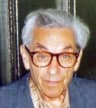
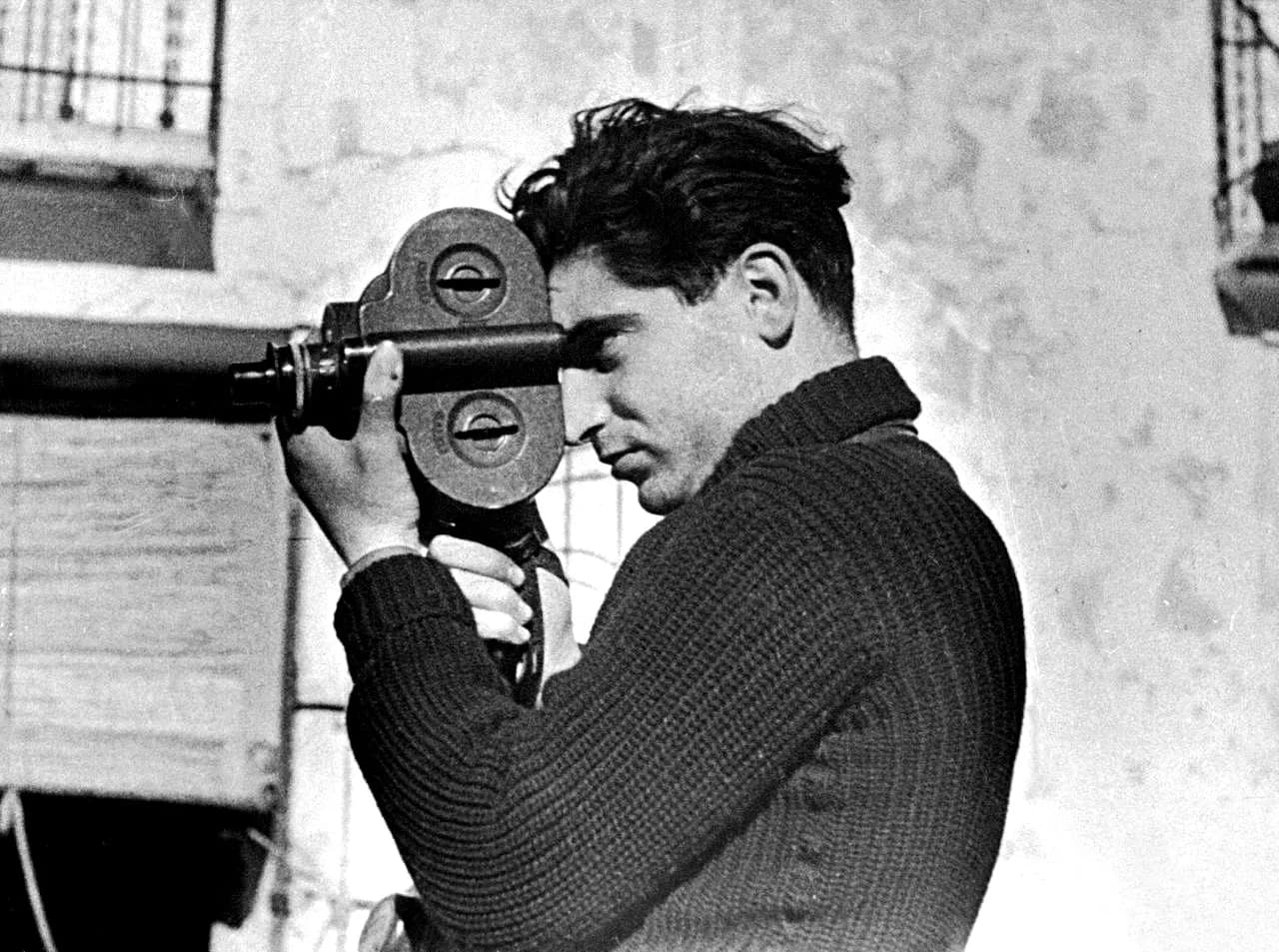
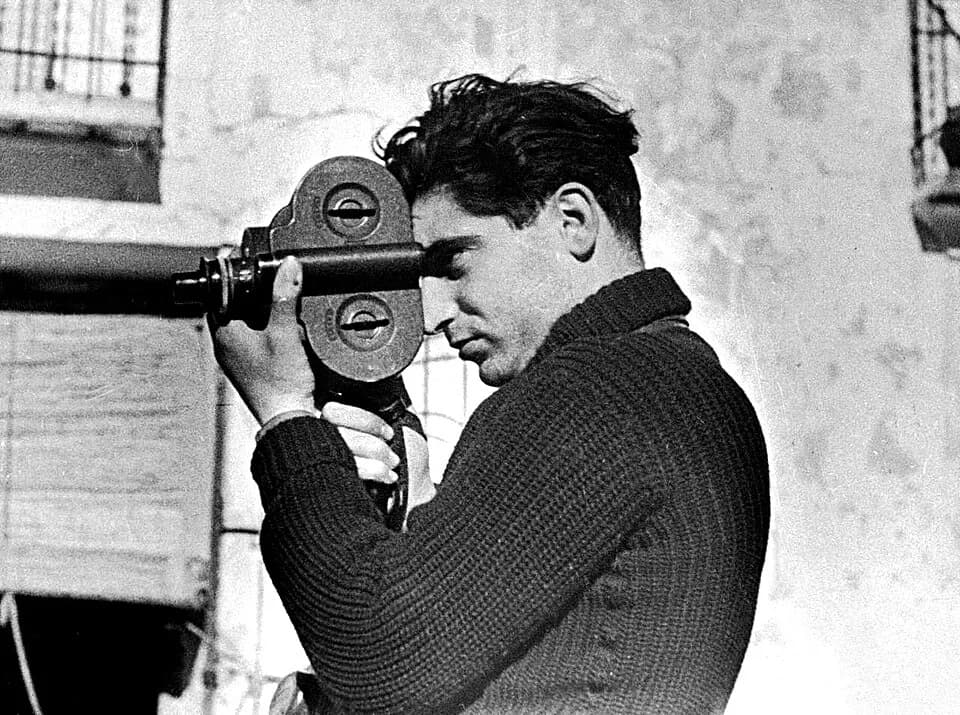
Robert Capa (October 22, 1913 – May 25, 1954) was a Hungarian-American war photographer and photojournalist. He is regarded as one of history's greatest combat and adventure photographers, capturing critical moments of the 20th century. His courageous work in conflict zones profoundly influenced photojournalism, leaving a lasting visual record.
Kapitlu
Kapitli tal-ħajja
Kapitlu 1 · 1913· Kapitlu 1 minn 6
Early Life and Origins
Born Endre Ernő Friedmann in Budapest, Hungary, on October 22, 1913, Robert Capa's early life in his native country laid the groundwork for a future marked by travel and extraordinary professional risk. His Hungarian roots shaped his early worldview, providing a distinct perspective that he would carry throughout his illustrious career. This formative period in Budapest preceded his eventual professional journey across continents, where he would document some of the most significant global events of his era.
Kapitlu 2· Kapitlu 2 minn 6
Career Beginnings
Capa embarked on his professional path as a photographer, quickly developing a reputation for his bold approach to capturing news. He became a prominent photojournalist and journalist, covering various subjects with a keen eye for human drama. His early engagements as a war correspondent and war photographer were the genesis of a career characterized by a profound commitment to documenting conflict zones.
Kapitlu 3· Kapitlu 3 minn 6
Major Achievements and Career Highlights
Robert Capa's career stands out for his exceptional contributions as a Hungarian-American war photographer, a role in which he often placed himself in harm's way to secure iconic images. His bravery and unique ability to convey the human impact of war led many to consider him the greatest combat and adventure photographer in history. From the Spanish Civil War to D-Day, his visual records provided the world with an unfiltered view of conflict, establishing benchmarks for photojournalism.
Kapitlu 4 · 1939· Kapitlu 4 minn 6
Notable Works or Contributions
Capa’s legacy is preserved through an extensive collection of photographs and published works, each reflecting his distinctive eye for human stories amidst chaos. Among his most celebrated photographic works are "Refugees Flee Barcelona at Franco's Approach" (1939) and "D-Day Invasion, Normandy" (1944), both held by prestigious institutions like the Met Museum and the AIC, respectively. Other powerful images include "Civilians Looking through Garbage" (1936–37) and "The Defense of Madrid" (1936), both housed at the Met Museum, illustrating his commitment to documenting the struggles of civilians and soldiers. His literary contributions include works such as "צלם של החיים," "Menschen im Krieg," and "Chotto pinboke," which further showcased his narrative talents beyond the photographic frame.
Kapitlu 5 · 1954· Kapitlu 5 minn 6
Later Years
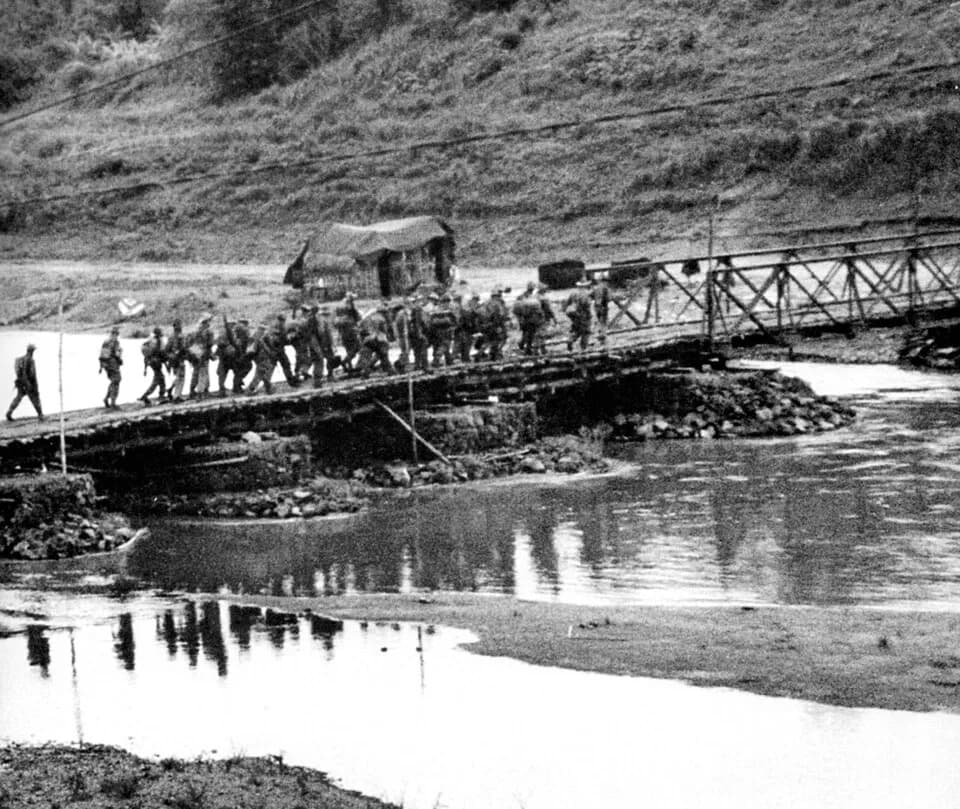
Robert Capa maintained his active role as a war correspondent and photographer until his final assignment. His distinguished career tragically concluded on May 25, 1954, when he died in Thái Bình, Vietnam, during the First Indochina War. This untimely passing while on assignment underscored his lifelong dedication to documenting global conflicts and cemented his image as a fearless observer of history.
Kapitlu 6 · 1940· Kapitlu 6 minn 6
Legacy and Impact
Robert Capa's influence on photojournalism and the visual documentation of war remains substantial, having established a new paradigm for frontline reporting. His pioneering methods of immersing himself in the conflict zones provided a raw authenticity that transformed how the public perceived warfare. Capa’s enduring collection, including works like "China (Three Men and Building Debris)" (1940), continues to educate and move audiences, ensuring his vision and the stories he captured persist through time. Generations of photographers look to his work for inspiration, honoring his courageous spirit and narrative impact.
Ħajja f’mumenti
Il-mumenti li sawru ħajja
![Robert Capa - Lápida de Robert Capa en Bayeux (Normandía, Francia)[1] [su tumba está en Amawalk, Yorktown, Nueva York, Estados Unidos][2]](/_next/image?url=https%3A%2F%2Fcdn.whowasthisguy.com%2Fgallery_wikimedia_commons_1778072967840_3_e10ff29bce.webp&w=1920&q=75)
FAQ
Mistoqsija frekwenti
Meta miet/mietet Robert Capa?
Robert Capa miet/mietet fil-25 ta’ Mejju 1954 f{place}} other {}}{hasAge, select, yes {, fl-età ta 40 sena.
Fejn twieled/twieldet Robert Capa?
Robert Capa twieled/twieldet f{place}{hasDate, select, yes { fil-{date, date, long}} other {}}.
Għal xiex hu/hi l-aktar magħruf(a) Robert Capa?
Robert Capa hu/hi l-aktar magħruf(a) għal American photographer.
Kemm kellu/kellha snin Robert Capa meta miet/mietet?
Robert Capa kellu/kellha 40 sena meta miet/mietet.
X'kienet in-nazzjonalità ta' Robert Capa?
Robert Capa kien/kienet minn Hungary.
Linja taż-żmien
Ħajja b’ħarsa
Gallerija tar-ritratti
Ħajja f’ritratti
Ikklikkja kwalunkwe polaroid biex tespandi · 40 ritratti
Kodiċi QR
Aqsam Din il-Bijografija
Stampa u Aqsam
Skennja biex iżżur din il-paġna bijografika. Stampah għal avvenimenti, esibizzjonijiet, jew materjal edukattiv.