Twieled
December 4, 1910
Thanjavur district, India
Miet
January 27, 2009
New Delhi, India
Magħruf Għal
President of India from 1987 to 1992
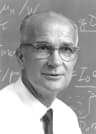
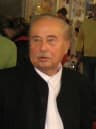
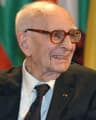
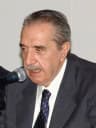
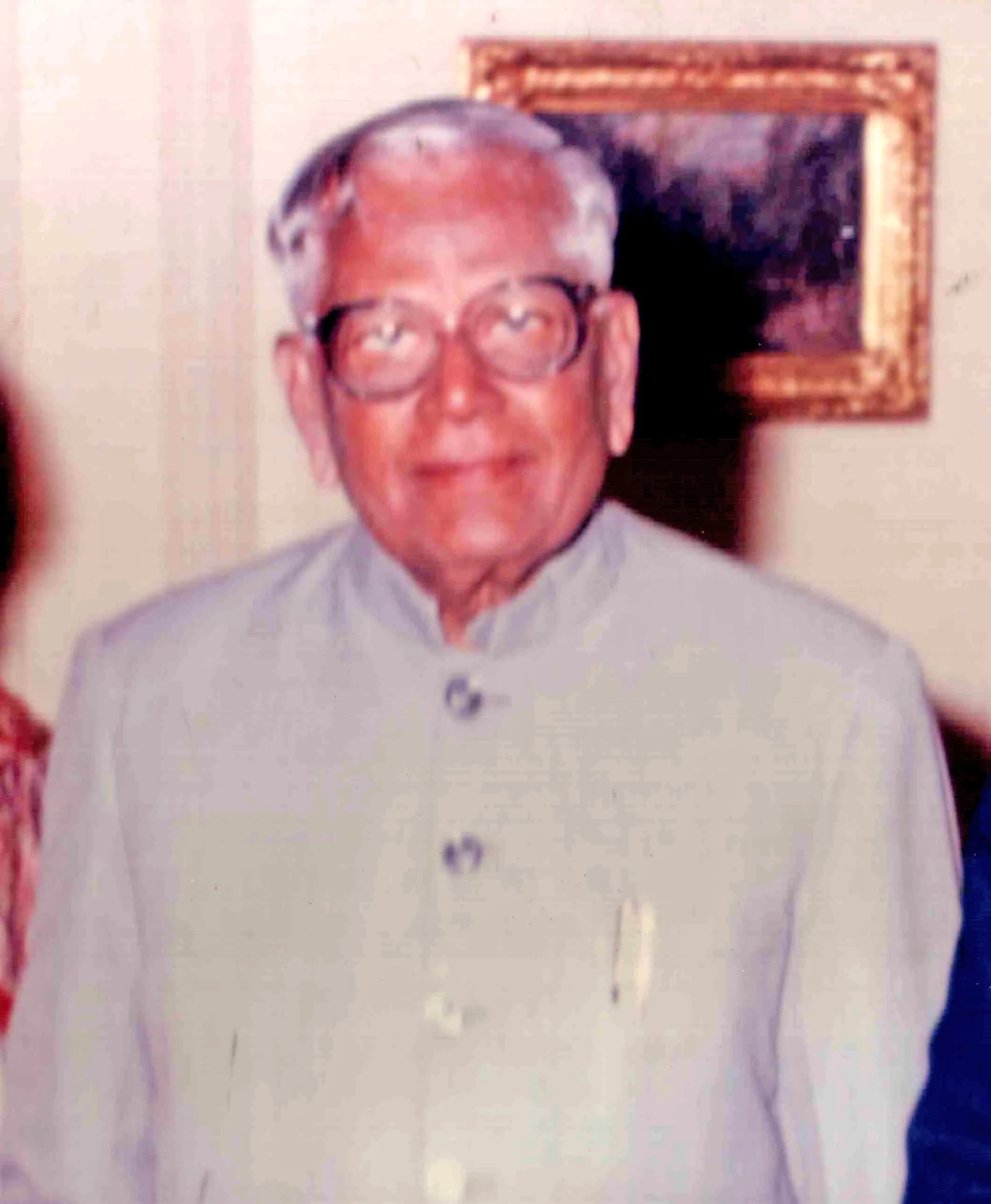
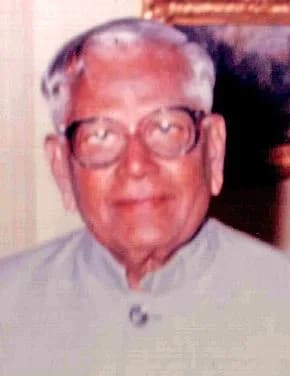
R. Venkataraman (1910–2009) was India best known for President of India from 1987 to 1992.
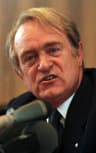
R. Venkataraman (December 4, 1910 – January 27, 2009) was an Indian lawyer, politician, and the eighth President of India. A key figure in the independence movement, he served as Union Finance and Defence Minister before his presidency from 1987 to 1992. His leadership left a lasting impact on national governance.
Kapitlu
Kapitli tal-ħajja
Kapitlu 1 · 1910· Kapitlu 1 minn 6
Early Life and Education
Born on December 4, 1910, R. Venkataraman hailed from the Rajamadam village in the Tanjore district, then part of the Madras Presidency, India. His formative years in this region laid the foundation for a life dedicated to public service.
Venkataraman pursued a rigorous education in law, a discipline that would serve as a cornerstone of his early career. He subsequently honed his legal skills by practicing in the esteemed Madras High Court and the Supreme Court of India, demonstrating an early commitment to justice and legal principles.
Kapitlu 2· Kapitlu 2 minn 6
Political and Legal Ascent
In his youth, R. Venkataraman was a fervent activist, deeply immersed in the Indian independence movement. His patriotic zeal led him to actively participate in the historic Quit India Movement, a defining chapter in India's struggle for freedom.
Following India's independence, his talents were recognized, leading to his appointment as a member of the Constituent Assembly. He also served in the provisional cabinet, signaling the beginning of a significant political career. He was elected to the Lok Sabha, the lower house of India's Parliament, on four separate occasions.
Kapitlu 3· Kapitlu 3 minn 6
Path to Presidency
R. Venkataraman held numerous crucial ministerial portfolios, showcasing his administrative acumen and policy expertise. He served as the Union Finance Minister, where he played a vital role in shaping India's economic policies, and later as the Union Defence Minister, contributing to national security.
His political journey also included serving as a state minister under notable leaders such as K. Kamaraj and M. Bhaktavatsalam. These experiences provided him with comprehensive exposure to governance at both state and national levels, preparing him for higher responsibilities. In 1984, he was elected as the Vice President of India, a testament to his stature and broad political acceptance.
Kapitlu 4 · 1987· Kapitlu 4 minn 6
Presidential Tenure and Leadership
On July 25, 1987, R. Venkataraman assumed the office of the President of India, serving a full term until 1992. As the nation's Head of State, he upheld constitutional values and provided steady leadership during a dynamic period in Indian politics.
During his presidency, he navigated complex political landscapes with integrity and wisdom. His tenure was marked by his adherence to parliamentary democracy and his role as a unifying figure for the diverse nation. He concluded his term as President of India on July 24, 1992, leaving a notable imprint on Indian governance.
Kapitlu 5· Kapitlu 5 minn 6
Literary Contributions and Later Years
Beyond his distinguished career in law and politics, R. Venkataraman was also an autobiographer, documenting his experiences and perspectives. His written works include "Ice storage studies on Indian Pomfrets," which suggests an interest in scientific or technical subjects, along with conceptual works like "Liberation management" and "Public sector management," reflecting his engagement with governance and economic thought.
After completing his presidential term, Venkataraman continued to be a respected elder statesman. He passed away on January 27, 2009, in New Delhi, India, at the age of 98, concluding a long and impactful life of public service.
Kapitlu 6· Kapitlu 6 minn 6
Enduring Legacy
R. Venkataraman is widely recognized for his substantial contributions to India's public life and governance. He is often referred to as the Father of Industrialisation of Tamil Nadu, highlighting his significant role in fostering economic development in the region.
His journey from an independence activist and lawyer to a Union Minister, Vice President, and ultimately the President of India, exemplifies a life dedicated to the welfare and progress of his nation. His legacy is etched in the annals of Indian history as a wise and steadfast leader.
Ħajja f’mumenti
Il-mumenti li sawru ħajja
FAQ
Mistoqsija frekwenti
Meta miet/mietet R. Venkataraman?
R. Venkataraman miet/mietet fil-27 ta’ Jannar 2009 f{place}} other {}}{hasAge, select, yes {, fl-età ta 98 sena.
Fejn twieled/twieldet R. Venkataraman?
R. Venkataraman twieled/twieldet f{place}{hasDate, select, yes { fil-{date, date, long}} other {}}.
Għal xiex hu/hi l-aktar magħruf(a) R. Venkataraman?
R. Venkataraman hu/hi l-aktar magħruf(a) għal President of India from 1987 to 1992.
Kemm kellu/kellha snin R. Venkataraman meta miet/mietet?
R. Venkataraman kellu/kellha 98 sena meta miet/mietet.
X'kienet in-nazzjonalità ta' R. Venkataraman?
R. Venkataraman kien/kienet minn India.
Linja taż-żmien
Ħajja b’ħarsa
Gallerija tar-ritratti
Ħajja f’ritratti
Ikklikkja kwalunkwe polaroid biex tespandi · 25 ritratti
Kodiċi QR
Aqsam Din il-Bijografija
Stampa u Aqsam
Skennja biex iżżur din il-paġna bijografika. Stampah għal avvenimenti, esibizzjonijiet, jew materjal edukattiv.