Twieled
February 4, 1688
Paris, France
Miet
February 11, 1763
Paris, France
Magħruf Għal
French novelist and dramatist
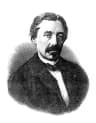
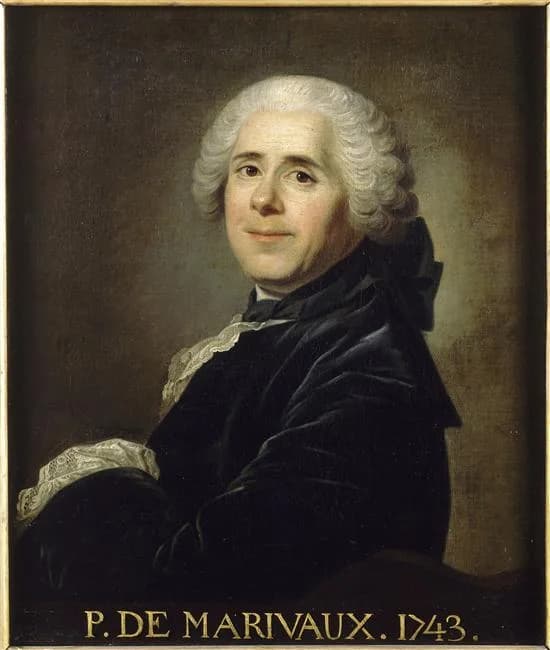
Pierre de Marivaux (1688–1763) was France best known for French novelist and dramatist.
Pierre Carlet de Chamblain de Marivaux (February 4, 1688 – February 11, 1763) was an influential French novelist and dramatist from Paris, France. He is known for developing the distinctive style of dialogue called "marivaudage," which subtly explores love and societal conventions. His works, such as "Le Jeu de l'amour et du hasard," left a lasting impact on French literature.
Kapitlu
Kapitli tal-ħajja
Kapitlu 1 · 1688· Kapitlu 1 minn 7
Early Life and Origins
Born on February 4, 1688, in Paris, France, Pierre de Marivaux entered the world in a period of considerable intellectual and artistic flourishing. While specific details of his family background and early education are not extensively documented, his later literary achievements suggest a deep immersion in the prevailing philosophical and social currents of the Enlightenment era. His formative years spent in the vibrant intellectual environment of Paris undoubtedly contributed to his development as a keen observer of society and human emotions.
Kapitlu 2· Kapitlu 2 minn 7
Career Beginnings
Marivaux began his professional journey as a writer, exploring various literary forms, including early ventures into poetry and journalism. These initial efforts were crucial in shaping his distinctive voice and rhetorical finesse, which would later define his celebrated dramatic and novelistic works. His early experimentation allowed him to refine the elegant and nuanced style that critics would eventually term "marivaudage."
Kapitlu 3· Kapitlu 3 minn 7
Major Achievements and Career Highlights
Pierre de Marivaux distinguished himself through his incisive portrayal of love, intricate societal conventions, and the subtleties of human psychology. His theatrical innovations, particularly the delicate exploration of sentiment and complex social dynamics, solidified his position as a master of French comedy. He was widely recognized for his unique dramatic approach and the refined elegance of his prose, crafting narratives that resonated with contemporary audiences.
Kapitlu 4· Kapitlu 4 minn 7
Personal Life
Information regarding the personal life and family details of Pierre de Marivaux is not extensively provided in historical records. His public persona and lasting legacy are predominantly centered on his prolific literary output and his significant contributions to French theatre and prose during his lifetime.
Kapitlu 5· Kapitlu 5 minn 7
Notable Works or Contributions
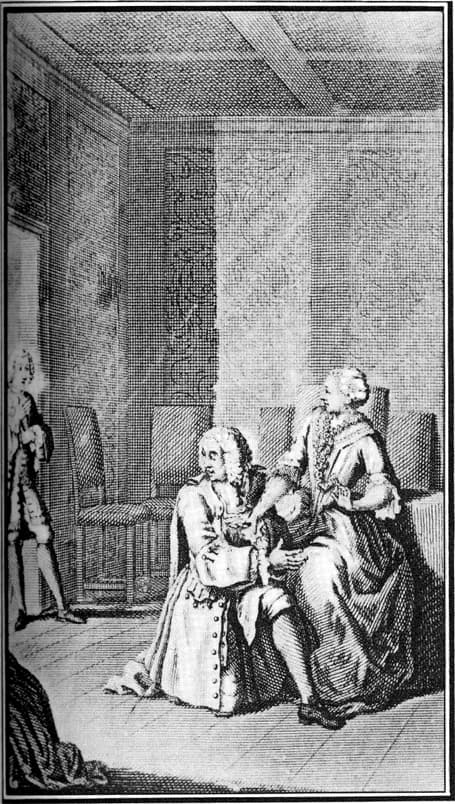
Marivaux’s extensive body of work includes several highly celebrated plays and novels that have secured his place in literary history. Among his most famous plays are "La Seconde surprise de l'amour," "La Colonie," and "La fausse suivante." His plays like "La isla de los esclavos" (also known as "Köleler Adasi") and "El joc de l’amor i de l’atzar" (which translates to "Le Jeu de l'amour et du hasard") are cornerstones of French theatre. These dramatic pieces frequently explored themes of disguise, identity, and the intricate dance of romantic relationships, often presenting characters navigating complex moral choices. Another significant play, "Les Fausses Confidences" (French Edition), is celebrated for its clever plot and psychological depth, demonstrating his mastery of witty dialogue and character development. The collection of his "Oeuvres Complètes. Tome 10, n° 16 Le jeu de l'amour et du hasard" further illustrates the breadth and consistent quality of his literary talent.
Kapitlu 6· Kapitlu 6 minn 7
Later Years
Pierre de Marivaux maintained his active engagement with French literature throughout his life, continuing to write and influence the literary scene well into his later years. His steadfast dedication to his craft ensured his sustained reputation as a prominent figure in 18th-century letters. He remained a central presence in the intellectual and artistic circles of Paris, France, until his passing, consistently contributing to the cultural discourse.
Kapitlu 7 · 1763· Kapitlu 7 minn 7
Legacy and Impact
Pierre Carlet de Chamblain de Marivaux passed away on February 11, 1763, in Paris, France, leaving behind an exceptionally rich and influential literary legacy. He is perhaps most famously remembered for "marivaudage," a term coined to describe his distinctive, refined, and elaborate style of dialogue, particularly in matters of love and social interaction. His plays and novels profoundly shaped subsequent generations of writers and dramatists, significantly influencing the evolution of French comedy and the psychological novel. Marivaux's keen observations of human behavior and elegant command of language ensure his enduring presence and importance in literary history.
Ħajja f’mumenti
Il-mumenti li sawru ħajja
FAQ
Mistoqsija frekwenti
Meta miet/mietet Pierre de Marivaux?
Pierre de Marivaux miet/mietet fil-11 ta’ Frar 1763 f{place}} other {}}{hasAge, select, yes {, fl-età ta 75 sena.
Fejn twieled/twieldet Pierre de Marivaux?
Pierre de Marivaux twieled/twieldet f{place}{hasDate, select, yes { fil-{date, date, long}} other {}}.
Għal xiex hu/hi l-aktar magħruf(a) Pierre de Marivaux?
Pierre de Marivaux hu/hi l-aktar magħruf(a) għal French novelist and dramatist.
Kemm kellu/kellha snin Pierre de Marivaux meta miet/mietet?
Pierre de Marivaux kellu/kellha 75 sena meta miet/mietet.
X'kienet in-nazzjonalità ta' Pierre de Marivaux?
Pierre de Marivaux kien/kienet minn France.
Linja taż-żmien
Ħajja b’ħarsa
Gallerija tar-ritratti
Ħajja f’ritratti
Ikklikkja kwalunkwe polaroid biex tespandi · 24 ritratti
Kodiċi QR
Aqsam Din il-Bijografija
Stampa u Aqsam
Skennja biex iżżur din il-paġna bijografika. Stampah għal avvenimenti, esibizzjonijiet, jew materjal edukattiv.