Twieled
April 10, 1245
Poissy, France
Miet
October 12, 1285
Perpignan, France
Magħruf Għal
king of France from 1270 to 1285
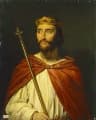
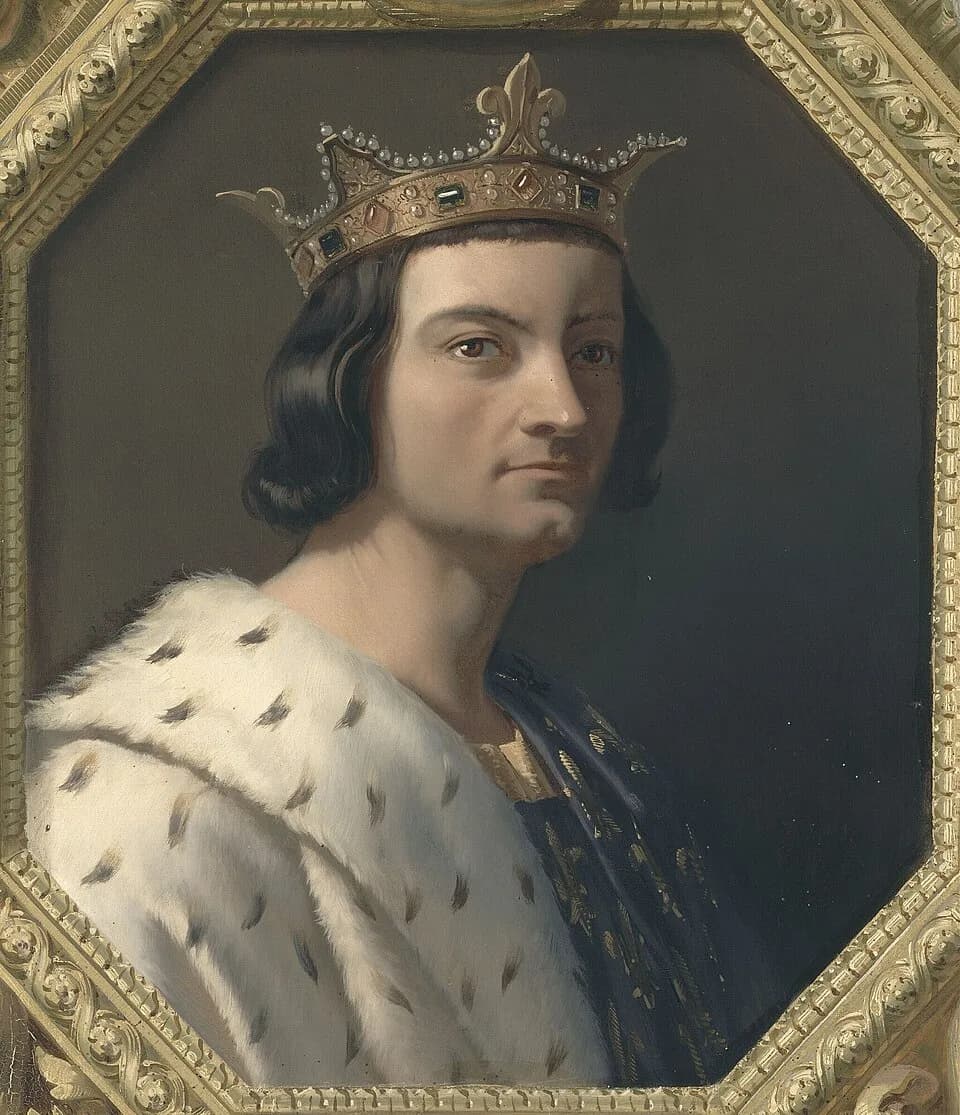
Philip III of France (1245–1285) was France best known for king of France from 1270 to 1285.
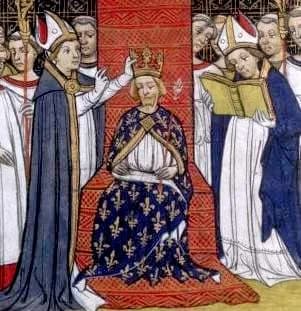
Philip III of France (April 10, 1245 – October 12, 1285) was a sovereign and politician who reigned as King of France from 1270 to 1285. He inherited his crown in Tunis amidst a devastating crusade that claimed his father's life. His reign saw significant territorial expansion and the ill-fated Aragonese Crusade, which ultimately led to his own death.
Kapitlu
Kapitli tal-ħajja
Kapitlu 1 · 1283· Kapitlu 1 minn 3
A Crown Forged in Sorrow
Philip maintained many of his father's domestic policies. He reinforced royal ordinances against seigneurial warfare and upheld decrees concerning Jews in France, such as the order for them to wear badges. He also banned the construction and repair of synagogues in 1283, aiming to further his piety.
Kapitlu 2 · 1271· Kapitlu 2 minn 3
A Shifting Map of France
His reign saw significant expansion of the royal domain. Philip inherited vast territorial lands, including the County of Toulouse, which became part of the crown lands in 1271. Through the Treaty of Orléans, he expanded French influence into Navarre, and though he faced a brief rebellion there, he quickly pacified it by 1277.
Kapitlu 3· Kapitlu 3 minn 3
The Ill-Fated Crusade
However, it was the Aragonese Crusade that perhaps most defined his later reign. Urged by his wife, Marie of Brabant, and his uncle, Charles I of Naples, Philip launched an invasion against the Kingdom of Aragon. This papal-sanctioned war, described by one historian as 'perhaps the most unjust, unnecessary and calamitous enterprise ever undertaken by the Capetian monarchy,' began with initial success.
Philip and his sons besieged Girona and took the city in September 1285. But fate, in a cruel echo of his early life, struck again. Dysentery swept through the French camp, debilitating Philip himself. Forced to retreat, his army was routed at the Battle of the Col de Panissars, and the king died from the disease in Perpignan in October 1285, at the age of 40.
His death mirrored that of his father, from the same scourge, but his burial followed a more elaborate custom of the time. His body was separated, with bones sent to the Basilica of Saint-Denis, his heart to Paris, and other parts to Narbonne and Normandy. Philip was succeeded by his son, the future Philip IV, who would later be known by the poet Dante as 'the father of the Pest of France' — a stark, if poetic, footnote to Philip the Bold's complex time on the throne.
Ħajja f’mumenti
Il-mumenti li sawru ħajja
FAQ
Mistoqsija frekwenti
Meta miet/mietet Philip III of France?
Philip III of France miet/mietet fil-12 ta’ Ottubru 1285 f{place}} other {}}{hasAge, select, yes {, fl-età ta 40 sena.
Fejn twieled/twieldet Philip III of France?
Philip III of France twieled/twieldet f{place}{hasDate, select, yes { fil-{date, date, long}} other {}}.
Għal xiex hu/hi l-aktar magħruf(a) Philip III of France?
Philip III of France hu/hi l-aktar magħruf(a) għal king of France from 1270 to 1285.
Kemm kellu/kellha snin Philip III of France meta miet/mietet?
Philip III of France kellu/kellha 40 sena meta miet/mietet.
X'kienet in-nazzjonalità ta' Philip III of France?
Philip III of France kien/kienet minn France.
Linja taż-żmien
Ħajja b’ħarsa
Gallerija tar-ritratti
Ħajja f’ritratti
Ikklikkja kwalunkwe polaroid biex tespandi · 39 ritratti
Kodiċi QR
Aqsam Din il-Bijografija
Stampa u Aqsam
Skennja biex iżżur din il-paġna bijografika. Stampah għal avvenimenti, esibizzjonijiet, jew materjal edukattiv.