Twieled
April 4, 1913
Rolling Fork, United States
Miet
April 30, 1983
Westmont, United States
Magħruf Għal
American blues musician
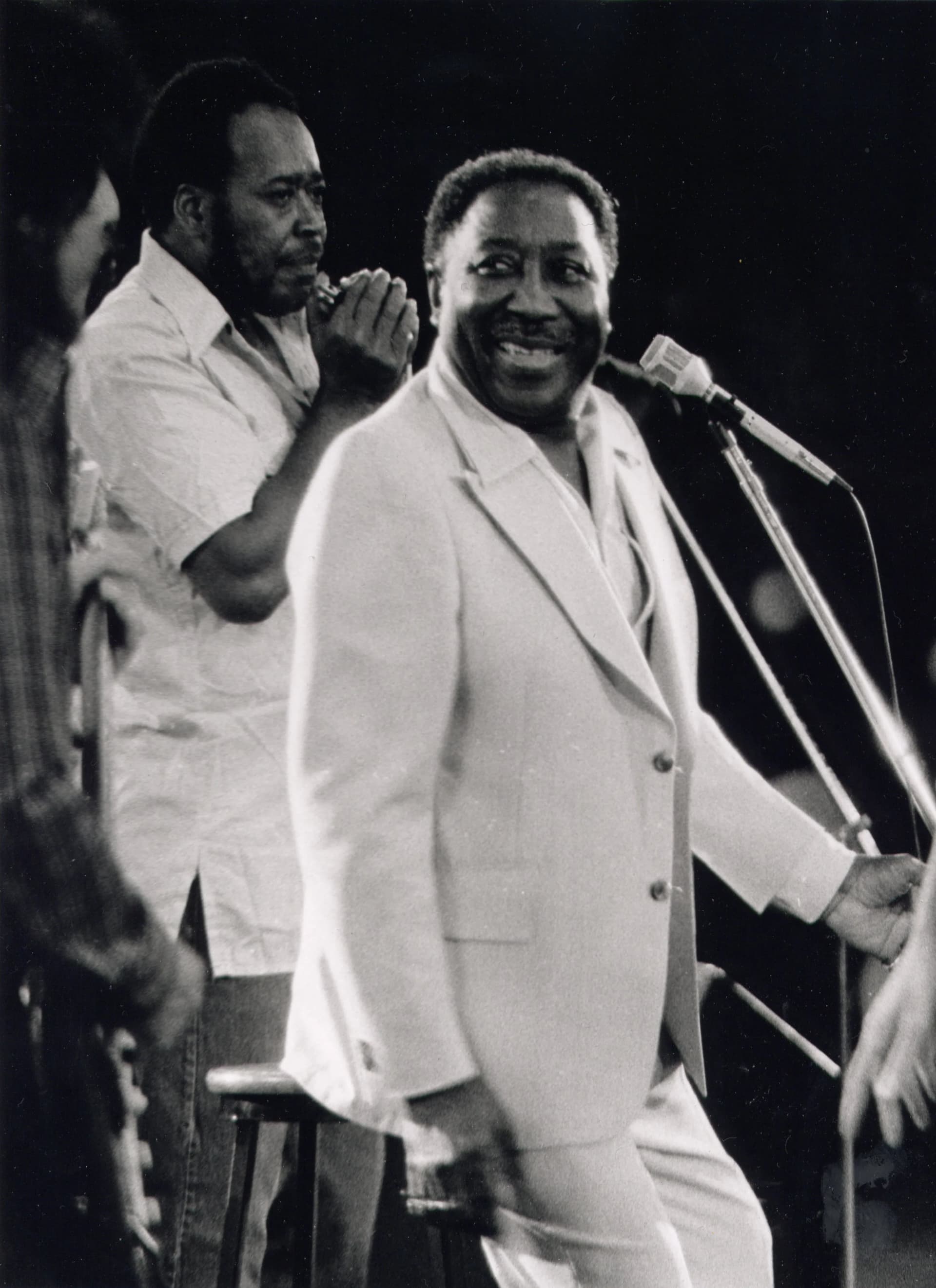
Muddy Waters (1913–1983) was United States best known for American blues musician.
McKinley Morganfield (April 4, 1913 – April 30, 1983), better known as Muddy Waters, was an American blues musician from Mississippi. Often cited as the "father of modern Chicago blues," his electric sound shaped post-World War II blues and influenced rock and roll. His music gave the blues a vital energy that captivated audiences worldwide.
Kapitlu
Kapitli tal-ħajja
Kapitlu 1· Kapitlu 1 minn 3
From Deer Creek to Recorded Sound
Raised by his grandmother after his mother’s death, the young McKinley earned his enduring nickname “Muddy” because he loved playing in the muddy waters of Deer Creek. Music was an early calling; he found his first voice singing in church, lending his later blues a powerful moaning and trembling quality. By 17, he’d bought his first Stella guitar from Sears-Roebuck with fifteen dollars from selling the family’s last horse. He started playing in the juke joints around Colonel William Howard Stovall’s plantation, honing a style inspired by local artists like Son House and Robert Johnson.
Kapitlu 2 · 1943· Kapitlu 2 minn 3
Electrifying Chicago
That recorded voice called him to something more. In 1943, Muddy Waters moved to Chicago, a city buzzing with postwar optimism. There, his acoustic guitar was swallowed by the clamor of the urban clubs. He made a necessary leap, buying his first electric guitar in 1944. “Couldn’t nobody hear you with an acoustic,” he explained, embracing the amplified sound that would define modern blues. His band, featuring talents like Little Walter Jacobs on harmonica and Otis Spann on piano, forged classics such as “Hoochie Coochie Man” and “I Just Want to Make Love to You.” Willie Dixon, who often penned songs for him, noted, “Most of them was singing all sad blues. Muddy was giving his blues a little pep.”
Kapitlu 3 · 1958· Kapitlu 3 minn 3
Blues Goes Global
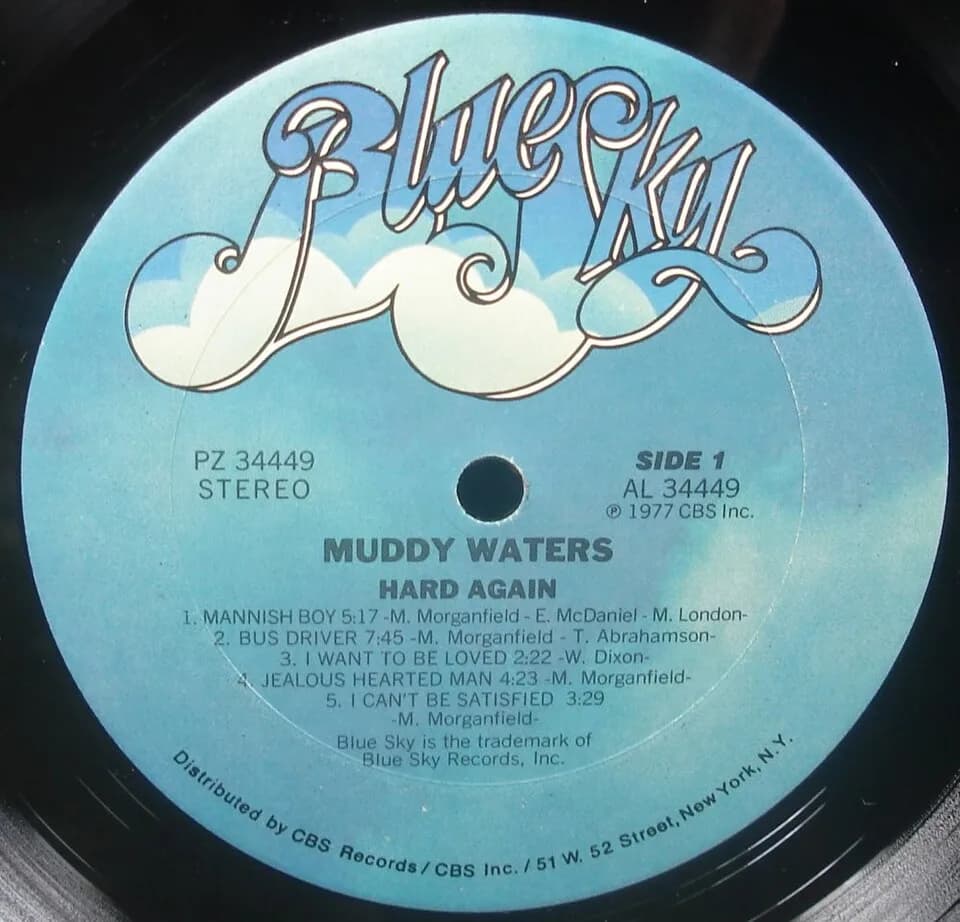
Muddy Waters carried that electric pep across the Atlantic in 1958, touring England with Spann. British audiences, accustomed to acoustic folk blues, were stunned by his powerful electric slide guitar. “I was definitely too loud for them,” he mused, recalling headlines that screamed “Screaming Guitar and Howling Piano.” Yet, his electrifying performances ignited a fire in younger musicians, inspiring future members of bands like Cream and the Rolling Stones, who famously took their name from his 1950 hit, “Rollin’ Stone.” His 1960 performance at the Newport Jazz Festival, released as At Newport 1960, further cemented his reputation, earning a Grammy nomination for “Got My Mojo Working.” Later, albums like Fathers and Sons in 1969 showcased his enduring influence, bringing together blues and rock stars like Michael Bloomfield and Paul Butterfield to play with him. Even when Marshall Chess pushed him into psychedelic experiments with Electric Mud, an album he personally disowned as “dogshit,” Muddy Waters remained the foundational force, the father of modern Chicago blues.
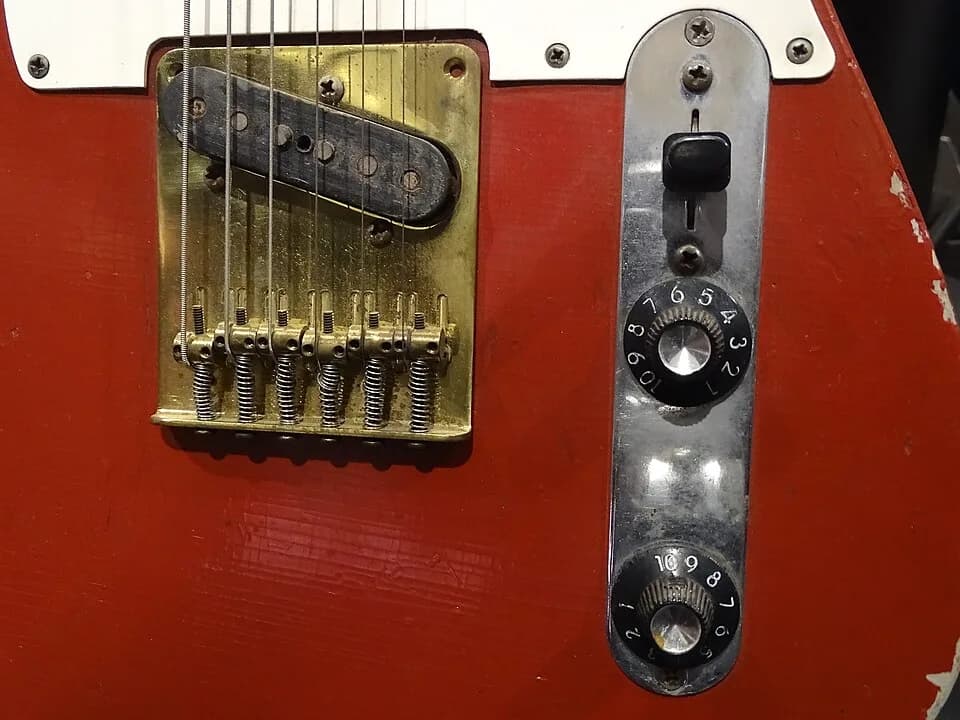
He once said of his guitar, “It could moan and cry, or it could whisper and sing.” And for decades, it did just that, giving voice to the soul of the Delta and electrifying a world.
Ħajja f’mumenti
Il-mumenti li sawru ħajja
FAQ
Mistoqsija frekwenti
Meta miet/mietet Muddy Waters?
Muddy Waters miet/mietet fil-30 ta’ April 1983 f{place}} other {}}{hasAge, select, yes {, fl-età ta 70 sena.
Fejn twieled/twieldet Muddy Waters?
Muddy Waters twieled/twieldet f{place}{hasDate, select, yes { fil-{date, date, long}} other {}}.
Għal xiex hu/hi l-aktar magħruf(a) Muddy Waters?
Muddy Waters hu/hi l-aktar magħruf(a) għal American blues musician.
Kemm kellu/kellha snin Muddy Waters meta miet/mietet?
Muddy Waters kellu/kellha 70 sena meta miet/mietet.
X'kienet in-nazzjonalità ta' Muddy Waters?
Muddy Waters kien/kienet minn United States.
Linja taż-żmien
Ħajja b’ħarsa
Gallerija tar-ritratti
Ħajja f’ritratti
Ikklikkja kwalunkwe polaroid biex tespandi · 25 ritratti
Kodiċi QR
Aqsam Din il-Bijografija
Stampa u Aqsam
Skennja biex iżżur din il-paġna bijografika. Stampah għal avvenimenti, esibizzjonijiet, jew materjal edukattiv.