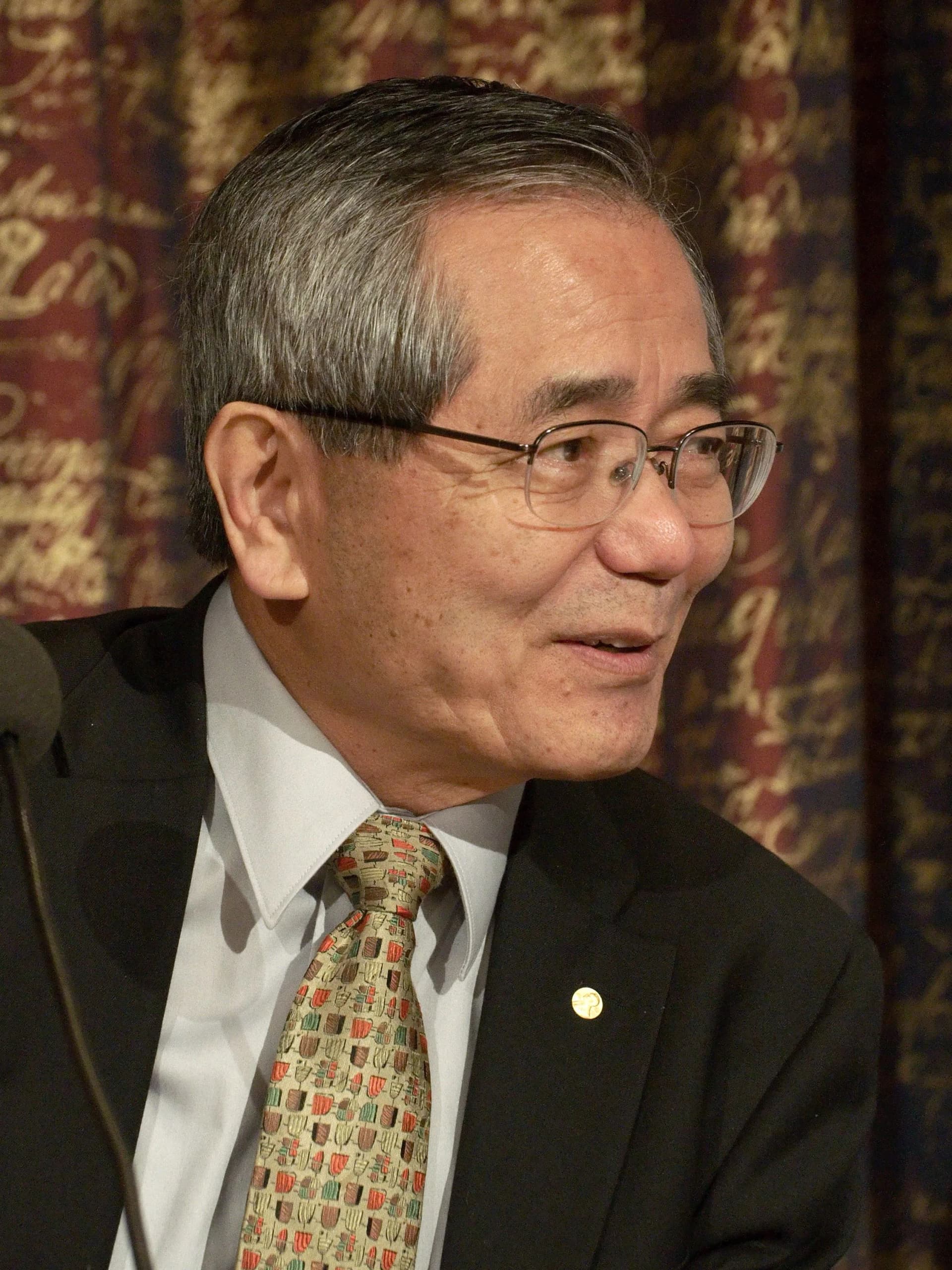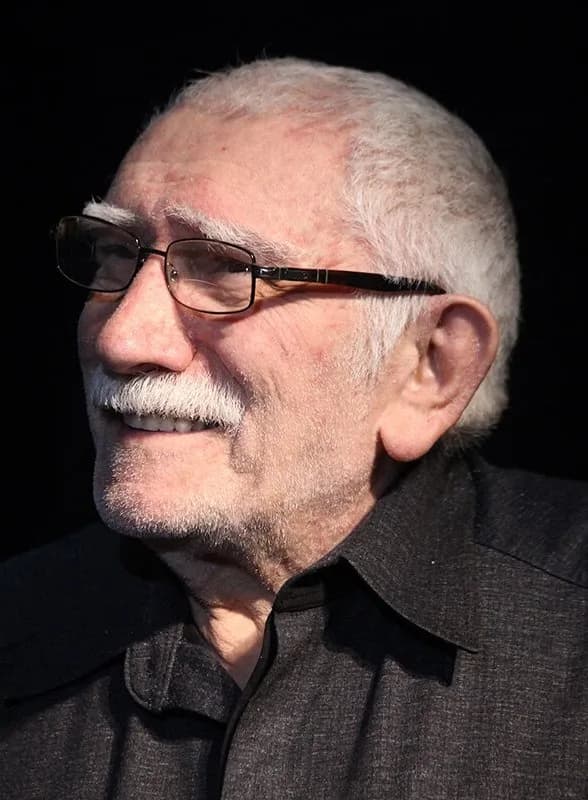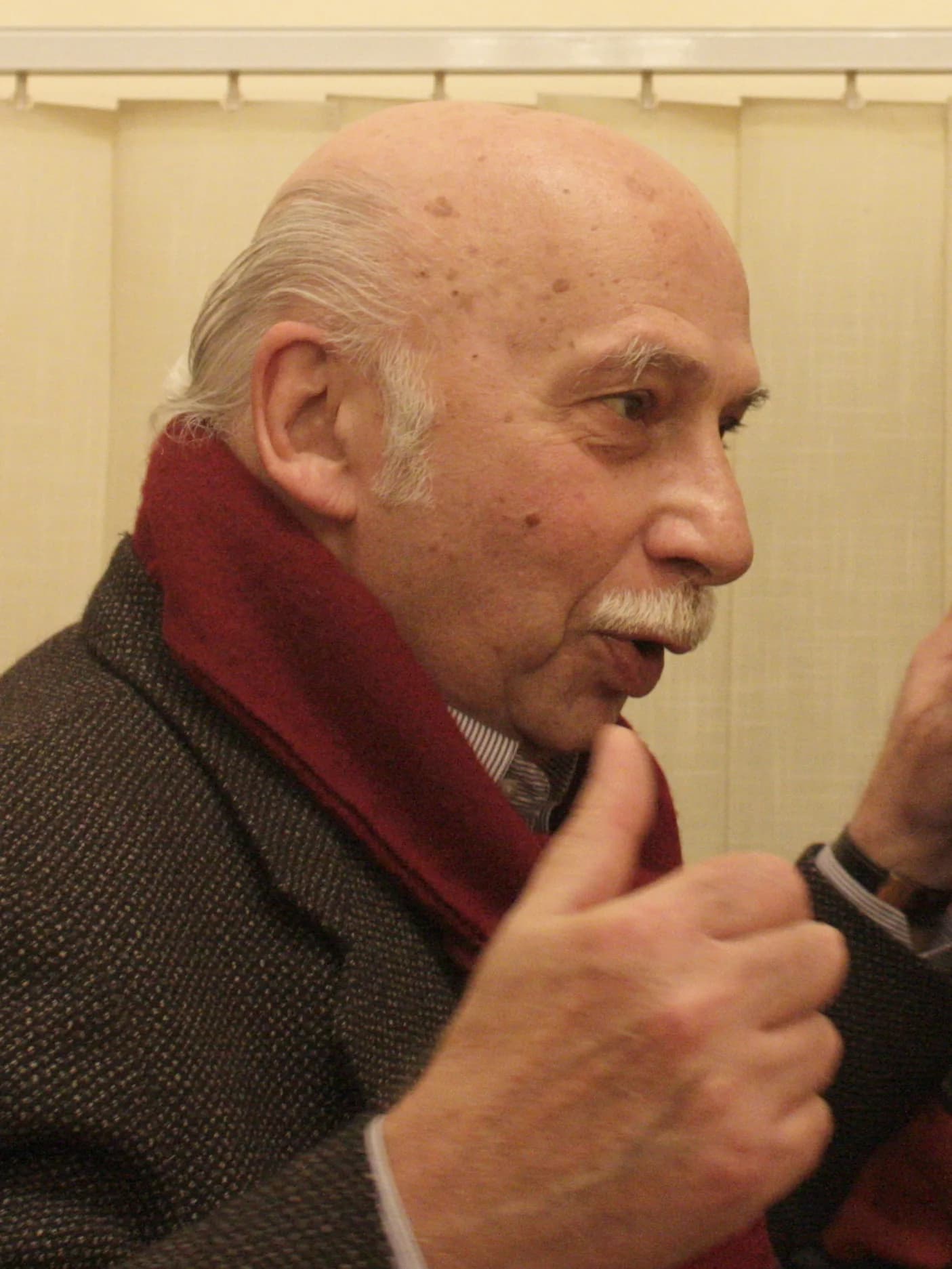
Twieled
October 31, 1935
Cairo, Egypt
Miet
September 21, 2021
Cairo, Egypt
Magħruf Għal
Egyptian Field marshal and former statesman
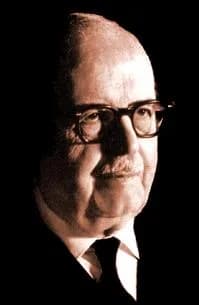
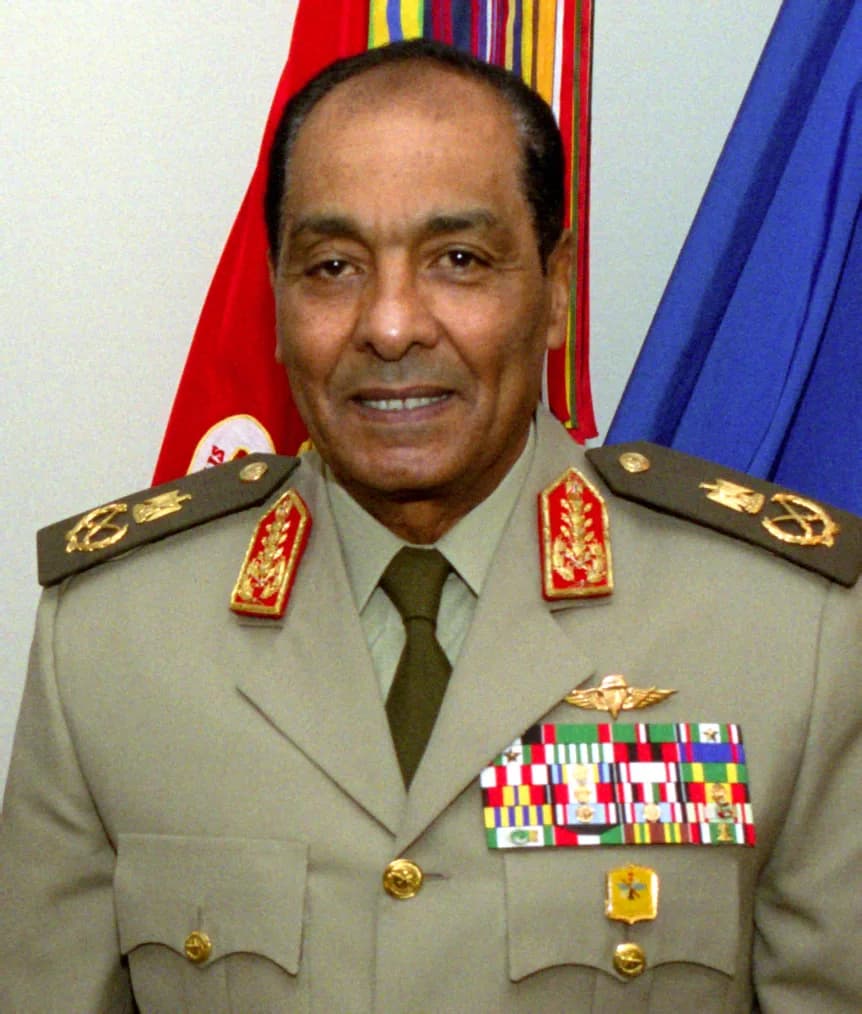
Mohamed Hussein Tantawi (1935–2021) was Egypt best known for Egyptian Field marshal and former statesman.
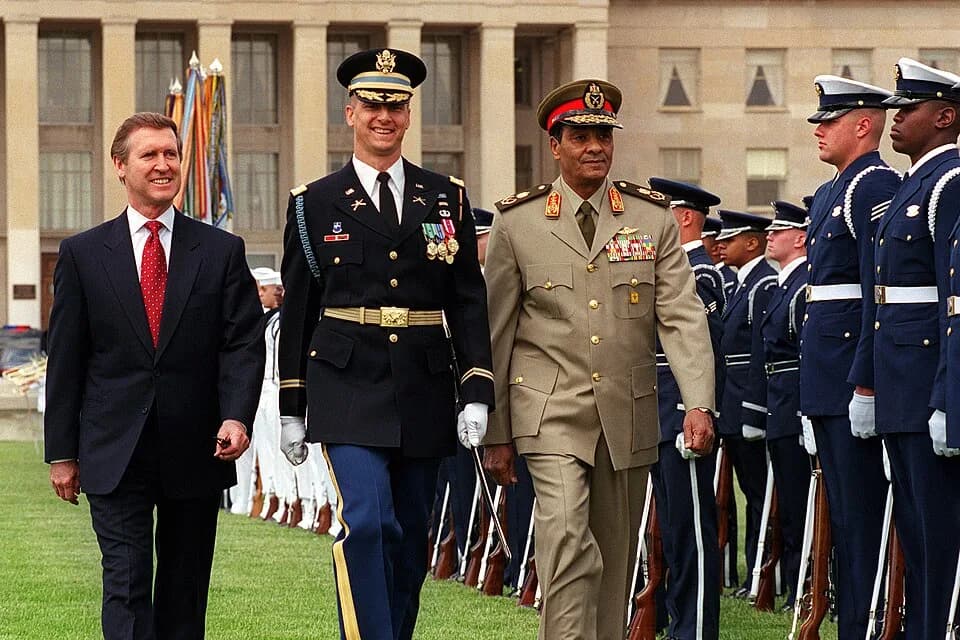
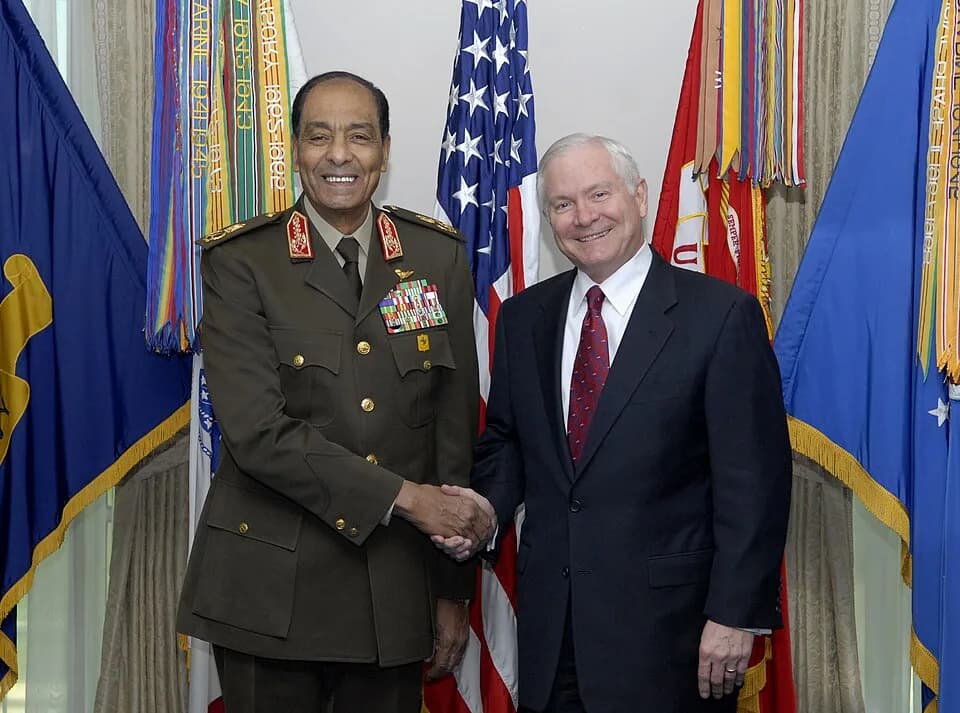
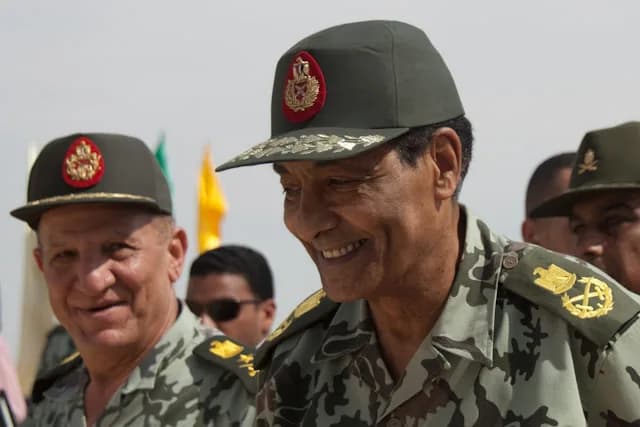
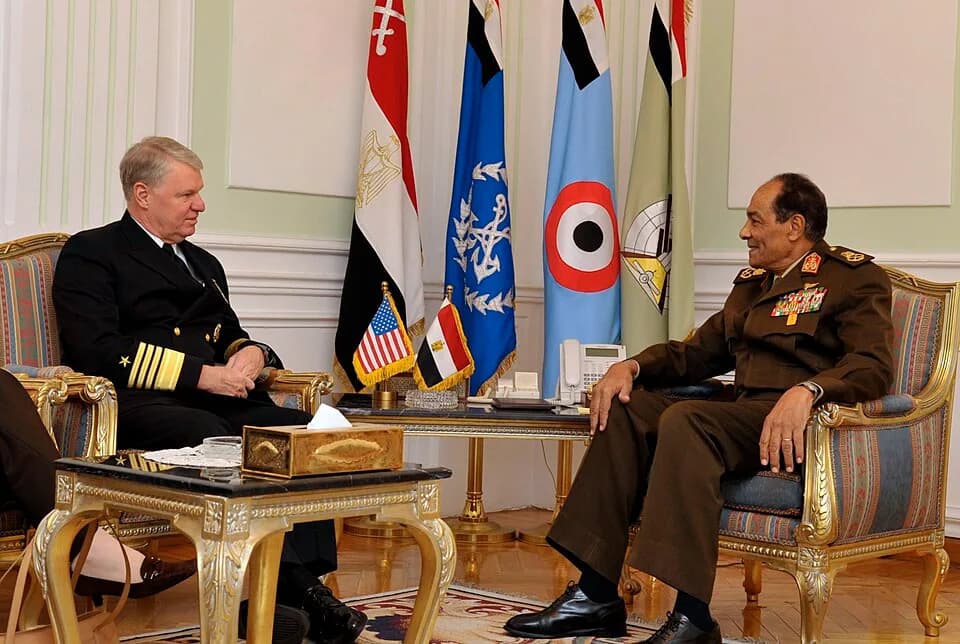
Mohamed Hussein Tantawi (October 31, 1935 – September 21, 2021) was an Egyptian field marshal and politician from Cairo. He served as de facto head of state from February 2011 to June 2012, guiding the nation through a critical transition. His leadership helped shape Egypt's political landscape.
Ħajja f’mumenti
Il-mumenti li sawru ħajja
Kapitlu
Kapitli tal-ħajja
Kapitlu 1 · 1935· Kapitlu 1 minn 7
Early Life and Origins
Mohamed Hussein Tantawi was born on October 31, 1935, in the vibrant city of Cairo, Egypt. His formative years were spent in the nation's capital, a hub of culture and political activity. While details of his family and early education are not extensively provided, his origin in Cairo established his roots in the heart of Egypt.
Kapitlu 2· Kapitlu 2 minn 7
Career Beginnings
Tantawi embarked on a career in the military, a path that ultimately led him to the highest echelons of power. As military personnel, he dedicated himself to the Egyptian Armed Forces. His commitment and service laid the groundwork for his future leadership roles within the nation's defense structure.
Kapitlu 3· Kapitlu 3 minn 7
Major Achievements and Career Highlights
A significant achievement in Tantawi's career was his appointment as the commander-in-chief of the Egyptian Armed Forces. This role placed him at the helm of Egypt's military might, underscoring his experience and trusted position. He guided the armed forces through various periods, demonstrating his leadership capabilities.
Following the ousting of President Hosni Mubarak on February 11, 2011, Tantawi assumed the critical role of chairman of the Supreme Council of the Armed Forces. In this capacity, he functioned as the de facto head of state, navigating Egypt through a period of significant political transition. His leadership during this sensitive time shaped the immediate trajectory of the nation.
Kapitlu 4 · 2011· Kapitlu 4 minn 7
Notable Works or Contributions
Mohamed Hussein Tantawi's most notable contribution was his stewardship of Egypt as de facto head of state from February 2011 to June 2012. He oversaw the country's affairs following the departure of President Mubarak. This period culminated in the inauguration of Mohamed Morsi as president of Egypt on June 30, 2012, marking a formal end to the military's transitional rule.
His leadership during this crucial year and a half, as the head of the Supreme Council of the Armed Forces, defined his public service. He played a central role in guiding Egypt through the complexities of political change and setting the stage for subsequent civilian governance.
Kapitlu 5· Kapitlu 5 minn 7
Personal Life
Information regarding Mohamed Hussein Tantawi's personal life, including family and specific interests outside his professional duties, remains private. His public persona was predominantly defined by his extensive military career and his roles in national leadership.
Kapitlu 6 · 2012· Kapitlu 6 minn 7
Later Years
After his tenure as de facto head of state concluded with the inauguration of President Morsi in June 2012, Tantawi continued to be a respected figure. He eventually passed away on September 21, 2021, in his beloved home city of Cairo, Egypt. His passing marked the end of a long life dedicated to public service and the armed forces.
Kapitlu 7· Kapitlu 7 minn 7
Legacy and Impact
Mohamed Hussein Tantawi's legacy is primarily associated with his role as a unifying figure during a period of national uncertainty. As chairman of the Supreme Council of the Armed Forces and de facto head of state, he was instrumental in maintaining stability and facilitating a transition of power. His actions helped shape the post-Mubarak political environment in Egypt.
He is remembered as a seasoned field marshal and statesman who played a crucial part in modern Egyptian history. Tantawi's long service within the military and his temporary leadership of the nation cemented his place as an important historical personality in Egypt.
FAQ
Mistoqsija frekwenti
Meta miet/mietet Mohamed Hussein Tantawi?
Mohamed Hussein Tantawi miet/mietet fil-21 ta’ Settembru 2021 f{place}} other {}}{hasAge, select, yes {, fl-età ta 85 sena.
Fejn twieled/twieldet Mohamed Hussein Tantawi?
Mohamed Hussein Tantawi twieled/twieldet f{place}{hasDate, select, yes { fil-{date, date, long}} other {}}.
Għal xiex hu/hi l-aktar magħruf(a) Mohamed Hussein Tantawi?
Mohamed Hussein Tantawi hu/hi l-aktar magħruf(a) għal Egyptian Field marshal and former statesman.
Kemm kellu/kellha snin Mohamed Hussein Tantawi meta miet/mietet?
Mohamed Hussein Tantawi kellu/kellha 85 sena meta miet/mietet.
X'kienet in-nazzjonalità ta' Mohamed Hussein Tantawi?
Mohamed Hussein Tantawi kien/kienet minn Egypt.
Linja taż-żmien
Ħajja b’ħarsa
Gallerija tar-ritratti
Ħajja f’ritratti
Ikklikkja kwalunkwe polaroid biex tespandi · 21 ritratti
Kodiċi QR
Aqsam Din il-Bijografija
Stampa u Aqsam
Skennja biex iżżur din il-paġna bijografika. Stampah għal avvenimenti, esibizzjonijiet, jew materjal edukattiv.