Twieled
October 11, 1289
Paris, France
Miet
June 13, 1316
Vincennes, France
Magħruf Għal
King of France from 1314 to 1316
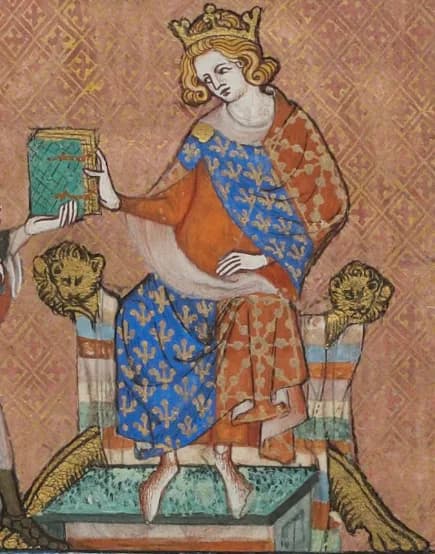
Louis X of France (1289–1316) was France best known for King of France from 1314 to 1316.
Louis X (October 11, 1289 – June 13, 1316) was a French ruler, King of France from 1314 and King of Navarre from 1305. Known as "the Quarrelsome," he emancipated serfs and readmitted Jews, yet his brief reign was marked by significant tensions with the nobility.
Kapitlu
Kapitli tal-ħajja
Kapitlu 1 · 1315· Kapitlu 1 minn 2
A King's Bold Reforms
Against this backdrop of noble discontent, Louis X made surprising moves that hinted at a different vision for his kingdom. In July 1315, he issued an edict that began the process of abolishing serfdom in the royal domain. Serfs could buy their freedom, a significant step that, while also serving as a means to raise revenue for his war against Flanders, had a profound social impact.
Just a few months later, Louis reversed another of his father's policies by readmitting Jews to France. They had been expelled in 1306, a devastating event for the communities. Louis's charter allowed them back for a limited period, with conditions like wearing an armband and living in specific areas, but it marked a crucial, if cautious, return. He carefully justified this decision by referencing his revered ancestor, Saint Louis IX, and the Pope, framing it as a response to public demand.
Kapitlu 2 · 1315· Kapitlu 2 minn 2
Turbulence and an Uncertain Succession
Louis's personal life was as tumultuous as his political one. His first wife, Margaret of Burgundy, was imprisoned after being implicated in the scandalous Tour de Nesle affair, accused of infidelity. Her death in August 1315 cleared the way for Louis to marry Clémence of Hungary just five days later. They were crowned together in Reims.
The challenges mounted as Louis sought to assert French suzerainty over Flanders, mobilizing an army and imposing embargoes that proved difficult to enforce and caused local grievances. His efforts to curtail trade with the wealthy Flemish state, including pressuring Edward II of England, highlighted the persistent struggle for control in the region.
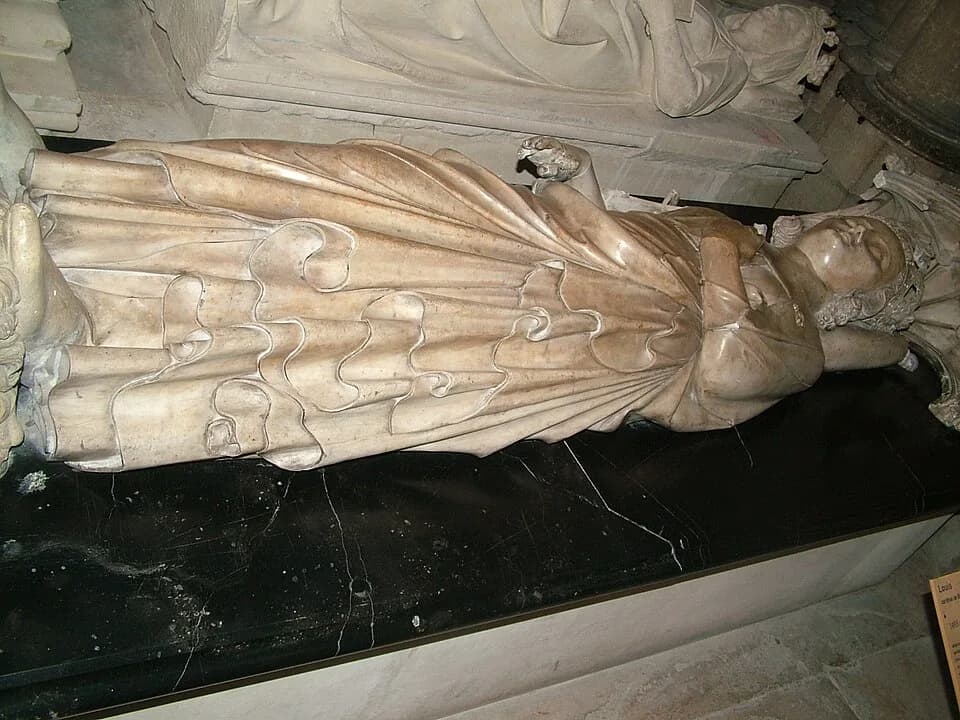
His sudden death at Vincennes in 1316, whether from illness or suspected poisoning, left the succession in crisis. Queen Clémence was pregnant, and the birth of a son would secure the lineage over Louis's daughter, Joan. When a son, John I, was born five months later, he lived for only five days. This tragic event paved the way for Louis’s brother, Philip, to claim the throne. Louis X, the first named tennis player in history, lies interred with his second wife, Clémence, in Saint Denis Basilica, a king who, in his short reign, dared to try and reshape a kingdom.
Ħajja f’mumenti
Il-mumenti li sawru ħajja
FAQ
Mistoqsija frekwenti
Meta miet/mietet Louis X of France?
Louis X of France miet/mietet fil-13 ta’ Ġunju 1316 f{place}} other {}}{hasAge, select, yes {, fl-età ta 26 sena.
Fejn twieled/twieldet Louis X of France?
Louis X of France twieled/twieldet f{place}{hasDate, select, yes { fil-{date, date, long}} other {}}.
Għal xiex hu/hi l-aktar magħruf(a) Louis X of France?
Louis X of France hu/hi l-aktar magħruf(a) għal King of France from 1314 to 1316.
Kemm kellu/kellha snin Louis X of France meta miet/mietet?
Louis X of France kellu/kellha 26 sena meta miet/mietet.
X'kienet in-nazzjonalità ta' Louis X of France?
Louis X of France kien/kienet minn France.
Linja taż-żmien
Ħajja b’ħarsa
Gallerija tar-ritratti
Ħajja f’ritratti
Ikklikkja kwalunkwe polaroid biex tespandi · 43 ritratti
Kodiċi QR
Aqsam Din il-Bijografija
Stampa u Aqsam
Skennja biex iżżur din il-paġna bijografika. Stampah għal avvenimenti, esibizzjonijiet, jew materjal edukattiv.