Twieled
March 13, 1326
Visegrád, Hungary
Miet
September 18, 1382
Trnava, Slovakia
Magħruf Għal
King of Hungary, Poland and Croatia
Louis I of Hungary (1326–1382) was Hungary best known for King of Hungary, Poland and Croatia.
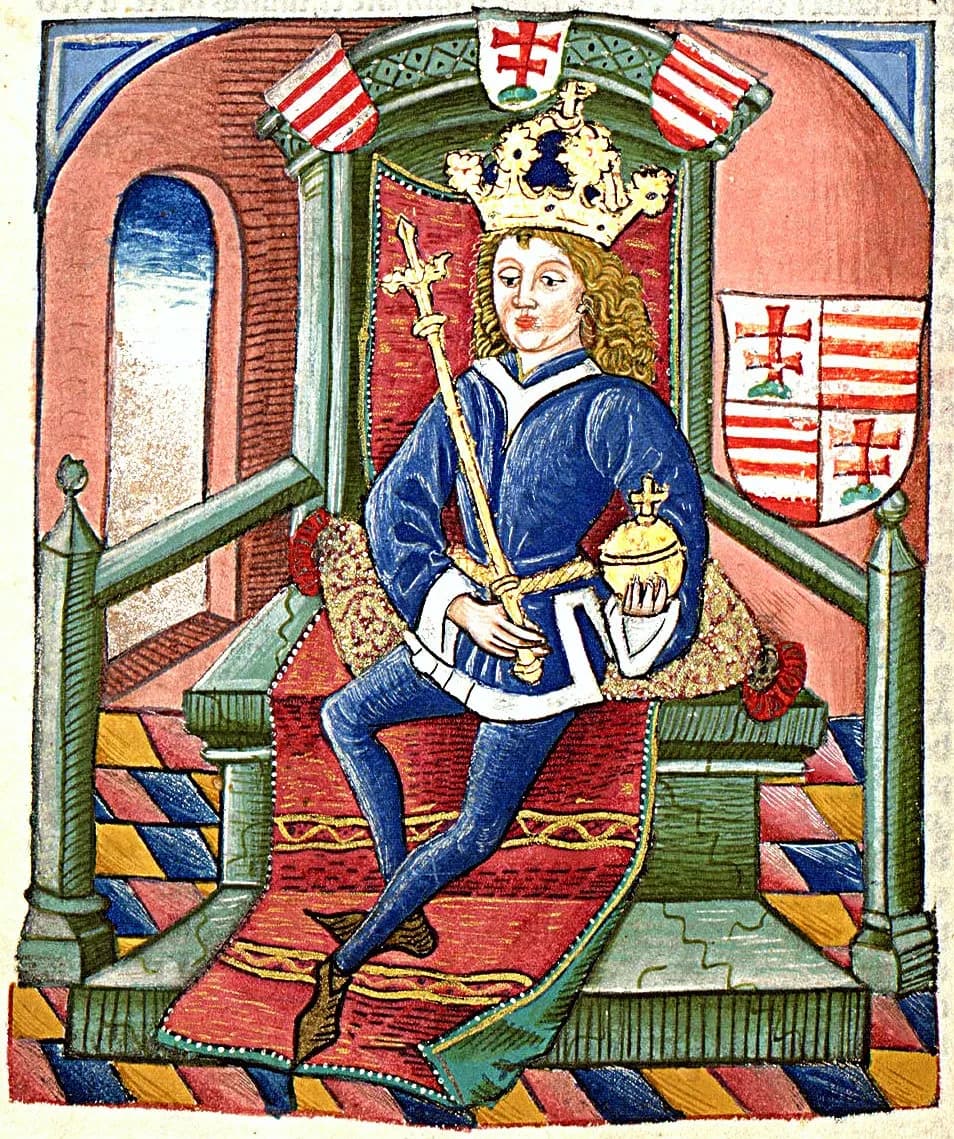
Louis I of Hungary (March 13, 1326 – September 18, 1382) was a monarch from Visegrád, Hungary. He served as King of Hungary, Croatia, and Poland, uniting the crowns of these realms during his reign. His rule was marked by significant influence across Central Europe.
Kapitlu
Kapitli tal-ħajja
Kapitlu 1· Kapitlu 1 minn 7
Early Life and Origins
Louis I, often referred to as Louis the Great, entered the world in Visegrád, Hungary. He was the son of Charles I of Hungary and his wife, Elizabeth of Poland, making him a central figure in royal lineages. Louis was fortunate to be the first child of his parents to survive infancy, a circumstance that secured his place as a direct heir and future ruler. This survival was of immense importance for the stability and continuity of the Árpád dynasty's succession, highlighting his early significance.
His familial connections extended deeply into the European nobility through his mother, Elizabeth. She was the sister of Casimir III of Poland, a powerful ruler in his own right, creating a direct link between the Hungarian and Polish crowns. This maternal lineage would prove crucial in later political arrangements, setting the stage for Louis's eventual inheritance of the Polish throne. These early ties fostered a unique position for Louis, intertwining his destiny with the political future of both nations from a young age.
Kapitlu 2 · 1338· Kapitlu 2 minn 7
Career Beginnings
A pivotal moment in Louis's early life came with the 1338 treaty forged between his father, Charles I, and his maternal uncle, Casimir III of Poland. This significant agreement specifically confirmed Louis's inherent right to succeed to the Kingdom of Poland. The condition for this future inheritance was contingent upon his uncle, Casimir III, dying without a male heir, a common concern in medieval dynastic politics. This diplomatic arrangement laid the groundwork for Louis's future expansion of power and influence.
In return for this crucial right of succession, the treaty stipulated Louis's obligation to provide military assistance to his uncle. This support was intended to aid Casimir III in the reoccupation of lands that Poland had lost in previous decades, demonstrating a reciprocal agreement of mutual benefit. Before ascending to his primary thrones, Louis also bore the title of Duke of Transylvania. He held this ducal title between the years 1339 and 1342, though historical records indicate he did not actively administer the province during this period, serving more as an honorary designation in his youth.
Kapitlu 3 · 1342· Kapitlu 3 minn 7
Major Achievements and Career Highlights
Louis ascended to the throne of Hungary and Croatia in 1342, marking the beginning of his long and influential reign. For nearly three decades, he consolidated his authority over these kingdoms, earning the moniker 'Louis the Great' for his leadership. His rule brought stability and a period of significant growth to the Hungarian crown lands. The expansion of royal power and influence during these years established his reputation as a formidable monarch across Central Europe.
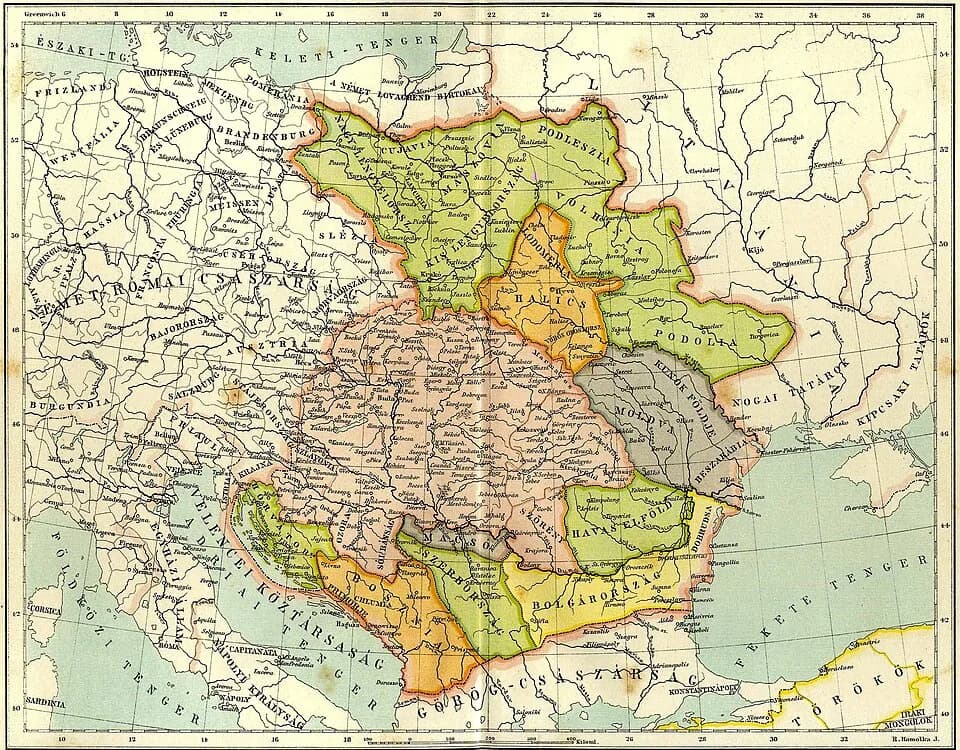
The terms of the 1338 treaty came to fruition upon the death of his maternal uncle, Casimir III of Poland, who indeed passed without a son. In 1370, Louis I formally became King of Poland, uniting the crowns of Hungary, Croatia, and Poland under his single rule. This unification represented a monumental achievement, significantly expanding his domain and political leverage. His success in inheriting the Polish throne underscored his diplomatic foresight and the strength of his family's alliances.
As a monarch, Louis focused on strategic initiatives to strengthen his realms. His commitment to assisting his uncle in reoccupying lost Polish territories, as per the treaty, was a practical demonstration of his commitment to his agreements. This effort contributed to the territorial integrity and political standing of Poland, even as it fell under his direct rule. Such actions solidified his image as a king capable of both diplomatic strategy and military action.
Kapitlu 4· Kapitlu 4 minn 7
Personal Life
Details of Louis I's personal life, beyond his royal lineage, are primarily tied to his dynastic duties and successes. He was, critically, the first child of Charles I and Elizabeth of Poland to survive infancy, a fact that secured his position as heir. This survival ensured the continuity of the royal line and spared his parents the anguish of further infant losses. His very existence was a matter of state importance, intertwining his personal journey with the fate of his kingdoms.
Kapitlu 5 · 1338· Kapitlu 5 minn 7
Notable Works or Contributions
Louis's reign was characterized by the astute management of treaties and the expansion of royal authority through strategic inheritance. The 1338 treaty with his uncle, Casimir III, stands as a testament to his family's long-term political planning. This agreement not only secured his future claim to Poland but also dictated mutual military obligations, demonstrating a sophisticated approach to inter-state relations. His successful execution of these terms led to the significant expansion of his dynastic holdings.
His ascension to the Polish throne in 1370, following the specific conditions of the earlier treaty, unified three significant crowns. This unification under Louis I was a defining 'work' of his political career, creating a powerful, albeit personal, union of kingdoms. The administrative and strategic challenges of governing such an expansive territory would have been immense. His ability to maintain control and expand influence across these diverse lands highlights his skill as a monarch.
Kapitlu 6 · 1342· Kapitlu 6 minn 7
Later Years
Louis I continued to rule as King of Hungary, Croatia, and Poland for over a decade after inheriting the Polish crown. His reign, which commenced in 1342, ultimately spanned forty years, a considerable duration for a medieval monarch. During these final years, he solidified his control and oversaw the continued prosperity and stability of his realms. He passed away on September 18, 1382, in Trnava, located in what is now Slovakia, bringing an end to a period of significant regional power.
Kapitlu 7· Kapitlu 7 minn 7
Legacy and Impact
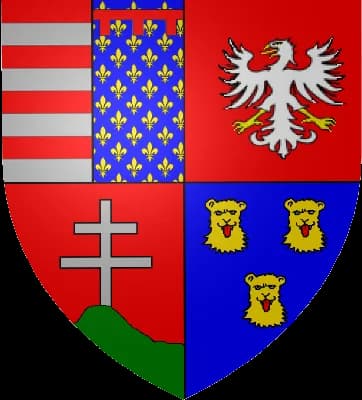
The legacy of Louis I of Hungary is profound, primarily defined by his successful unification of three major Central European crowns. His epithet, 'Louis the Great,' reflects the high esteem in which he was held during and after his lifetime. He left behind a consolidated and influential set of kingdoms, setting a precedent for royal power in the region. His reign is remembered as an era of expansion and stability for Hungary, Poland, and Croatia.
Louis's strategic political maneuvering, exemplified by the 1338 treaty, demonstrated a foresight that allowed his family to expand its power peacefully. He shaped the geopolitical map of Central Europe for generations, establishing a powerful dynastic line. His ability to secure and then govern such a vast domain contributed significantly to the historical development of these nations. Louis I remains a pivotal figure in the history of monarchs, remembered for his capacity to unite and lead.
Ħajja f’mumenti
Il-mumenti li sawru ħajja
FAQ
Mistoqsija frekwenti
Meta miet/mietet Louis I of Hungary?
Louis I of Hungary miet/mietet fil-18 ta’ Settembru 1382 f{place}} other {}}{hasAge, select, yes {, fl-età ta 56 sena.
Fejn twieled/twieldet Louis I of Hungary?
Louis I of Hungary twieled/twieldet f{place}{hasDate, select, yes { fil-{date, date, long}} other {}}.
Għal xiex hu/hi l-aktar magħruf(a) Louis I of Hungary?
Louis I of Hungary hu/hi l-aktar magħruf(a) għal King of Hungary, Poland and Croatia.
Kemm kellu/kellha snin Louis I of Hungary meta miet/mietet?
Louis I of Hungary kellu/kellha 56 sena meta miet/mietet.
X'kienet in-nazzjonalità ta' Louis I of Hungary?
Louis I of Hungary kien/kienet minn Hungary.
Linja taż-żmien
Ħajja b’ħarsa
Gallerija tar-ritratti
Ħajja f’ritratti
Ikklikkja kwalunkwe polaroid biex tespandi · 25 ritratti
Kodiċi QR
Aqsam Din il-Bijografija
Stampa u Aqsam
Skennja biex iżżur din il-paġna bijografika. Stampah għal avvenimenti, esibizzjonijiet, jew materjal edukattiv.