Twieled
October 3, 1897
16th arrondissement of Paris, France
Miet
December 24, 1982
7th arrondissement of Paris, France
Magħruf Għal
French poet
Louis Aragon (1897–1982) was France best known for French poet.
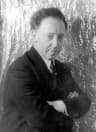
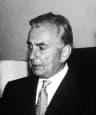
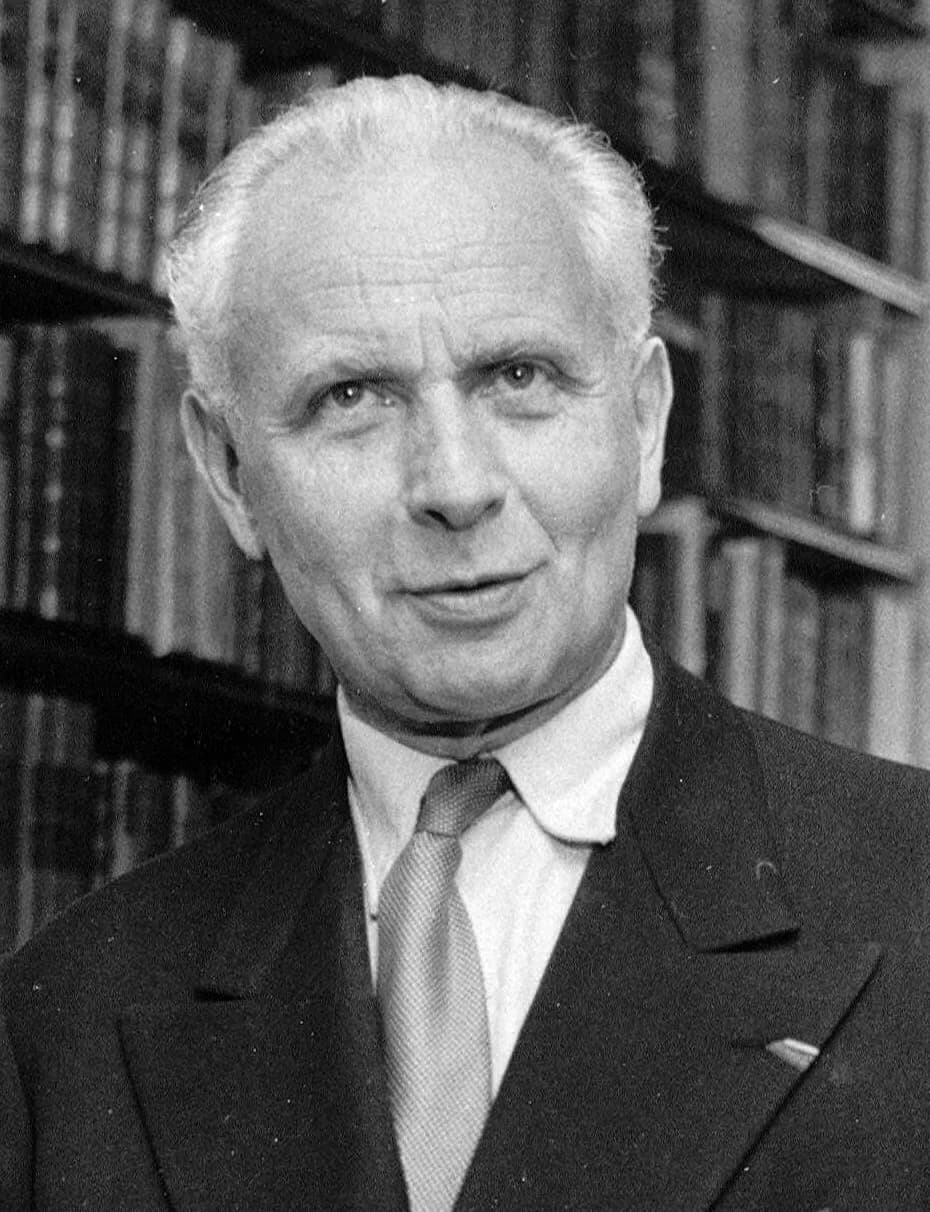
Louis Aragon (October 3, 1897 – December 24, 1982) was a French poet and a leading voice of the surrealist movement from Paris. He co-founded the surrealist review Littérature and was a long-time member of the Communist Party and the French Resistance. His prolific career encompassed writing, journalism, and political activism, earning him nominations for the Nobel Prize in Literature.
Kapitlu
Kapitli tal-ħajja
Kapitlu 1 · 1897· Kapitlu 1 minn 6
Early Life and Origins
Born on October 3, 1897, in the elegant 16th arrondissement of Paris, France, Louis Aragon entered a world on the cusp of profound change. His early years in the vibrant cultural hub of Paris undoubtedly exposed him to a rich intellectual environment that would later shape his diverse interests and artistic inclinations. This Parisian upbringing provided the fertile ground from which his future literary and political endeavors would spring, fostering an early engagement with the artistic and philosophical currents of the time.
Though specific details of his family and early education are not provided, his eventual career path as a physician writer suggests a robust intellectual curiosity and a formal education that extended into the sciences. This unique blend of a scientific background with an artistic temperament would inform his distinct perspective, allowing him to approach creative expression with both passion and analytical rigor. Aragon's foundational years in Paris were crucial in forging the multifaceted intellectual who would become a leading voice in surrealism and a prominent public figure.
Kapitlu 2· Kapitlu 2 minn 6
Career Beginnings
Aragon's literary journey began with formidable energy and a pioneering spirit, quickly placing him at the forefront of one of France's most revolutionary artistic movements. He co-founded the influential surrealist review Littérature alongside André Breton and Philippe Soupault, a pivotal act that solidified his position as one of the leading voices of surrealism in France. This review served as a crucial platform for the nascent movement, disseminating its principles and showcasing its experimental works to a broader audience.
His involvement with surrealism from its earliest stages marked a period of intense artistic experimentation and intellectual camaraderie, challenging traditional literary conventions and exploring the depths of the subconscious mind. Through his early writings and editorial contributions to Littérature, Aragon helped to define the aesthetic and philosophical tenets of surrealism, advocating for automatic writing and the liberation of imagination. This early engagement established his reputation as an audacious and innovative artist, deeply committed to pushing the boundaries of poetic and narrative expression.
Kapitlu 3· Kapitlu 3 minn 6
Major Achievements and Career Highlights
Louis Aragon's career was a testament to his versatility and enduring influence, marked by a succession of significant achievements across various domains. Beyond his foundational role in surrealism, he evolved into a distinguished novelist and editor, demonstrating a mastery of diverse literary forms. His commitment to public life was equally profound, evidenced by his long-time membership in the Communist Party, a political affiliation that deeply colored much of his work and public persona during a politically charged century.
His literary prowess and contributions were formally recognized by his inclusion as a member of the Académie Goncourt, one of France's most prestigious literary institutions, signifying his eminent standing within the French literary establishment. Furthermore, his sustained literary excellence and profound impact on literature earned him frequent nominations for the Nobel Prize in Literature after 1959. These nominations underscored his international recognition and the lasting critical acclaim for his innovative and politically engaged body of work.
Kapitlu 4· Kapitlu 4 minn 6
Notable Works or Contributions
Aragon’s extensive bibliography showcases a remarkable range of genres and thematic concerns, reflecting his multifaceted intellectual and artistic journey. His poetic output includes significant collections such as Le Mouvement Perpetuel Feu de Joie Ecritures Automatique, which exemplifies his early experimentation with automatic writing characteristic of the surrealist movement. Later poetic works like Le cre ve-coeur and Les adieux et autres poèmes reveal a more mature voice, often imbued with political consciousness and personal reflection.
As a novelist, Aragon authored compelling narratives such as Anicet ou le panorama, roman, offering his unique perspective on human experience and societal structures. His literary explorations also extended to essays and critical analyses, including Avez-vous lu Victor Hugo?, which highlights his engagement with literary history and his role as an art critic. Other notable titles like Pasado compuesto, Los colages, Elsa, Die Kommunisten, and Parlons français et articles de Ce soir collectively underscore his prolific output and his persistent dedication to exploring both the personal and the political through the power of language.
Kapitlu 5 · 1959· Kapitlu 5 minn 6
Later Years
In his later years, Louis Aragon remained a vibrant and influential figure, his contributions to literature and public discourse continuing to garner significant attention. The period after 1959 was particularly marked by his consistent recognition on the international stage, as he became a frequent nominee for the Nobel Prize in Literature. This sustained attention from the Nobel Committee highlighted the enduring power and relevance of his literary achievements, solidifying his status as a global literary giant.
Aragon's life concluded in the same city where it began, in the 7th arrondissement of Paris, France, on December 24, 1982. His passing marked the end of an era for French letters and European intellectualism, but his extensive body of work ensured his voice would continue to resonate. Even as his physical presence departed, the legacy of his writing, his political engagement, and his artistic innovations continued to shape and inspire new generations of writers and thinkers.
Kapitlu 6· Kapitlu 6 minn 6
Legacy and Impact
Louis Aragon's legacy is that of a complex and profoundly influential intellectual who navigated the turbulent currents of the 20th century with unwavering conviction and extraordinary creative output. As a leading voice of the surrealist movement, he helped redefine the boundaries of poetry and narrative, challenging conventional notions of art and reality. His co-founding of Littérature was instrumental in shaping the early direction and public reception of surrealism, cementing his place in the avant-garde.
Beyond his artistic endeavors, Aragon's long-term commitment to the Communist Party and his active role as a French Resistance fighter demonstrate a deep engagement with the pressing political and social issues of his time. He masterfully wove his political convictions into his art, using his platform as a writer, poet, journalist, and essayist to advocate for his beliefs and to reflect the struggles and aspirations of the human spirit. His works, ranging from lyrical poetry to incisive political commentary, continue to be studied and admired for their artistic merit and historical resonance.
His multiple professions—writer, poet, politician, historian, physician writer, journalist, art critic, novelist, and essayist—paint a portrait of an individual driven by an insatiable curiosity and a desire to understand and influence the world through various lenses. Aragon's influence extended across generations of artists and activists, making him a symbol of both artistic liberation and political commitment. His enduring legacy lies in his ability to fuse the personal with the universal, the aesthetic with the political, leaving behind a rich and diverse body of work that continues to inspire and provoke thought about art, ideology, and human experience.
Ħajja f’mumenti
Il-mumenti li sawru ħajja
FAQ
Mistoqsija frekwenti
Meta miet/mietet Louis Aragon?
Louis Aragon miet/mietet fil-24 ta’ Diċembru 1982 f{place}} other {}}{hasAge, select, yes {, fl-età ta 85 sena.
Fejn twieled/twieldet Louis Aragon?
Louis Aragon twieled/twieldet f{place}{hasDate, select, yes { fil-{date, date, long}} other {}}.
Għal xiex hu/hi l-aktar magħruf(a) Louis Aragon?
Louis Aragon hu/hi l-aktar magħruf(a) għal French poet.
Kemm kellu/kellha snin Louis Aragon meta miet/mietet?
Louis Aragon kellu/kellha 85 sena meta miet/mietet.
X'kienet in-nazzjonalità ta' Louis Aragon?
Louis Aragon kien/kienet minn France.
Linja taż-żmien
Ħajja b’ħarsa
Gallerija tar-ritratti
Ħajja f’ritratti
Ikklikkja kwalunkwe polaroid biex tespandi · 43 ritratti
Kodiċi QR
Aqsam Din il-Bijografija
Stampa u Aqsam
Skennja biex iżżur din il-paġna bijografika. Stampah għal avvenimenti, esibizzjonijiet, jew materjal edukattiv.