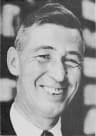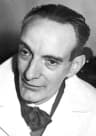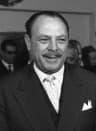
Twieled
May 22, 1907
Dorking, United Kingdom
Miet
July 11, 1989
West Sussex, United Kingdom
Magħruf Għal
English actor and director
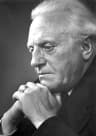
Laurence Olivier (1907–1989) was United Kingdom best known for English actor and director.
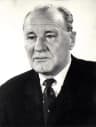
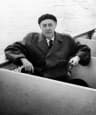
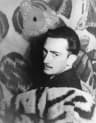
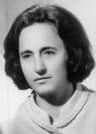
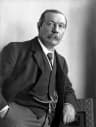
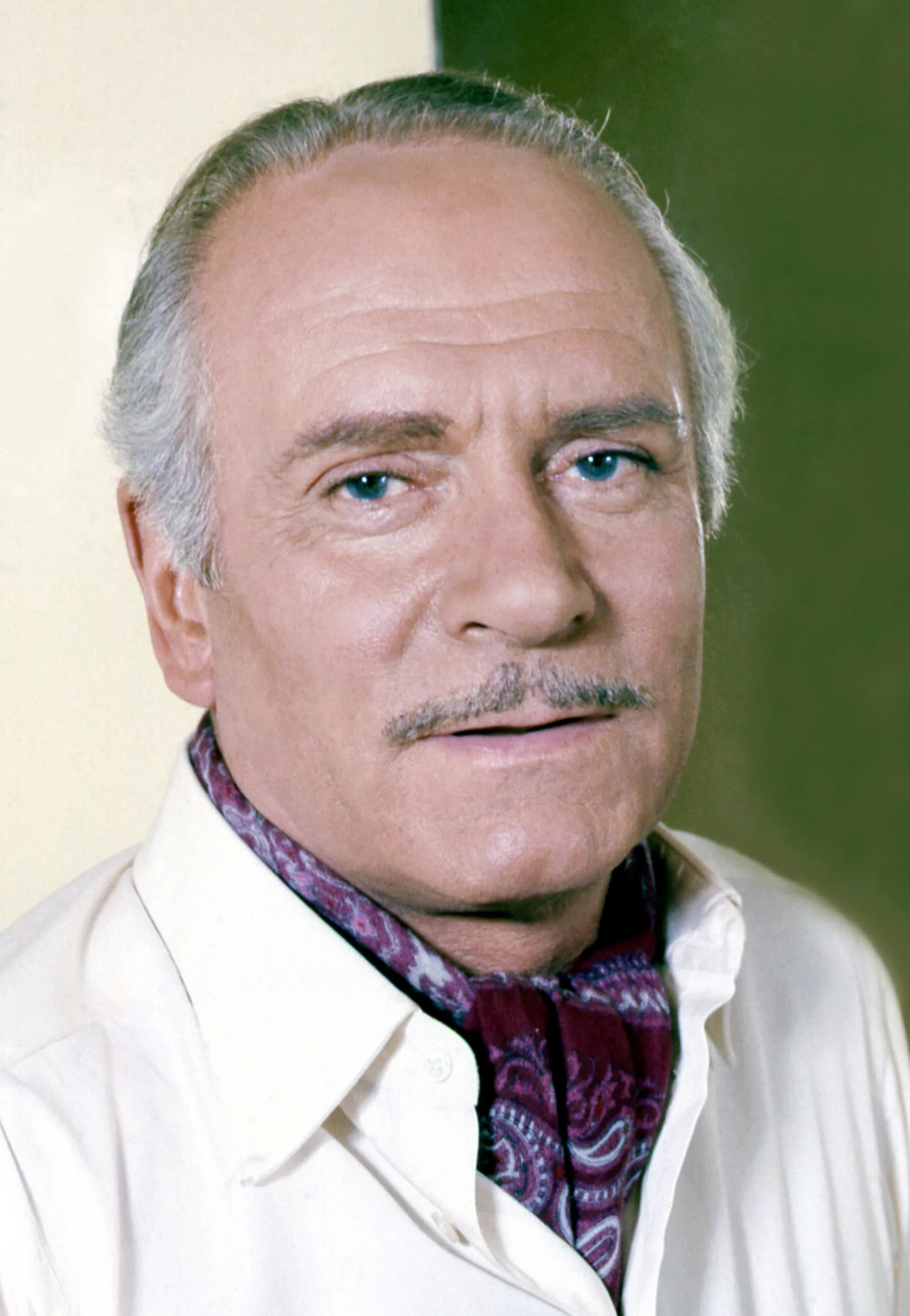
Laurence Olivier (May 22, 1907 – July 11, 1989) was an English actor and director from Dorking, United Kingdom. He dominated the British stage in the mid-20th century, also starring in over fifty cinema roles. His legacy cemented him as one of the greatest actors of his generation.
Kapitlu
Kapitli tal-ħajja
Kapitlu 1 · 1907· Kapitlu 1 minn 6
Early Life and Foundations
Laurence Olivier was born on May 22, 1907, in Dorking, United Kingdom, a town nestled in the picturesque county of Surrey, England. His early years in Dorking laid the groundwork for a future in the performing arts, even if his path was not immediately clear. The environment of his birth place in the United Kingdom would have provided a traditional English upbringing, contributing to the formation of his disciplined and expressive character.
Kapitlu 2· Kapitlu 2 minn 6
A Career Forged in Theatre and Film
Olivier's journey in the performing arts began in the theatre, where he quickly distinguished himself. He developed a reputation as a formidable stage actor, capable of portraying a wide range of complex characters with intensity and precision. His talent led him to become part of a select quartet of male actors, including John Gielgud, Michael Redgrave, and Ralph Richardson, who profoundly influenced the British stage of their era.
While dominating the theatre, Olivier also extended his talents to the nascent world of cinema. He seamlessly transitioned between the grandeur of the stage and the intimacy of film, an adaptability that marked his early career. This dual focus allowed him to explore different acting techniques and broaden his artistic reach, setting the stage for his lasting impact across both mediums.
Kapitlu 3· Kapitlu 3 minn 6
Dominance on Stage and Screen
Throughout the mid-20th century, Laurence Olivier's presence was synonymous with excellence in British acting. He was a dominant force, not only on the London stage but also in Hollywood and beyond. His ability to inhabit diverse characters, from classical heroes to complex villains, made him a sought-after talent for both theatrical and cinematic productions.
Olivier's career in films saw him perform in more than fifty cinema roles, showcasing his incredible range and enduring appeal. Whether in Shakespearean adaptations or contemporary dramas, he brought a distinctive intensity to each part. These performances earned him widespread recognition and admiration, solidifying his status as a leading actor of his generation.
Kapitlu 4 · 1989· Kapitlu 4 minn 6
Defining Roles and Creative Endeavors
Laurence Olivier's dedication to his craft extended beyond acting into directing and screenwriting. His filmography reflects a period of consistent activity, with significant appearances even late into his life. Films like 'War Requiem' (1989) showcased his continued commitment to performance even at the end of his life.
His involvement in various productions from the 1980s, such as 'The Making of a Legend: Gone with the Wind' (1988), 'Terror in the Aisles' (1987), 'Lost Empires' (1986), 'Dracula' (1986), 'Wild Geese II' (1986), and 'Peter the Great' (1986), illustrate his sustained presence in the public eye. Beyond his film appearances, Olivier also penned several works, including 'Self Portrait Olivier Hpb', 'Real Life of Laurence Olivier', and 'Bekenntnisse eines Schauspielers', offering insights into his artistic philosophy and experiences.
Kapitlu 5· Kapitlu 5 minn 6
Later Career and Continued Acclaim
In the later stages of his career, Laurence Olivier found considerable success in television roles. This shift allowed him to reach new audiences and explore different narrative formats, demonstrating his continued adaptability as an actor. His performances on television were met with critical acclaim, further broadening his artistic reach and reinforcing his legendary status.
His work during these years continued to reflect his dedication to character and storytelling. Even as he approached the end of his life, Olivier remained an active and influential figure in the entertainment world, leaving a final mark with projects completed shortly before his passing in West Sussex, United Kingdom.
Kapitlu 6 · 1989· Kapitlu 6 minn 6
Enduring Legacy
Laurence Olivier's death on July 11, 1989, in West Sussex, United Kingdom, marked the end of an era for the performing arts. However, his influence lives on, making him an enduring figure whose work continues to inspire actors and directors worldwide. He is remembered not only for his countless performances but also for his mastery of both classical and contemporary roles.
The standards he set for acting excellence, particularly on the British stage, continue to be a benchmark for aspiring artists. Olivier's legacy is that of a passionate artist who pushed the boundaries of performance, leaving behind a rich body of work that continues to resonate with audiences and critics alike, securing his place as one of the giants of his profession.
Ħajja f’mumenti
Il-mumenti li sawru ħajja
FAQ
Mistoqsija frekwenti
Meta miet/mietet Laurence Olivier?
Laurence Olivier miet/mietet fil-11 ta’ Lulju 1989 f{place}} other {}}{hasAge, select, yes {, fl-età ta 82 sena.
Fejn twieled/twieldet Laurence Olivier?
Laurence Olivier twieled/twieldet f{place}{hasDate, select, yes { fil-{date, date, long}} other {}}.
Għal xiex hu/hi l-aktar magħruf(a) Laurence Olivier?
Laurence Olivier hu/hi l-aktar magħruf(a) għal English actor and director.
Kemm kellu/kellha snin Laurence Olivier meta miet/mietet?
Laurence Olivier kellu/kellha 82 sena meta miet/mietet.
X'kienet in-nazzjonalità ta' Laurence Olivier?
Laurence Olivier kien/kienet minn United Kingdom.
Linja taż-żmien
Ħajja b’ħarsa
Gallerija tar-ritratti
Ħajja f’ritratti
Ikklikkja kwalunkwe polaroid biex tespandi · 44 ritratti
Kodiċi QR
Aqsam Din il-Bijografija
Stampa u Aqsam
Skennja biex iżżur din il-paġna bijografika. Stampah għal avvenimenti, esibizzjonijiet, jew materjal edukattiv.