Twieled
February 1, 1901
Joplin, United States
Miet
May 22, 1967
New York City, United States
Magħruf Għal
American writer and social activist
Langston Hughes (1901–1967) was United States best known for American writer and social activist.
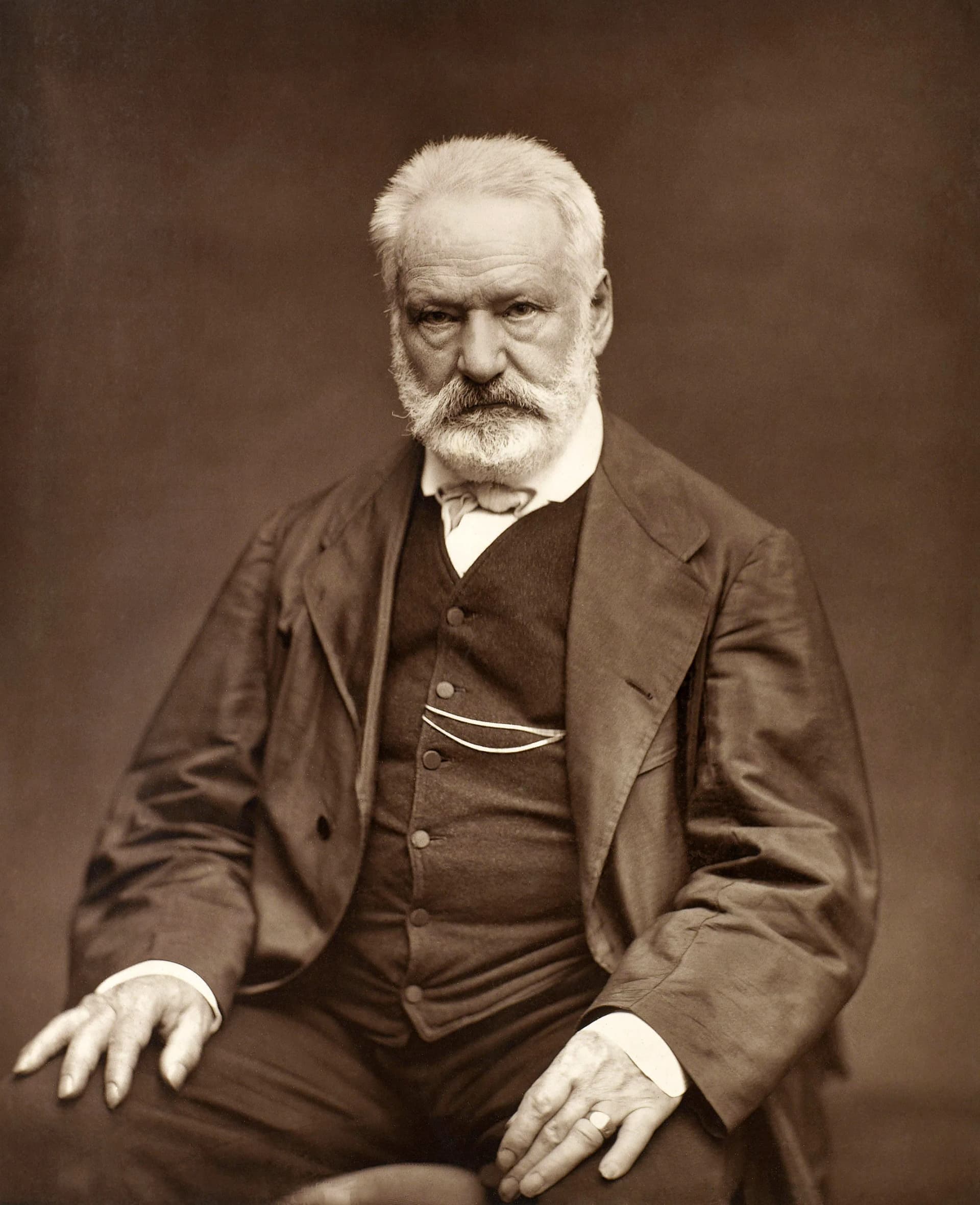
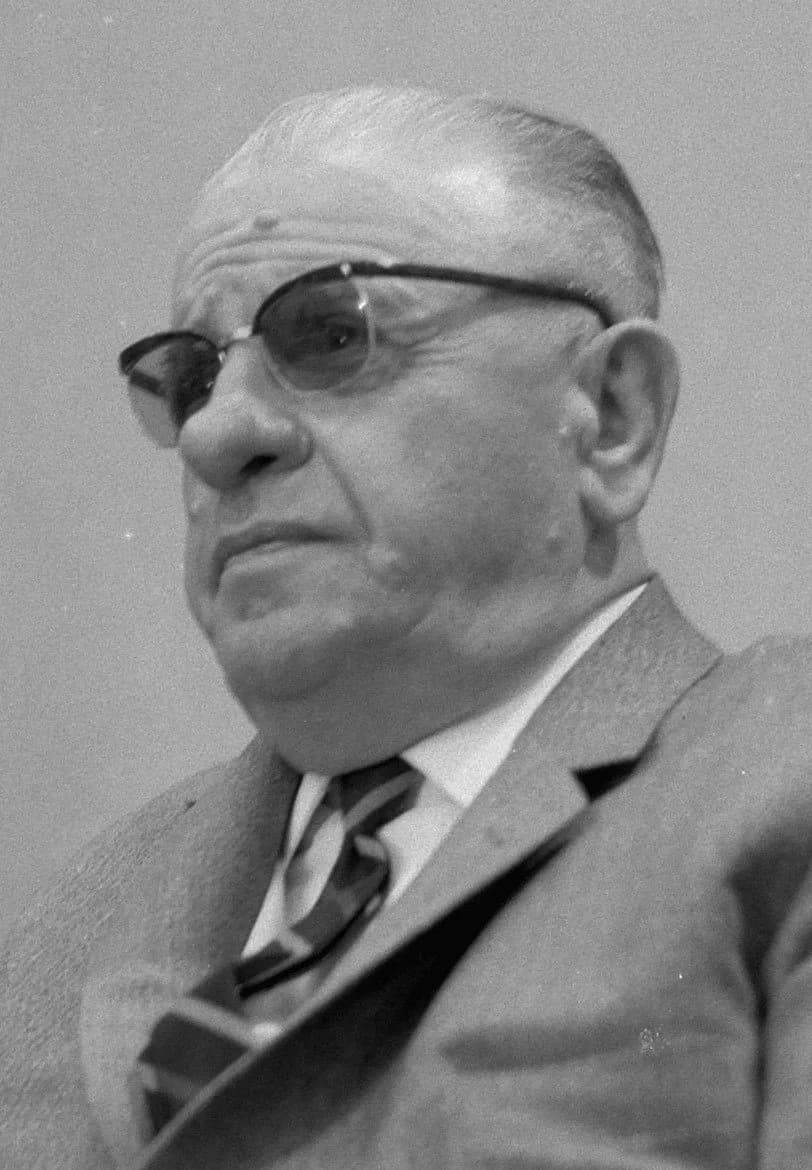
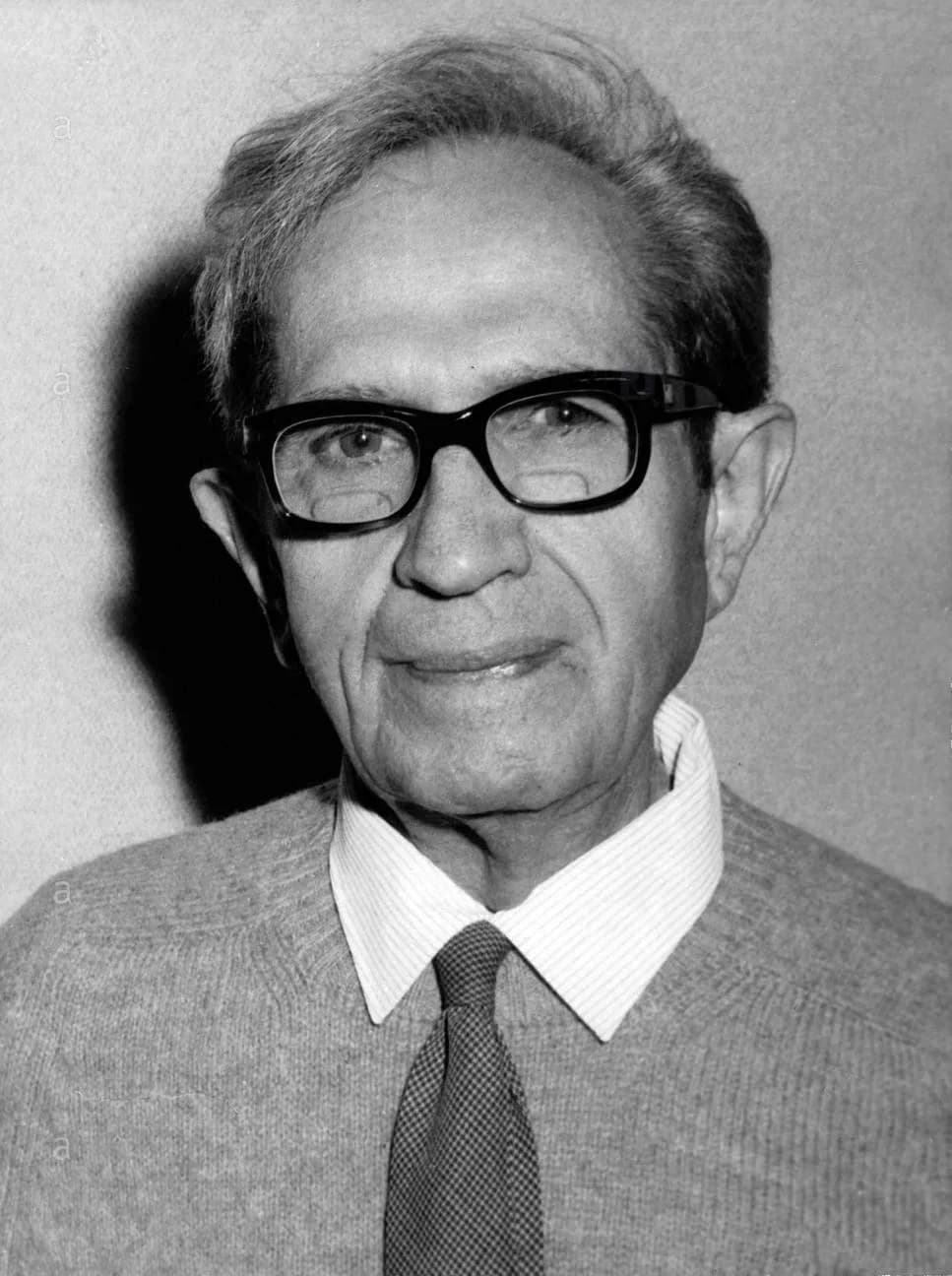
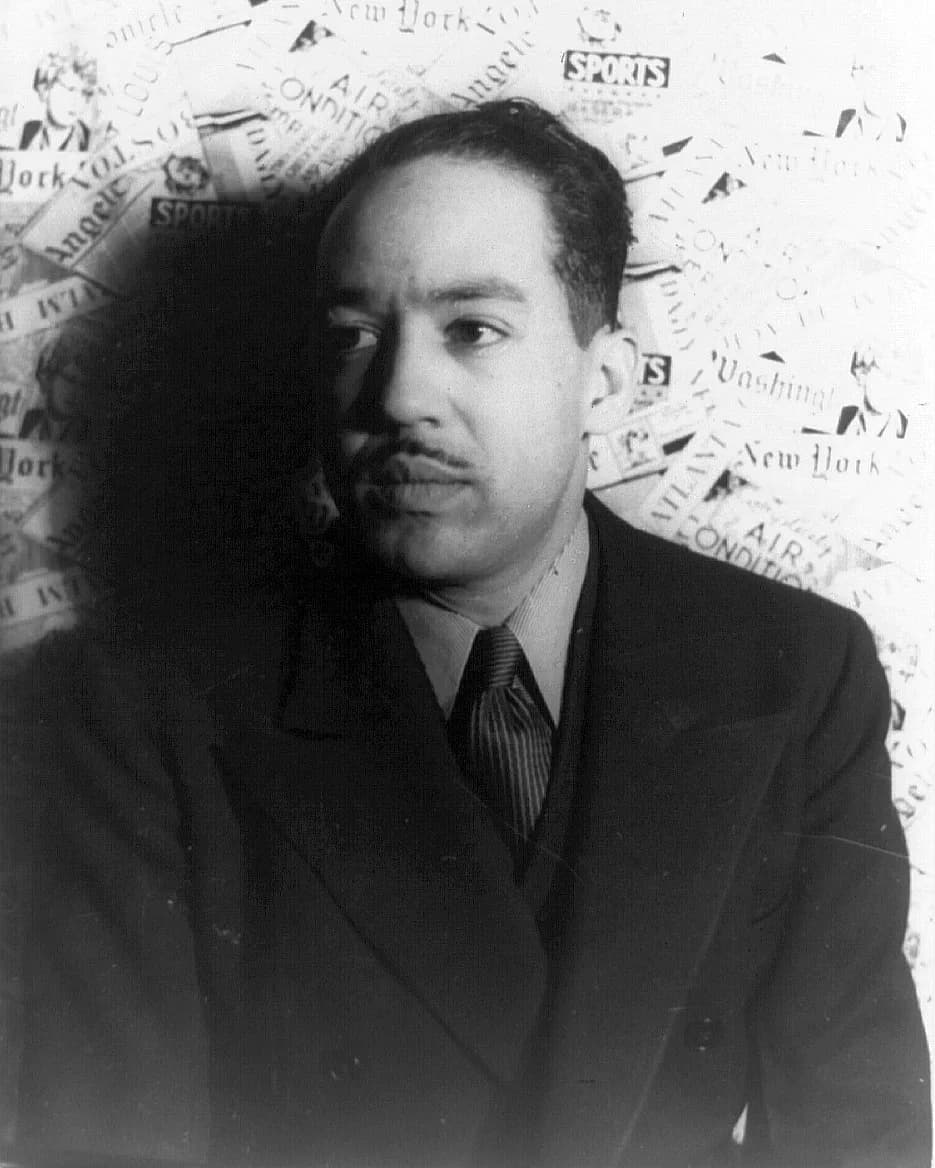
Langston Hughes (February 1, 1901 – May 22, 1967) was an American writer and social activist from Joplin, Missouri. He was a central leader of the Harlem Renaissance and an early innovator of jazz poetry. Hughes's work gave voice to African American experiences, leaving an enduring cultural influence.
Ħajja f’mumenti
Il-mumenti li sawru ħajja
![Langston Hughes - [Portrait of Langston Hughes, 3/4 profile]](/_next/image?url=https%3A%2F%2Fcdn.whowasthisguy.com%2Fgallery_wikimedia_commons_1784295810480_0_c743db3212.webp&w=1920&q=75)
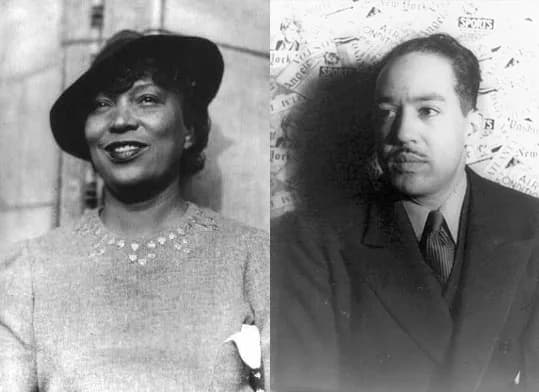
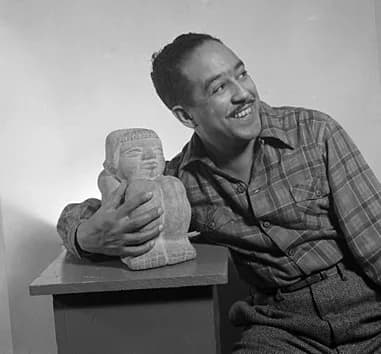
Kapitlu
Kapitli tal-ħajja
Kapitlu 1 · 1901· Kapitlu 1 minn 7
Early Life and Origins
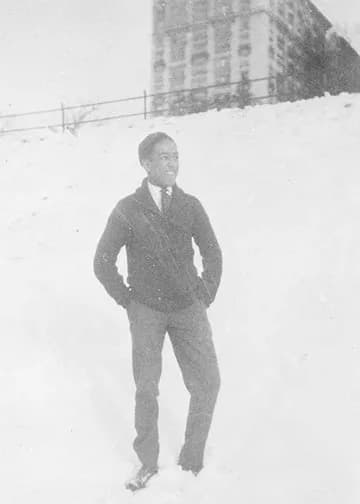
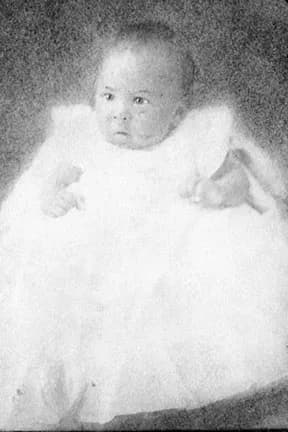
Langston Hughes was born on February 1, 1901, in Joplin, Missouri. His early life was marked by frequent moves and a challenging family environment. He spent much of his childhood in Lawrence, Kansas, where he was raised primarily by his grandmother, Mary Patterson Langston. His upbringing exposed him to stories of African American struggle and resilience, shaping his artistic perspective from a young age.
Kapitlu 2· Kapitlu 2 minn 7
Career Beginnings
Hughes began writing poetry in high school, discovering his passion for verse. After attending Columbia University briefly, he worked various jobs, including as a seaman and a laundromat assistant. It was during these early years that he started publishing his poetry, capturing the rhythms of Black life and culture. His early work quickly gained recognition for its innovative style and powerful themes, laying the groundwork for his future contributions.
Kapitlu 3· Kapitlu 3 minn 7
Major Achievements and Career Highlights
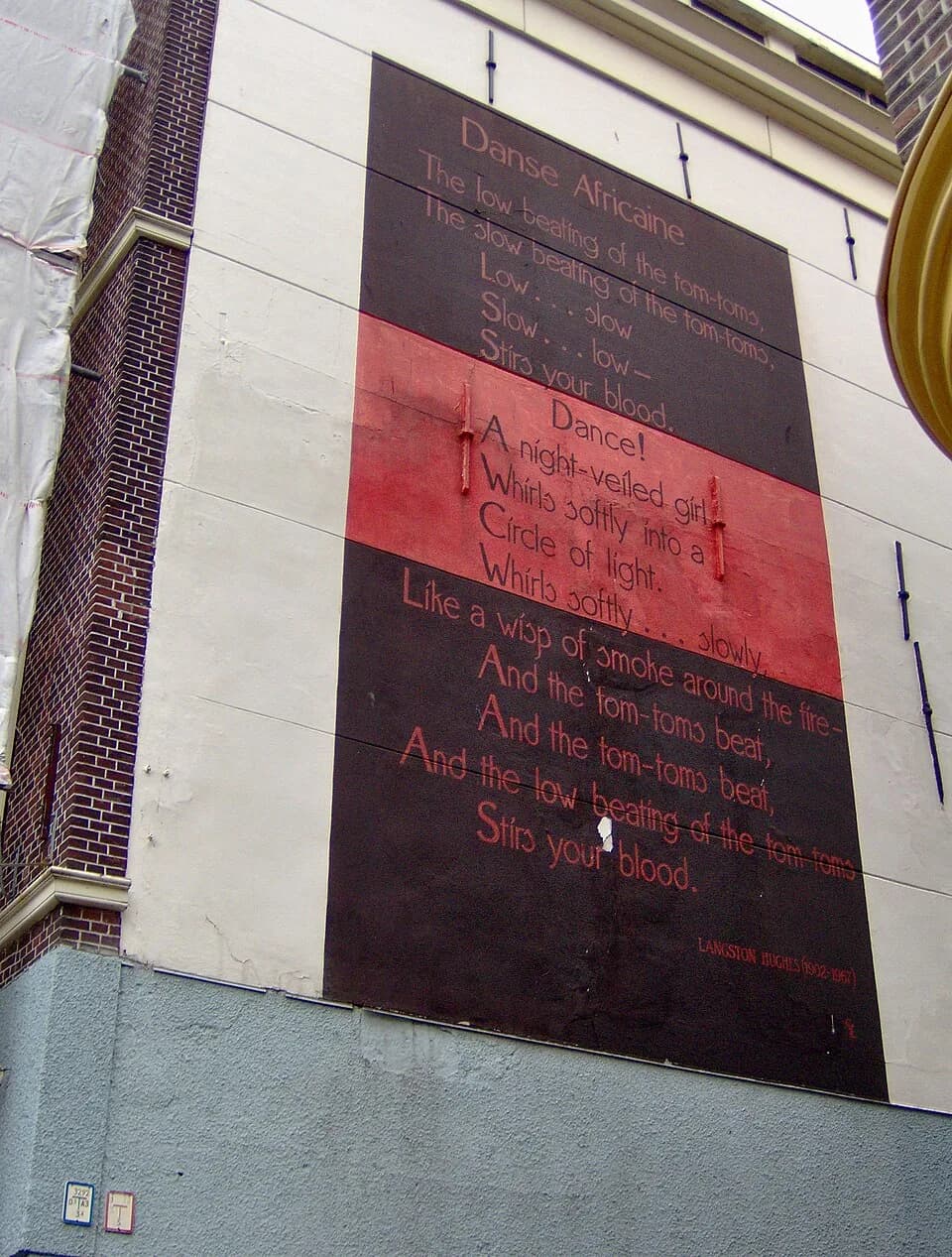
Langston Hughes emerged as an early innovator of jazz poetry, blending the improvisational nature of jazz and blues with poetic form. He is best known as a leader of the Harlem Renaissance, a flowering of African American intellectual and artistic life in the 1920s and 1930s. Through his writing, he articulated the beauty and dignity of Black people, while also critiquing racial injustice. His prolific career encompassed numerous forms, making him one of the most versatile American writers of his time.
Kapitlu 4· Kapitlu 4 minn 7
Personal Life
While the provided information does not detail specific personal relationships or family life beyond his birth and early upbringing, Hughes's life was dedicated to his craft and activism. His experiences and observations of African American life deeply informed his work, reflecting a broad community interest. He traveled widely, drawing inspiration from diverse cultures and social movements. His public persona was synonymous with his commitment to social justice and artistic expression.
Kapitlu 5 · 1746· Kapitlu 5 minn 7
Notable Works or Contributions
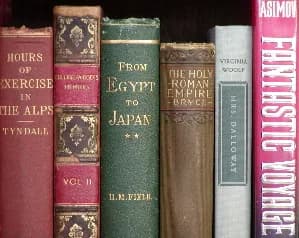
Hughes's extensive bibliography includes a wide array of influential works across many genres. His poetry collections include groundbreaking pieces that pioneered the jazz poetry form. He edited significant anthologies such as "The poetry of the Negro, 1746-1970," showcasing the breadth of Black literary tradition. His autobiography, "The big sea," offers a personal account of his journey through the Harlem Renaissance and beyond. He also contributed to various Prentice Hall Literature series like "Prentice Hall Literature--Timeless Voices, Timeless Themes--Platinum," solidifying his presence in American educational curricula.
Kapitlu 6· Kapitlu 6 minn 7
Later Years
Hughes continued his active writing career throughout his later years, remaining a significant cultural voice until his passing. He explored new forms and topics, including children's literature and librettos, demonstrating his sustained creativity. His later work maintained its focus on themes of racial identity, equality, and the celebration of Black culture. He continued to be a journalist and opinion journalist, commenting on contemporary issues.
Kapitlu 7 · 1967· Kapitlu 7 minn 7
Legacy and Impact
Langston Hughes passed away on May 22, 1967, in New York City, United States, leaving behind a lasting legacy. His pioneering work in jazz poetry and his role as a leading figure of the Harlem Renaissance fundamentally shaped American literature. He provided a vital platform for African American voices and experiences, influencing countless writers, artists, and activists. His writings continue to be studied and celebrated for their artistic merit and their enduring message of hope, resilience, and human dignity.
FAQ
Mistoqsija frekwenti
Meta miet/mietet Langston Hughes?
Langston Hughes miet/mietet fil-22 ta’ Mejju 1967 f{place}} other {}}{hasAge, select, yes {, fl-età ta 66 sena.
Fejn twieled/twieldet Langston Hughes?
Langston Hughes twieled/twieldet f{place}{hasDate, select, yes { fil-{date, date, long}} other {}}.
Għal xiex hu/hi l-aktar magħruf(a) Langston Hughes?
Langston Hughes hu/hi l-aktar magħruf(a) għal American writer and social activist.
Kemm kellu/kellha snin Langston Hughes meta miet/mietet?
Langston Hughes kellu/kellha 66 sena meta miet/mietet.
X'kienet in-nazzjonalità ta' Langston Hughes?
Langston Hughes kien/kienet minn United States.
Linja taż-żmien
Ħajja b’ħarsa
Gallerija tar-ritratti
Ħajja f’ritratti
Ikklikkja kwalunkwe polaroid biex tespandi · 24 ritratti
Kodiċi QR
Aqsam Din il-Bijografija
Stampa u Aqsam
Skennja biex iżżur din il-paġna bijografika. Stampah għal avvenimenti, esibizzjonijiet, jew materjal edukattiv.