Twieled
August 8, 1748
Tübingen, Germany
Miet
November 1, 1804
Göttingen, Germany
Magħruf Għal
German naturalist
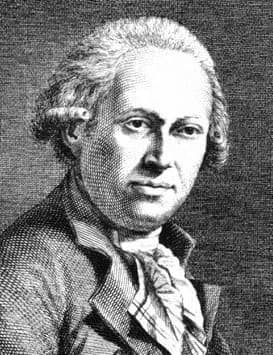
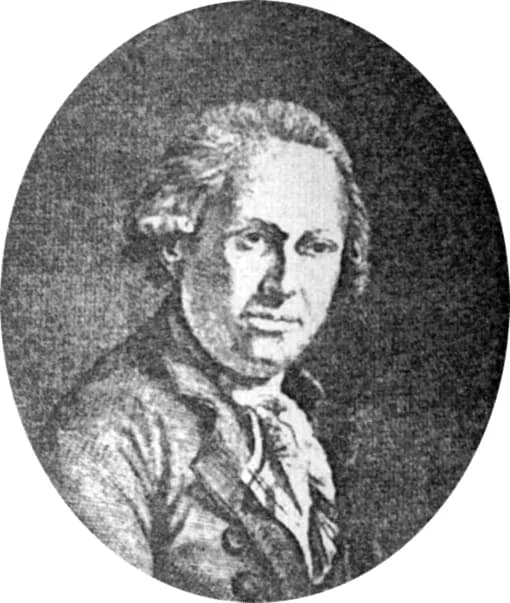
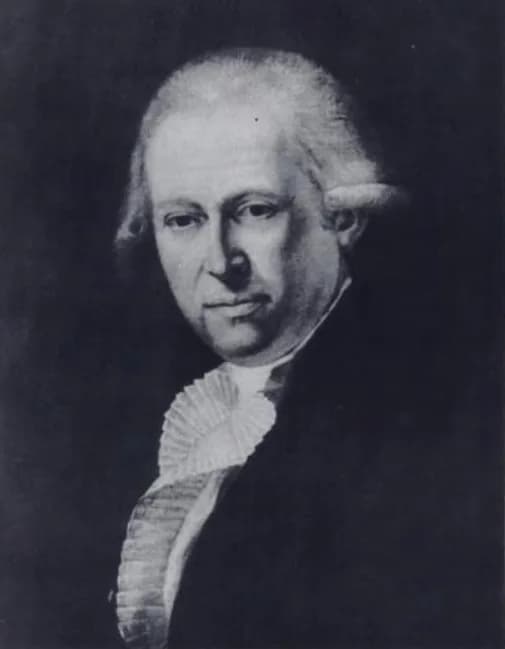
Johann Friedrich Gmelin (1748–1804) was Germany best known for German naturalist.
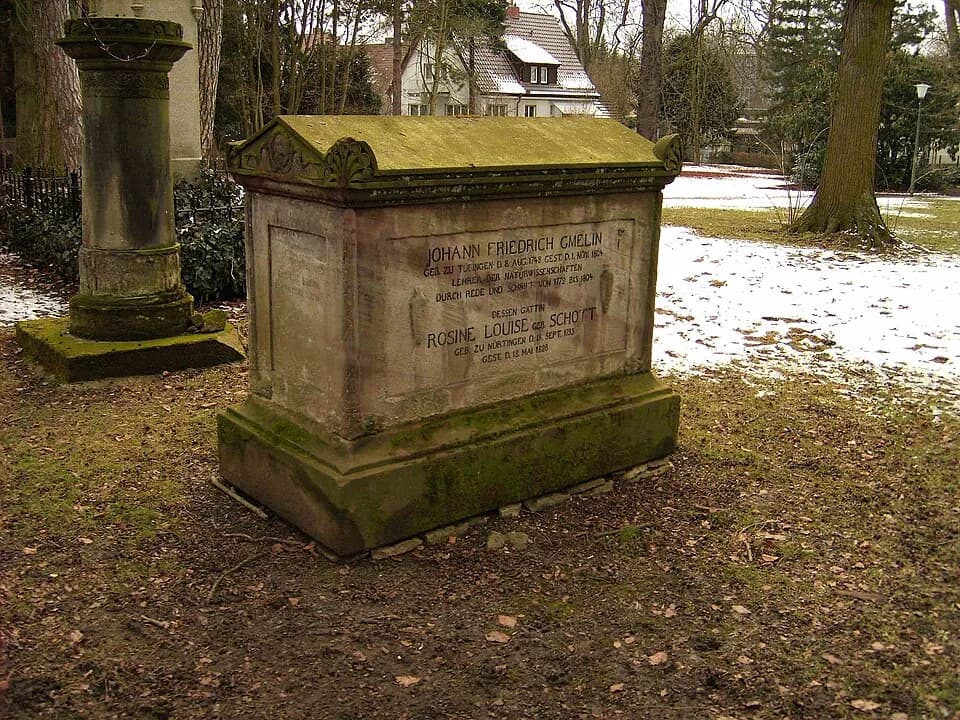
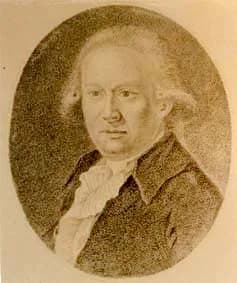
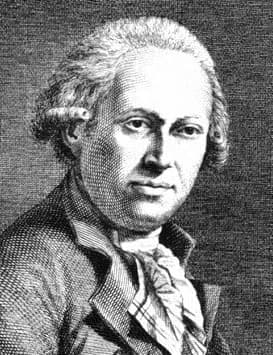
Johann Friedrich Gmelin (August 8, 1748 – November 1, 1804) was a German naturalist and physician from Tübingen. He made extensive contributions across zoology, botany, and chemistry, and notably revised Linnaeus's Systema Naturae. His extensive work influenced the understanding and classification of the natural world for generations.
Ħajja f’mumenti
Il-mumenti li sawru ħajja
Kapitlu
Kapitli tal-ħajja
Kapitlu 1 · 1748· Kapitlu 1 minn 6
Early Life and Origins
Johann Friedrich Gmelin was born on August 8, 1748, in the city of Tübingen, located in Germany. His upbringing likely fostered an early curiosity for the natural sciences, setting the stage for his remarkable academic career. This formative period in Tübingen provided the initial environment for his intellectual growth and diverse scientific interests.
Kapitlu 2· Kapitlu 2 minn 6
Career Beginnings
Gmelin embarked on his professional journey first as a physician, a field that offered a direct engagement with the complexities of living organisms. His medical background provided a robust scientific foundation, enabling him to approach biological and chemical questions with clinical precision. This initial practice laid the groundwork for his eventual broad and deep contributions across many scientific disciplines.
Kapitlu 3· Kapitlu 3 minn 6
Major Achievements and Career Highlights
As a prominent university teacher, Johann Friedrich Gmelin shared his extensive knowledge with countless students, shaping future generations of scientists. His versatile intellect allowed him to excel simultaneously as a zoologist, chemist, and botanist. These wide-ranging roles highlight his capacity to master and advance multiple scientific fields during his active career.
His work extended to the detailed study of specific groups, where he was recognized as an ornithologist, entomologist, and mycologist. Gmelin's contributions as a mineralogist, bryologist, and pteridologist further demonstrate the vastness of his scientific investigations. He consistently pursued knowledge across the entire spectrum of natural history, establishing himself as a truly polymathic figure.
Kapitlu 4· Kapitlu 4 minn 6
Notable Works or Contributions
A central pillar of Gmelin's legacy is his significant revision and expansion of Carl Linnaeus’s foundational work, Systema Naturae. This crucial undertaking involved updating and adding numerous species and classifications, making it an indispensable resource for naturalists across Europe. His efforts provided a more current and complete understanding of the biological world at the time.
Beyond this monumental task, Gmelin made specific, valuable contributions as a herpetologist and malacologist, meticulously cataloging and describing reptiles, amphibians, and mollusks. His detailed observations and classifications helped to organize and advance these specialized fields. Through his systematic approach, he helped to bring order to the burgeoning knowledge of biodiversity.
Kapitlu 5 · 1804· Kapitlu 5 minn 6
Later Years
In his later career, Johann Friedrich Gmelin continued his dedicated work as a university teacher and an active researcher in Göttingen, Germany. He maintained his roles as a significant contributor to chemistry and various biological fields until his final days. Johann Friedrich Gmelin passed away on November 1, 1804, in Göttingen, concluding a life rich with scientific endeavor and instruction.
Kapitlu 6· Kapitlu 6 minn 6
Legacy and Impact
The enduring legacy of Johann Friedrich Gmelin is reflected in his systematic contributions to zoology, botany, and chemistry, which profoundly influenced natural science. His meticulous documentation and classification efforts provided a solid framework for understanding the natural world in the late 18th and early 19th centuries. Subsequent generations of naturalists built upon his detailed descriptions and complete publications, which served as essential references.
As a highly respected university teacher, his impact extended beyond his written works, as he directly mentored and educated numerous aspiring scientists. Gmelin's broad scientific curiosity and his commitment to detailed observation established a standard for scientific inquiry. His work remains a foundational element in the history of natural history, demonstrating a lifelong commitment to discovery and education.
FAQ
Mistoqsija frekwenti
Meta miet/mietet Johann Friedrich Gmelin?
Johann Friedrich Gmelin miet/mietet fil-1 ta’ Novembru 1804 f{place}} other {}}{hasAge, select, yes {, fl-età ta 56 sena.
Fejn twieled/twieldet Johann Friedrich Gmelin?
Johann Friedrich Gmelin twieled/twieldet f{place}{hasDate, select, yes { fil-{date, date, long}} other {}}.
Għal xiex hu/hi l-aktar magħruf(a) Johann Friedrich Gmelin?
Johann Friedrich Gmelin hu/hi l-aktar magħruf(a) għal German naturalist.
Kemm kellu/kellha snin Johann Friedrich Gmelin meta miet/mietet?
Johann Friedrich Gmelin kellu/kellha 56 sena meta miet/mietet.
X'kienet in-nazzjonalità ta' Johann Friedrich Gmelin?
Johann Friedrich Gmelin kien/kienet minn Germany.
Linja taż-żmien
Ħajja b’ħarsa
Gallerija tar-ritratti
Ħajja f’ritratti
Ikklikkja kwalunkwe polaroid biex tespandi · 23 ritratti
Kodiċi QR
Aqsam Din il-Bijografija
Stampa u Aqsam
Skennja biex iżżur din il-paġna bijografika. Stampah għal avvenimenti, esibizzjonijiet, jew materjal edukattiv.