Twieled
April 20, 1893
Barcelona, Spain
Miet
December 25, 1983
Palma, Spain
Magħruf Għal
Spanish painter, sculptor, and ceramicist
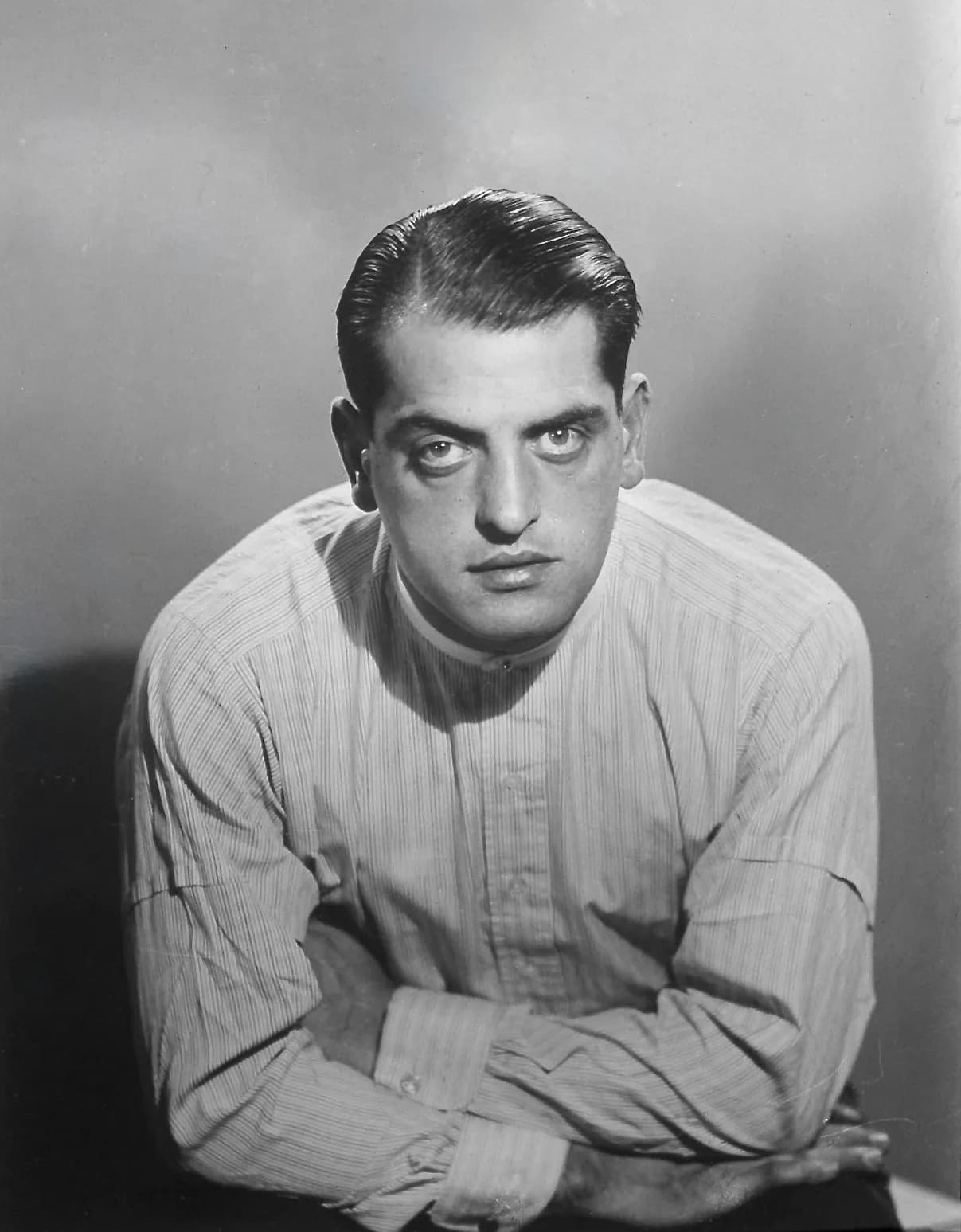
Joan Miró (1893–1983) was Spain best known for Spanish painter, sculptor, and ceramicist.
Joan Miró (April 20, 1893 – December 25, 1983) was a Spanish painter, sculptor, and ceramicist. Earning international acclaim, his unique style blended Surrealism with Fauvism and Expressionism, often exploring the unconscious mind. His work, reflecting Catalan pride, left an enduring mark on modern art.
Ħajja f’mumenti
Il-mumenti li sawru ħajja
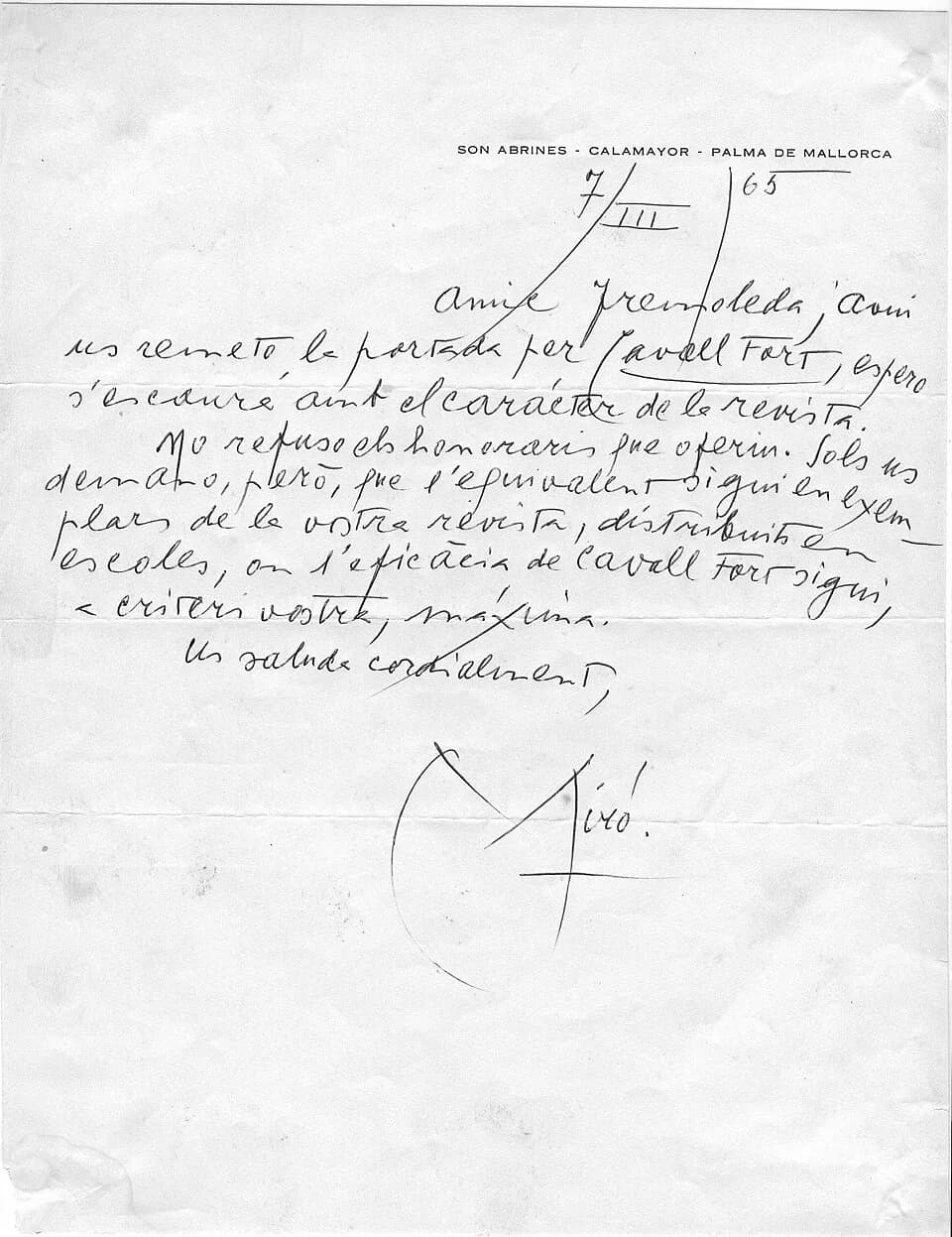
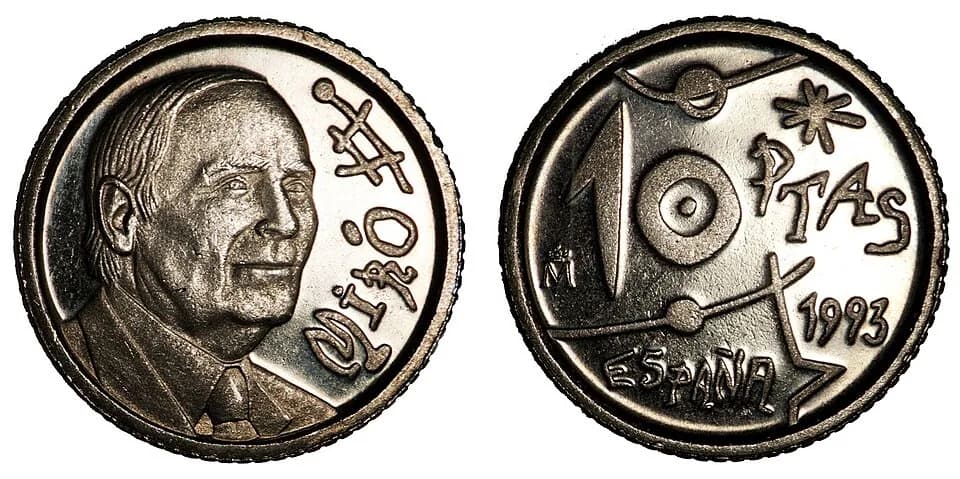
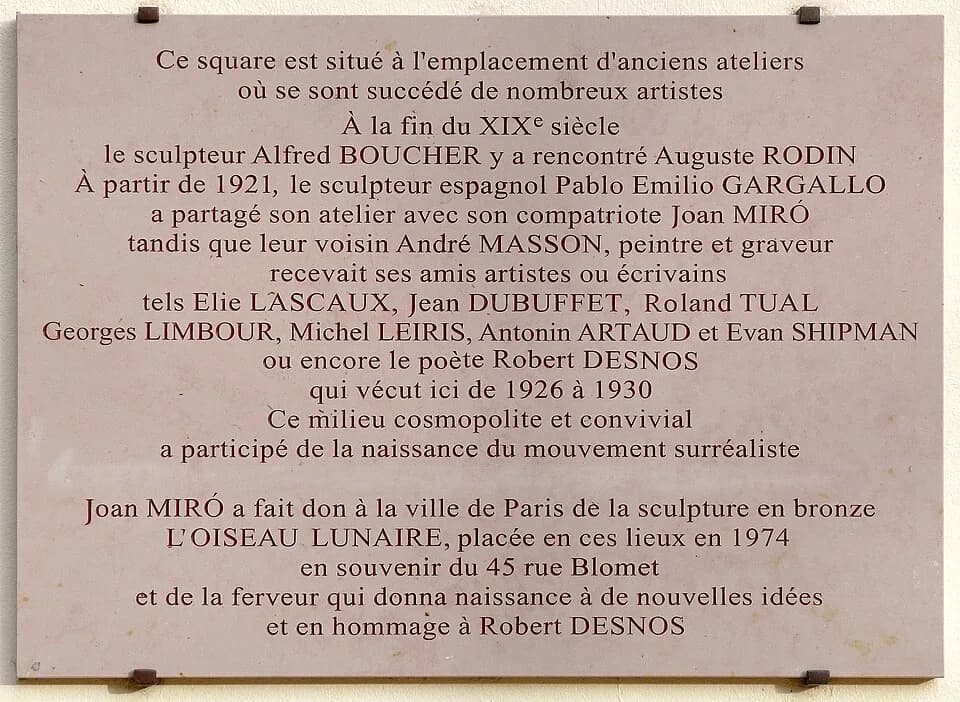
Kapitlu
Kapitli tal-ħajja
Kapitlu 1 · 1893· Kapitlu 1 minn 8
A Life Dedicated to Art: Joan Miró
Joan Miró i Ferrà, born on April 20, 1893, and passing on December 25, 1983, was a renowned Spanish painter, sculptor, and ceramicist whose groundbreaking work redefined visual art in the 20th century. His extensive career saw him embrace roles as an engraver, illustrator, graphic artist, designer, and even a postage stamp and theatre designer, reflecting his expansive creative spirit. Miró's unique artistic vision, characterized by a deeply personal style, garnered international acclaim and left an enduring mark on the global art scene for decades.
Kapitlu 2· Kapitlu 2 minn 8
Early Life and Origins
Born in the vibrant city of Barcelona, Spain, Joan Miró's early life was deeply rooted in his Catalan heritage. This strong connection to Catalonia would later manifest as a significant element of pride in his artistic expressions. His formative years in Barcelona provided the initial backdrop for an artistic journey that would take him to the forefront of modern art.
Kapitlu 3· Kapitlu 3 minn 8
Career Beginnings and Evolving Style
Miró embarked on his artistic career with a spirit of exploration, developing a style that, while often interpreted as Surrealism, always maintained its distinct personal signature. His work sometimes veered into the energetic brushstrokes of Fauvism and the emotional depth of Expressionism, demonstrating his willingness to draw from various avant-garde movements. From an early stage, Miró developed an acute interest in the unconscious and subconscious mind, themes he would consistently re-create in his art, often through a lens reminiscent of childlike wonder and innocence.
Kapitlu 4· Kapitlu 4 minn 8
Major Achievements and Career Highlights
Throughout his celebrated career, Joan Miró earned widespread international acclaim for his distinctive and difficult-to-classify artistic creations. His unique visual language was not merely an aesthetic choice; it was also a manifestation of his deep Catalan pride. Miró famously expressed contempt for conventional painting methods from the 1930s onwards, viewing them as complicit in supporting bourgeois society. He declared an "assassination of painting," advocating for a revolutionary approach that would upset the established visual elements of art and challenge traditional artistic norms.
His significant contributions to the art world were recognized with the establishment of two dedicated museums. The Fundació Joan Miró was inaugurated in his native city of Barcelona in 1975, serving as a permanent home for a substantial collection of his work and a center for contemporary art research. Later, in 1981, the Fundació Pilar i Joan Miró was established in Palma, Mallorca, which became his adoptive city, further solidifying his legacy and ensuring access to his extraordinary artistic output for future generations.
Kapitlu 5· Kapitlu 5 minn 8
Personal Life and Connections
While details of his personal life are not extensively documented in the provided information, Joan Miró's deep connection to Spain, particularly his birthplace of Barcelona and his adoptive city of Palma, is evident. His art often reflected his internal world and cultural roots. The establishment of the Fundació Pilar i Joan Miró in Palma speaks to his significant ties to the city where he spent many of his later years.
Kapitlu 6 · 1919· Kapitlu 6 minn 8
Notable Works and Artistic Contributions
Joan Miró's vast body of work includes numerous iconic pieces that exemplify his groundbreaking style. Among his notable paintings is Vines and Olive Trees, Tarragona from 1919, housed at the Met Museum, which offers a glimpse into his early artistic explorations. His 1925 work, The Policeman, located at the Art Institute of Chicago (AIC), showcases his emerging surrealist tendencies and narrative power.
The year 1928 saw the creation of several significant works, including Dutch Interior (III) and Potato, both held at the Met Museum, which demonstrate his unique perspective on domestic scenes and everyday objects. Painting (The Circus Horse) from 1927, at the AIC, illustrates his vibrant imagination and dynamic compositions. Further exemplifying his move towards a more abstract, symbolic language are works such as The Kerosene Lamp (1924, AIC) and Painting (Figures with Stars) (1933, AIC), where figures and celestial elements intertwine with unique symbolism.
Miró's interest in the human form, often rendered with his characteristic distorted yet expressive style, can be seen in pieces like Woman (1949, Met Museum) and Woman (October 1934) (AIC). His work also included profound pieces like The Two Philosophers, created between February 4–12, 1936, at the AIC, which reflects his engagement with deeper concepts. Later works like Moonbird (1946, Met Museum) further highlight his sculptural sensibilities and exploration of fantastical forms. The 1941 piece Ciphers and Constellations in Love with a Woman (AIC) captures his fascination with cosmic themes and intricate visual narratives. Even in his later years, Miró continued to create compelling art, as seen in 42, Rue Blomet (1977, AIC), showcasing his enduring creativity and dedication to his unique artistic vision.
Kapitlu 7 · 1981· Kapitlu 7 minn 8
Later Years
Joan Miró spent his final years in Palma, Spain, a city that became profoundly important to him and his legacy. It was here that the Fundació Pilar i Joan Miró was established in 1981, a testament to his lasting commitment to art and his connection to the island of Mallorca. Miró passed away in Palma on December 25, 1983, leaving behind an unparalleled body of work that continues to inspire and challenge.
Kapitlu 8· Kapitlu 8 minn 8
Legacy and Impact
Joan Miró’s legacy is defined by his revolutionary spirit and his unwavering commitment to pushing the boundaries of art. His unique blend of Surrealism, Fauvism, and Expressionism, imbued with a deeply personal symbolism and Catalan pride, opened new avenues for artistic expression. He challenged the very definition of painting, aiming to upset conventional visual elements and reject bourgeois artistic norms, thereby fostering a visual language that was both deeply personal and universally resonant.
Through his imaginative use of color, line, and form, Miró encouraged viewers to explore the subconscious mind and rediscover a childlike sense of wonder. His influence continues to be felt in contemporary art, inspiring countless artists to embrace individuality and challenge established conventions. The two foundations dedicated to his work in Barcelona and Palma ensure that his artistic vision remains accessible and continues to educate and inspire generations, cementing Joan Miró's place as a towering figure in the history of modern art.
FAQ
Mistoqsija frekwenti
Meta miet/mietet Joan Miró?
Joan Miró miet/mietet fil-25 ta’ Diċembru 1983 f{place}} other {}}{hasAge, select, yes {, fl-età ta 90 sena.
Fejn twieled/twieldet Joan Miró?
Joan Miró twieled/twieldet f{place}{hasDate, select, yes { fil-{date, date, long}} other {}}.
Għal xiex hu/hi l-aktar magħruf(a) Joan Miró?
Joan Miró hu/hi l-aktar magħruf(a) għal Spanish painter, sculptor, and ceramicist.
Kemm kellu/kellha snin Joan Miró meta miet/mietet?
Joan Miró kellu/kellha 90 sena meta miet/mietet.
X'kienet in-nazzjonalità ta' Joan Miró?
Joan Miró kien/kienet minn Spain.
Linja taż-żmien
Ħajja b’ħarsa
Gallerija tar-ritratti
Ħajja f’ritratti
Ikklikkja kwalunkwe polaroid biex tespandi · 48 ritratti
Kodiċi QR
Aqsam Din il-Bijografija
Stampa u Aqsam
Skennja biex iżżur din il-paġna bijografika. Stampah għal avvenimenti, esibizzjonijiet, jew materjal edukattiv.