Twieled
June 8, 1916
Northampton, United Kingdom
Miet
July 28, 2004
La Jolla, United States
Magħruf Għal
British molecular biologist, biophysicist, neuroscientist; co-discoverer of the structure of DNA
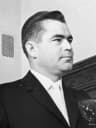
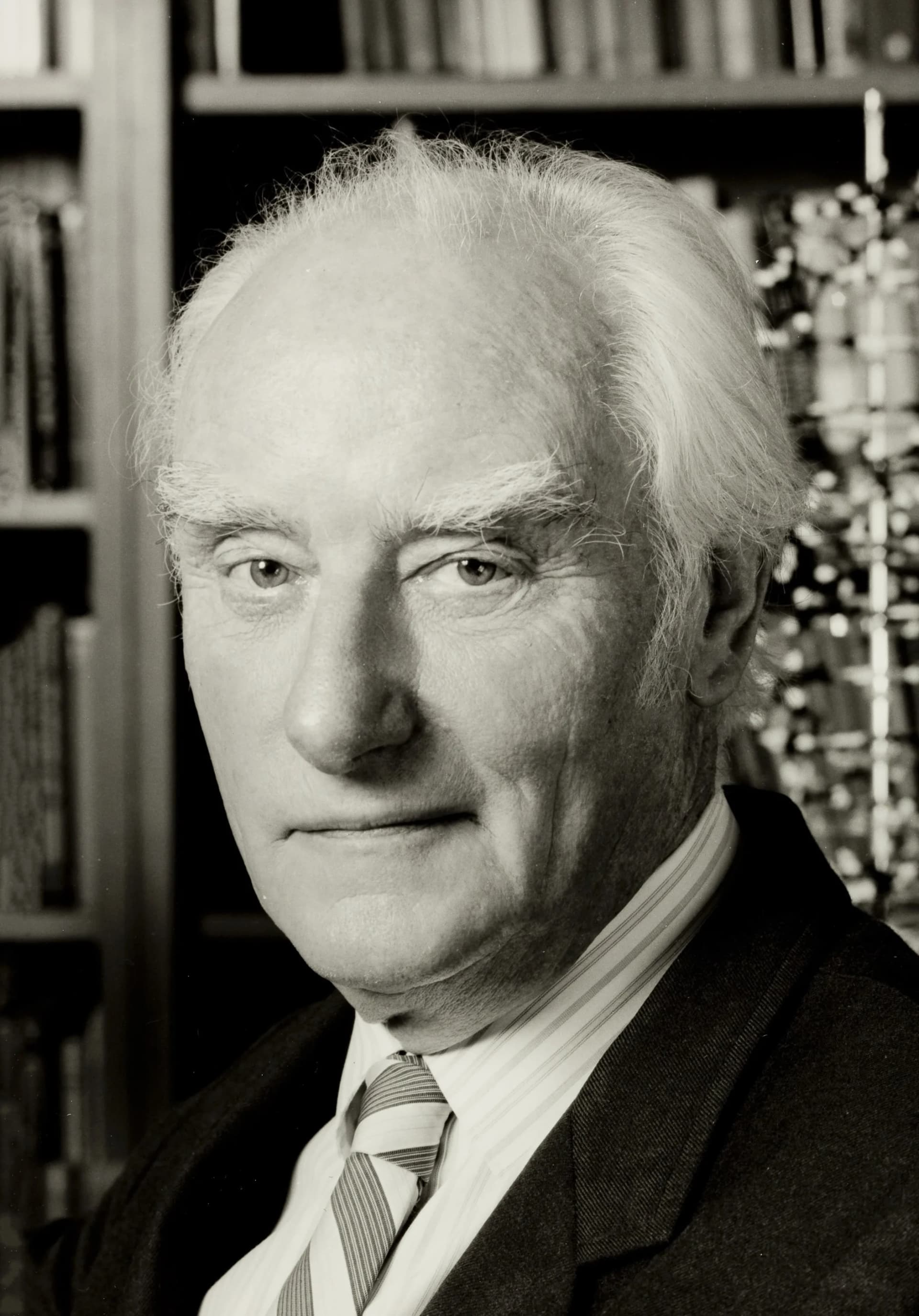
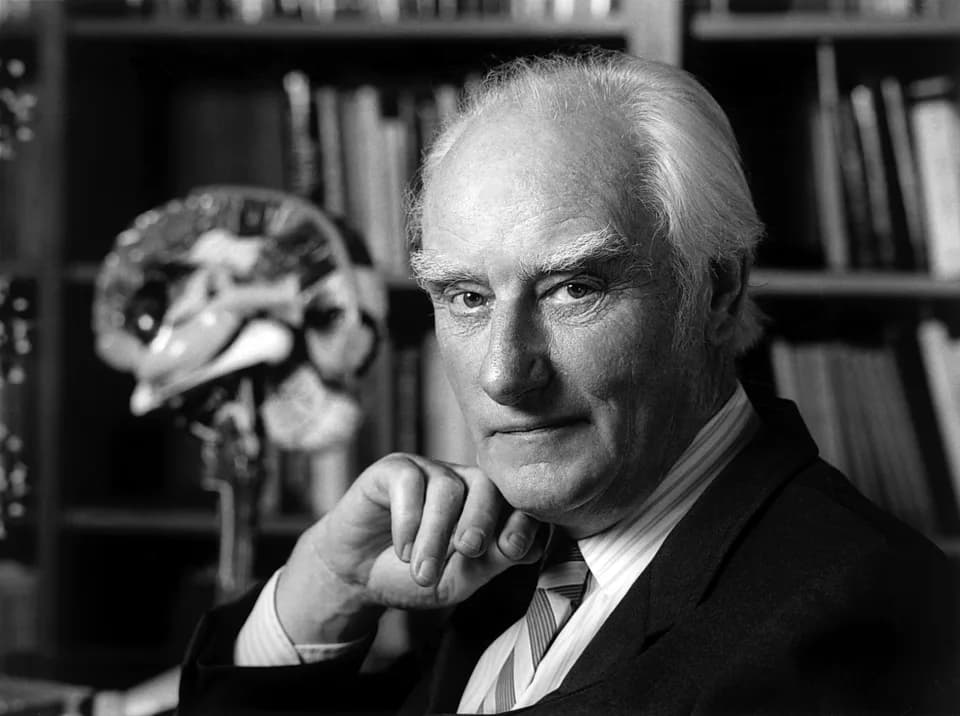
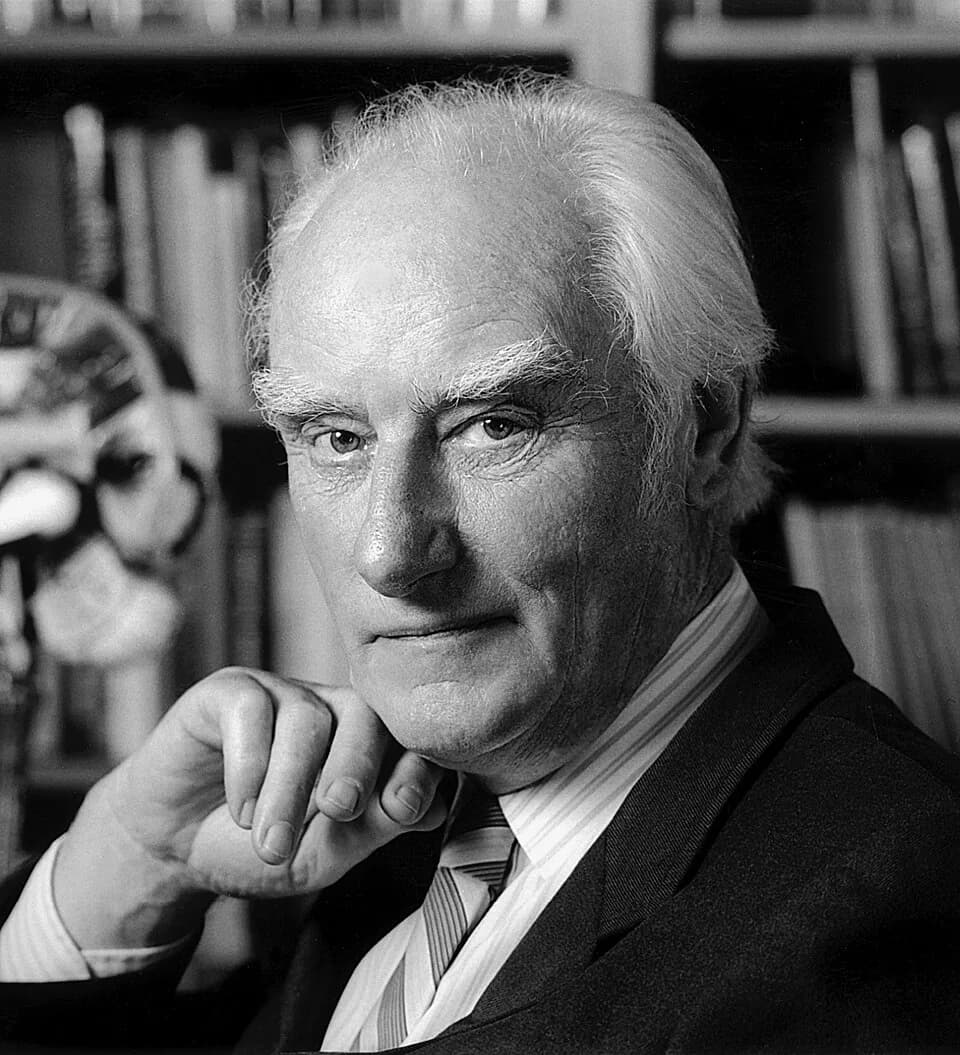
Francis Crick (1916–2004) was United Kingdom best known for British molecular biologist, biophysicist, neuroscientist; co-discoverer of the structure of DNA.
Francis Harry Compton Crick (June 8, 1916 – July 28, 2004) was a British molecular biologist, biophysicist, and neuroscientist. He is celebrated for co-discovering the helical structure of the DNA molecule, a breakthrough that profoundly shaped modern biology. His work earned him a Nobel Prize and laid the foundation for understanding genetic information transfer.
Kapitlu
Kapitli tal-ħajja
Kapitlu 1 · 1916· Kapitlu 1 minn 6
Early Life and Origins
Francis Crick’s scientific journey began in Northampton, United Kingdom, where he was born on June 8, 1916. His formative years instilled in him a foundational interest in scientific inquiry, which would guide his entire career. He initially pursued studies in physics, a discipline that provided him with a rigorous analytical framework and a deep appreciation for fundamental principles. This early academic background in a quantitative science proved crucial, shaping his approach to the complex biological questions he would later confront.
His intellectual curiosity eventually led him beyond the confines of pure physics, drawing him into the nascent fields of biochemistry and molecular biology. This transition was characteristic of a mind keen to explore the most fundamental aspects of existence, moving from the physical laws of the universe to the biological rules governing life. Such an interdisciplinary approach allowed him to bridge gaps between different scientific specializations, an attribute that would become a hallmark of his most significant work.
Kapitlu 2· Kapitlu 2 minn 6
Career Beginnings
Before his groundbreaking work in molecular biology, Francis Crick’s professional trajectory was diverse, encompassing roles as a writer, physicist, and university teacher. His early career as a physicist provided him with a unique lens through which to view biological problems, emphasizing structure and interaction at a molecular level. This rigorous scientific training equipped him with the conceptual tools necessary to tackle some of biology's most challenging puzzles.
As he moved into biochemistry and genetics, Crick became part of a vibrant scientific community increasingly focused on understanding the molecular basis of heredity. This period marked a crucial shift in his professional life, as he began to apply his biophysical expertise to the intricate world of living organisms. His engagement with these emerging disciplines positioned him at the forefront of a scientific revolution, ready to make contributions of monumental importance.
Kapitlu 3· Kapitlu 3 minn 6
Major Achievements and Career Highlights
The pinnacle of Francis Crick’s career was undoubtedly his role in deciphering the helical structure of the DNA molecule, a discovery that reshaped biological science forever. Working alongside James Watson, and drawing crucially on the crystallographic data generated by Rosalind Franklin and Maurice Wilkins, he contributed to building the accurate double helix model. This collaborative effort culminated in a seminal publication that unveiled the elegant and functional structure of the genetic material, providing an answer to one of biology's most enduring mysteries.
This monumental discovery provided the physical basis for heredity, explaining how genetic information is stored and transferred across generations. It immediately suggested mechanisms for replication and protein synthesis, opening entirely new avenues of research. The double helix model was not merely a structural revelation; it was an informational paradigm, illustrating how living systems manage and propagate the blueprints of life itself.
In recognition of their profound scientific breakthrough, Francis Crick, along with James Watson and Maurice Wilkins, was awarded the Nobel Prize in Physiology or Medicine in 1962. The Nobel Committee specifically honored them “for their discoveries concerning the molecular structure of nucleic acids and its significance for information transfer in living material.” This prestigious award underscored the immediate and lasting impact of their work, solidifying its place as one of the most important scientific achievements of the 20th century.
Kapitlu 4· Kapitlu 4 minn 6
Notable Works or Contributions
Beyond the structure of DNA, Francis Crick authored and co-authored numerous influential works that shaped the discourse in molecular biology and beyond. His book, “The Path to the Double Helix,” offers a personal reflection on the journey leading to their seminal discovery, providing valuable historical context. Other notable publications include “The astonishing hypothesis,” which delved into the biological basis of consciousness, showcasing his broad intellectual range. Works like “The genetic code” and “Life itself” further articulated his deep engagement with fundamental biological questions, exploring the origins and nature of life.
His academic contributions were equally impactful, with several papers demonstrating his analytical prowess and capacity for conceptual synthesis. The 1970 paper “Central Dogma of Molecular Biology,” for example, introduced a foundational concept explaining the flow of genetic information from DNA to RNA to protein. This concept became a central organizing principle in genetics and molecular biology, guiding research for decades.
Crick's publications garnered significant attention and citations within the scientific community. His work on “Androgen receptor gene mutations in X-linked spinal and bulbar muscular atrophy” (1991) amassed an impressive 2774 citations, highlighting its lasting significance in genetic research. Papers such as “An Error in Model Building” (1967) also illustrate his meticulous approach to scientific methodology. His later interests were reflected in works like “Visual perception: rivalry and consciousness” (1996), which signaled his dedicated shift into the field of neuroscience.
Kapitlu 5· Kapitlu 5 minn 6
Later Years
Following his pioneering work in molecular biology, Francis Crick's intellectual curiosity led him to explore new scientific frontiers, particularly in the field of neuroscience. He transitioned his primary research focus to the study of consciousness, seeking to understand the biological mechanisms underlying perception and subjective experience. This late-career shift exemplified his relentless pursuit of fundamental biological answers, regardless of the disciplinary boundaries.
He spent his later professional years conducting research and writing on the complexities of the brain, ultimately becoming a distinguished neuroscientist. His work during this period sought to apply the same rigorous molecular and biophysical approaches to the intricate workings of the nervous system. Francis Harry Compton Crick passed away on July 28, 2004, in La Jolla, United States, leaving behind a legacy of profound scientific inquiry.
Kapitlu 6· Kapitlu 6 minn 6
Legacy and Impact
The legacy of Francis Crick is immeasurable, rooted primarily in the co-discovery of the double helical structure of DNA, which stands as a monumental achievement in the history of science. This single insight fundamentally transformed biology, moving it from a descriptive science to one capable of detailed molecular analysis. It provided the framework for understanding genetics, heredity, evolution, and disease, underpinning virtually every advance in modern biotechnology and medicine.
His contributions extended beyond the double helix, encompassing crucial theoretical constructs like the Central Dogma of Molecular Biology and his pioneering work on the genetic code. Crick’s interdisciplinary approach, drawing from physics, chemistry, and biology, serves as an enduring model for scientific collaboration and innovation. His relentless pursuit of fundamental questions, whether concerning the blueprint of life or the enigma of consciousness, continues to inspire scientists across various disciplines to this day.
Ħajja f’mumenti
Il-mumenti li sawru ħajja
FAQ
Mistoqsija frekwenti
Meta miet/mietet Francis Crick?
Francis Crick miet/mietet fil-28 ta’ Lulju 2004 f{place}} other {}}{hasAge, select, yes {, fl-età ta 88 sena.
Fejn twieled/twieldet Francis Crick?
Francis Crick twieled/twieldet f{place}{hasDate, select, yes { fil-{date, date, long}} other {}}.
Għal xiex hu/hi l-aktar magħruf(a) Francis Crick?
Francis Crick hu/hi l-aktar magħruf(a) għal British molecular biologist, biophysicist, neuroscientist; co-discoverer of the structure of DNA.
Kemm kellu/kellha snin Francis Crick meta miet/mietet?
Francis Crick kellu/kellha 88 sena meta miet/mietet.
X'kienet in-nazzjonalità ta' Francis Crick?
Francis Crick kien/kienet minn United Kingdom.
Linja taż-żmien
Ħajja b’ħarsa
Gallerija tar-ritratti
Ħajja f’ritratti
Ikklikkja kwalunkwe polaroid biex tespandi · 47 ritratti
Kodiċi QR
Aqsam Din il-Bijografija
Stampa u Aqsam
Skennja biex iżżur din il-paġna bijografika. Stampah għal avvenimenti, esibizzjonijiet, jew materjal edukattiv.