Twieled
May 24, 1686
Gdańsk, Poland
Miet
September 16, 1736
The Hague, Netherlands
Magħruf Għal
German-Polish physicist and engineer
Daniel Gabriel Fahrenheit (1686–1736) was Poland best known for German-Polish physicist and engineer.
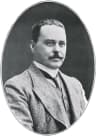
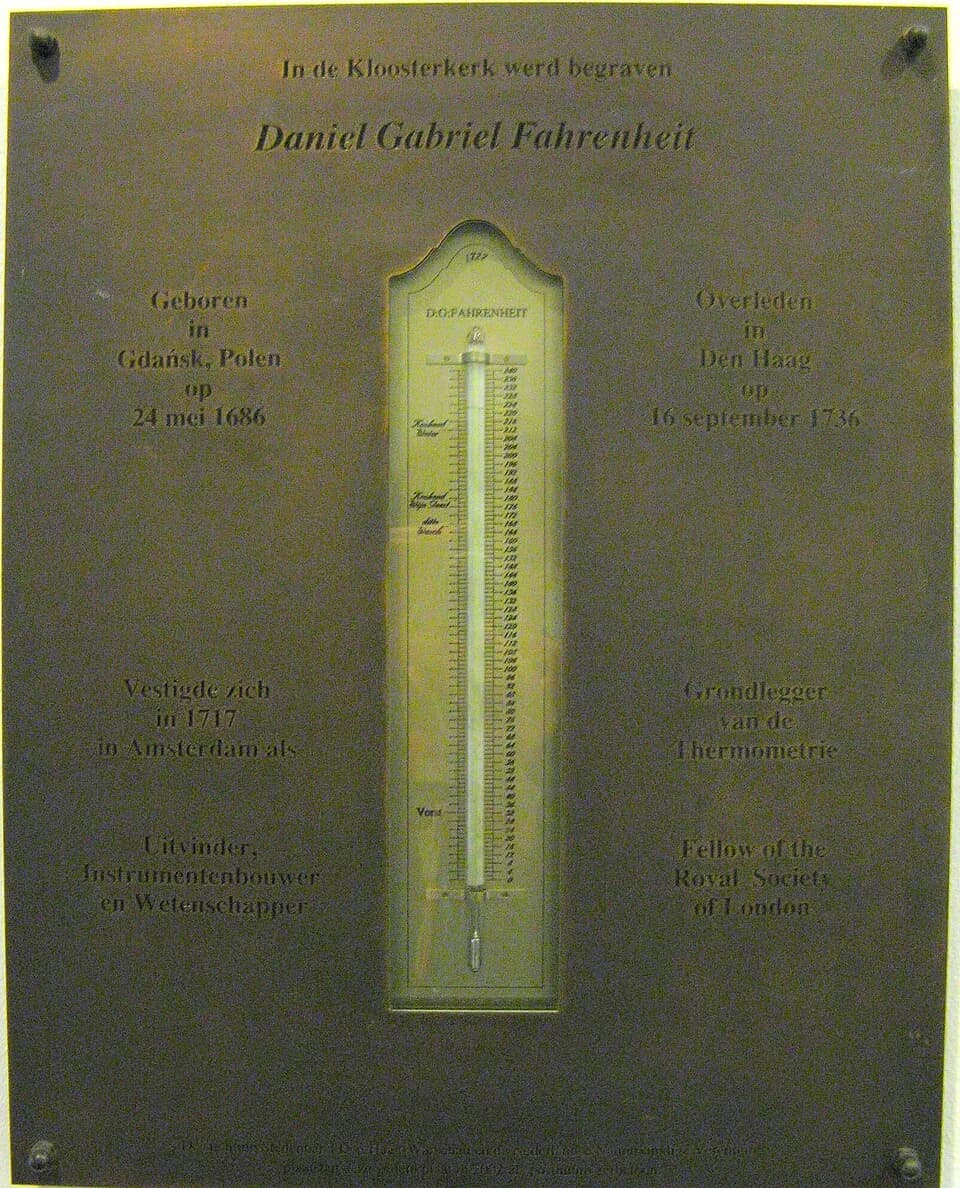
Daniel Gabriel Fahrenheit (May 24, 1686 – September 16, 1736) was a German-Polish physicist and engineer. He significantly improved thermometer design and invented the first successful mercury-in-glass thermometers. His innovations led to the widespread adoption of the Fahrenheit temperature scale, profoundly impacting scientific measurement.
Kapitlu
Kapitli tal-ħajja
Kapitlu 1 · 1686· Kapitlu 1 minn 8
Opening
We honor the life and profound scientific contributions of Daniel Gabriel Fahrenheit (1686–1736), a German-Polish physicist and engineer whose work revolutionized temperature measurement. His dedication to precision and innovation left an enduring mark on science. Fahrenheit's name remains synonymous with the temperature scale he developed and the accurate instruments he engineered.
Kapitlu 2 · 1686· Kapitlu 2 minn 8
Early Life and Origins
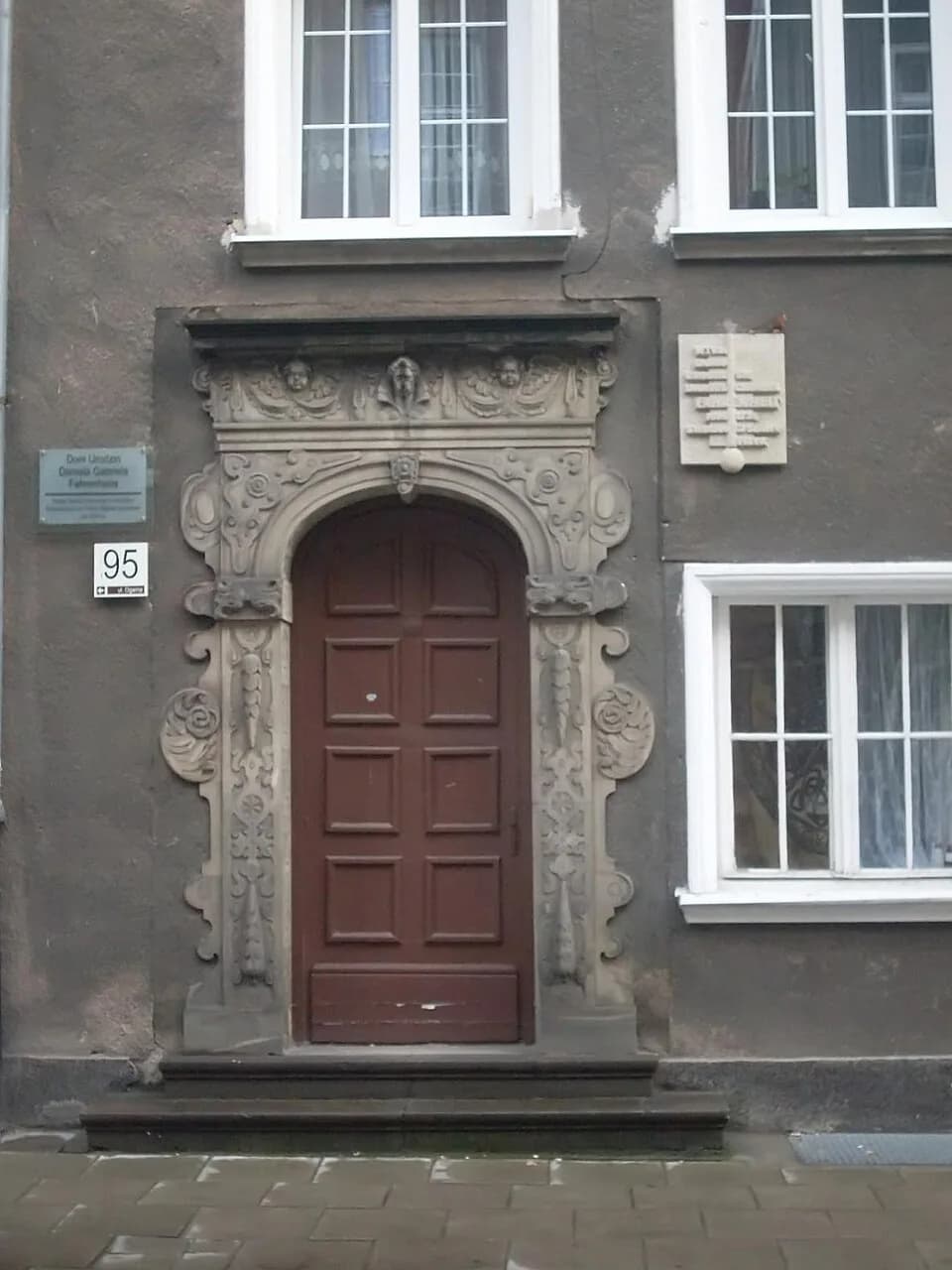
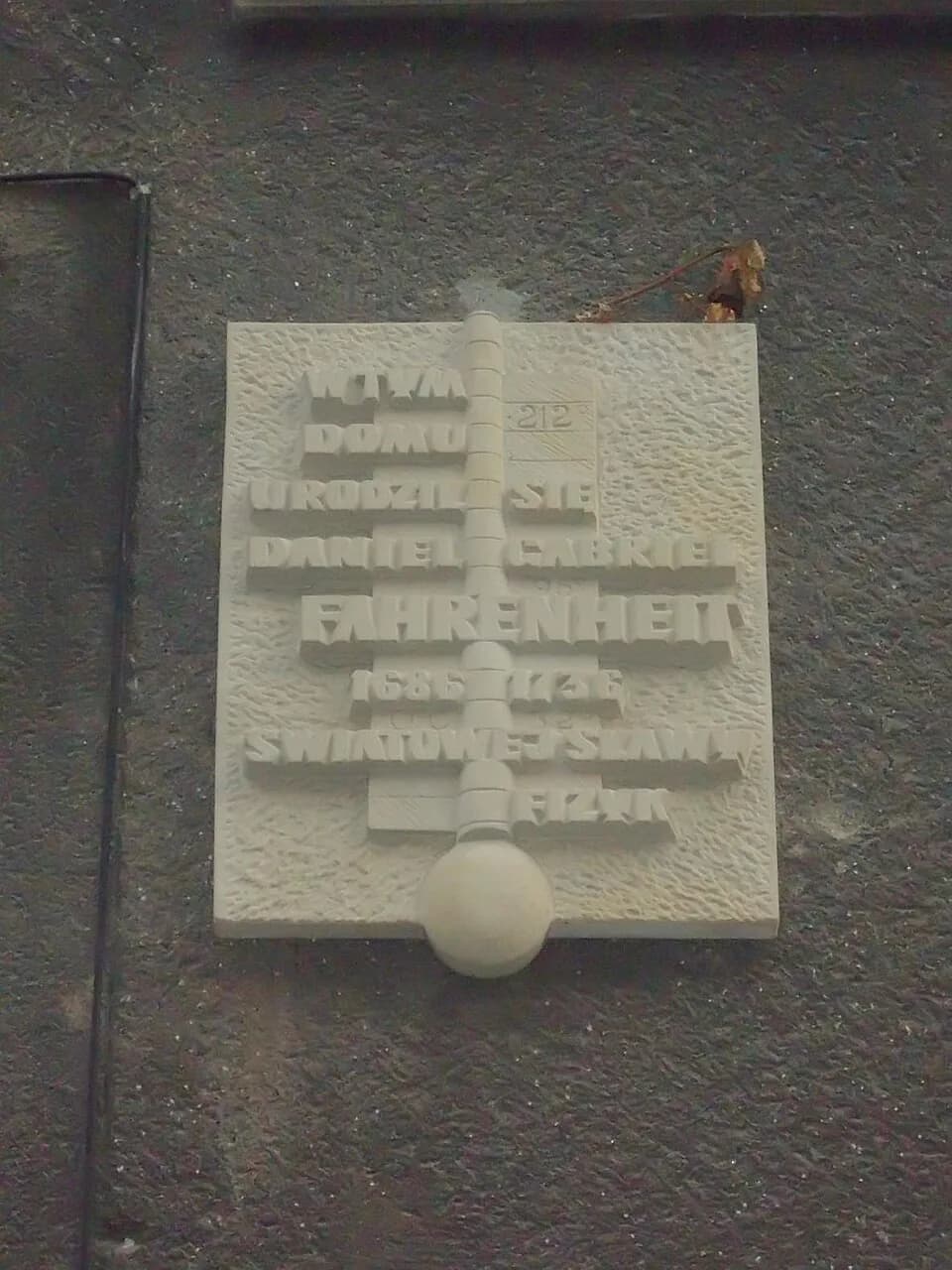
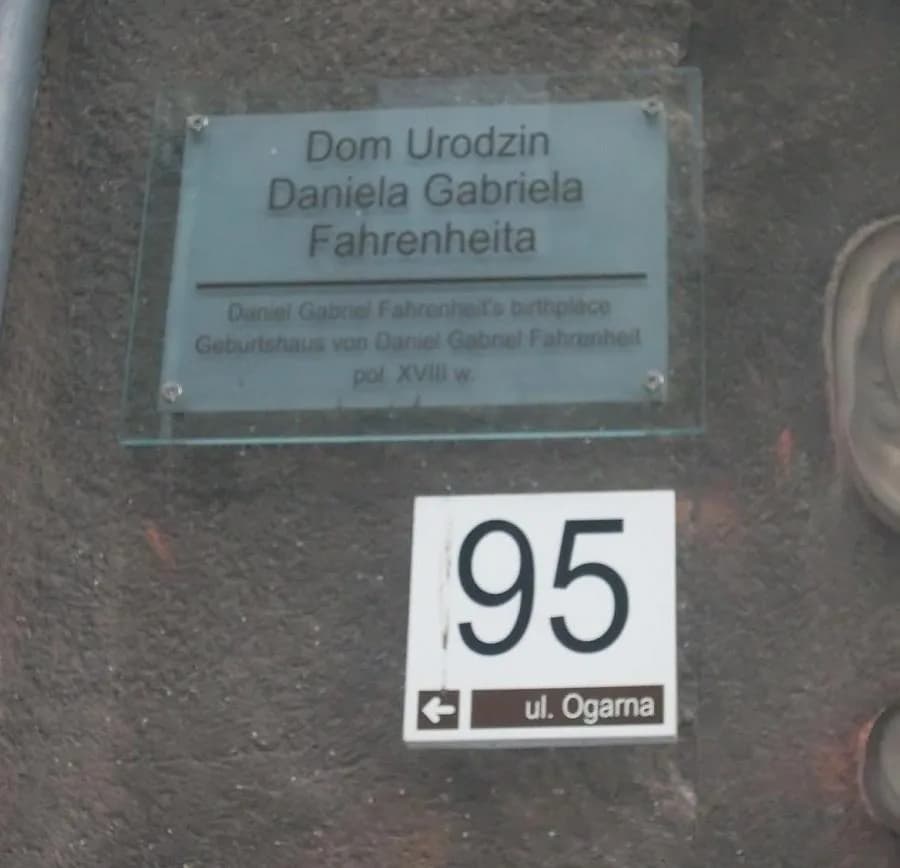
Daniel Gabriel Fahrenheit was born on May 24, 1686, in the historic city of Gdańsk, Poland. He originated from a family of German heritage, a common background in the vibrant trading hub that was his birthplace. His early years in Gdańsk likely exposed him to diverse influences that would later inform his scientific curiosity.
Kapitlu 3· Kapitlu 3 minn 8
Career Beginnings
Though born in Poland, Fahrenheit spent a significant portion of his adult life and pursued much of his scientific work within the Dutch Republic. It was there that he fully established himself in the scientific community. His multifaceted talents led him to become a distinguished physicist, an ingenious inventor, a meticulous chemist, and an expert instrument maker.
Kapitlu 4· Kapitlu 4 minn 8
Major Achievements and Career Highlights
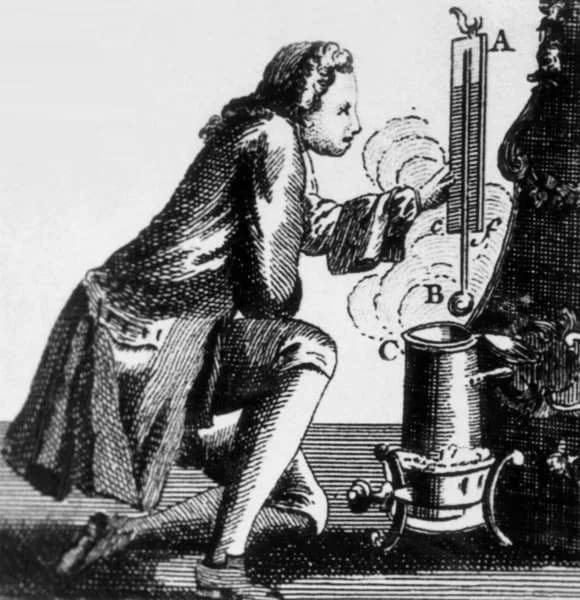
Fahrenheit is celebrated for making substantial improvements to the design and manufacturing processes of thermometers. His instruments were renowned for their accuracy and consistency, allowing different observers to reliably compare temperature measurements. He is also credited with developing the first successful mercury-in-glass thermometers, a significant advancement over the less precise spirit-filled versions of his era. The superior design and reliability of his thermometers propelled the widespread adoption of his Fahrenheit temperature scale.
Kapitlu 5· Kapitlu 5 minn 8
Personal Life
While Daniel Gabriel Fahrenheit's professional innovations are well-documented and celebrated, specific details regarding his personal life, family relationships, or recreational interests are not detailed in the available historical records. His life's work appears to have been singularly focused on his scientific and instrument-making pursuits. His legacy is primarily defined by his professional achievements and their lasting impact on the scientific world.
Kapitlu 6· Kapitlu 6 minn 8
Notable Works or Contributions
Fahrenheit’s scholarly contributions included three known academic papers that documented his findings and inventions. His work titled "Abhandlungen über thermometrie" stands out, having received three citations, indicating its influence within his field. Another significant publication was "Barometri novi descriptio," which garnered one citation. He also authored "V. Aræometri novi descriptio & usus a D. G. Fahrenheit, R. S. S."
Kapitlu 7 · 1736· Kapitlu 7 minn 8
Later Years
Daniel Gabriel Fahrenheit continued his scientific endeavors until his passing on September 16, 1736. He died in The Hague, Netherlands, a city that had become a central location for his work and residence. His untimely death brought an end to a career marked by relentless innovation in the realm of scientific instrumentation.
Kapitlu 8· Kapitlu 8 minn 8
Legacy and Impact
Fahrenheit's advancements in thermometer technology had an enduring influence on scientific measurement and research. His development of accurate and consistent instruments allowed for unprecedented precision in temperature recording, benefiting various scientific disciplines. The Fahrenheit scale, popularized through his reliable thermometers, became a standard reference for temperature measurement globally for many years. His contributions firmly cemented his place as a pivotal figure in the history of physics and scientific instrument making.
Ħajja f’mumenti
Il-mumenti li sawru ħajja

FAQ
Mistoqsija frekwenti
Meta miet/mietet Daniel Gabriel Fahrenheit?
Daniel Gabriel Fahrenheit miet/mietet fil-16 ta’ Settembru 1736 f{place}} other {}}{hasAge, select, yes {, fl-età ta 50 sena.
Fejn twieled/twieldet Daniel Gabriel Fahrenheit?
Daniel Gabriel Fahrenheit twieled/twieldet f{place}{hasDate, select, yes { fil-{date, date, long}} other {}}.
Għal xiex hu/hi l-aktar magħruf(a) Daniel Gabriel Fahrenheit?
Daniel Gabriel Fahrenheit hu/hi l-aktar magħruf(a) għal German-Polish physicist and engineer.
Kemm kellu/kellha snin Daniel Gabriel Fahrenheit meta miet/mietet?
Daniel Gabriel Fahrenheit kellu/kellha 50 sena meta miet/mietet.
X'kienet in-nazzjonalità ta' Daniel Gabriel Fahrenheit?
Daniel Gabriel Fahrenheit kien/kienet minn Poland.
Linja taż-żmien
Ħajja b’ħarsa
- 1686
Opening
- 1686
Early Life and Origins
- 1736
Later Years
Gallerija tar-ritratti
Ħajja f’ritratti
Ikklikkja kwalunkwe polaroid biex tespandi · 23 ritratti
Kodiċi QR
Aqsam Din il-Bijografija
Stampa u Aqsam
Skennja biex iżżur din il-paġna bijografika. Stampah għal avvenimenti, esibizzjonijiet, jew materjal edukattiv.