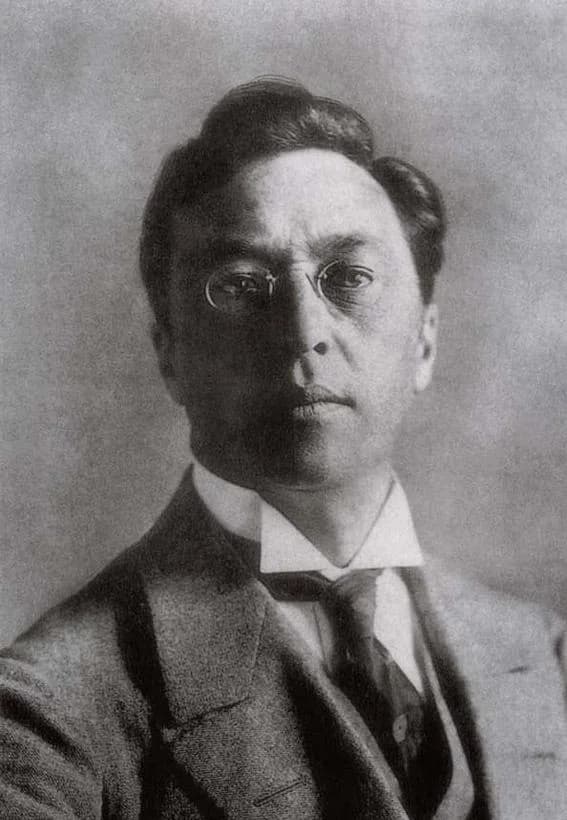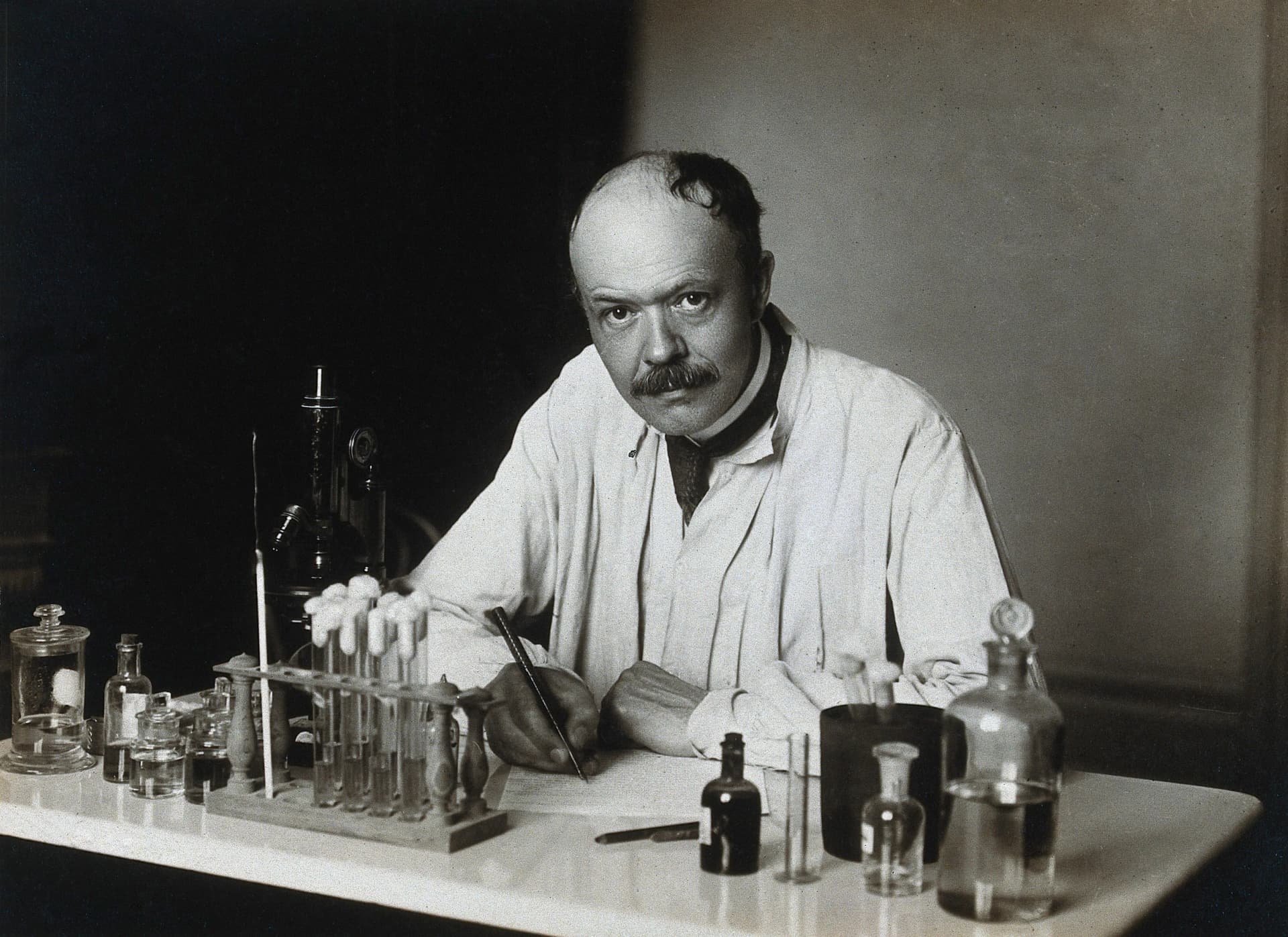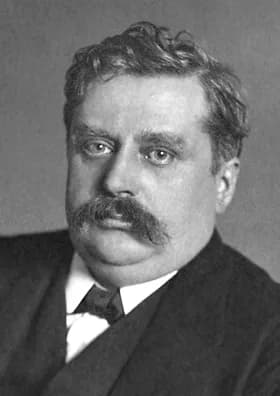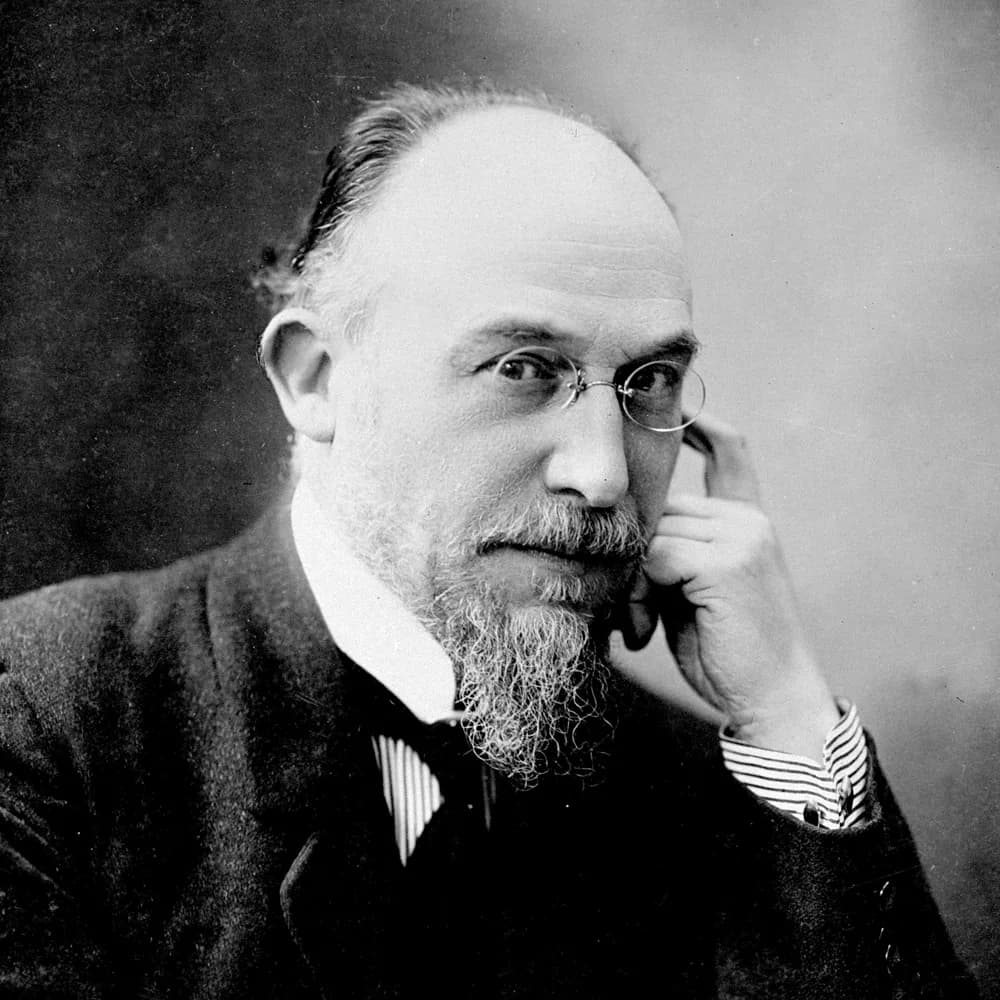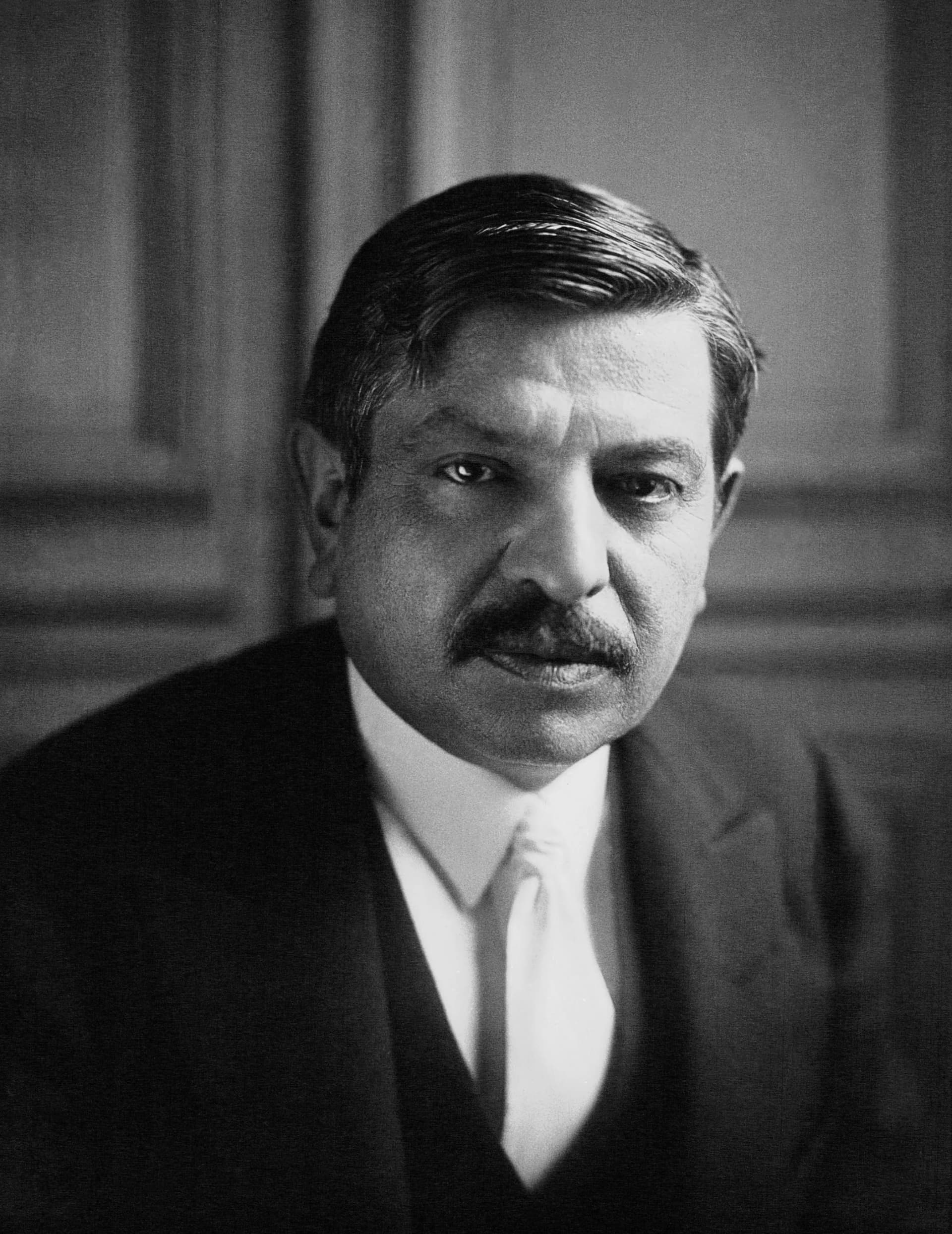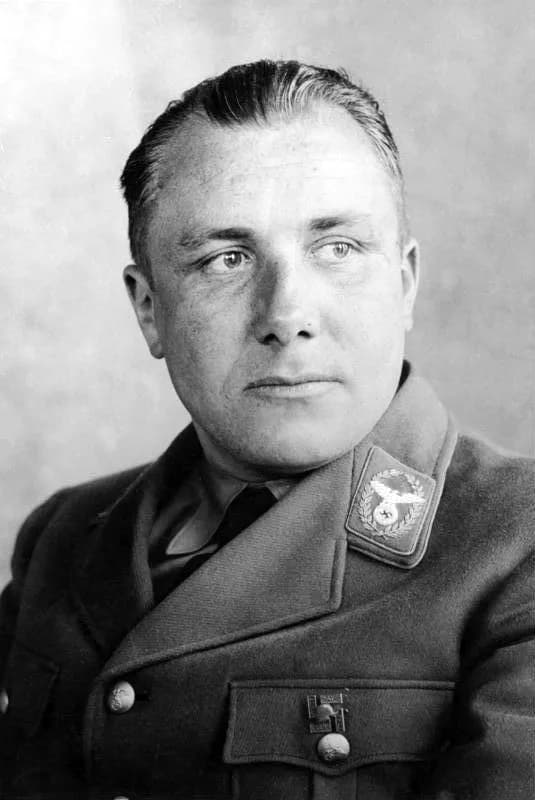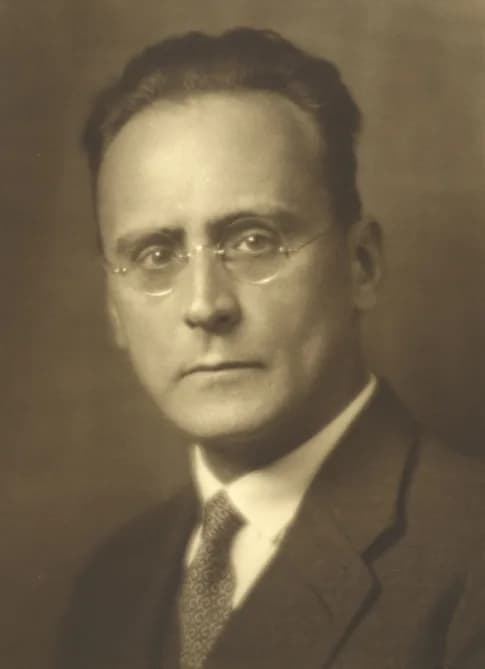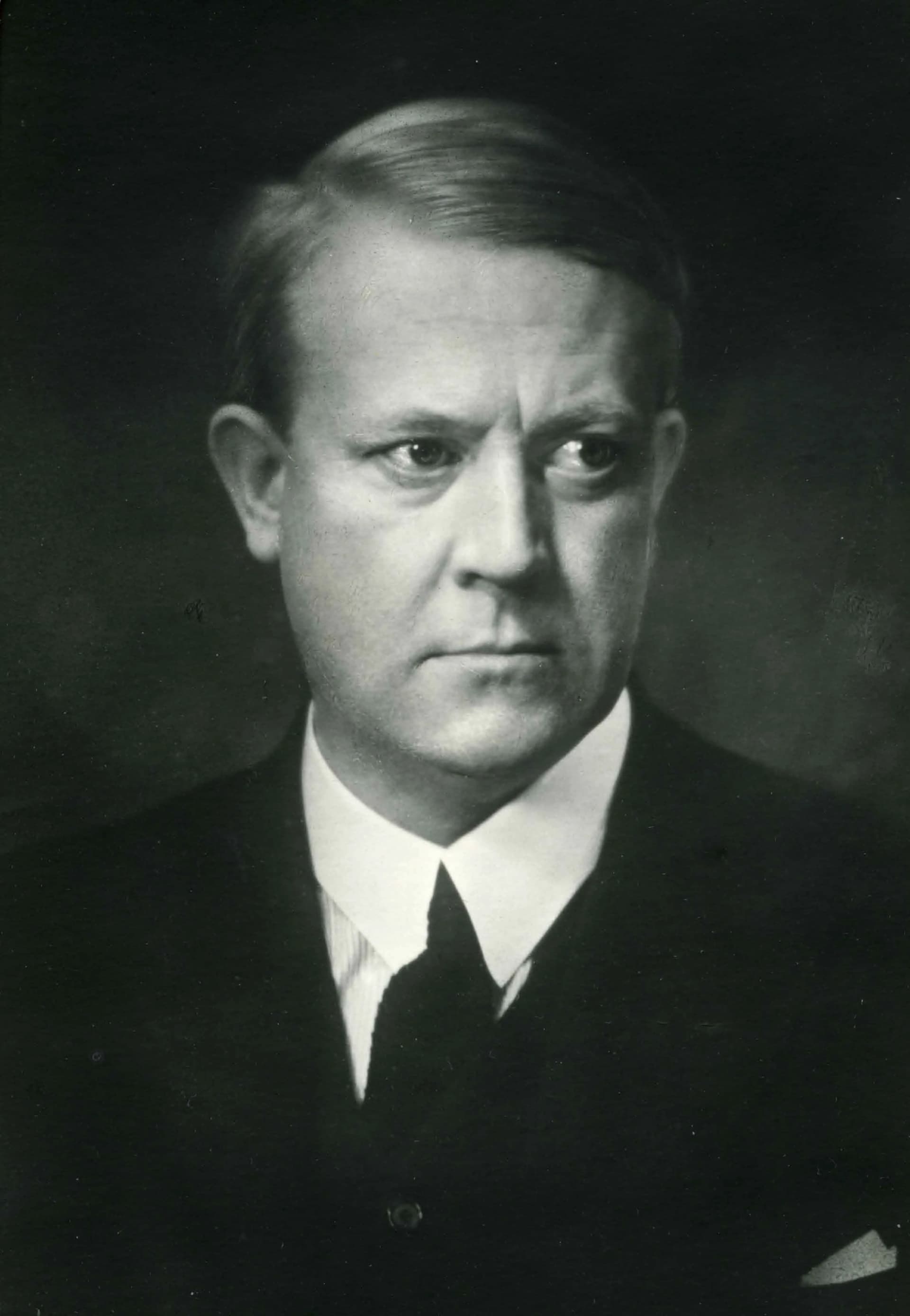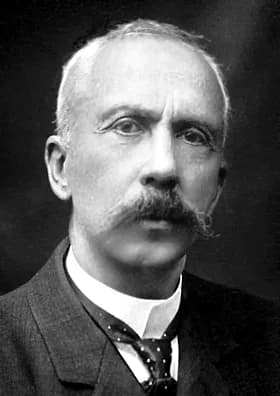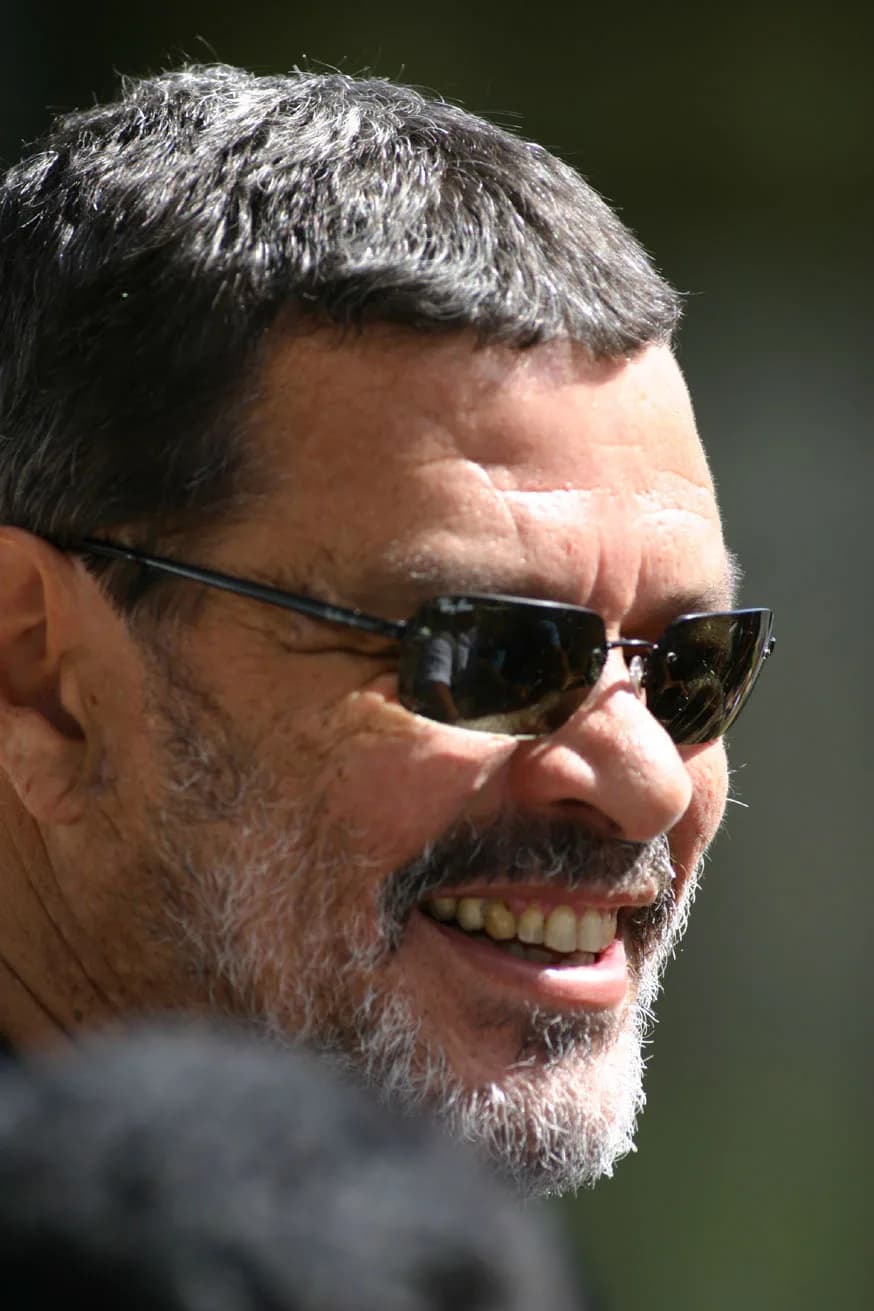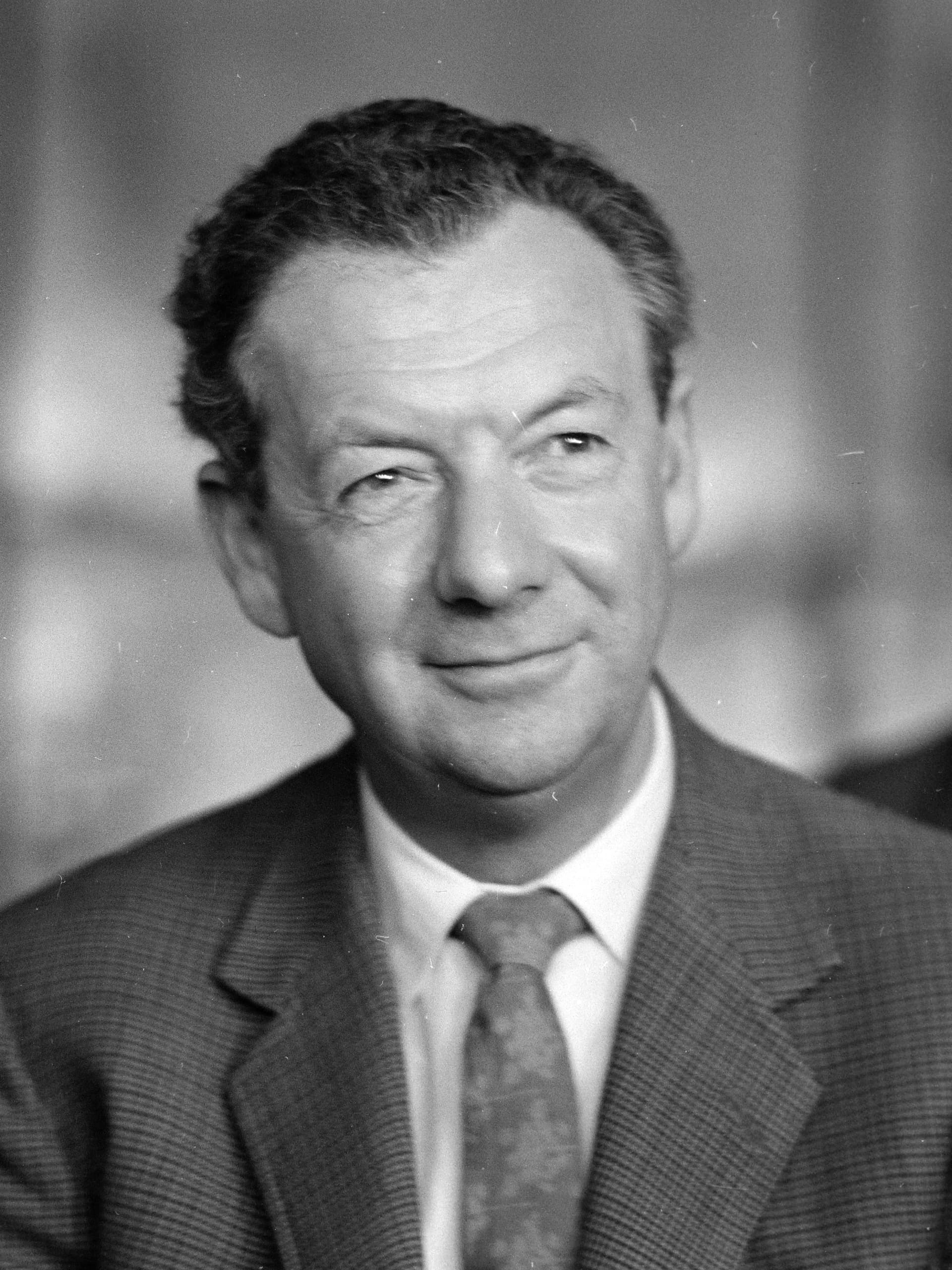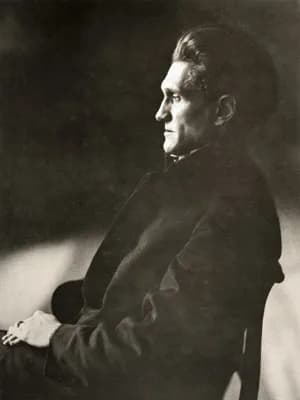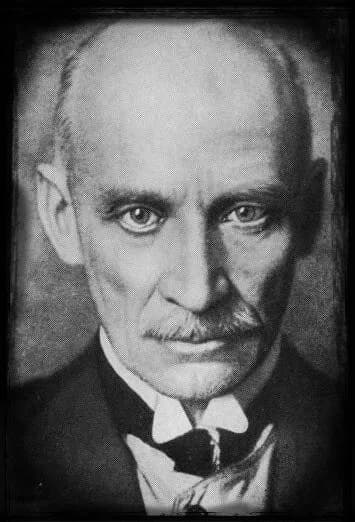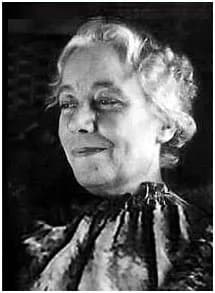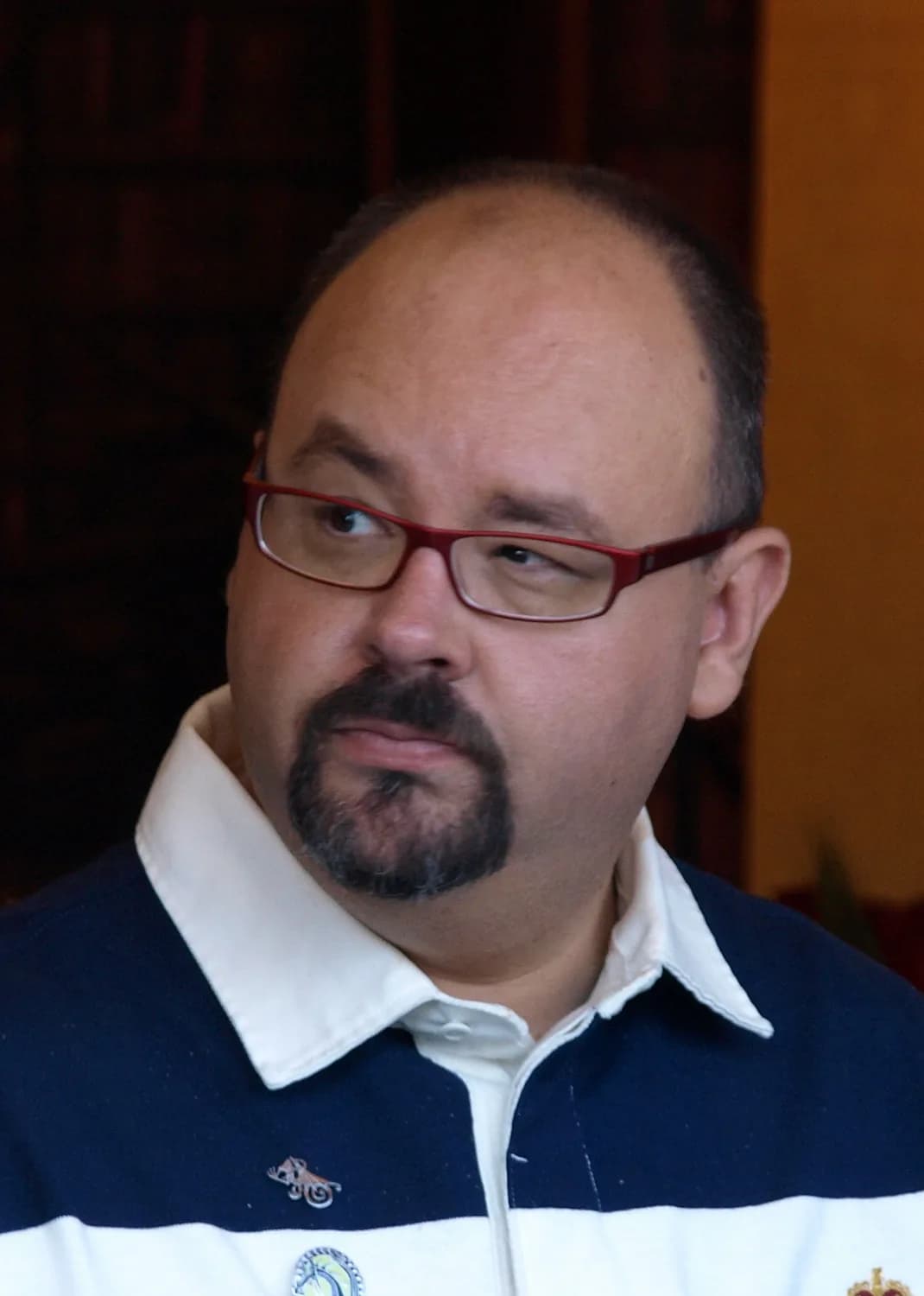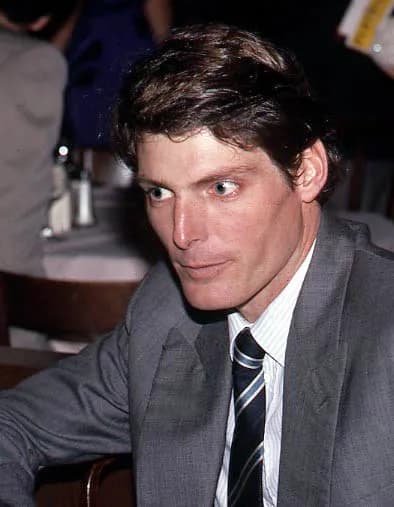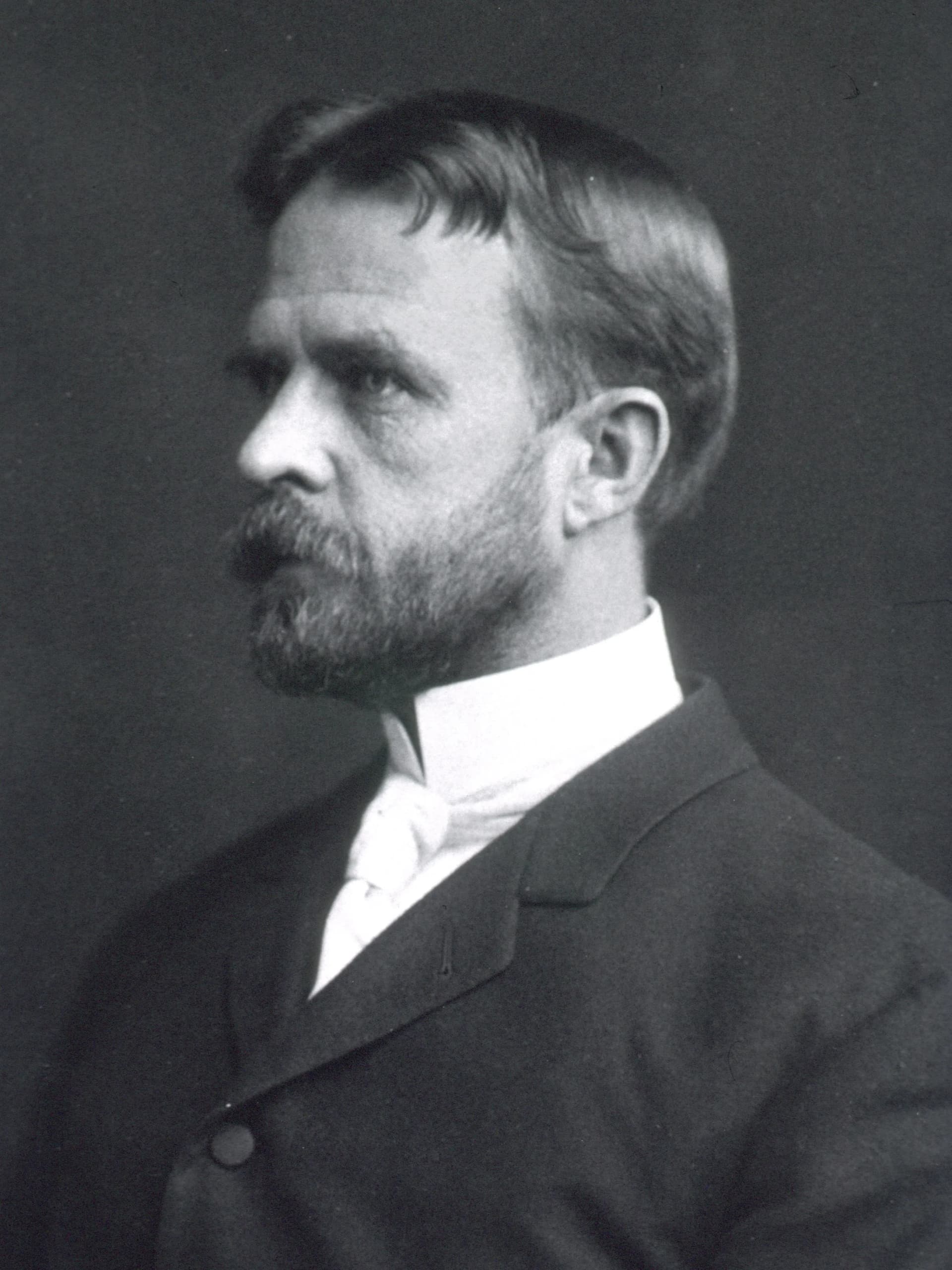
Dilahirkan
September 25, 1866
Lexington, United States
Meninggal
December 4, 1945
Pasadena, United States
Terkenal kerana
American biologist
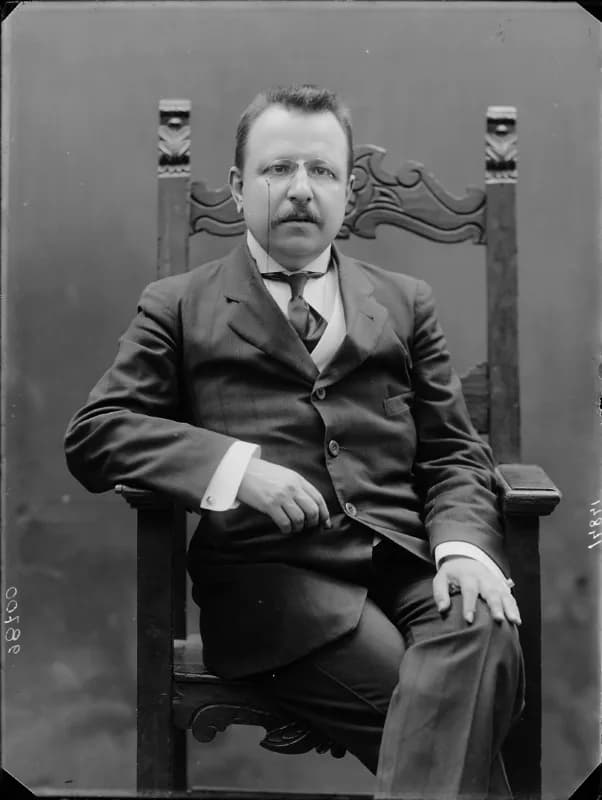
Thomas Hunt Morgan (1866–1945) was United States best known for American biologist.
Thomas Hunt Morgan (September 25, 1866 – December 4, 1945) was an American biologist and geneticist. He won the 1933 Nobel Prize for his discoveries on the role of chromosomes in heredity. His research profoundly shaped modern genetics.
Kehidupan dalam saat-saat
Saat-saat yang membentuk kehidupan
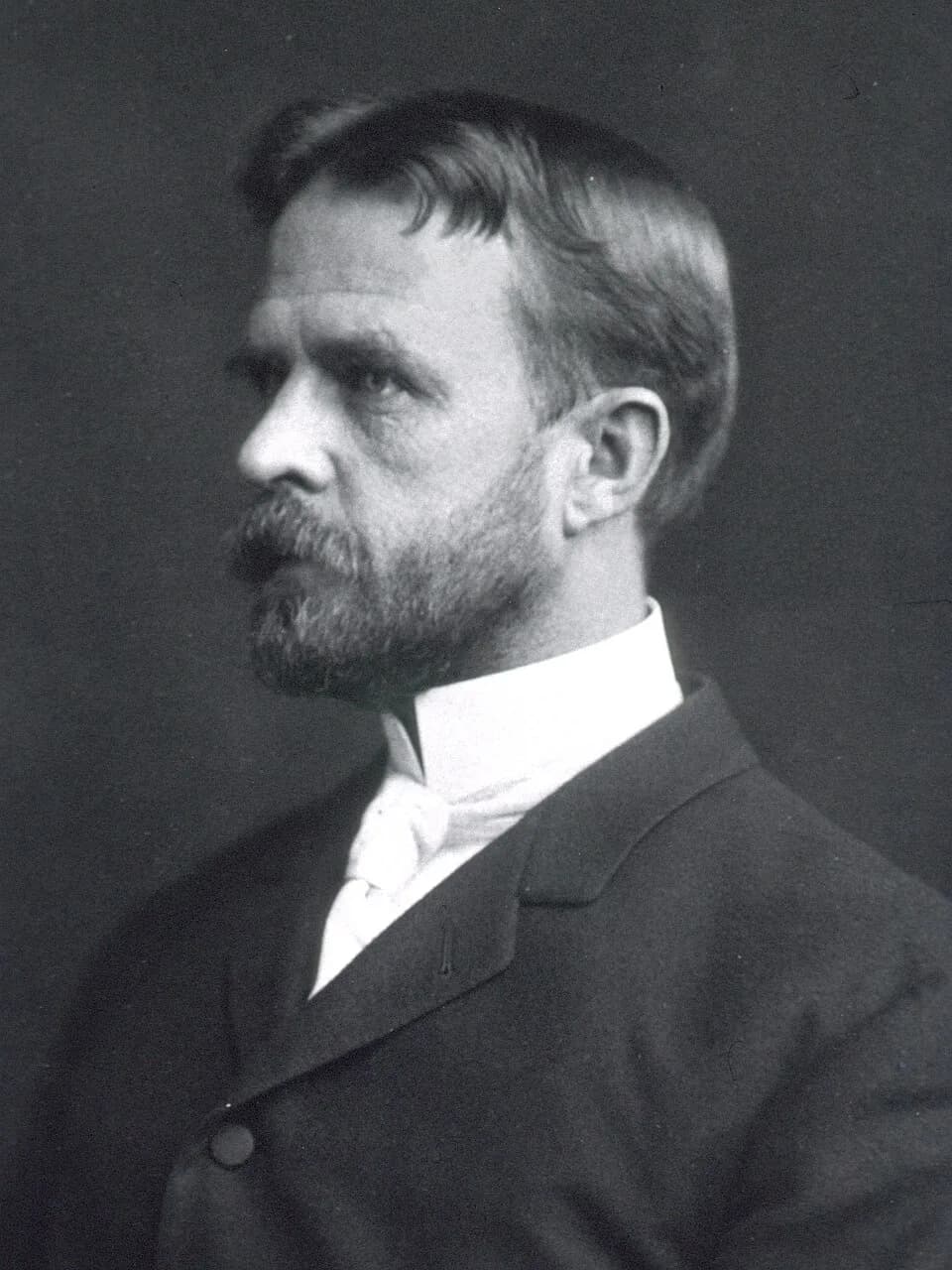
Bab
Bab kehidupan
Bab 1· Bab 1 daripada 6
Early Life and Origins
Thomas Hunt Morgan's journey began in Lexington, United States, where he was born into an era of rapid scientific advancement and intellectual curiosity. His early education and formative experiences likely fostered a deep interest in the natural world and its underlying biological principles. This foundational period provided the essential framework for his later explorations into biological mechanisms and evolutionary theories. The environment of his youth undoubtedly contributed to developing his keen observational skills and analytical mindset.
Bab 2· Bab 2 daripada 6
Career Beginnings
Morgan embarked on a multifaceted professional path, initially training as a physician, a field that offered a practical and detailed foundation in complex biological systems. His diverse professional roles included zoologist, biologist, and dedicated university teacher, indicating a broad and deep engagement with the life sciences. He also contributed significantly as a physiologist, geneticist, and evolutionary biologist, demonstrating his expertise across several interconnected scientific disciplines. These early experiences provided him with a comprehensive understanding of biological processes, ranging from the intricacies of individual organisms to the dynamics of population-level changes.
Bab 3 · 1933· Bab 3 daripada 6
Major Achievements and Career Highlights
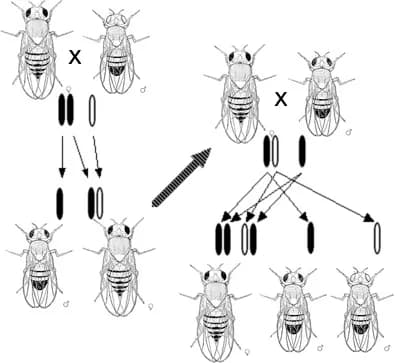
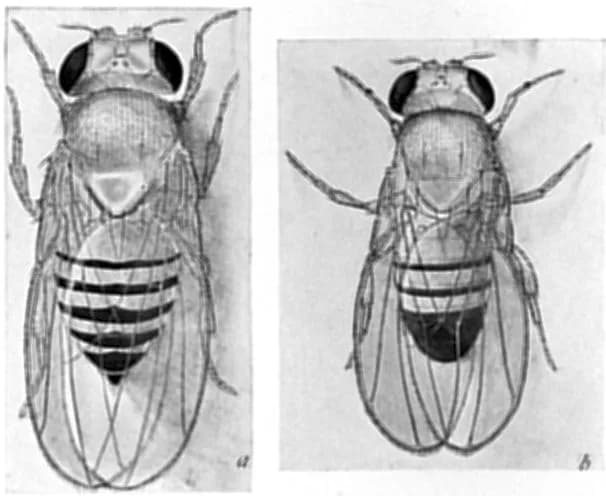
The zenith of Thomas Hunt Morgan's career arrived with his groundbreaking work in experimental genetics, particularly through his studies on the fruit fly, Drosophila melanogaster. His meticulous experiments revealed the precise manner in which genetic traits are transmitted from parents to offspring. This research conclusively demonstrated that chromosomes, the thread-like structures found within the nucleus of cells, are indeed the physical carriers of hereditary information. For these pivotal discoveries concerning the role played by the chromosome in heredity, he was deservedly awarded the Nobel Prize in Physiology or Medicine in 1933, solidifying his place as a central figure in 20th-century biology.
Bab 4· Bab 4 daripada 6
Notable Works or Contributions
Morgan's most significant contribution was his experimental proof of the chromosome theory of inheritance, a concept that was previously hypothetical. He showed definitively that specific genes are located at particular positions on specific chromosomes, thus establishing the physical basis of heredity. His renowned laboratory at Columbia University not only confirmed the existence of genes but also meticulously mapped their relative positions on chromosomes, thereby creating the first genetic linkage maps. This monumental work provided tangible empirical evidence for the abstract theories of inheritance proposed by Gregor Mendel and laid the robust empirical groundwork for all of modern genetics.
His systematic investigations into mutation and genetic recombination further elucidated how genetic variation arises and is passed through generations. Morgan's commitment to observable experimental results transformed the field, moving it away from purely theoretical speculation towards a rigorous, empirical science. His influence extended to the development of quantitative approaches in genetics, which became essential for understanding complex hereditary patterns. This pioneering approach continues to be a cornerstone of biological research.
Bab 5 · 1945· Bab 5 daripada 6
Later Years
Thomas Hunt Morgan continued his scientific pursuits with unwavering dedication and intellectual vigor throughout his later life. He passed away on December 4, 1945, in Pasadena, United States, leaving behind a legacy of profound scientific inquiry and discovery. Even in his final years, his influence permeated the scientific community, continuously guiding and inspiring new generations of geneticists to explore the mysteries of life. His final contributions continued to refine and expand the understanding of genetic principles that he had initiated in his early, groundbreaking experiments.
Bab 6· Bab 6 daripada 6
Legacy and Impact
The impact of Thomas Hunt Morgan's work on biology is immeasurable, as he transformed genetics from a theoretical concept into an experimental, verifiable science. His research not only illuminated the fundamental mechanics of heredity but also provided a robust empirical framework for understanding the processes of evolution at the genetic level. He effectively bridged the conceptual gap between cytology, the study of cells, and genetics, proving that the abstract units of heredity corresponded directly to observable structures within the cell nucleus. The principles he meticulously established continue to underpin molecular biology, biotechnology, and modern medical genetics, making him a perpetual touchstone in the history of science.
Morgan’s pioneering and extensive use of Drosophila as a model organism set an enduring precedent for experimental biology, showcasing the immense power of simple biological systems to unravel extraordinarily complex biological puzzles. His work fostered an entirely new era of genetic research, leading directly to countless subsequent discoveries about gene function, mutation rates, and intricate inheritance patterns. His intellectual rigor, experimental genius, and unwavering commitment to empirical evidence continue to inspire scientists worldwide, solidifying his stature as an undisputed giant of 20th-century science and a foundational figure in modern biology.
Soalan Lazim
Soalan lazim
Bilakah Thomas Hunt Morgan meninggal dunia?
Thomas Hunt Morgan meninggal dunia pada 4 Disember 1945 di Pasadena, United States, pada usia 79 tahun.
Di manakah Thomas Hunt Morgan dilahirkan?
Thomas Hunt Morgan dilahirkan di Lexington, United States pada 25 September 1866.
Thomas Hunt Morgan paling dikenali kerana apa?
Thomas Hunt Morgan paling dikenali kerana American biologist.
Berapakah usia Thomas Hunt Morgan ketika meninggal dunia?
Thomas Hunt Morgan berusia 79 tahun ketika meninggal dunia.
Apakah kewarganegaraan Thomas Hunt Morgan?
Thomas Hunt Morgan berasal dari United States.
Garis Masa
Kehidupan secara sekilas
Galeri foto
Kehidupan dalam gambar
Klik mana-mana polaroid untuk membesarkan · 24 foto
Kod QR
Kongsi Biografi Ini
Cetak & Kongsi
Imbas untuk melawat halaman biografi ini. Cetak untuk acara, pameran, atau bahan pendidikan.