Dilahirkan
January 1, 1480
Würzburg, Germany
Meninggal
September 10, 1528
Halle (Saale), Germany
Terkenal kerana
German Renaissance painter (c.1480–1528)
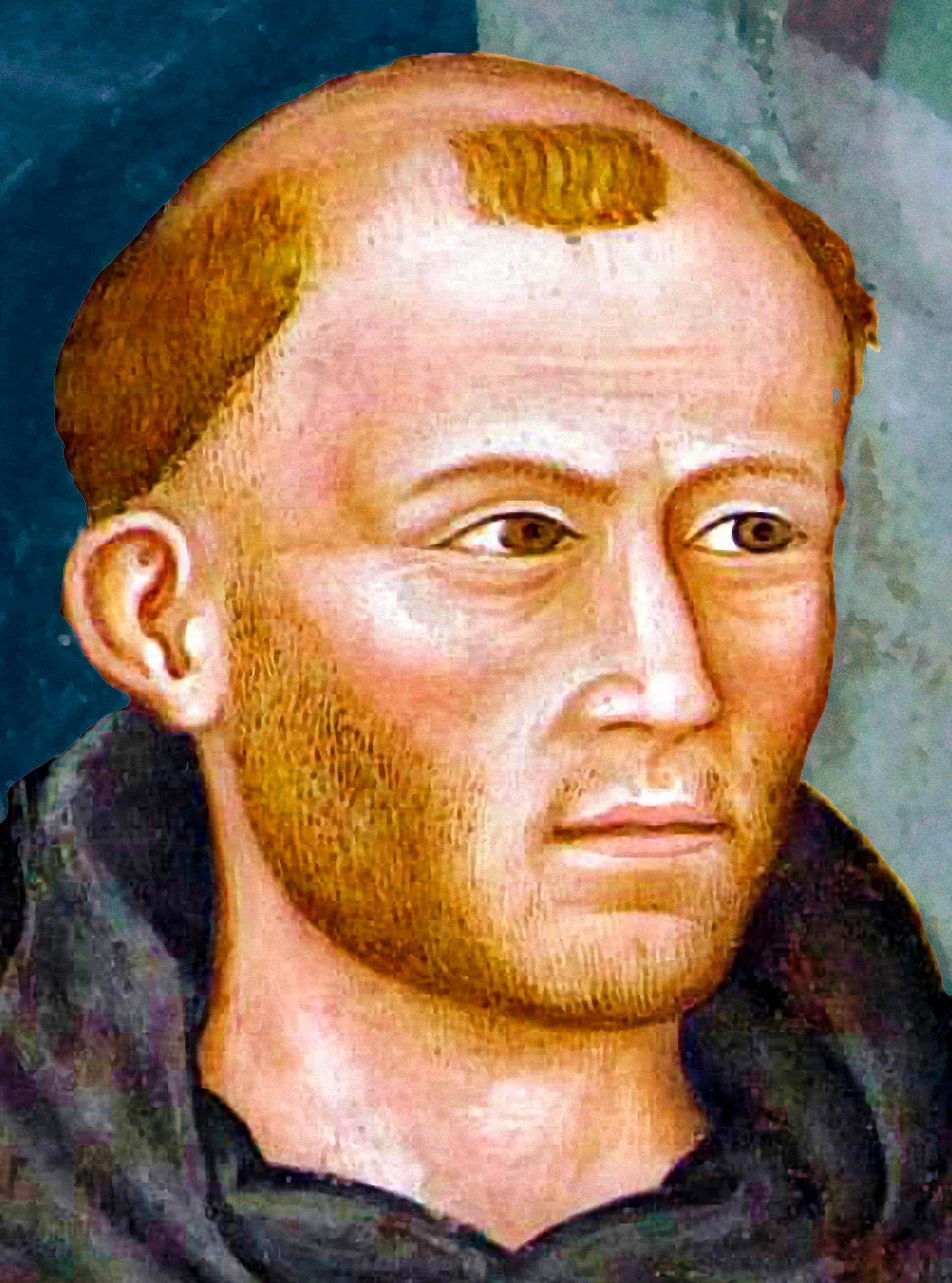
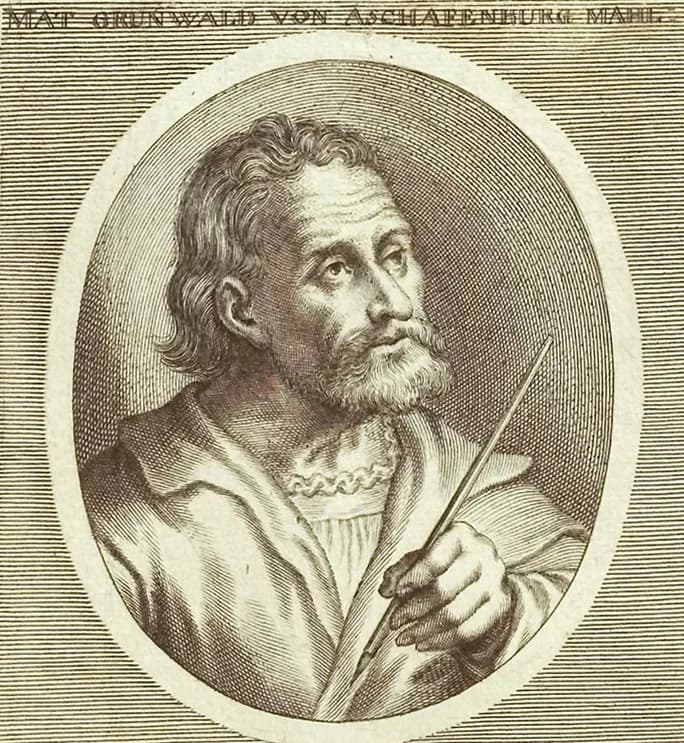
Matthias Grünewald (1480–1528) was Germany best known for German Renaissance painter (c.1480–1528).
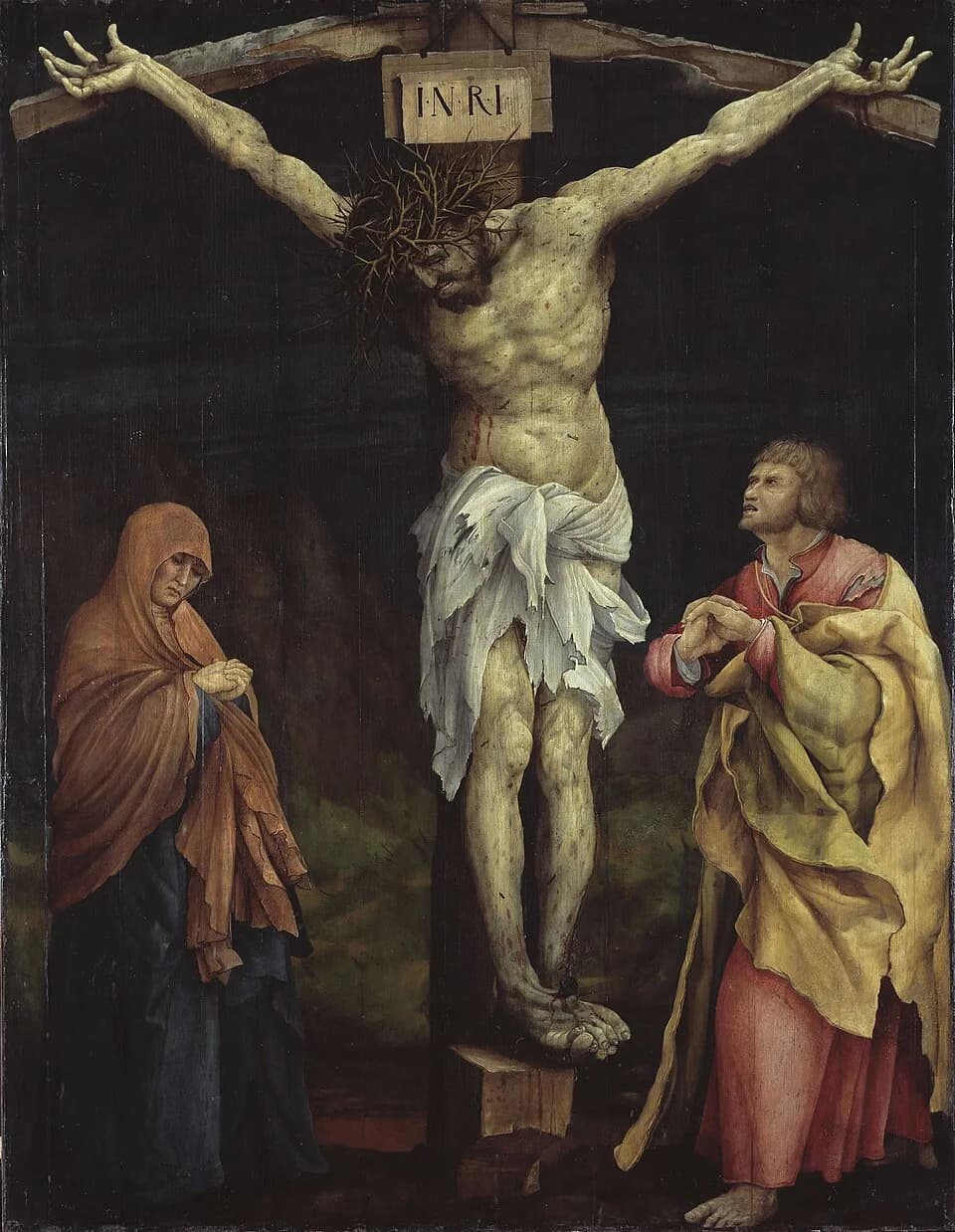
Matthias Grünewald (January 1, 1480 – September 10, 1528) was a German Renaissance painter. He was known for his religious works, which uniquely ignored classicism to continue the style of late medieval Central European art into the 16th century, leaving a distinctive artistic legacy.
Kehidupan dalam saat-saat
Saat-saat yang membentuk kehidupan
Bab
Bab kehidupan
Bab 1 · 1480· Bab 1 daripada 5
A Life Dedicated to Art and Innovation
Matthias Grünewald (1480–1528) stands as a towering figure in the annals of German Renaissance art, celebrated primarily as a painter whose religious works profoundly influenced the artistic sensibilities of his era. Beyond his acclaimed contributions as a painter, Grünewald was a remarkably versatile professional, demonstrating his talents as an architect, engineer, general contractor, architectural draftsperson, and draftsperson, highlighting a broad spectrum of skills. His unique artistic vision and technical prowess positioned him as a distinctive voice during a period of intense cultural and artistic transformation across Central Europe, leaving an enduring mark.
His artistic journey, though relatively brief, left a significant legacy, characterized by a bold departure from contemporary artistic norms, deliberately ignoring Renaissance classicism. Grünewald's work, often imbued with deep spiritual devotion and intense emotional expression, continues to inspire and challenge viewers, inviting contemplation on profound themes of faith, suffering, and human experience. He carved out a unique space within the German Renaissance by consciously choosing to embrace and evolve earlier artistic traditions rather than conform to the prevailing classical trends of his time.
Bab 2 · 1480· Bab 2 daripada 5
Early Life and Diverse Beginnings
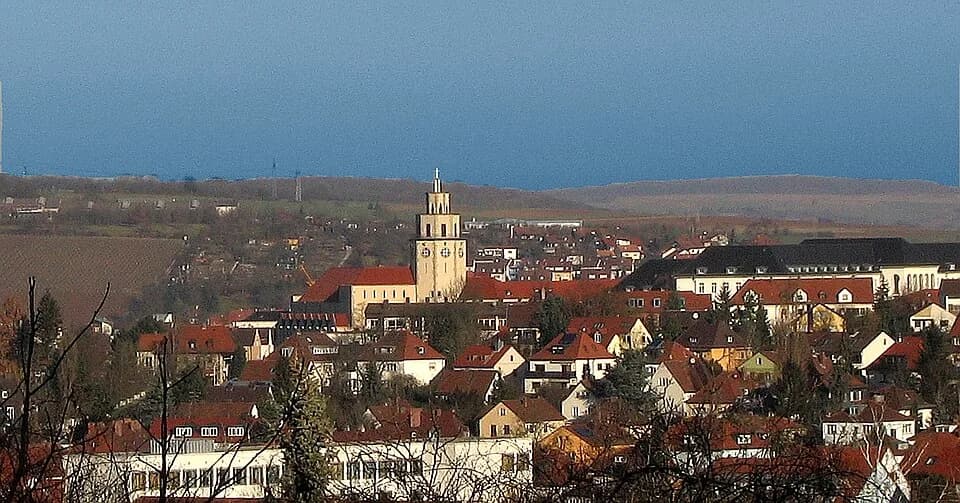
Matthias Grünewald began his life's journey on January 1, 1480, in the historically rich city of Würzburg, Germany, a significant cultural center that provided a dynamic backdrop for his formative years. This vibrant urban environment in Franconia undoubtedly exposed him to a wide array of artistic and architectural influences, shaping his nascent talents. While specific details of his early education and familial background are not extensively documented, his later mastery across multiple disciplines suggests a comprehensive and rigorous training from a young age, preparing him for a multifaceted career.
Grünewald’s professional life was notably diverse from its beginnings, marking him as a true polymath of the Renaissance period. He was recognized not only as a painter but also as an accomplished architect, demonstrating a deep understanding of structural integrity, form, and spatial design. This architectural expertise suggests an early engagement with practical building projects, translating artistic concepts into tangible constructions that met both aesthetic and functional demands, showcasing his broad range of practical skills.
Further underscoring his versatility, Grünewald functioned as an engineer and general contractor, roles that demanded advanced technical knowledge, problem-solving abilities, and effective project management. These responsibilities likely involved overseeing significant construction efforts, requiring a keen eye for detail and organizational aptitude in addition to creative vision. His proficiency as an architectural draftsperson and general draftsperson further solidified his reputation as a master of precision and detailed rendering, crucial for both artistic and engineering endeavors.
Bab 3 · 1480· Bab 3 daripada 5
Major Achievements and Artistic Philosophy
Matthias Grünewald is primarily celebrated as a German Renaissance painter whose active period spanned from approximately 1480 to 1528, leaving a lasting artistic imprint on European art history. His most significant achievement lies in his distinctive artistic philosophy, which consciously and defiantly diverged from the prevailing trend of Renaissance classicism that sought to emulate ancient Greek and Roman art forms, preferring a different path. Grünewald instead made a deliberate choice to continue and evolve the rich, expressive style of late medieval Central European art into the 16th century, creating a unique and powerful aesthetic.
This courageous decision to eschew classical influences set him apart from many of his contemporaries who were increasingly adopting Italianate aesthetics, marking him as an artist of exceptional independence. Grünewald’s religious works are profoundly characterized by an intense emotionality, dramatic realism, and a vibrant, often unearthly, color palette that served as a powerful vehicle for his spiritual narratives. His unique approach allowed him to explore sacred themes with a profound psychological depth and raw human feeling, creating images that resonate with powerful spiritual conviction and emotional immediacy.
His commitment to the traditions of late medieval art meant that his paintings frequently featured elongated figures, sharp angular lines, and exaggerated expressions, all meticulously designed to heighten the emotional impact of his narratives and deepen their spiritual resonance. This stylistic choice was not a regression to earlier forms but a conscious artistic evolution, demonstrating a profound respect for the spiritual intensity and symbolic power inherent in the older traditions. Grünewald thus became a master of a distinctive form of Renaissance expression, one that valued emotive power and spiritual depth above purely classical harmony or idealized forms, establishing a unique artistic path.
Bab 4· Bab 4 daripada 5
Personal Life and Later Years
Details concerning the personal life of Matthias Grünewald, including specific information about his family, relationships, or personal interests outside of his professional endeavors, are not provided within the available historical records, leaving a considerable gap in our understanding of his private world. Despite the scarcity of intimate biographical information, the profound intensity and spiritual depth evident in his paintings strongly suggest a contemplative and deeply feeling individual, whose inner life likely fueled his artistic expressions. His dedication to religious themes points to a strong personal faith, which undoubtedly informed and imbued his artistic practice with such power, even in the absence of explicit personal anecdotes or documented familial connections.
The life of Matthias Grünewald concluded on September 10, 1528, when he passed away in Halle (Saale), Germany, bringing an end to a prolific career. His death marked the conclusion of an artistic journey that, though perhaps not fully documented in every detail, was undeniably rich in artistic innovation and professional versatility across many fields. The city of Halle (Saale) therefore holds significance as the place where this extraordinary German master spent his final moments, concluding his nearly five decades of existence and dedicated artistic output, marking the end of an era for a singular talent.
Bab 5· Bab 5 daripada 5
Legacy and Enduring Impact
Matthias Grünewald's legacy is profoundly defined by his courageous and singular artistic vision, which provided an essential and powerful counterpoint to the dominant classical trends of the German Renaissance. His steadfast commitment to the spiritual intensity and expressive power found in late medieval Central European art ensured that these profound traditions were not simply abandoned, but were instead creatively reinterpreted, enriched, and robustly sustained into the burgeoning 16th century. This unique stylistic path cemented his place as an artist of exceptional originality and profound historical importance within the broader European art narrative.
His paintings continue to be studied and admired today for their psychological depth, technical skill, and overwhelming emotional force, influencing subsequent generations of artists, art historians, and spiritual thinkers across various disciplines. Grünewald demonstrated that true artistic innovation could also emerge from a deep and respectful engagement with past traditions, offering a compelling alternative vision of Renaissance art that prioritized spiritual truth and emotional impact. His work remains a powerful testament to the diversity and richness of artistic expression during this significant historical period, standing as a lasting tribute to an artist who truly followed his own distinctive muse, leaving an unforgettable impression.
Soalan Lazim
Soalan lazim
Bilakah Matthias Grünewald meninggal dunia?
Matthias Grünewald meninggal dunia pada 10 September 1528 di Halle (Saale), Germany, pada usia 48 tahun.
Di manakah Matthias Grünewald dilahirkan?
Matthias Grünewald dilahirkan di Würzburg, Germany pada 1 Januari 1480.
Matthias Grünewald paling dikenali kerana apa?
Matthias Grünewald paling dikenali kerana German Renaissance painter (c.1480–1528).
Berapakah usia Matthias Grünewald ketika meninggal dunia?
Matthias Grünewald berusia 48 tahun ketika meninggal dunia.
Apakah kewarganegaraan Matthias Grünewald?
Matthias Grünewald berasal dari Germany.
Garis Masa
Kehidupan secara sekilas
Galeri foto
Kehidupan dalam gambar
Klik mana-mana polaroid untuk membesarkan · 25 foto
Kod QR
Kongsi Biografi Ini
Cetak & Kongsi
Imbas untuk melawat halaman biografi ini. Cetak untuk acara, pameran, atau bahan pendidikan.