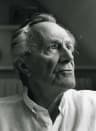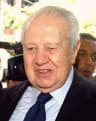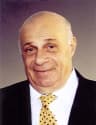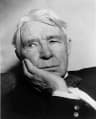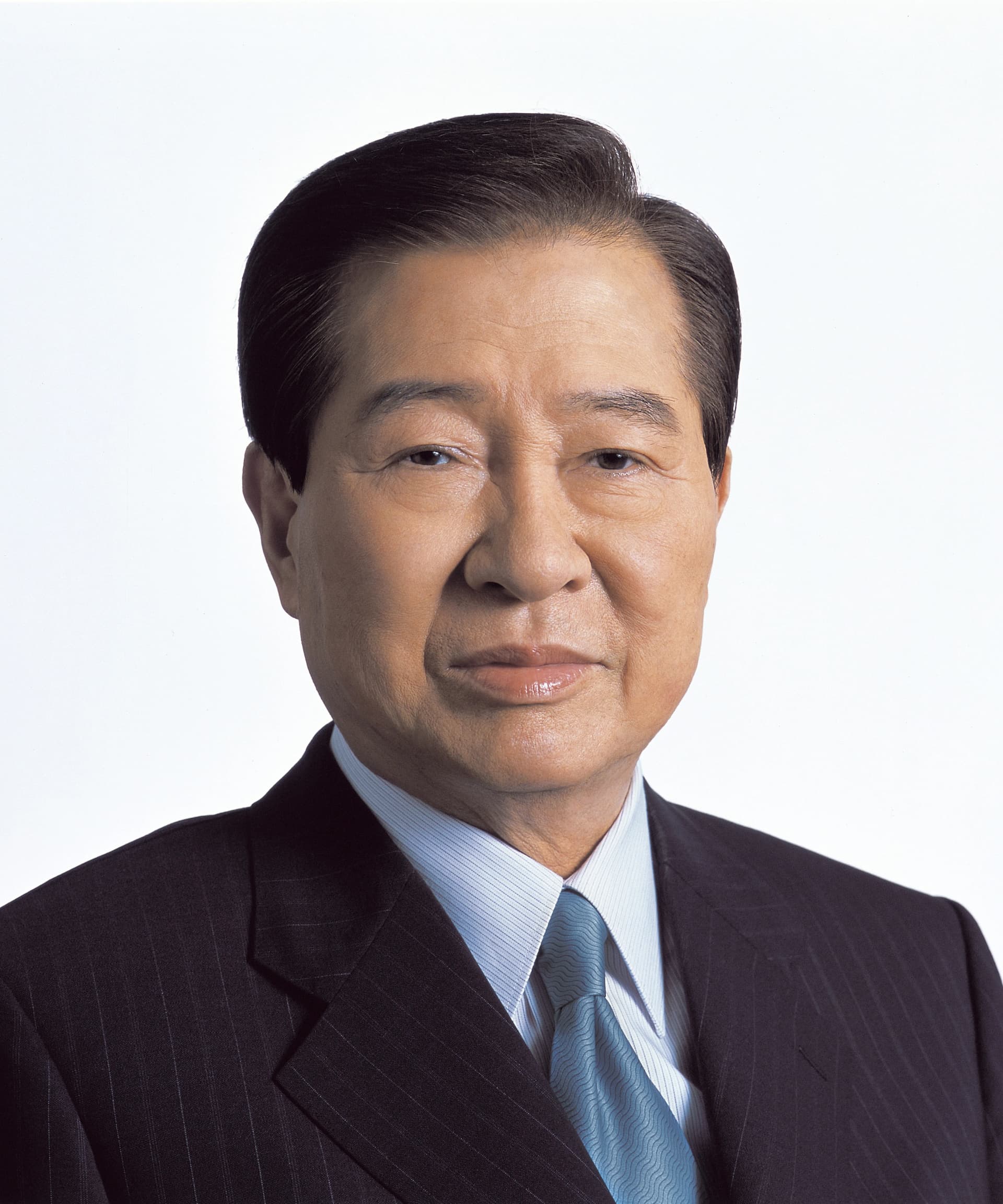
Dilahirkan
January 6, 1924
Hauido, South Korea
Meninggal
August 18, 2009
Severance Hospital, South Korea
Terkenal kerana
8th President of the Republic of Korea
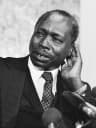
Kim Dae-jung (1924-2009) was a South Korean politician, activist, and statesman who served as the eighth president of South Korea. He won the Nobel Peace Prize in 2000 for promoting democracy and Korean reconciliation. His legacy transformed South Korean politics and inspired democratic movements across Asia.
Bab
Bab kehidupan
Bab 1 · 1924· Bab 1 daripada 7
Early Life and Origins
Kim Dae-jung was born on January 6, 1924, on Hauido, a small island in South Korea's South Jeolla Province. Growing up during the Japanese colonial period, he witnessed firsthand the struggles of his people under foreign occupation. This early exposure to oppression would shape his lifelong commitment to democratic values and human rights. His humble island origins instilled in him a deep understanding of ordinary people's struggles, which would later influence his political philosophy and policies as a leader.
Bab 2· Bab 2 daripada 7
Career Beginnings
Kim began his professional life as a journalist, using his writing skills to document and comment on the political and social conditions of his time. This experience in journalism honed his communication abilities and deepened his understanding of media's role in democratic society. The transition from journalism to politics was natural for Kim, as both professions allowed him to advocate for the causes he believed in and give voice to the voiceless in Korean society.
Bab 3 · 1998· Bab 3 daripada 7
Major Achievements and Career Highlights
Kim's most significant achievement was serving as the eighth President of the Republic of Korea from 1998 to 2003, a role that crowned decades of political struggle and advocacy. His presidency was marked by significant economic reforms and efforts to strengthen democratic institutions in South Korea. However, his greatest international recognition came in 2000 when he was awarded the Nobel Peace Prize for his work for democracy and human rights in South Korea and East Asia, and particularly for peace and reconciliation with North Korea.
The Nobel Committee specifically recognized his efforts to promote dialogue between North and South Korea, highlighting his unique approach to inter-Korean relations. His historic summit with North Korean leader Kim Jong-il in 2000 represented a watershed moment in Korean Peninsula politics and demonstrated his commitment to peaceful resolution of conflicts.
Bab 4· Bab 4 daripada 7
Notable Works and Contributions
Throughout his career, Kim was a prolific writer who documented his political philosophy and experiences in numerous books and speeches. His notable works include "My Fight for Democracy in Korea," "Asian Tradition and Cosmopolitan Politics," and "Conscience in Action." These writings provide insight into his democratic philosophy and his vision for Korea's future. He also wrote extensively about the Kwangju Uprising, a crucial moment in South Korea's democratization movement.
His speeches and lectures, including "Peace on the Korean Peninsula and East Asia" delivered in Singapore, articulated his vision for regional peace and cooperation. Other significant works include "Building Peace and Democracy Philosophy," "A New Beginning," and "Divided Nations and Transitional Justice," which explored themes of reconciliation and democratic transition that defined his political career.
Bab 5· Bab 5 daripada 7
Political Struggles and Perseverance
Kim's path to the presidency was marked by tremendous personal sacrifice and political persecution. He survived multiple assassination attempts and endured years of imprisonment and exile under South Korea's military governments. These experiences, rather than breaking his spirit, strengthened his resolve to fight for democratic principles and human rights. His ability to maintain hope and continue his political struggle despite facing life-threatening opposition became legendary in South Korean politics.
Bab 6 · 2003· Bab 6 daripada 7
Later Years and Final Contributions
After completing his presidential term in 2003, Kim remained active in promoting democracy and peace initiatives throughout East Asia. He continued to write and speak about democratic values and inter-Korean reconciliation until his health began to decline. His later years were spent consolidating his life's work and mentoring younger generations of democratic leaders. Kim Dae-jung passed away on August 18, 2009, at Severance Hospital in South Korea, leaving behind a rich legacy of democratic advocacy and peaceful diplomacy.
Bab 7· Bab 7 daripada 7
Legacy and Impact
Kim Dae-jung's impact on South Korean democracy and East Asian politics cannot be overstated. He helped transform South Korea from an authoritarian state into a thriving democracy, paving the way for future generations to enjoy freedoms that seemed impossible during his youth. His approach to North-South relations, often called the "Sunshine Policy," influenced subsequent diplomatic efforts on the Korean Peninsula. Today, he is remembered not only as a successful politician but as a moral leader who demonstrated that principled leadership and persistent advocacy for human rights can create lasting change in even the most challenging circumstances.
Kehidupan dalam saat-saat
Saat-saat yang membentuk kehidupan
Soalan Lazim
Soalan lazim
Bilakah Kim Dae-jung meninggal dunia?
Kim Dae-jung meninggal dunia pada 18 Ogos 2009 di Severance Hospital, South Korea, pada usia 85 tahun.
Di manakah Kim Dae-jung dilahirkan?
Kim Dae-jung dilahirkan di Hauido, South Korea pada 6 Januari 1924.
Kim Dae-jung paling dikenali kerana apa?
Kim Dae-jung paling dikenali kerana 8th President of the Republic of Korea.
Berapakah usia Kim Dae-jung ketika meninggal dunia?
Kim Dae-jung berusia 85 tahun ketika meninggal dunia.
Apakah kewarganegaraan Kim Dae-jung?
Kim Dae-jung berasal dari South Korea.
Garis Masa
Kehidupan secara sekilas
Galeri foto
Kehidupan dalam gambar
Klik mana-mana polaroid untuk membesarkan · 47 foto
Kod QR
Kongsi Biografi Ini
Cetak & Kongsi
Imbas untuk melawat halaman biografi ini. Cetak untuk acara, pameran, atau bahan pendidikan.