Dilahirkan
June 14, 1924
Uddingston, United Kingdom
Meninggal
March 21, 2010
London, Roman Empire
Terkenal kerana
Scottish doctor and pharmacologist
James Black (1924–2010) was United Kingdom best known for Scottish doctor and pharmacologist.
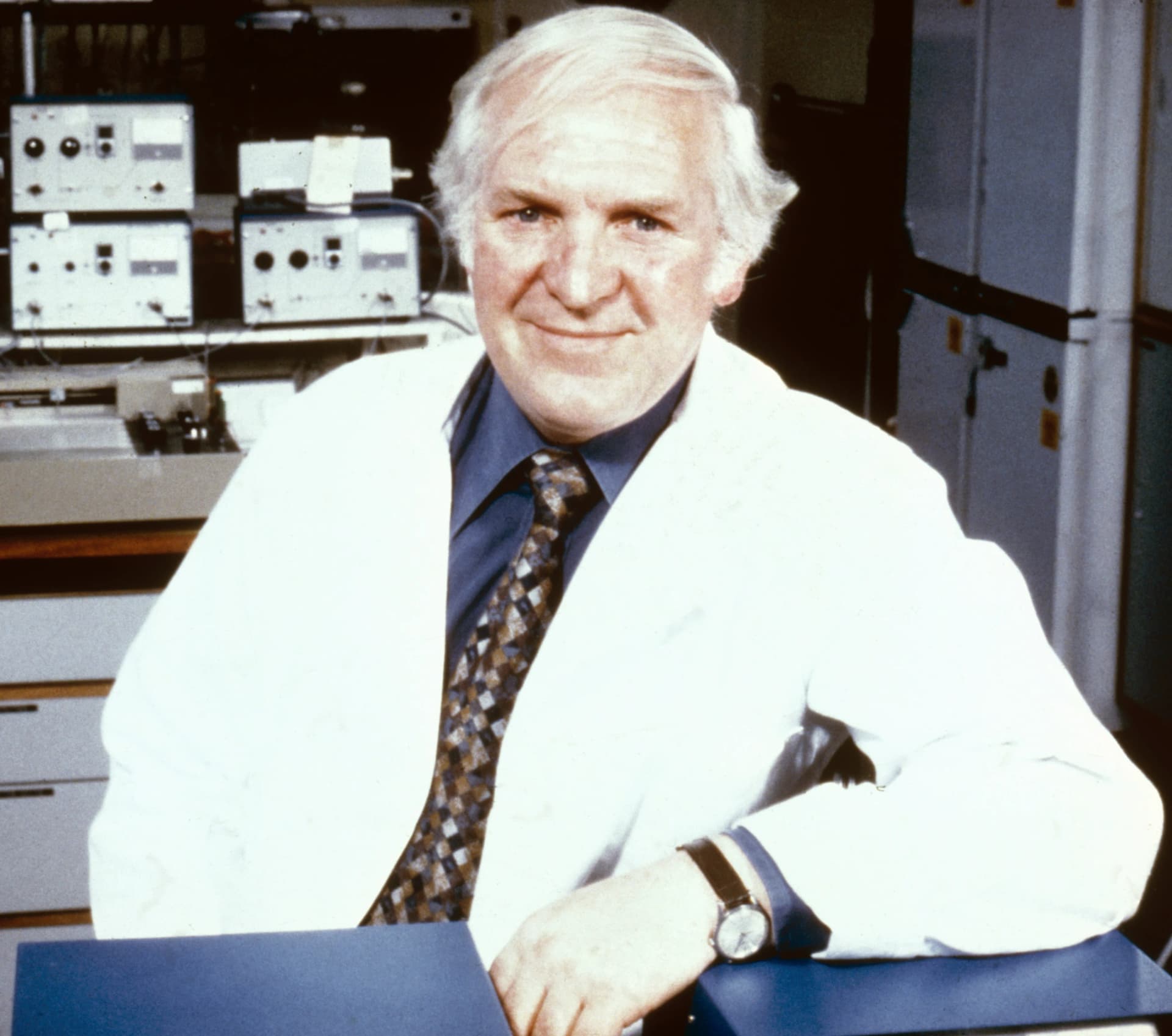
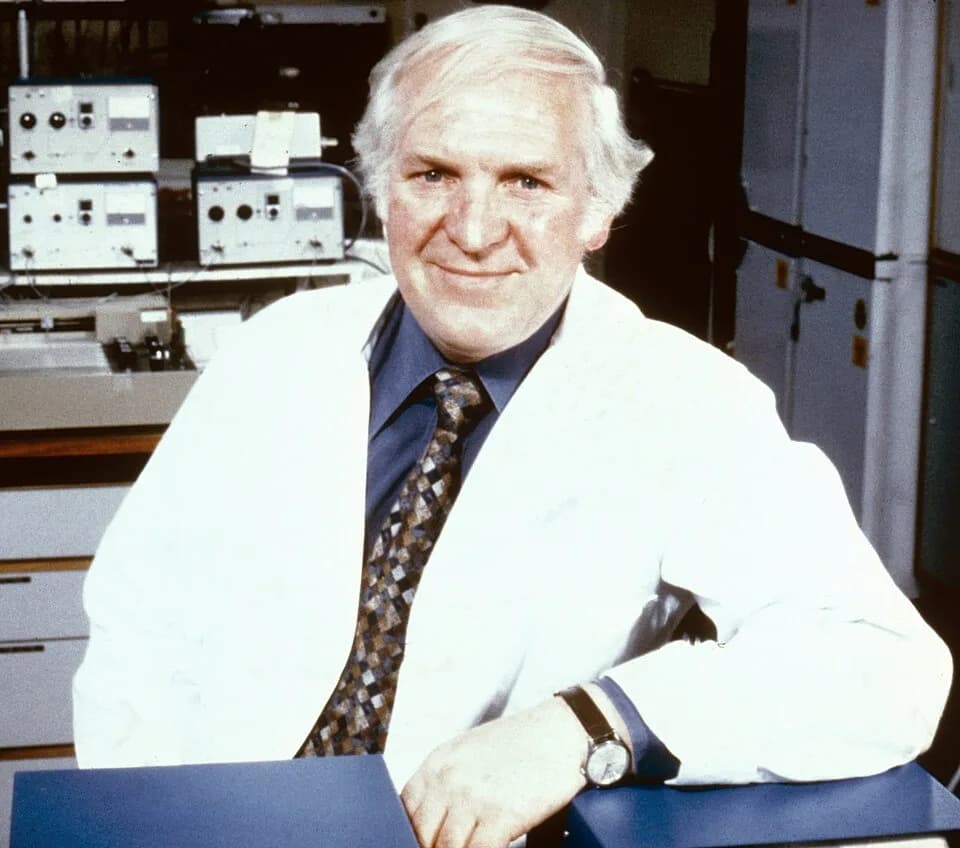
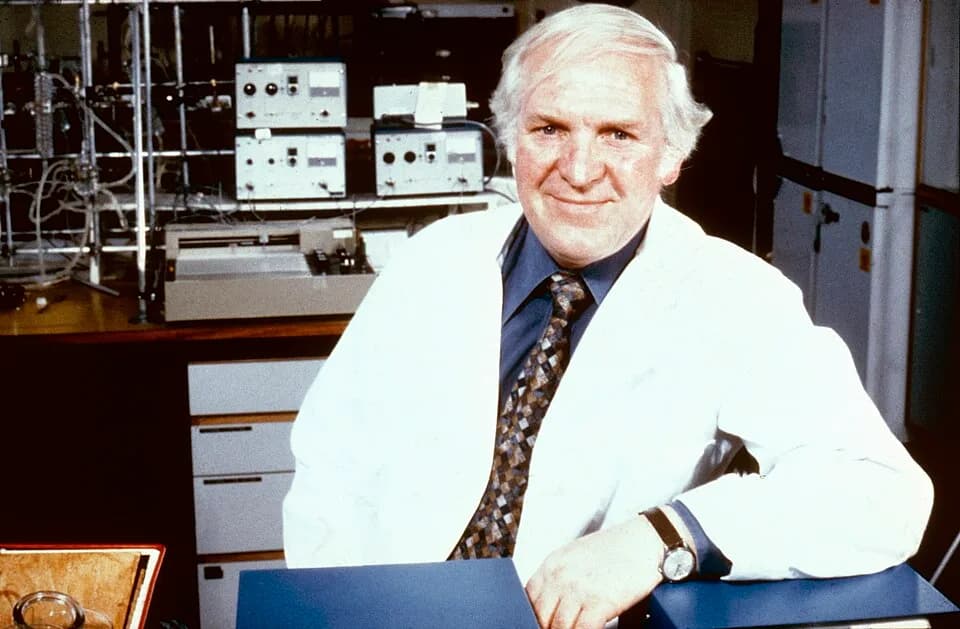
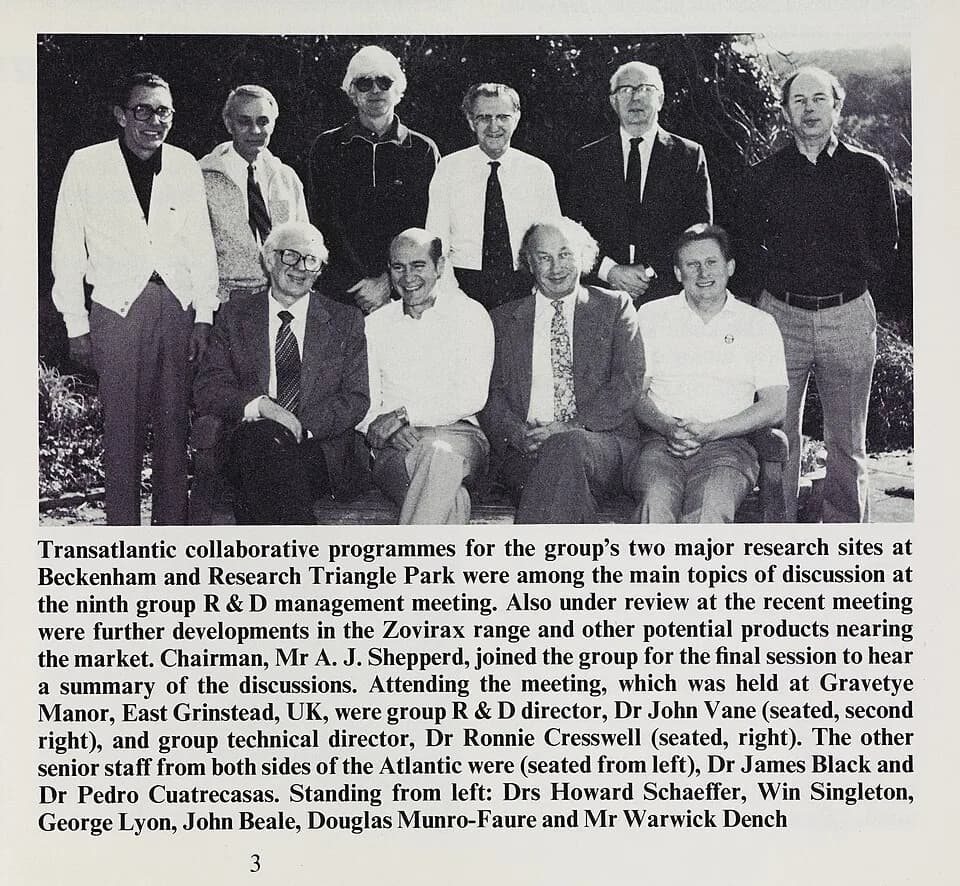
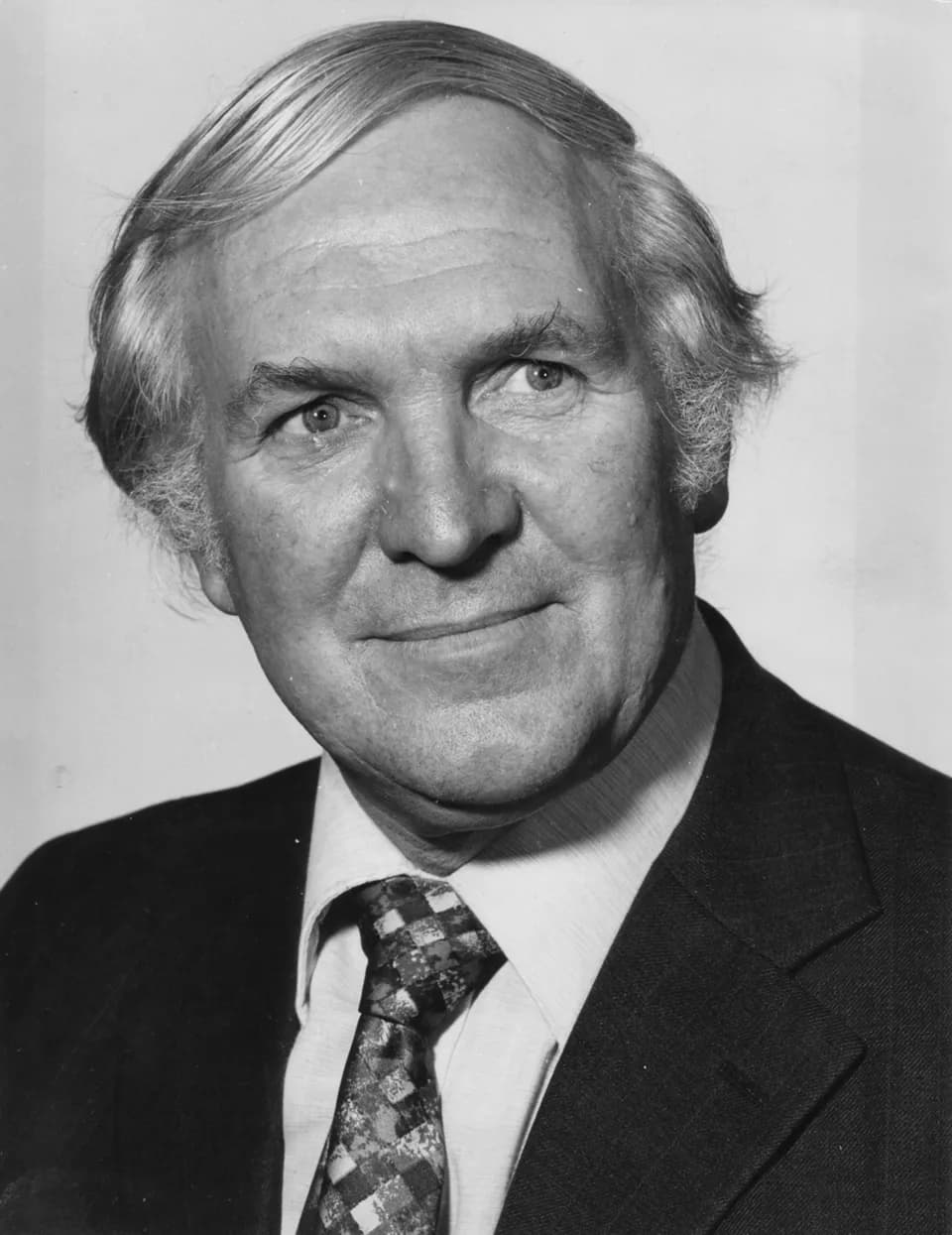
Sir James Black (June 14, 1924 – March 21, 2010) was a Scottish physician and pharmacologist. He shared the 1988 Nobel Prize for Medicine for pioneering rational drug-design strategies, leading to the development of propranolol and cimetidine. His work revolutionized treatments for heart disease and stomach ulcers.
Bab
Bab kehidupan
Bab 1 · 1924· Bab 1 daripada 6
Early Life and Origins
James Black was born on June 14, 1924, in Uddingston, United Kingdom. His formative years in Scotland set the stage for a career deeply rooted in scientific inquiry and medical advancement. While specific details of his early family life are not extensively documented, his eventual path reflects a keen intellect and a drive to understand complex biological systems.
His education laid the groundwork for his diverse professional roles as a physician, inventor, pharmacist, chemist, and university teacher. This multidisciplinary background proved crucial in his later successes, allowing him to approach medical challenges from various perspectives. His early experiences undoubtedly fostered the analytical rigor that would characterize his significant scientific contributions.
Bab 2· Bab 2 daripada 6
Career Beginnings
Black began his career making notable contributions in academic settings. He established a Veterinary Physiology department at the University of Glasgow, demonstrating his early leadership and academic prowess. During his time there, his scientific curiosity naturally gravitated towards fundamental biological processes, specifically developing an interest in the effects of adrenaline on the human heart.
This early research into adrenaline's impact on cardiac function was a critical turning point. It provided the foundational understanding that would later guide his efforts in targeted drug development. His work at Glasgow underscored his commitment to both teaching and research, preparing him for the groundbreaking discoveries that lay ahead in the pharmaceutical industry.
Bab 3 · 1958· Bab 3 daripada 6
Major Achievements and Career Highlights
A pivotal moment in Sir James Black's career occurred in 1958 when he transitioned to ICI Pharmaceuticals. It was within this industrial research environment that he truly flourished as an inventor and pharmacologist. His methodical approach to drug discovery began to yield extraordinary results, impacting millions worldwide.
At ICI, he successfully developed propranolol, a revolutionary beta blocker used effectively for the treatment of heart disease. This drug marked a significant advancement in cardiology, offering a new way to manage conditions previously difficult to control. His commitment to understanding physiological receptors allowed for such targeted therapeutic intervention.
Following this success, Black continued his innovative work, leading to the development of cimetidine. This drug, an H2 receptor antagonist, became a cornerstone in treating stomach ulcers. Both propranolol and cimetidine exemplify his unique methodology: understanding the body's mechanisms to design drugs that precisely interact with specific targets. For these pioneering strategies in rational drug design, which led to these life-saving medications, Sir James Black shared the Nobel Prize for Medicine in 1988 with Gertrude B. Elion and George H. Hitchings.
Bab 4· Bab 4 daripada 6
Notable Works or Contributions
The core of James Black's enduring contribution lies in his innovative approach to pharmacology. He championed a systematic methodology for drug design, moving beyond serendipitous discovery to a more rational, targeted process. This strategy involved identifying specific receptors in the body and then designing molecules to interact with them, either to block or activate their function.
Propranolol, developed during his tenure at ICI Pharmaceuticals, stands as a testament to this method. By understanding how adrenaline affects heart rate and blood pressure, Black designed a molecule that could block the beta-adrenergic receptors, thereby mitigating the heart's response to stress. This significantly improved outcomes for patients suffering from various heart conditions.
Similarly, cimetidine emerged from his research into histamine receptors in the stomach. Recognizing that blocking specific H2 receptors could reduce acid production, he engineered a drug that effectively treated stomach ulcers. Both drugs are exemplary models of rational drug design, showcasing his ability to translate complex biological insights into practical, effective therapeutic agents. These inventions continue to form the basis of treatment protocols globally.
Bab 5· Bab 5 daripada 6
Later Years
Even after his profound contributions to drug development and his recognition with the Nobel Prize, Sir James Black remained engaged with the scientific community. His final years were spent in reflection on a career that had genuinely transformed medical practice.
Sir James Black passed away on March 21, 2010, in London, United Kingdom. His passing marked the end of an era for a scientist who had dedicated his life to improving human health through rigorous inquiry and inventive problem-solving. His legacy of systematic drug development continued to inspire new generations of pharmacologists and medical researchers.
Bab 6· Bab 6 daripada 6
Legacy and Impact
Sir James Black's legacy is immense and continues to shape pharmaceutical research today. His concept of rational drug design fundamentally altered how new medicines are conceived and developed. He moved pharmacology towards a more predictable and efficient science, demonstrating that specific physiological targets could be identified and modulated with tailored chemical compounds.
The impact of propranolol and cimetidine on public health cannot be overstated. Propranolol became one of the most widely prescribed drugs for heart disease, saving countless lives and improving the quality of life for millions. Cimetidine, in turn, offered an effective treatment for stomach ulcers, previously a debilitating and often surgical condition, revolutionizing gastroenterology.
Beyond these specific drugs, Black's influence permeates the entire field of pharmacotherapy. His work validated the power of understanding fundamental biology to create targeted interventions. He leaves behind a legacy as a true pioneer, a brilliant pharmacologist, and an inventor whose vision continues to guide the search for new and better treatments for human ailments.
Kehidupan dalam saat-saat
Saat-saat yang membentuk kehidupan
Soalan Lazim
Soalan lazim
Bilakah James Black meninggal dunia?
James Black meninggal dunia pada 21 Mac 2010 di London, Roman Empire, pada usia 85 tahun.
Di manakah James Black dilahirkan?
James Black dilahirkan di Uddingston, United Kingdom pada 14 Jun 1924.
James Black paling dikenali kerana apa?
James Black paling dikenali kerana Scottish doctor and pharmacologist.
Berapakah usia James Black ketika meninggal dunia?
James Black berusia 85 tahun ketika meninggal dunia.
Apakah kewarganegaraan James Black?
James Black berasal dari United Kingdom.
Garis Masa
Kehidupan secara sekilas
Galeri foto
Kehidupan dalam gambar
Klik mana-mana polaroid untuk membesarkan · 25 foto
Kod QR
Kongsi Biografi Ini
Cetak & Kongsi
Imbas untuk melawat halaman biografi ini. Cetak untuk acara, pameran, atau bahan pendidikan.