Dilahirkan
June 16, 1897
Berlin, Margraviate of Brandenburg
Meninggal
August 26, 1987
Heidelberg, Germany
Terkenal kerana
German chemist (1979 Nobel Prize)
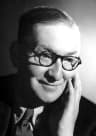
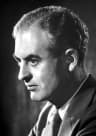
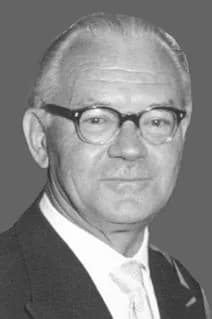
Georg Wittig (1897–1987) was Margraviate of Brandenburg best known for German chemist (1979 Nobel Prize).
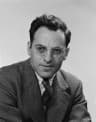
Georg Wittig (June 16, 1897 – August 26, 1987) was a German chemist who received the 1979 Nobel Prize in Chemistry. He is renowned for developing the Wittig reaction, a method for synthesizing alkenes from aldehydes and ketones. His work significantly advanced organic synthesis.
Bab
Bab kehidupan
Bab 1 · 1897· Bab 1 daripada 8
An Enduring Legacy in Organic Chemistry
Georg Wittig, born on June 16, 1897, and passing on August 26, 1987, was an esteemed German chemist whose contributions irrevocably shaped the field of organic synthesis. A dedicated chemist, mathematician, and university teacher, he is celebrated for developing a crucial methodology known as the Wittig reaction. This ingenious chemical process revolutionized the way alkenes are synthesized from aldehydes and ketones, earning him the prestigious Nobel Prize in Chemistry in 1979.
His work introduced phosphonium ylides as indispensable reagents, providing synthetic organic chemists with a powerful and reliable tool. Wittig's scientific career spanned decades, marked by rigorous research and a deep commitment to advancing chemical knowledge. He leaves behind an essential legacy, with his methodologies continuing to be fundamental in chemical laboratories around the world.
Bab 2 · 1897· Bab 2 daripada 8
Early Life and Origins
Georg Wittig's journey began in Berlin, then part of the Margraviate of Brandenburg, where he was born on June 16, 1897. His early life in the vibrant intellectual environment of pre-war Germany likely fostered his academic inclinations. The detailed records of his upbringing are not widely published, yet his eventual path into advanced scientific study indicates a nurturing environment for intellectual growth.
His foundational education prepared him for a distinguished career that would see him master not only chemistry but also mathematics. The academic standards of the era in Germany were exceptionally high, laying a strong groundwork for the complex theoretical and practical challenges he would later address. This early development in Berlin set the stage for a life dedicated to scientific inquiry and discovery.
Bab 3· Bab 3 daripada 8
Career Beginnings and Academic Pursuits
Wittig embarked on his professional trajectory as a chemist and mathematician, eventually embracing the role of a university teacher. This dual academic background provided him with a unique perspective, combining rigorous logical thinking with experimental precision in his chemical research. Early in his career, he focused on fundamental aspects of organic chemistry, gradually building the expertise that would lead to his later, more celebrated discoveries.
His commitment to academia saw him rise through the ranks, guiding students and conducting significant research projects within university settings. The environment of German universities at the time encouraged deep theoretical understanding alongside practical laboratory work. These initial years were crucial for developing the innovative approaches that would define his most famous work and establish his reputation as a leading figure in organic chemistry.
Bab 4· Bab 4 daripada 8
Major Achievements and Career Highlights
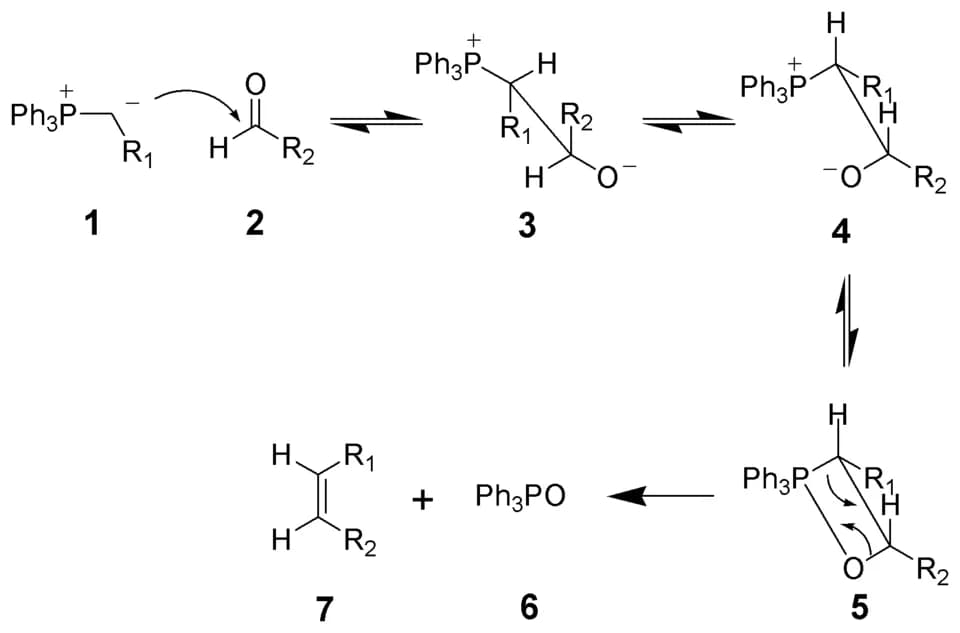
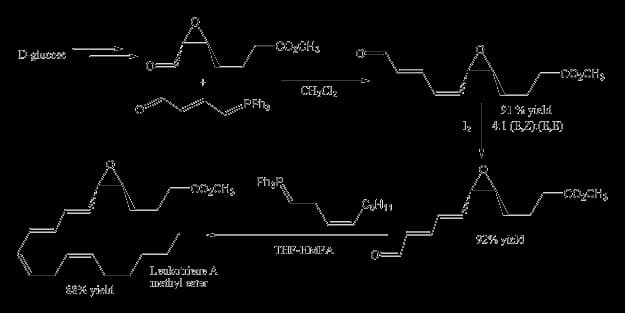
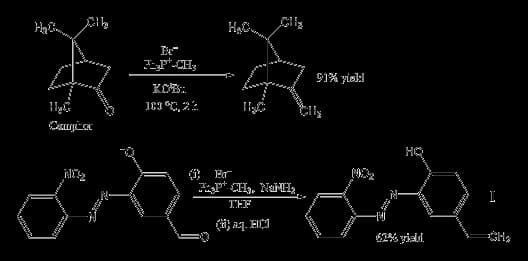
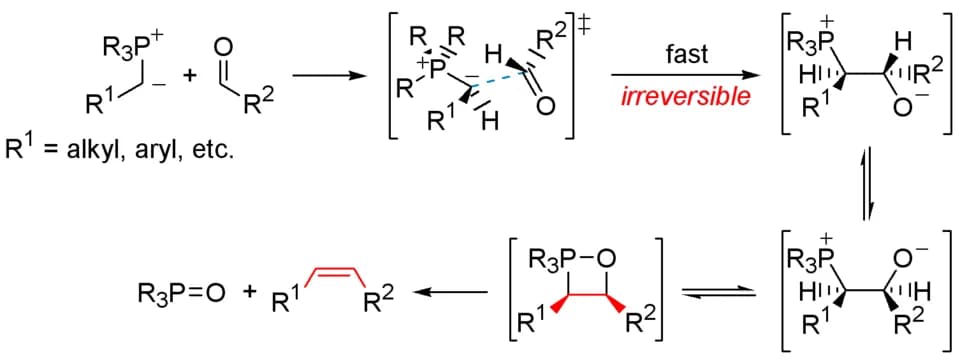
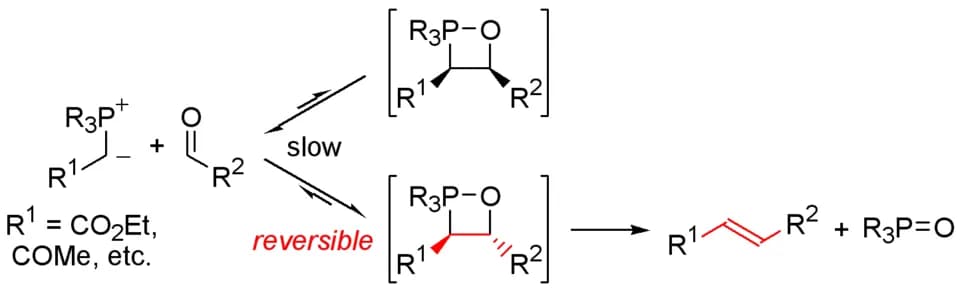
The zenith of Georg Wittig's illustrious career arrived with his development of the Wittig reaction, a monumental contribution to organic chemistry. This reaction provided a novel and highly efficient method for synthesizing alkenes by reacting aldehydes and ketones with phosphonium ylides. The elegance and utility of this method quickly made it an indispensable tool for synthetic chemists globally.
His groundbreaking work was formally recognized when he was awarded the Nobel Prize in Chemistry in 1979, sharing the honor with Herbert C. Brown. The Nobel Committee specifically cited their contributions for "their development of the use of boron- and phosphorus-containing compounds, respectively, into important reagents in organic synthesis." This award celebrated Wittig's pioneering efforts in harnessing phosphorus compounds to build complex organic molecules, a testament to his inventive genius and the lasting impact of his research.
Bab 5· Bab 5 daripada 8
Personal Life
While Georg Wittig's professional achievements are extensively documented and celebrated, details regarding his personal life outside his scientific endeavors are less publicly known. His dedication to chemistry, mathematics, and university teaching consumed a significant portion of his distinguished career. Information regarding his family, personal interests, or relationships is not readily available in the provided historical records.
It is evident that his scientific pursuits were central to his existence, leading to decades of research and instruction that profoundly influenced his field. Though private aspects of his life may remain largely unrecorded for public discourse, the enduring impact of his professional contributions speaks volumes about his character and commitment. His life was evidently defined by a deep engagement with the challenges and rewards of scientific discovery.
Bab 6· Bab 6 daripada 8
Notable Works and Contributions
Georg Wittig's most iconic contribution remains the Wittig reaction, a named reaction that profoundly altered the landscape of synthetic organic chemistry. This method ingeniously enables the formation of carbon-carbon double bonds, or alkenes, from carbonyl compounds such as aldehydes and ketones. The key to this transformation lies in the use of specialized phosphorus-containing reagents known as phosphonium ylides.
Before Wittig's work, achieving such transformations often involved more complex or less selective routes. The Wittig reaction offered a direct, predictable, and highly versatile pathway, becoming a cornerstone for the synthesis of countless organic compounds, including pharmaceuticals and natural products. His rigorous academic output, including an h-index of 4 across 6 papers, further underscores his active engagement in research and the dissemination of new chemical knowledge throughout his career.
Bab 7 · 1987· Bab 7 daripada 8
Later Years and Final Chapter
Georg Wittig continued to contribute to the scientific community well into his later years, his intellectual curiosity undiminished. He passed away on August 26, 1987, in Heidelberg, Germany, concluding a life rich with scientific discovery and academic service. His death marked the end of an era for many in the field of organic chemistry, yet his ideas and methods continued to thrive.
His legacy was already firmly established through his Nobel Prize and the widespread adoption of the Wittig reaction in laboratories worldwide. The final years of his life were spent in a nation he had seen transform significantly, leaving behind a scientific heritage that transcended national borders. Wittig's passing in Heidelberg, a city renowned for its academic traditions, brought to a close a long and distinguished career dedicated to the advancement of chemical science.
Bab 8· Bab 8 daripada 8
Legacy and Lasting Impact
The legacy of Georg Wittig is inextricably linked to the Wittig reaction, which remains one of the most fundamental and widely utilized synthetic tools in organic chemistry. This reaction is not merely a historical curiosity but an active and evolving area of study, continually adapted and refined for new applications. His work fundamentally changed how chemists approach the construction of complex organic molecules, making previously challenging syntheses routine.
Wittig's brilliance as a chemist and his dedication as a university teacher inspired generations of students and researchers. The principles he elucidated continue to be taught in organic chemistry courses globally, influencing how new chemists learn to build molecules. His contributions to the development of phosphorus-containing compounds as powerful reagents ensure that his name will forever be synonymous with innovation and excellence in the field of organic synthesis, securing his place as one of the most influential chemists of the 20th century.
Kehidupan dalam saat-saat
Saat-saat yang membentuk kehidupan

Soalan Lazim
Soalan lazim
Bilakah Georg Wittig meninggal dunia?
Georg Wittig meninggal dunia pada 26 Ogos 1987 di Heidelberg, Germany, pada usia 90 tahun.
Di manakah Georg Wittig dilahirkan?
Georg Wittig dilahirkan di Berlin, Margraviate of Brandenburg pada 16 Jun 1897.
Georg Wittig paling dikenali kerana apa?
Georg Wittig paling dikenali kerana German chemist (1979 Nobel Prize).
Berapakah usia Georg Wittig ketika meninggal dunia?
Georg Wittig berusia 90 tahun ketika meninggal dunia.
Apakah kewarganegaraan Georg Wittig?
Georg Wittig berasal dari Margraviate of Brandenburg.
Garis Masa
Kehidupan secara sekilas
Galeri foto
Kehidupan dalam gambar
Klik mana-mana polaroid untuk membesarkan · 23 foto
Kod QR
Kongsi Biografi Ini
Cetak & Kongsi
Imbas untuk melawat halaman biografi ini. Cetak untuk acara, pameran, atau bahan pendidikan.