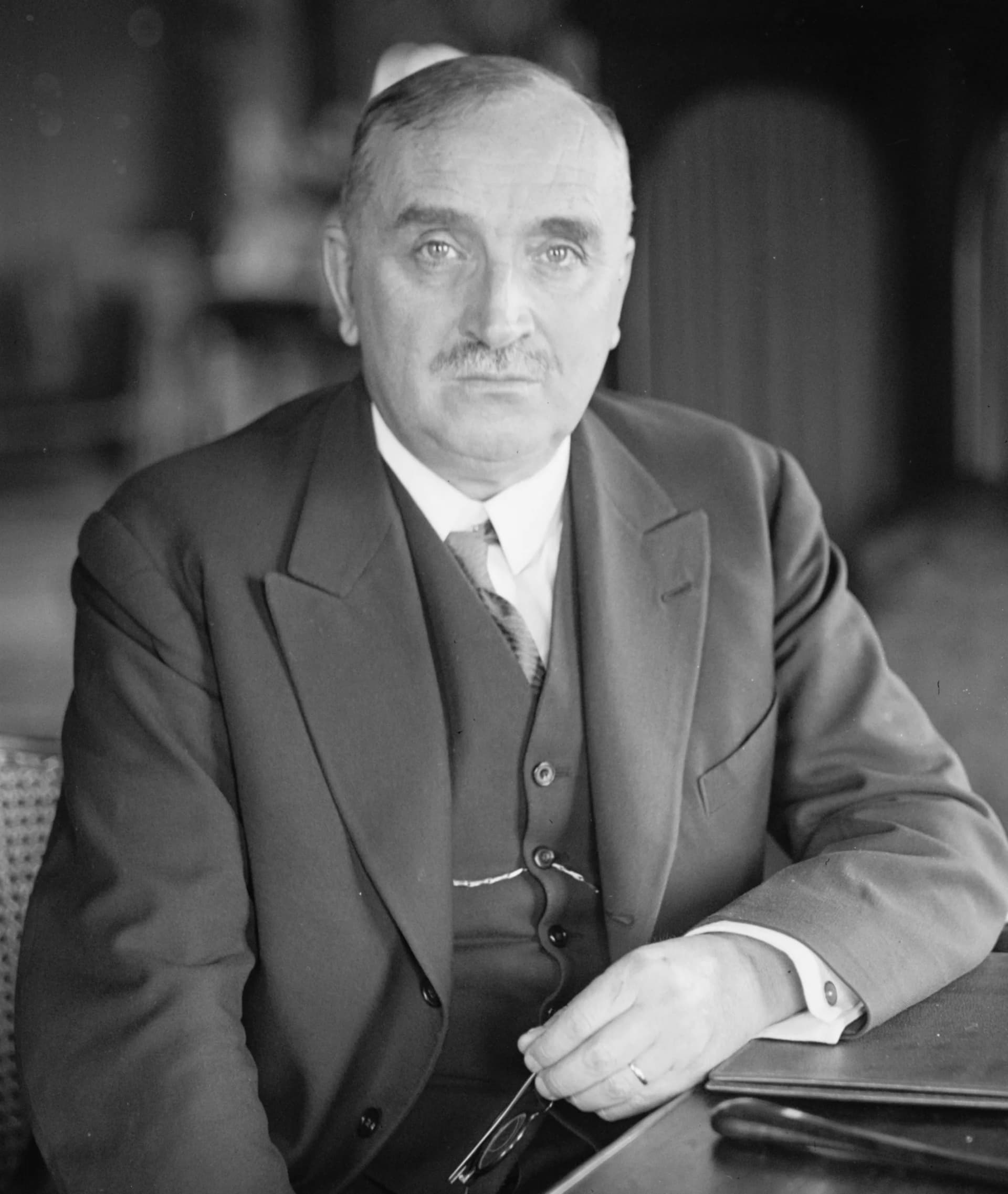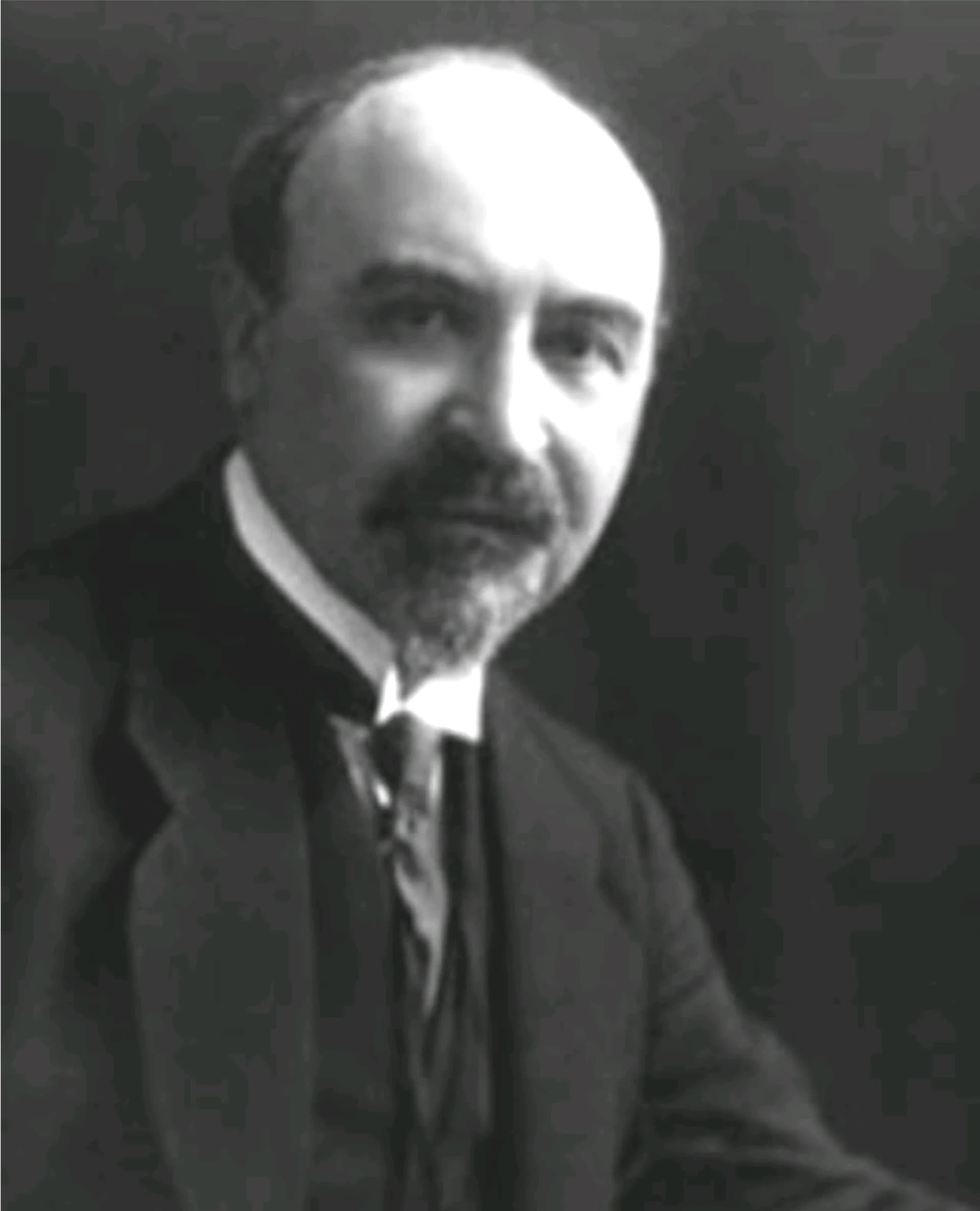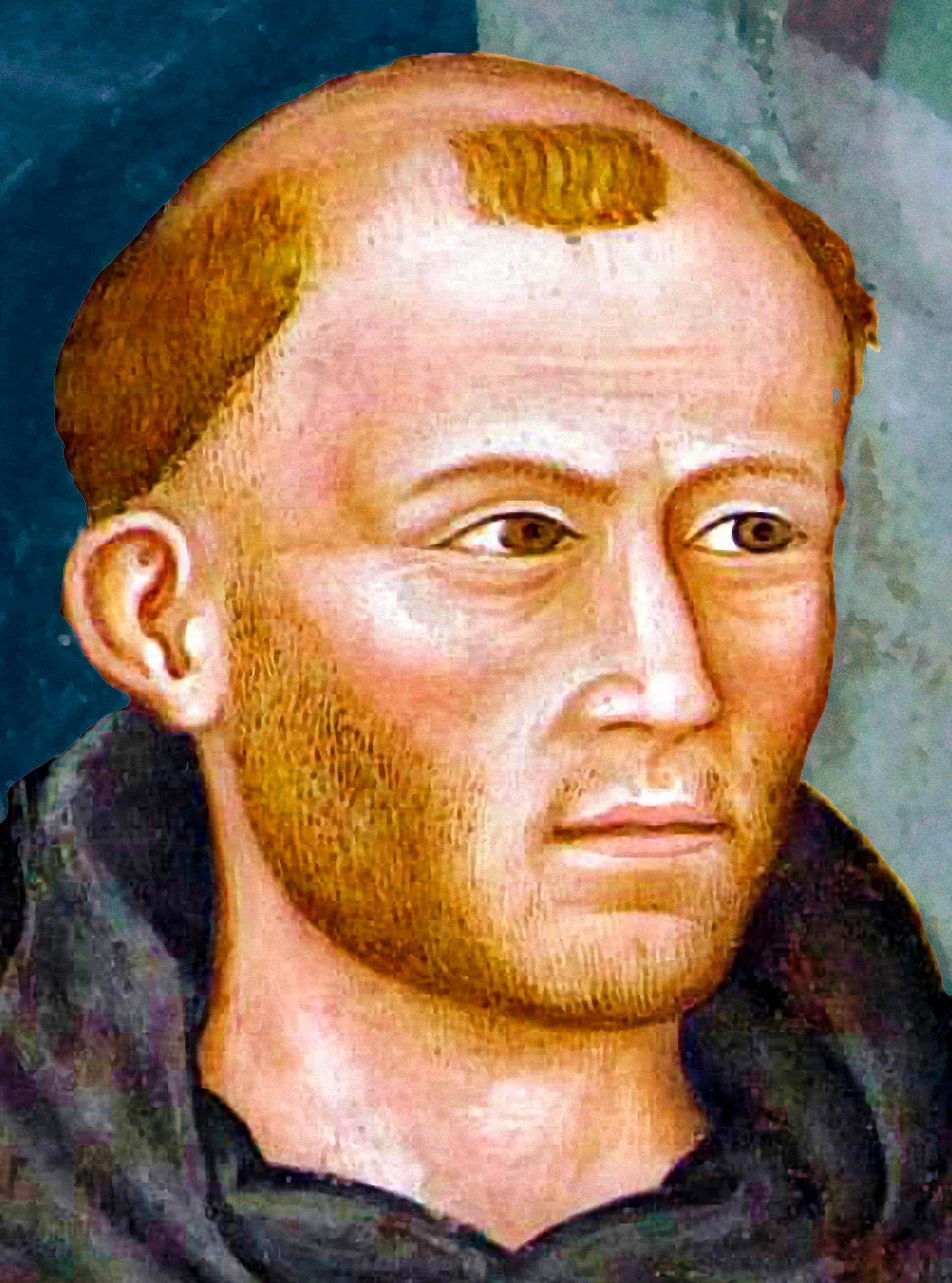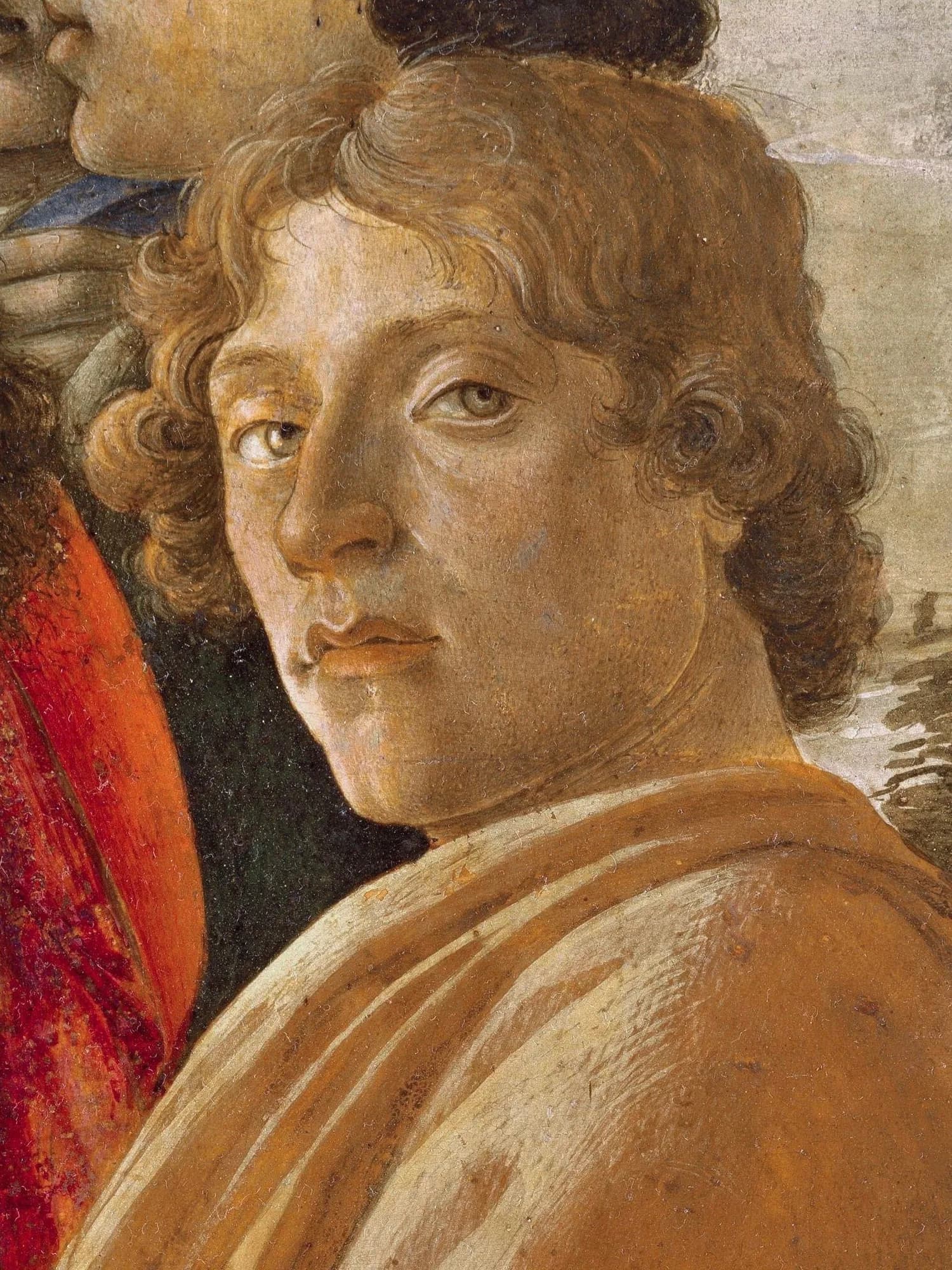
Dilahirkan
January 1, 1540
Fontenay-le-Comte, France
Meninggal
February 23, 1603
Paris, France
Terkenal kerana
French mathematician (*1540 – †1603)
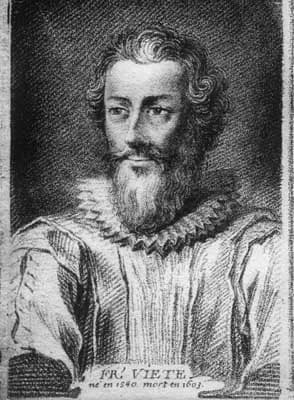
François Viète (1540–1603) was France best known for French mathematician (*1540 – †1603).
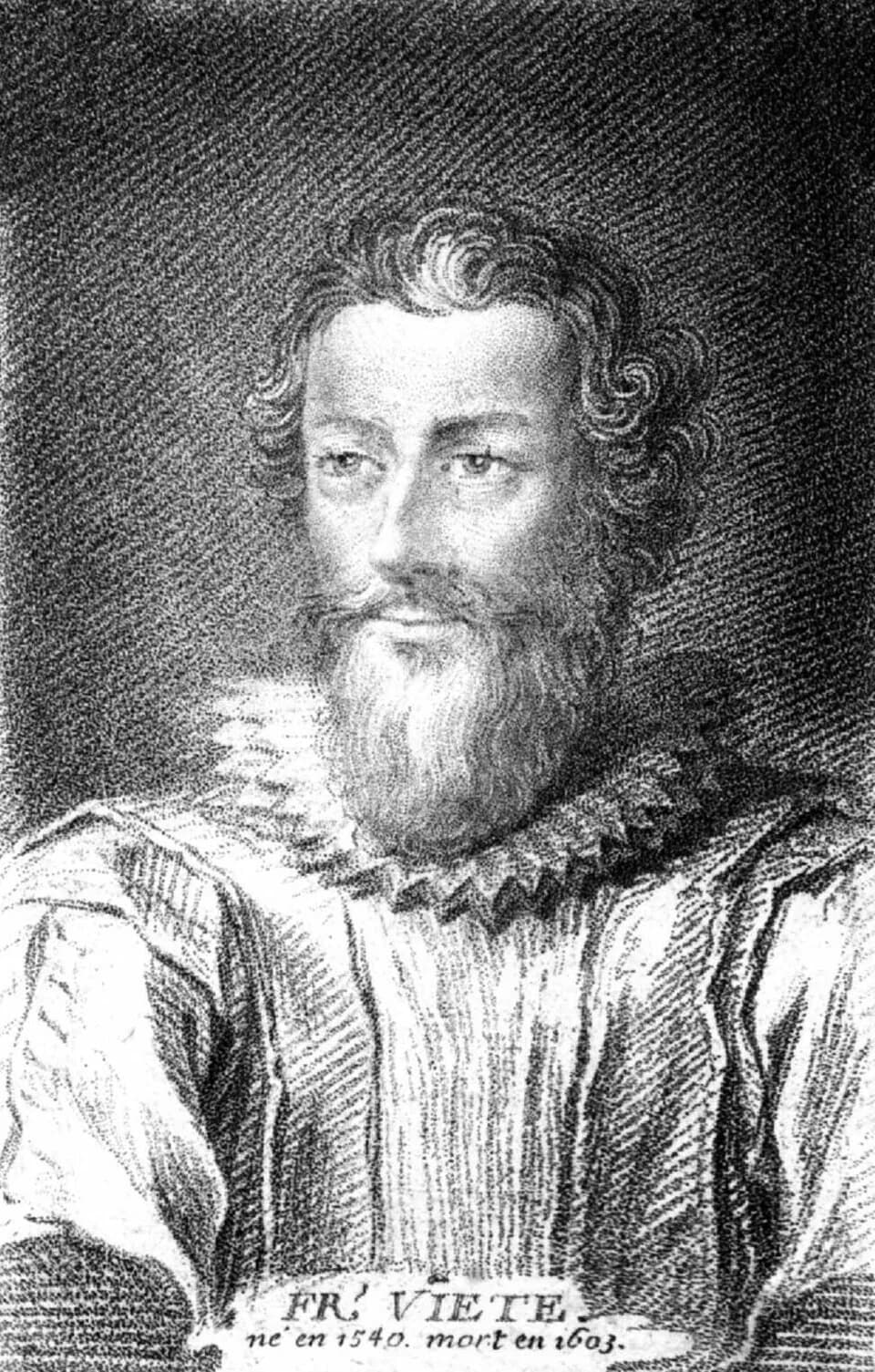
François Viète (January 1, 1540 – February 23, 1603) was a French mathematician, lawyer, and cryptographer. His work on new algebra and innovative use of letters as parameters significantly advanced algebraic notation. Viète is recognized as "the father of modern algebraic notation" for these contributions.
Kehidupan dalam saat-saat
Saat-saat yang membentuk kehidupan
Bab
Bab kehidupan
Bab 1 · 1540· Bab 1 daripada 7
Early Life and Origins
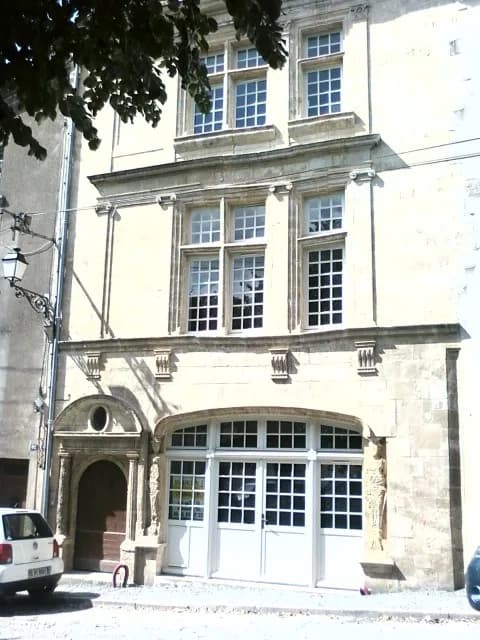
François Viète's journey began in Fontenay-le-Comte, France, where he was born on the first day of 1540. While specific details about his childhood and family life are not extensively documented, his later professional path indicates a robust education. His initial profession as a lawyer by trade suggests a strong grounding in classical learning and logic, preparing him for the rigorous intellectual pursuits that would define his life.
Bab 2· Bab 2 daripada 7
Career Beginnings
Professionally, Viète first established himself in the legal field, serving diligently as a lawyer. This background in law provided him with an analytical rigor that he would later apply to mathematics. His intellect and capabilities were evidently recognized at the highest levels of French society, as he ascended to the esteemed position of a privy councillor. He served in this capacity under two successive French monarchs, Henry III and Henry IV, demonstrating his trusted status and influence within the royal court.
Bab 3· Bab 3 daripada 7
Major Achievements and Career Highlights
Viète's most enduring legacy stems from his profound contributions to mathematics, particularly his work on new algebra. He revolutionized the field by introducing the systematic use of letters to represent both unknown quantities and given parameters in equations. This conceptual leap transformed algebra from a collection of specific problem-solving techniques into a more generalized, abstract system, laying the foundations for future algebraic developments.
His innovative notation allowed for the clear articulation of algebraic laws and formulas, making complex mathematical relationships more accessible and manipulable. This was an important step towards modern algebra, fundamentally changing how mathematicians approached and solved problems. Beyond his algebraic innovations, Viète's professional life also included work as a cryptographer, a skill that was invaluable to the French monarchy during times of political intrigue.
Bab 4· Bab 4 daripada 7
Personal Life
While François Viète's professional accomplishments are well-documented, specific details regarding his personal life, including family relationships, marital status, or particular interests outside of his academic pursuits, are not provided in the available historical information. His dedication to his work as a lawyer, royal councillor, and particularly as a mathematician appears to have been his primary focus.
Bab 5 · 1983· Bab 5 daripada 7
Notable Works or Contributions
Among Viète's significant mathematical output, several works are referenced that highlight his enduring influence. His seminal ideas were collected and explored in publications such as "The analytic art: nine studies in algebra, geometry, and trigonometry from the Opus restitutae mathematicae analyseos, seu, Algebrâ novâ," a work compiled in 1983 that continues to be studied. This publication, reflecting his original contributions, has been cited numerous times, demonstrating its lasting academic relevance.
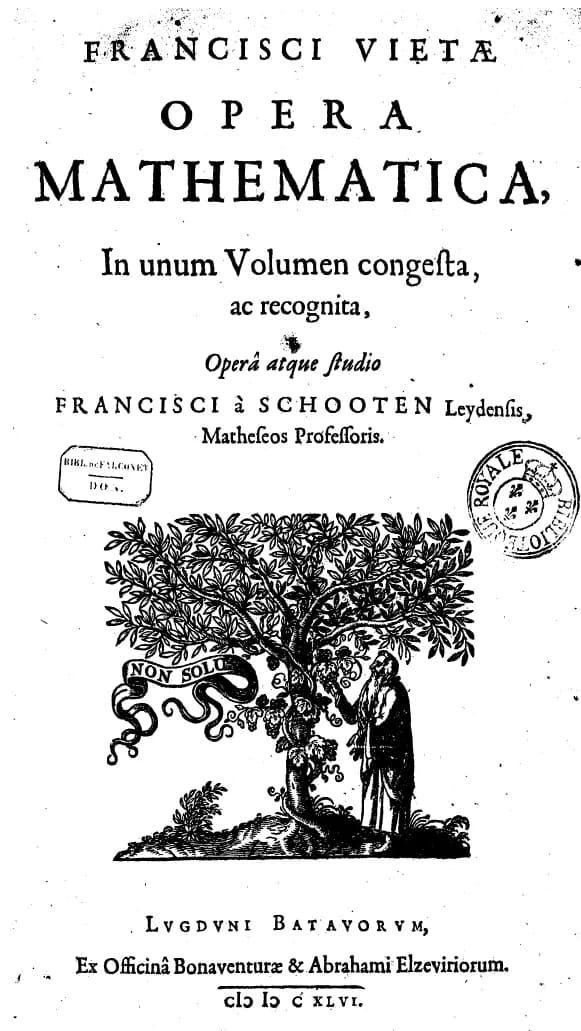
Another important compilation of his mathematical achievements is "Francisci Vietae Opera mathematica, in unum volumen congesta ac recognita, operâ atque studio Francisci à Schooten ...," published in 1967. This collection, under his Latinized name Franciscus Vieta, brings together his various mathematical works, allowing scholars to engage directly with his original thoughts. Furthermore, scholarly works like "Viète, Descartes, and the Emergence of Modern Mathematics" (2004) attest to his foundational role in the progression of mathematical thought, placing him in critical historical context alongside other giants of the field.
Bab 6 · 1603· Bab 6 daripada 7
Later Years
François Viète concluded his remarkable life in Paris, France, where he passed away on February 23, 1603. His death marked the end of an era for a mind that had profoundly reshaped the mathematical landscape. Though specific details about his activities in his final years are not extensively recorded, his intellectual contributions had already secured his place in history.
Bab 7· Bab 7 daripada 7
Legacy and Impact
The impact of François Viète's work resonates strongly through the centuries, continuing to shape the way mathematics is understood and taught. His innovative use of letters as parameters in algebraic equations was a critical advancement, providing the flexibility and generality necessary for the field to progress significantly. This pivotal innovation is why he is frequently honored with the title "the father of modern algebraic notation."
Viète's contributions moved algebra beyond its rhetorical and syncopated forms, paving the way for the symbolic algebra we recognize today. His work laid foundational steps that were built upon by subsequent mathematicians, fundamentally influencing the trajectory of modern mathematical development. The principles he introduced remain integral to algebra and its applications across various scientific disciplines, ensuring his lasting legacy as a true pioneer.
Soalan Lazim
Soalan lazim
Bilakah François Viète meninggal dunia?
François Viète meninggal dunia pada 23 Februari 1603 di Paris, France, pada usia 63 tahun.
Di manakah François Viète dilahirkan?
François Viète dilahirkan di Fontenay-le-Comte, France pada 1 Januari 1540.
François Viète paling dikenali kerana apa?
François Viète paling dikenali kerana French mathematician (*1540 – †1603).
Berapakah usia François Viète ketika meninggal dunia?
François Viète berusia 63 tahun ketika meninggal dunia.
Apakah kewarganegaraan François Viète?
François Viète berasal dari France.
Garis Masa
Kehidupan secara sekilas
Galeri foto
Kehidupan dalam gambar
Klik mana-mana polaroid untuk membesarkan · 45 foto
Kod QR
Kongsi Biografi Ini
Cetak & Kongsi
Imbas untuk melawat halaman biografi ini. Cetak untuk acara, pameran, atau bahan pendidikan.