Dilahirkan
August 15, 1872
Sri Aurobindo Bhawan, India
Meninggal
December 5, 1950
Pondicherry, India
Terkenal kerana
Indian Bengali philosopher, yogi, maharishi, poet and nationalist
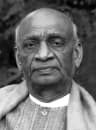
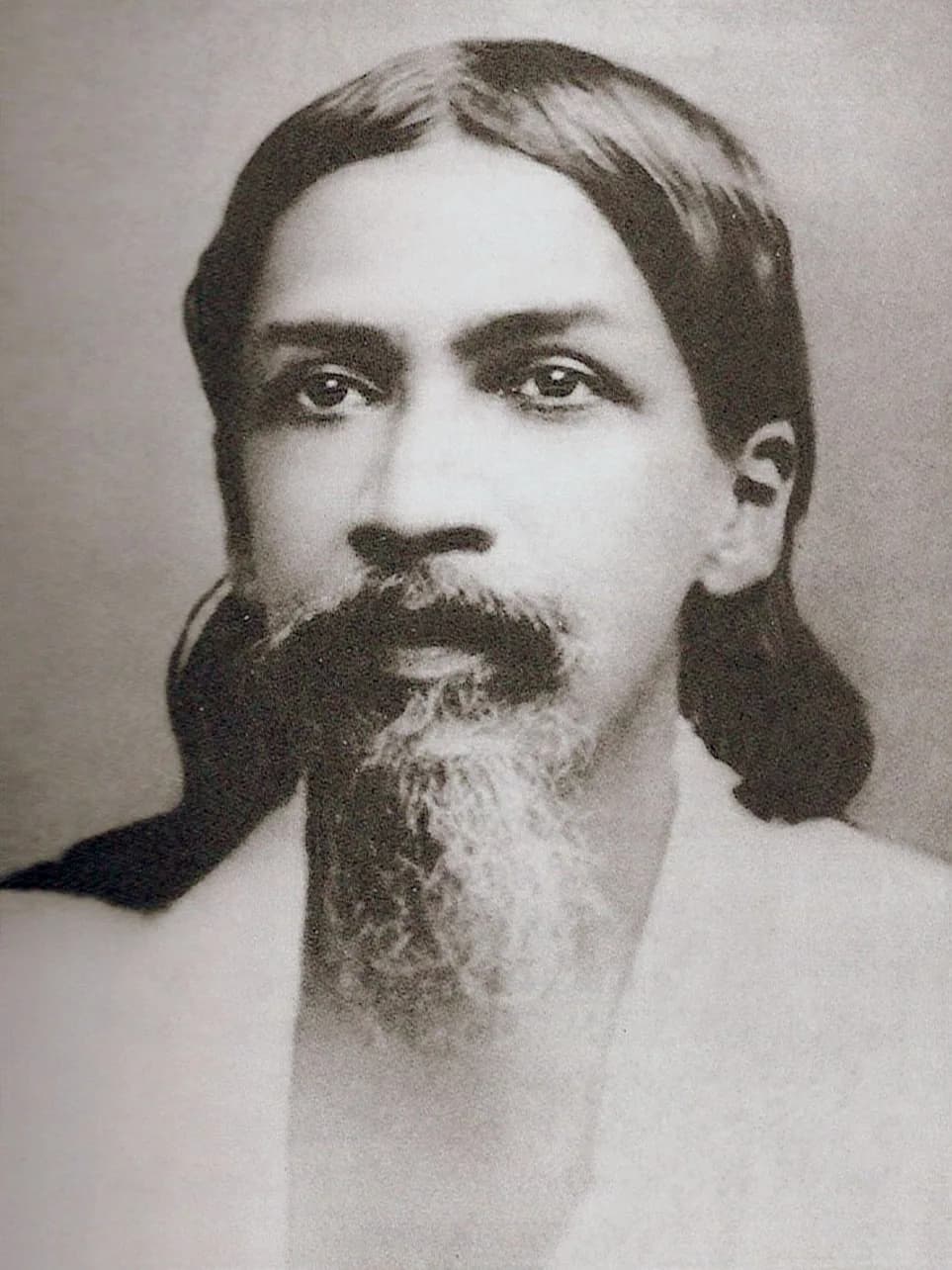
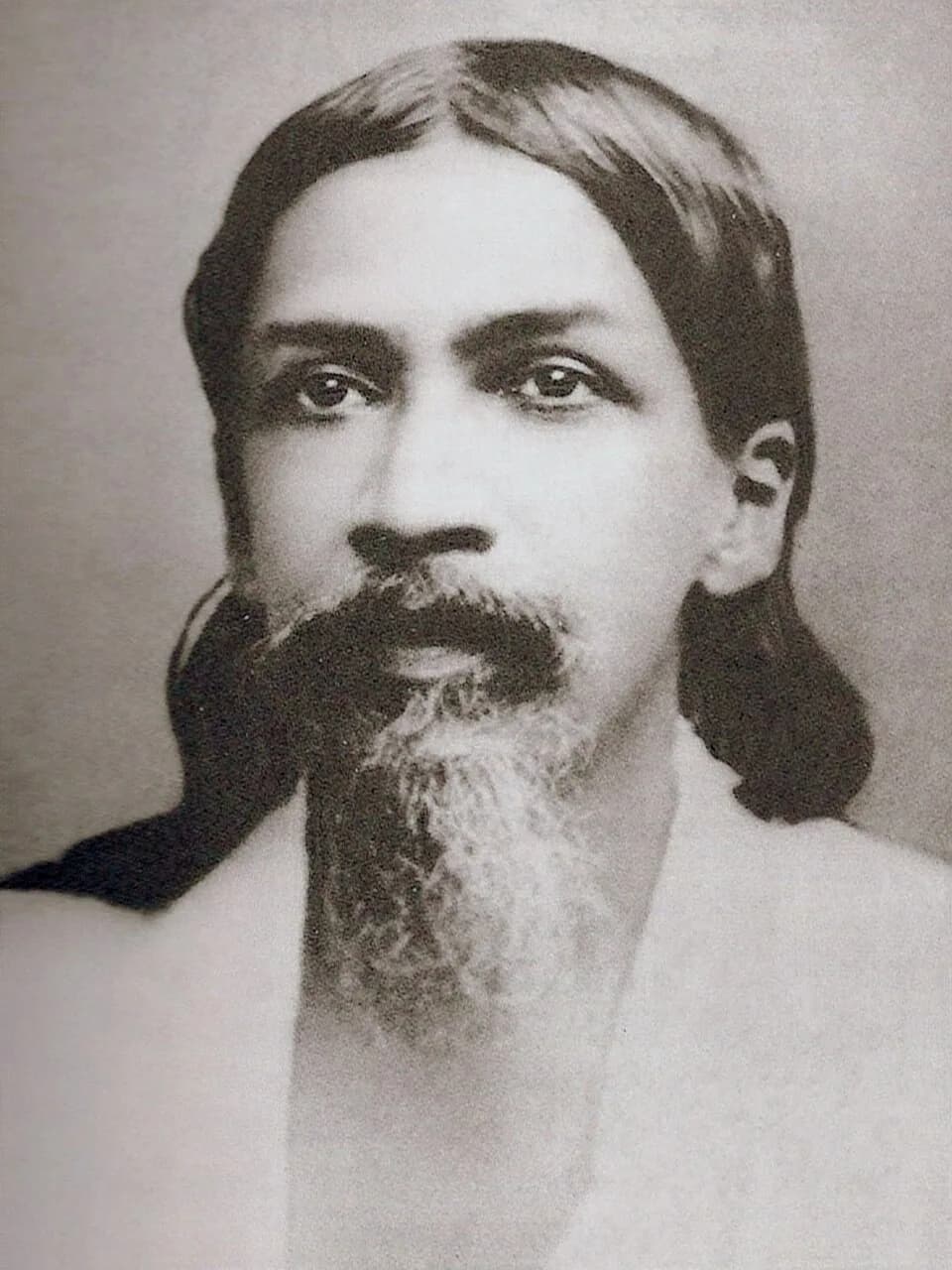
Aurobindo Ghosh (1872–1950) was India best known for Indian Bengali philosopher, yogi, maharishi, poet and nationalist.
Aurobindo Ghosh (August 15, 1872 – December 5, 1950) was an Indian philosopher, yogi, and nationalist. He championed India's independence and later developed Integral Yoga, profoundly influencing spiritual thought. His extensive works include <i>The Life Divine</i> and <i>Savitri</i>.
Bab
Bab kehidupan
Bab 1 · 1872· Bab 1 daripada 7
Early Life and Origins
Born on August 15, 1872, in Sri Aurobindo Bhawan, India, Aurobindo Ghosh’s early environment likely fostered the intellectual curiosity that defined his adult life. While specific details of his family and upbringing beyond his birthplace are not extensively provided, his later achievements as a polymath and spiritual leader suggest a foundation built on profound intellectual engagement. This early period set the stage for his multifaceted career across various disciplines, ranging from literature to political science.
Bab 2· Bab 2 daripada 7
Career Beginnings
Aurobindo Ghosh commenced his professional journey in various capacities, initially serving as a civil servant and later as a dedicated professor. He was known for his sharp intellect and his growing involvement in India’s political landscape, taking on roles as a politician and editor. Early in his career, he also contributed to the educational sector, serving as a principal and vice-principal, demonstrating his commitment to the development of young minds and institutions.
His deep-seated nationalist sentiments soon propelled him to the forefront of the independence movement, where he became a prominent revolutionary figure. Through his powerful writings as an essayist and literary critic, he began to articulate the demand for complete autonomy for India. These formative years were critical in shaping his public persona as a fearless advocate for freedom and national self-determination.
Bab 3· Bab 3 daripada 7
Major Achievements and Career Highlights
Aurobindo Ghosh's most significant public achievement was his courageous participation in the movement for India's independence from British rule. He relentlessly advocated for complete autonomy, employing both his skills as a writer and his active engagement in political circles to rally support. His profound influence as a nationalist leader cannot be overstated, inspiring countless individuals through his words and actions.
A defining turning point in his life involved his arrest, subsequent imprisonment, and eventual acquittal, which marked a transition from active political engagement to a deeper spiritual quest. This period of incarceration provided a crucible for introspection, ultimately leading him towards a path of profound inner transformation. His shift to spiritual endeavors after his acquittal represented a major highlight, charting a new course for his life's work.
Bab 4· Bab 4 daripada 7
Personal Life
While the available information primarily details his public and intellectual achievements, Aurobindo Ghosh's personal life underwent a significant spiritual reorientation. His conscious decision to withdraw from active politics and dedicate himself to spiritual practice in Pondicherry speaks volumes about his inner journey and personal convictions. This retreat was not merely a change of location but a profound commitment to self-realization and the pursuit of a deeper understanding of existence. His life became a testament to the pursuit of higher consciousness.
Bab 5· Bab 5 daripada 7
Notable Works or Contributions
Aurobindo Ghosh's contributions to literature and philosophy are vast and enduring, solidifying his reputation as a profound thinker and writer. Among his most celebrated works are the philosophical treatises The Life Divine and The Synthesis of Yoga, which articulate his unique spiritual philosophy. These texts explore the evolution of consciousness and the integration of material and spiritual life, offering a comprehensive vision for human transformation.
Beyond philosophical prose, he was also a distinguished poet, most notably for his epic poem Savitri: A Legend and a Symbol. This extensive work, composed over many years, is a symbolic poem that delves into themes of truth, death, and spiritual rebirth, often regarded as one of the most significant spiritual epics in English literature. His literary output demonstrates his mastery across various genres and his ability to convey complex spiritual concepts with clarity and artistic grace.
Bab 6 · 1950· Bab 6 daripada 7
Later Years
Following his pivotal acquittal, Aurobindo Ghosh made the significant decision to relocate to Pondicherry, India, where he devoted the remainder of his life to intensive spiritual practice and exploration. From his establishment in Pondicherry, he meticulously developed and articulated the principles of Integral Yoga, a synthesis of spiritual paths aimed at a complete transformation of human consciousness. His final decades, leading up to his passing on December 5, 1950, were spent in deep contemplation, writing, and guiding disciples, consolidating his spiritual philosophy.
Bab 7· Bab 7 daripada 7
Legacy and Impact
The legacy of Aurobindo Ghosh is truly far-reaching, profoundly influencing both political thought and spiritual philosophy across India and beyond. His early, fervent efforts as a nationalist and revolutionary continue to inspire dialogues about national identity, independence, and the inherent right to self-determination. He remains an iconic figure in the history of India's freedom struggle, celebrated for his intellectual rigor and his unwavering commitment.
Equally significant is his lasting impact as a maharishi and philosopher, particularly through the development of Integral Yoga, which offers a unique and comprehensive path to spiritual evolution. His philosophical insights and spiritual teachings have resonated with seekers worldwide, establishing him as a pioneering figure in modern yogic thought. Aurobindo Ghosh's vision continues to guide those aspiring for a higher consciousness and a harmonious integration of all aspects of existence.
Kehidupan dalam saat-saat
Saat-saat yang membentuk kehidupan
Soalan Lazim
Soalan lazim
Bilakah Aurobindo Ghosh meninggal dunia?
Aurobindo Ghosh meninggal dunia pada 5 Disember 1950 di Pondicherry, India, pada usia 78 tahun.
Di manakah Aurobindo Ghosh dilahirkan?
Aurobindo Ghosh dilahirkan di Sri Aurobindo Bhawan, India pada 15 Ogos 1872.
Aurobindo Ghosh paling dikenali kerana apa?
Aurobindo Ghosh paling dikenali kerana Indian Bengali philosopher, yogi, maharishi, poet and nationalist.
Berapakah usia Aurobindo Ghosh ketika meninggal dunia?
Aurobindo Ghosh berusia 78 tahun ketika meninggal dunia.
Apakah kewarganegaraan Aurobindo Ghosh?
Aurobindo Ghosh berasal dari India.
Garis Masa
Kehidupan secara sekilas
Galeri foto
Kehidupan dalam gambar
Klik mana-mana polaroid untuk membesarkan · 47 foto
Kod QR
Kongsi Biografi Ini
Cetak & Kongsi
Imbas untuk melawat halaman biografi ini. Cetak untuk acara, pameran, atau bahan pendidikan.