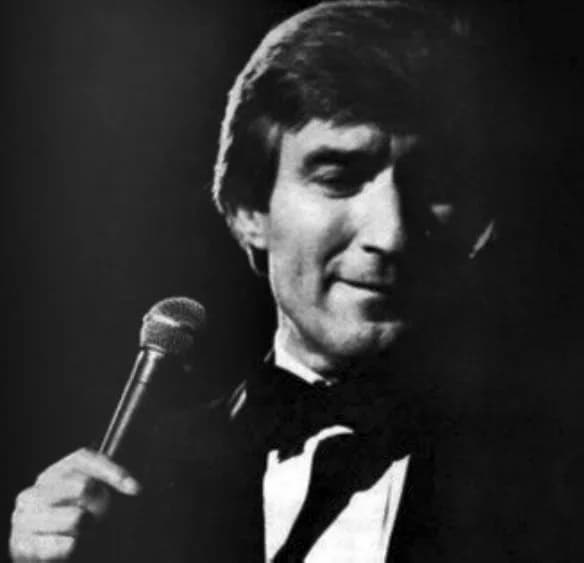
Төрсөн
November 20, 1938
Pečenjevce, Serbia
Нас барсан
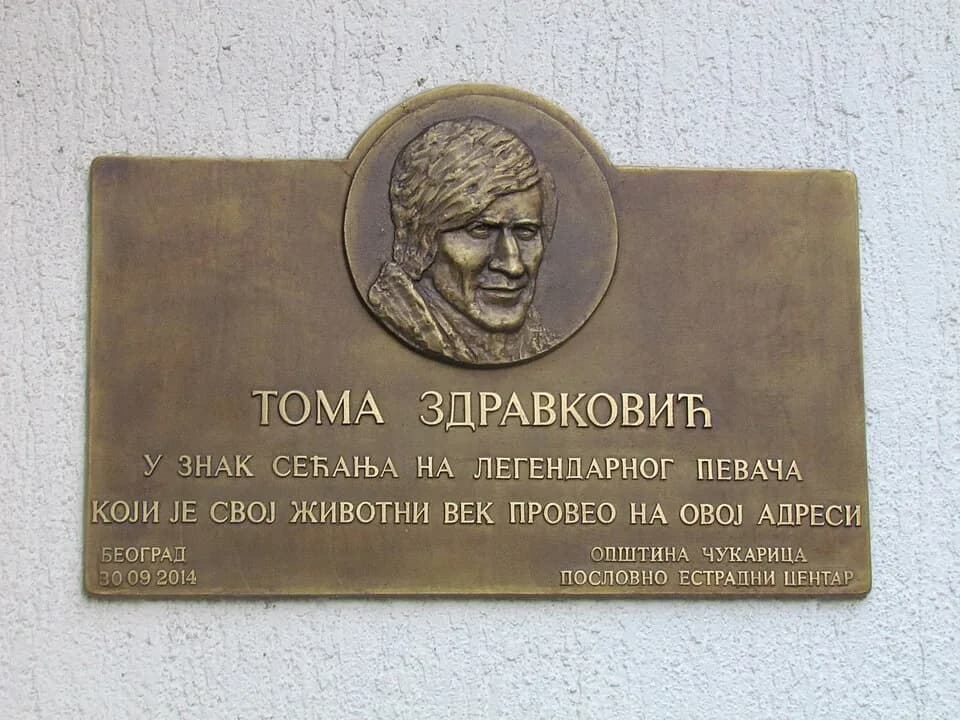
September 30, 1991
Belgrade, Kingdom of Hungary
Түүгээрээ алдартай
Serbian folk singer
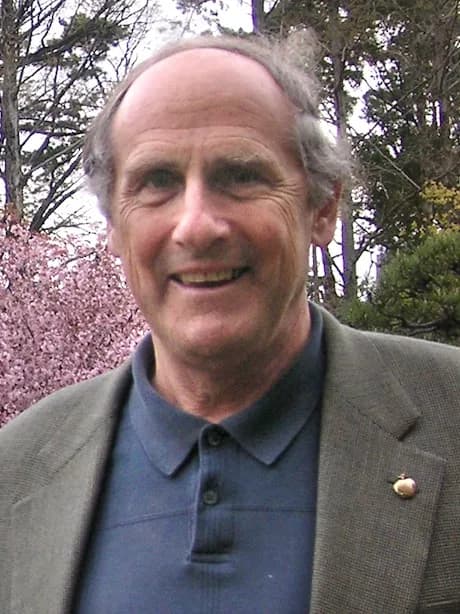
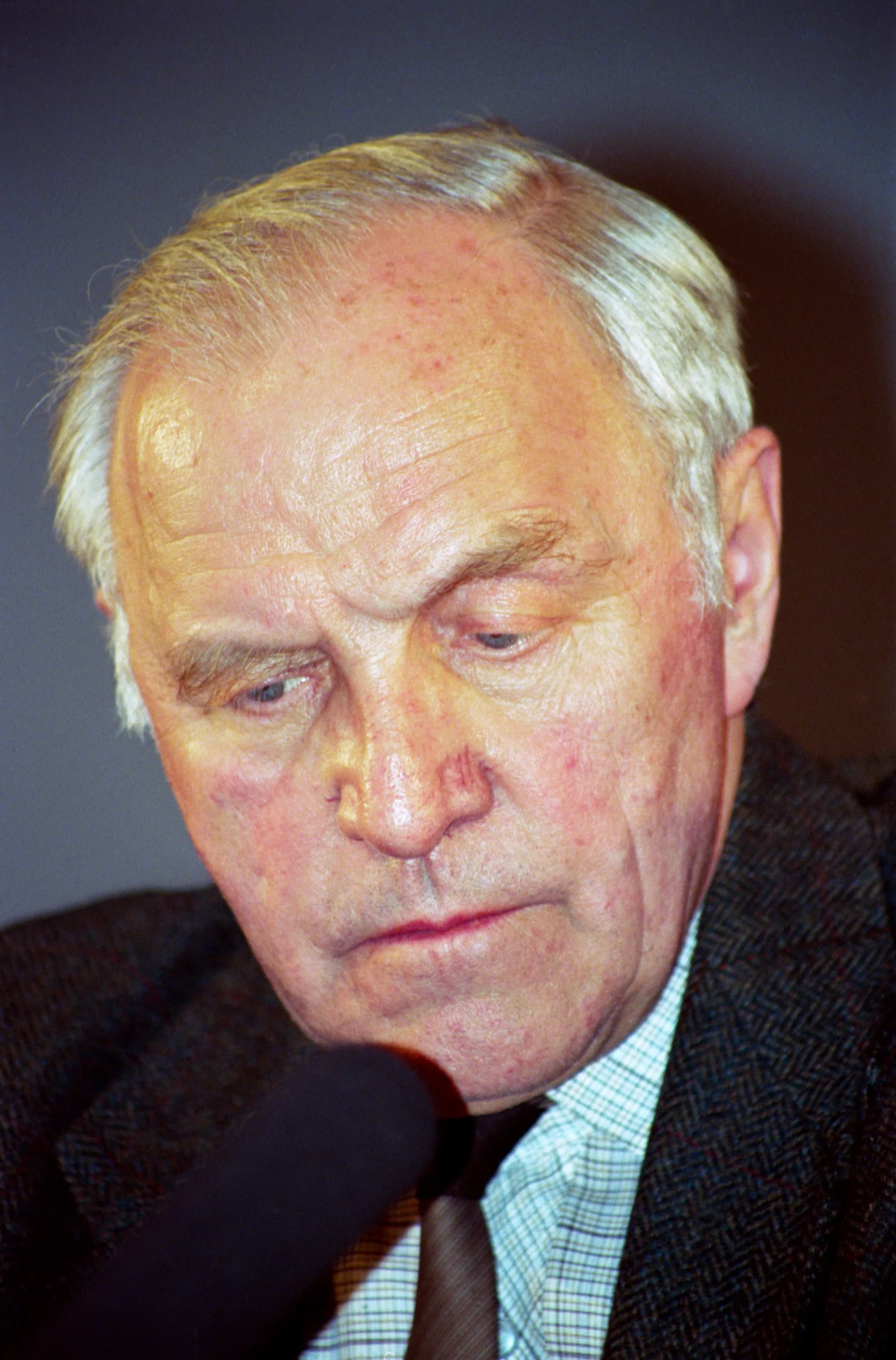
Toma Zdravković (1938–1991) was Serbia best known for Serbian folk singer.
Toma Zdravković (November 20, 1938 – September 30, 1991) was a Serbian folk singer and recording artist. He was known for his soulful songwriting and significant contributions to folk pop music, leaving behind a rich discography. His work continues to influence the region's musical heritage.
Амьдралын мөчүүд
Амьдралыг бүтээсэн мөчүүд
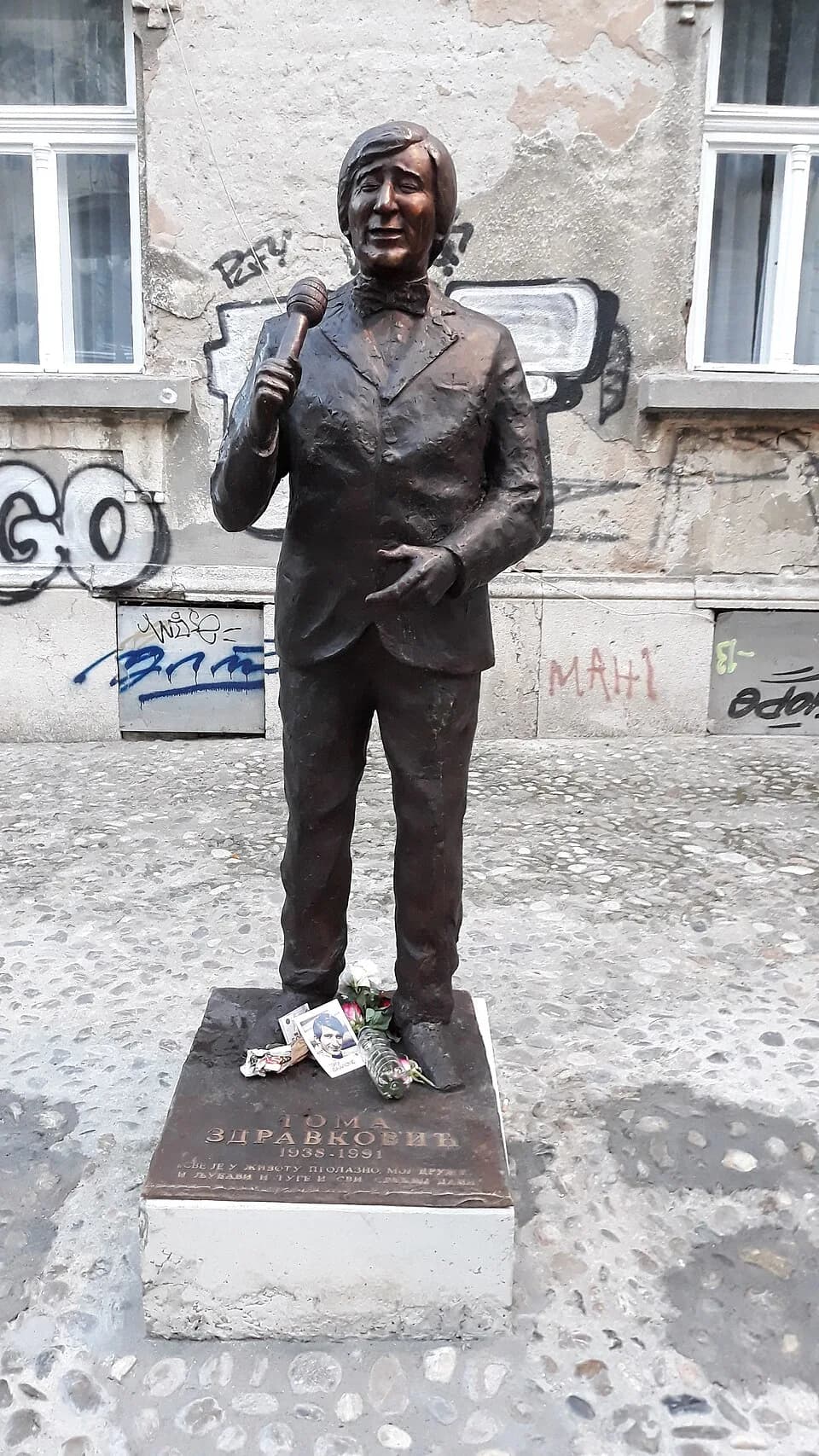
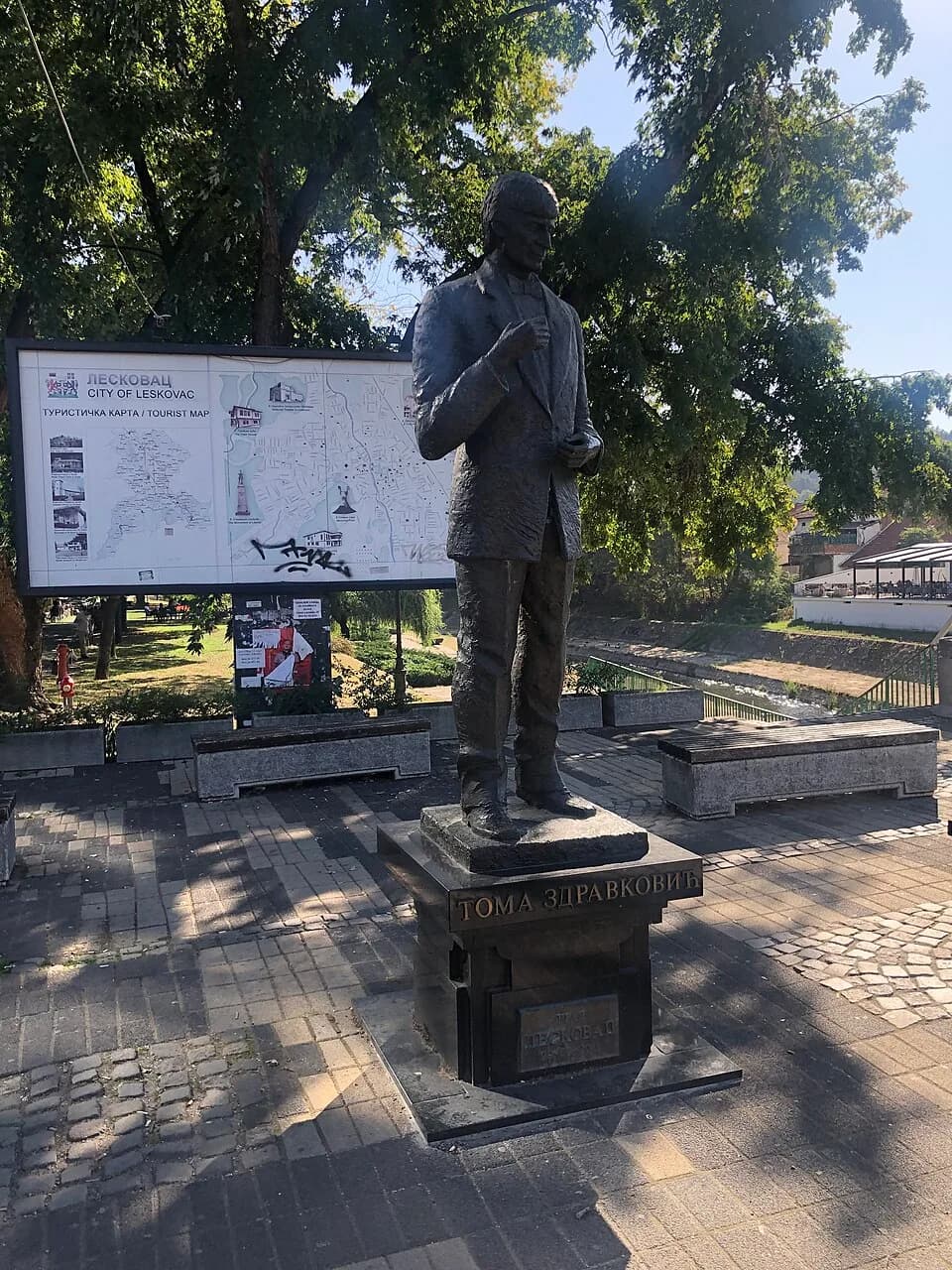
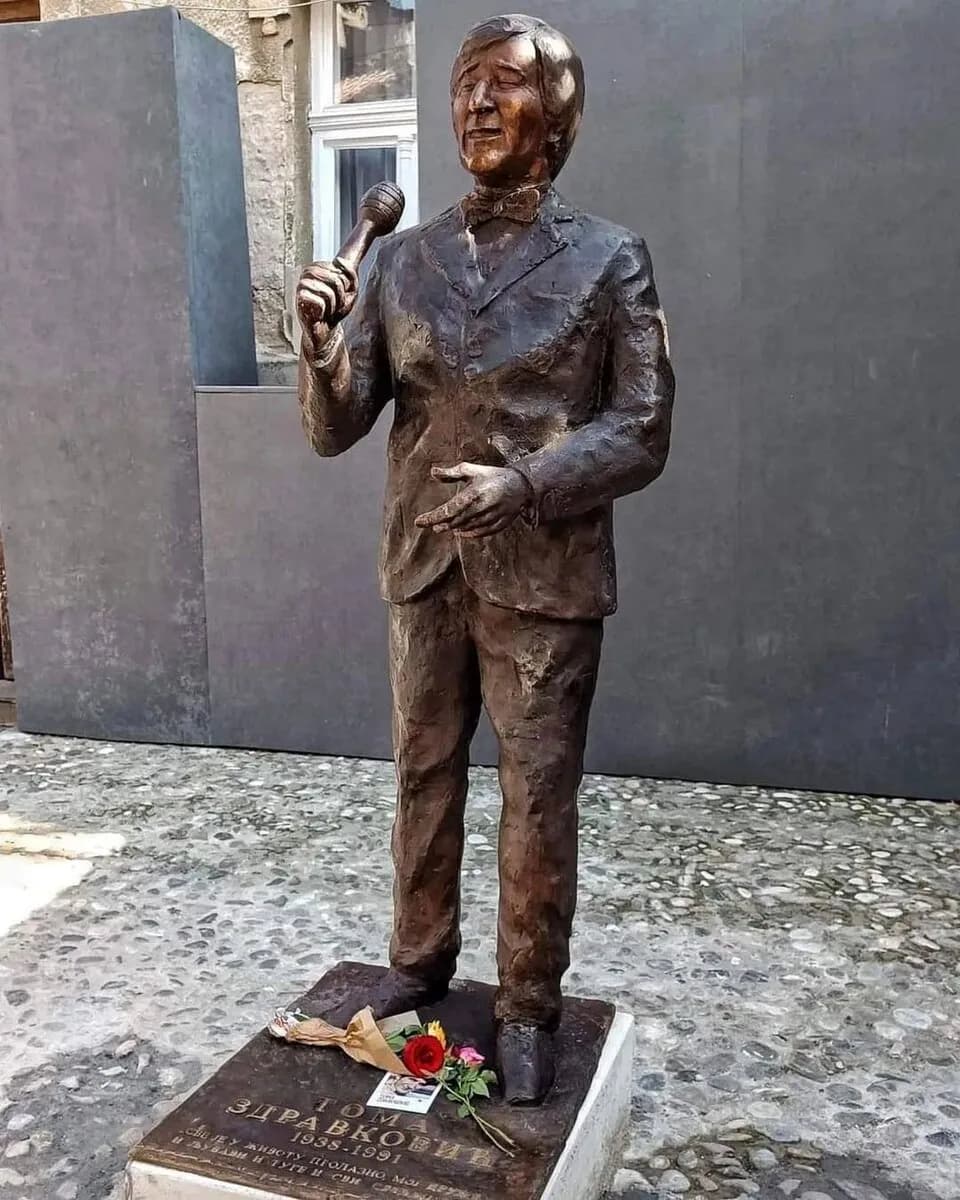
0-р бүлэг
Амьдралын бүлгүүд
1-р бүлэг · 1938· 6-ийн 1-р бүлэг
Early Life and Origins
Toma Zdravković entered the world in Pečenjevce, Serbia, on November 20, 1938. His early years in this Serbian town set the stage for a life dedicated to music.
2-р бүлэг· 6-ийн 2-р бүлэг
Career Beginnings
Zdravković established himself as a prominent Serbian singer-songwriter and recording artist. His unique style and compelling stage presence quickly captivated listeners, drawing them into his expressive musical narratives.
3-р бүлэг· 6-ийн 3-р бүлэг
Major Achievements and Career Highlights
Throughout his career, Toma Zdravković was celebrated for his significant contributions to Serbian folk music, often blending traditional sounds with modern folk pop sensibilities. He was a prolific artist, consistently releasing albums that resonated with a wide audience.
His distinctive vocal delivery and lyrical themes, often touching upon love, loss, and the human condition, earned him a special place in the hearts of his fans. Zdravković's work transcended simple entertainment, offering solace and reflection through his art.
4-р бүлэг · 1974· 6-ийн 4-р бүлэг
Notable Works or Contributions
Toma Zdravković's discography stands as a testament to his artistic output and creativity. Among his notable albums is "O Majko, Majko" from 1974, which showcased his growing lyrical maturity and musical depth.
He continued to release compelling albums such as "Nikad Neću Da Te Zaboravim" in 1976 and the self-titled "Toma Zdravković" in 1979. The 1980s saw the release of popular works like "Čekaj Me..." (1981), "Dva Smo Sveta Različita" (1982), and "E, Moj Brate" (1986).
His later albums, "Dal' Je Moguće" (1987), "Evo Me Opet" (1988), and "Kafana Je Moja Istina" (1990), further solidified his standing as a master of the genre. Posthumously, "Dotak'o Sam Dno Zivota" was released in 1992, containing some of his final recordings.
5-р бүлэг · 1991· 6-ийн 5-р бүлэг
Later Years
Toma Zdravković's remarkable life concluded on September 30, 1991. He passed away in Belgrade, which was then part of the Kingdom of Hungary, leaving behind a profound musical heritage.
6-р бүлэг· 6-ийн 6-р бүлэг
Legacy and Impact
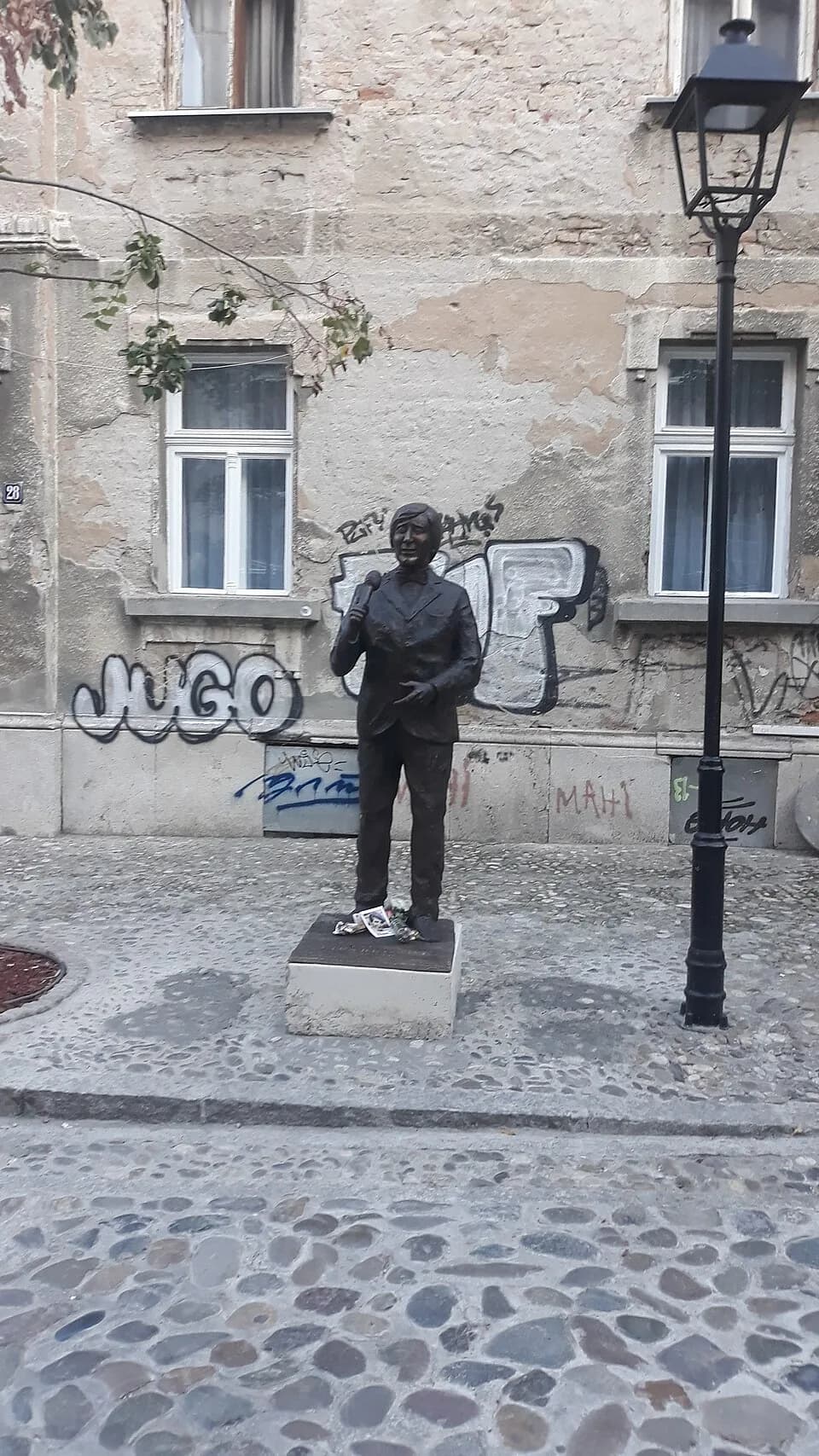
The impact of Toma Zdravković on Serbian music and the broader folk pop genre is undeniable. He defined a style characterized by its emotional depth and relatable narratives.
His songs continue to be beloved classics, frequently played and reinterpreted by new generations of artists. Zdravković's authentic approach to music ensured his status as a cultural icon, whose voice still evokes powerful feelings among listeners.
Асуулт хариулт
Түгээмэл асуултууд
Toma Zdravković хэзээ нас барсан бэ?
Toma Zdravković 1991 оны есдүгээр сарын 30-нд Belgrade, Kingdom of Hungary-д нас барсан, 52 насандаа.
Toma Zdravković хаана төрсөн бэ?
Toma Zdravković Pečenjevce, Serbia-д 1938 оны арван нэгдүгээр сарын 20-нд төрсөн.
Toma Zdravković юугаараа алдартай вэ?
Toma Zdravković Serbian folk singer-ээрээ хамгийн алдартай.
Toma Zdravković нас барахдаа хэдэн настай байсан бэ?
Toma Zdravković нас барахдаа 52 настай байсан.
Toma Zdravković ямар үндэстэн байсан бэ?
Toma Zdravković Serbia-аас гаралтай.
Цаг хугацаа
Амьдралын замнал
Зургийн цомог
Зурагт өгүүлсэн амьдрал
Зургийг томруулахын тулд дарна уу · 31 зураг
QR код
Энэхүү намтрыг хуваалцах
Хэвлэх ба хуваалцах
Энэхүү намтрын хуудаст зочлохын тулд уншуулна уу. Үйл явдал, үзэсгэлэн, боловсролын материалын зорилгоор хэвлэнэ үү.