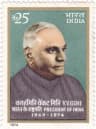
Төрсөн
August 10, 1963
Jalaun district, India
Нас барсан
July 25, 2001
New Delhi, India
Түүгээрээ алдартай
Indian bandit, politician
Phoolan Devi (1963–2001) was India best known for Indian bandit, politician.
Phoolan Devi (August 10, 1963 – July 25, 2001) was an Indian politician and former brigand from Jalaun district, India. Popularly known as the Bandit Queen, she challenged social injustices and later served as a Member of Parliament. Her life became a symbol of resistance against oppression.
0-р бүлэг
Амьдралын бүлгүүд
1-р бүлэг · 1963· 5-ийн 1-р бүлэг
Early Life and Origins
Phoolan Devi was born into severe poverty on August 10, 1963, in a small village within the Jalaun district of India. She belonged to the Mallah subcaste, a community often marginalized within India's social hierarchy. Her family faced immense struggles, including a significant land dispute that brought them numerous problems and exacerbated their already difficult circumstances.
Her early life was marked by hardship from a very young age. Phoolan Devi was married off at the tender age of eleven, a common practice in impoverished rural areas at the time. This early marriage was followed by a period of profound sexual abuse inflicted by various individuals, which deeply scarred her and shaped her future trajectory.
2-р бүлэг· 5-ийн 2-р бүлэг
Career Beginnings
Driven by her personal trauma and the systemic injustices she experienced, Phoolan Devi sought a path outside conventional society. She eventually joined a gang of dacoits, or bandits, a decision that would define the early public perception of her. This choice was a direct response to the suffering and exploitation she had endured.
As part of the dacoit gang, Phoolan Devi engaged in activities that often targeted those perceived as oppressors. Her gang specifically robbed higher-caste villages, which were seen as symbols of the entrenched power structure. They also held up trains and various vehicles, operating across the rural landscapes of Uttar Pradesh.
3-р бүлэг· 5-ийн 3-р бүлэг
Major Achievements and Career Highlights
Phoolan Devi gained notoriety and a complex public image during her time as a bandit. She became known for punishing her rapists, a series of acts that resonated deeply with many. Her ability to consistently evade capture by the authorities further cemented her legendary status among certain sections of society.
For the Other Backward Classes, especially those experiencing similar oppression, Phoolan Devi emerged as a formidable Robin Hood figure. They viewed her actions as a form of retribution against a system that offered them little justice. This perception transformed her from a simple criminal into a symbol of resistance.
A significant and controversial event linked to her was the 1981 Behmai massacre. Phoolan Devi was charged in absentia for the killings of twenty Thakur men in Behmai, allegedly carried out under her command. This incident provoked widespread outrage, leading to the resignation of the Chief Minister of Uttar Pradesh and intensifying calls for her apprehension.
After years of operating as a bandit, Phoolan Devi eventually surrendered in 1983, two years after the massacre. Her surrender was a carefully negotiated settlement with the authorities, which involved specific conditions. She subsequently spent eleven years incarcerated in Gwalior prison, awaiting trial for her various charges.
Following her release, Phoolan Devi transitioned from a life of banditry to legitimate politics, demonstrating an extraordinary shift. She successfully became a politician, ultimately serving as a Member of Parliament. This remarkable transformation allowed her to advocate for the very communities she once sought to protect through different means.
4-р бүлэг· 5-ийн 4-р бүлэг
Later Years
Phoolan Devi continued her work as a politician, representing her constituency and striving for social justice. Her presence in parliament was a powerful reminder of her turbulent past and her enduring fight against inequality. She brought a unique perspective shaped by her personal experiences to the political arena.
Tragically, Phoolan Devi's life was cut short when she was assassinated on July 25, 2001, in New Delhi, India. Her death marked the untimely end of a life filled with extraordinary challenges, transformations, and persistent advocacy. She was only 37 years old at the time of her passing.
5-р бүлэг· 5-ийн 5-р бүлэг
Legacy and Impact
Phoolan Devi remains a profoundly complex and polarizing figure in Indian history. For many, particularly among the marginalized, she is remembered as a fearless advocate and a symbol of resilience against caste oppression and sexual violence. Her story highlighted the deep-seated social injustices prevalent in society.
Her life and actions continue to spark discussions about justice, retribution, and the systemic issues of poverty and power dynamics in India. Phoolan Devi's legacy compels a re-examination of how society treats its most vulnerable and the paths individuals might take when conventional avenues for justice are denied. She stands as a poignant reminder of the enduring struggles for equality.
Амьдралын мөчүүд
Амьдралыг бүтээсэн мөчүүд

Асуулт хариулт
Түгээмэл асуултууд
Phoolan Devi хэзээ нас барсан бэ?
Phoolan Devi 2001 оны долоодугаар сарын 25-нд New Delhi, India-д нас барсан, 37 насандаа.
Phoolan Devi хаана төрсөн бэ?
Phoolan Devi Jalaun district, India-д 1963 оны наймдугаар сарын 10-нд төрсөн.
Phoolan Devi юугаараа алдартай вэ?
Phoolan Devi Indian bandit, politician-ээрээ хамгийн алдартай.
Phoolan Devi нас барахдаа хэдэн настай байсан бэ?
Phoolan Devi нас барахдаа 37 настай байсан.
Phoolan Devi ямар үндэстэн байсан бэ?
Phoolan Devi India-аас гаралтай.
Цаг хугацаа
Амьдралын замнал
Зургийн цомог
Зурагт өгүүлсэн амьдрал
Зургийг томруулахын тулд дарна уу · 17 зураг
QR код
Энэхүү намтрыг хуваалцах
Хэвлэх ба хуваалцах
Энэхүү намтрын хуудаст зочлохын тулд уншуулна уу. Үйл явдал, үзэсгэлэн, боловсролын материалын зорилгоор хэвлэнэ үү.